
College of Science & Engineering

Sophia Love
- Doctor of Philosophy (Natural and Physical Sciences)
- sophie.love@jcu.edu.au
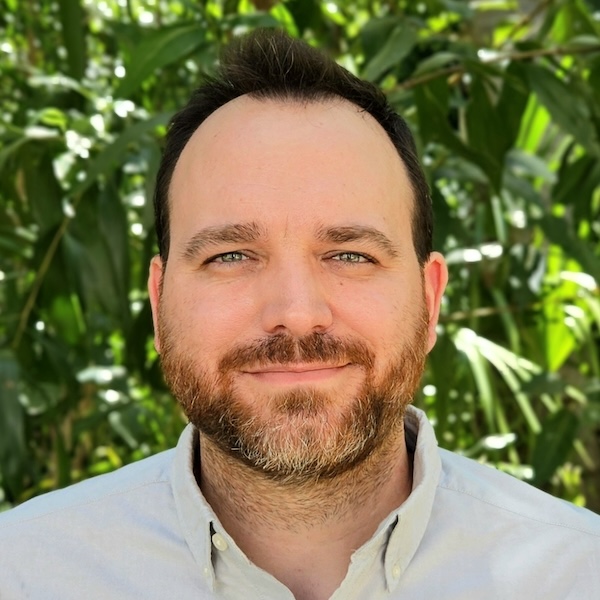
Romain Vaucher
- Senior Lecturer, Sedimentology
- romain.vaucher@jcu.edu.au

Jenny Fisher
- Associate Dean, Learning and Teaching
- jenny.fisher@jcu.edu.au
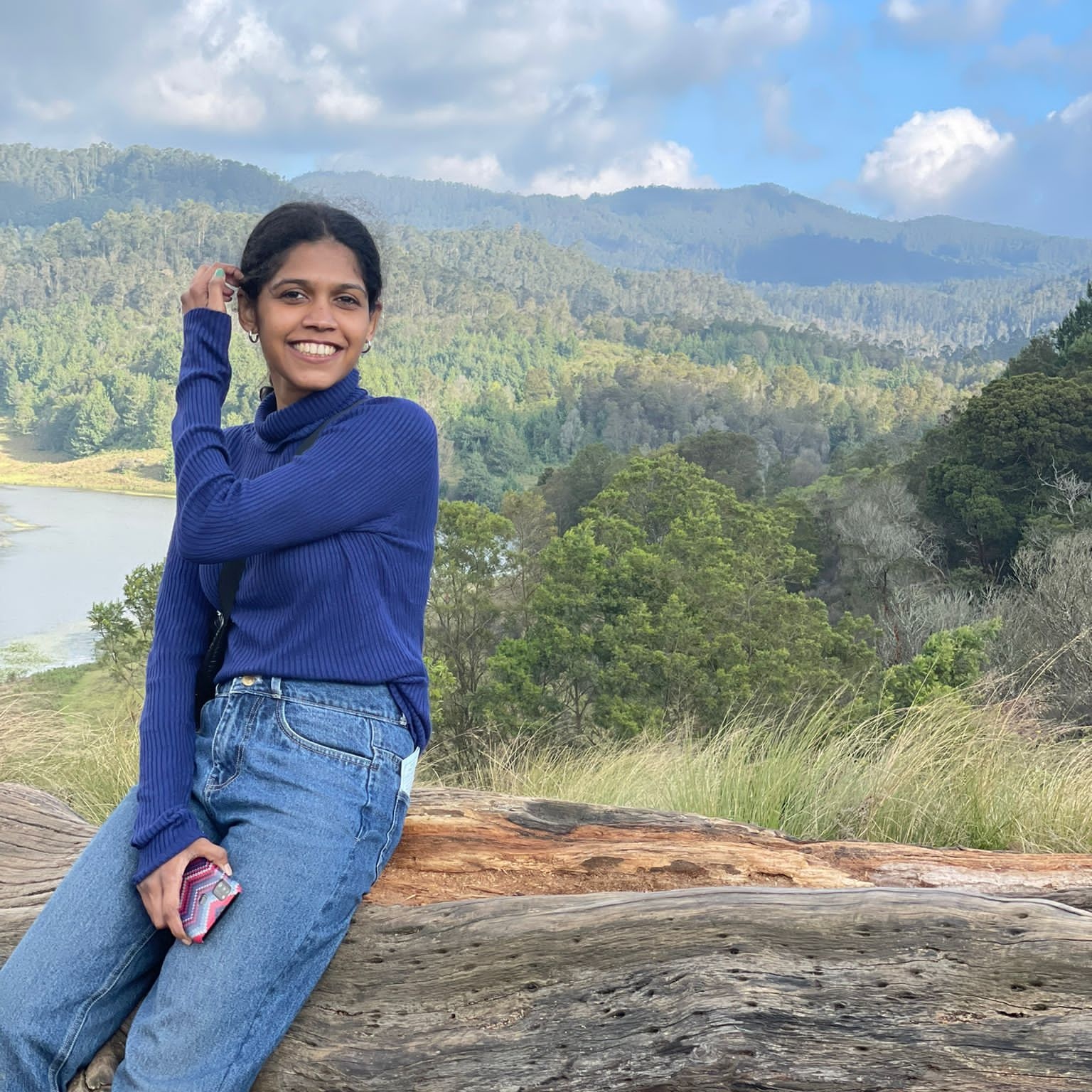
Ambili Narayanan
- Doctor of Philosophy (Natural and Physical Sciences)
- ambili.narayanan@my.jcu.edu.au

Sarfaraz Ali
- Postdoctoral Research Fellow
- sarfaraz.ali@jcu.edu.au
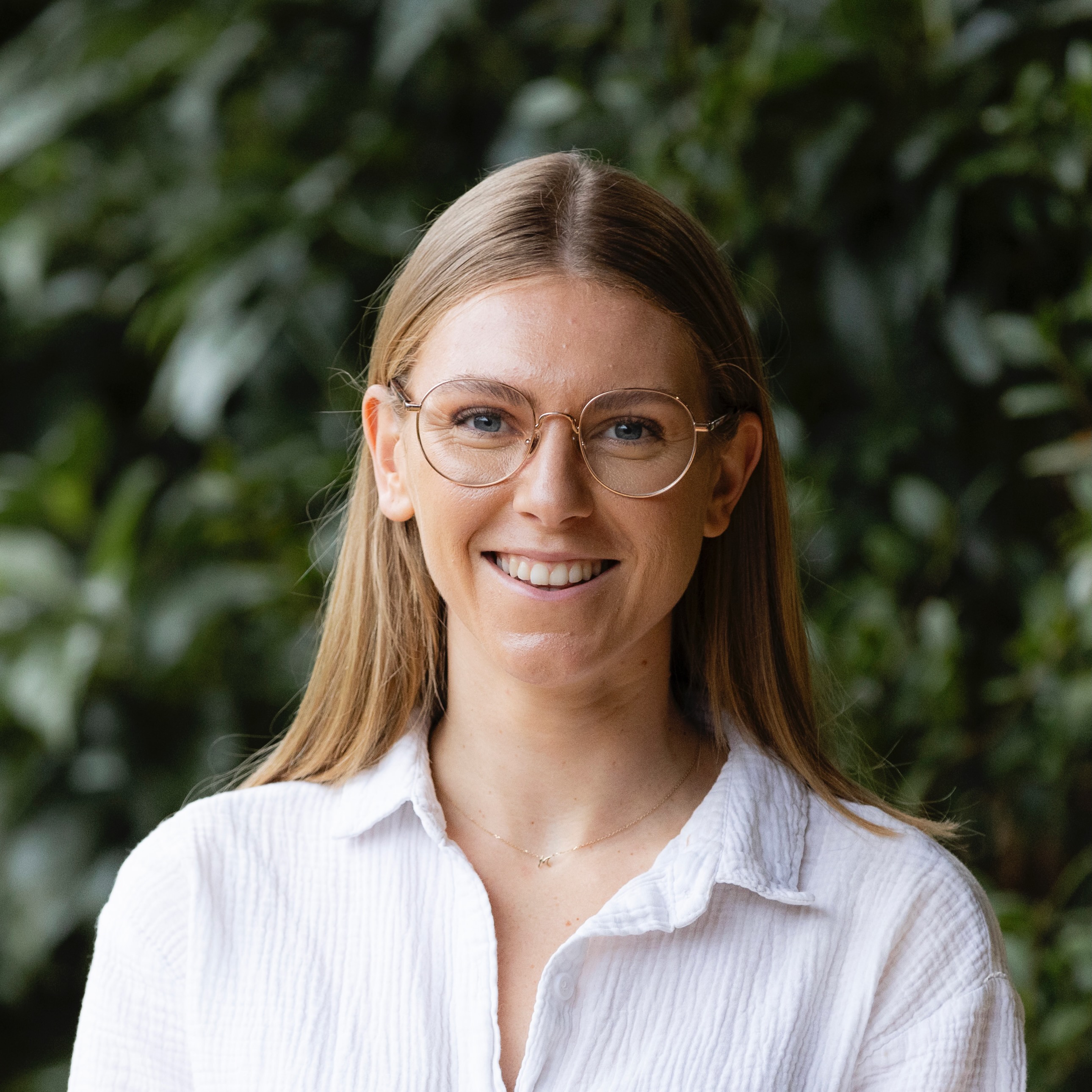
Mikaeylah Davidson
- Postdoctoral Research Fellow
- mikaeylah.davidson@jcu.edu.au
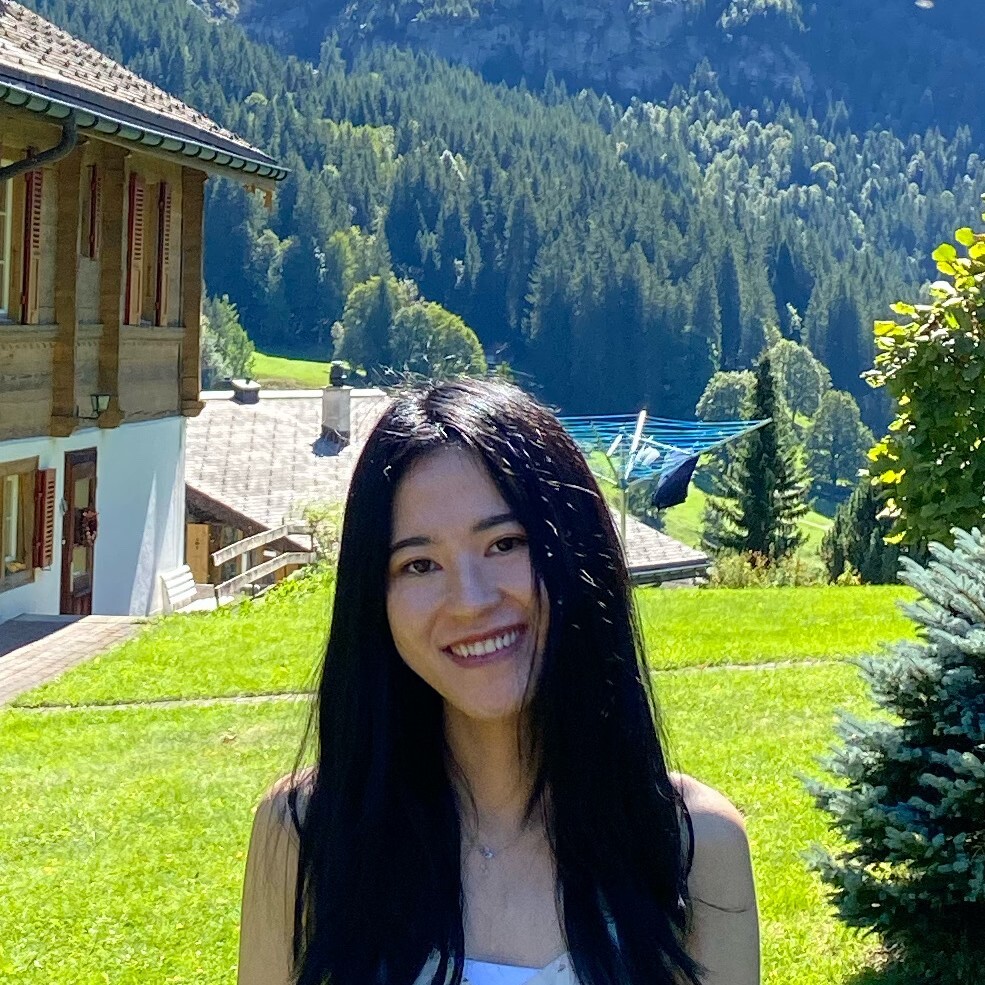
Liuxin Chen
- Lecturer
- liuxin.chen@jcu.edu.au
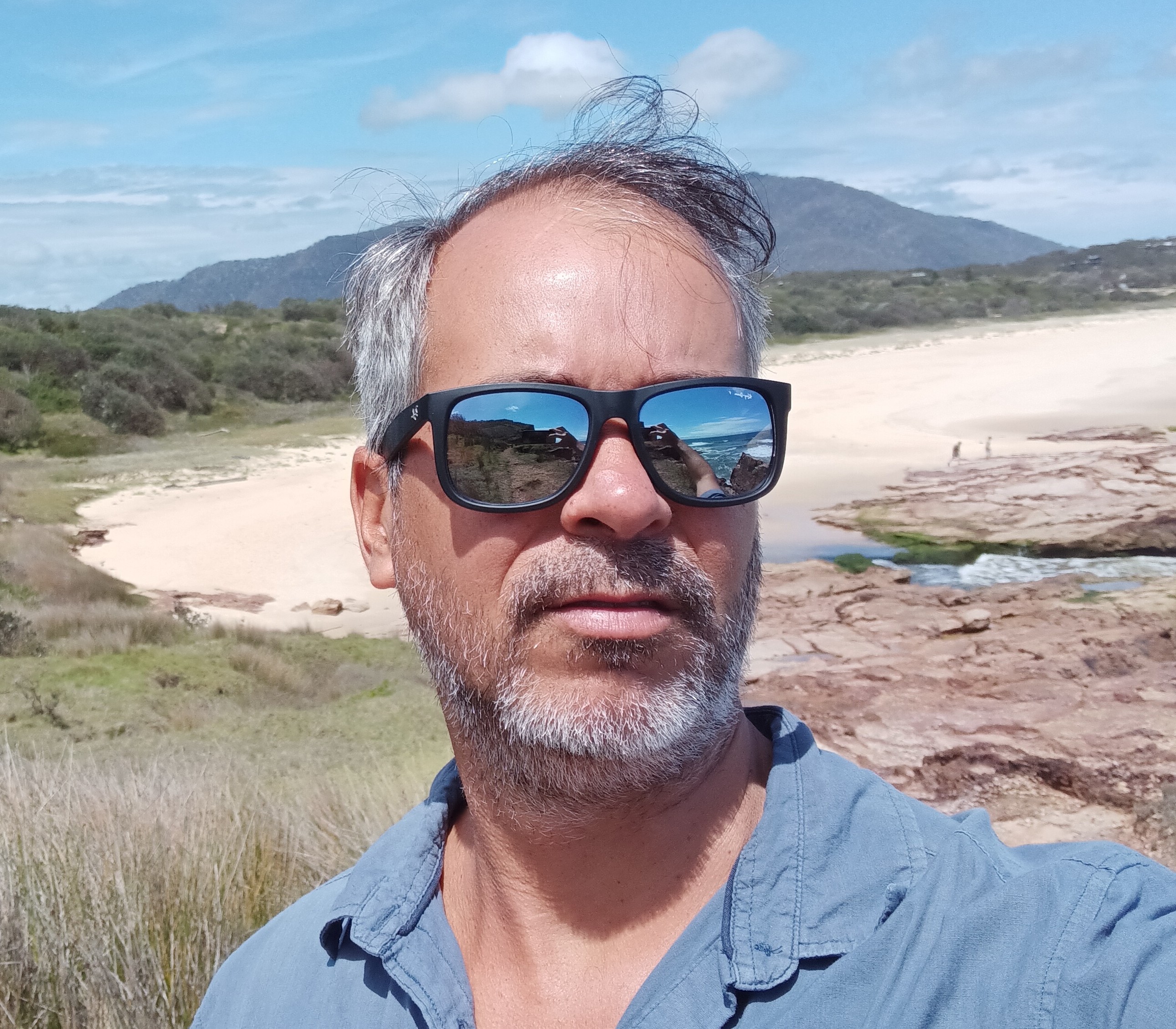
Rafael Cabral Carvalho
- Lecturer, Marine Geoscience
- rafael.cabralcarvalho@jcu.edu.au
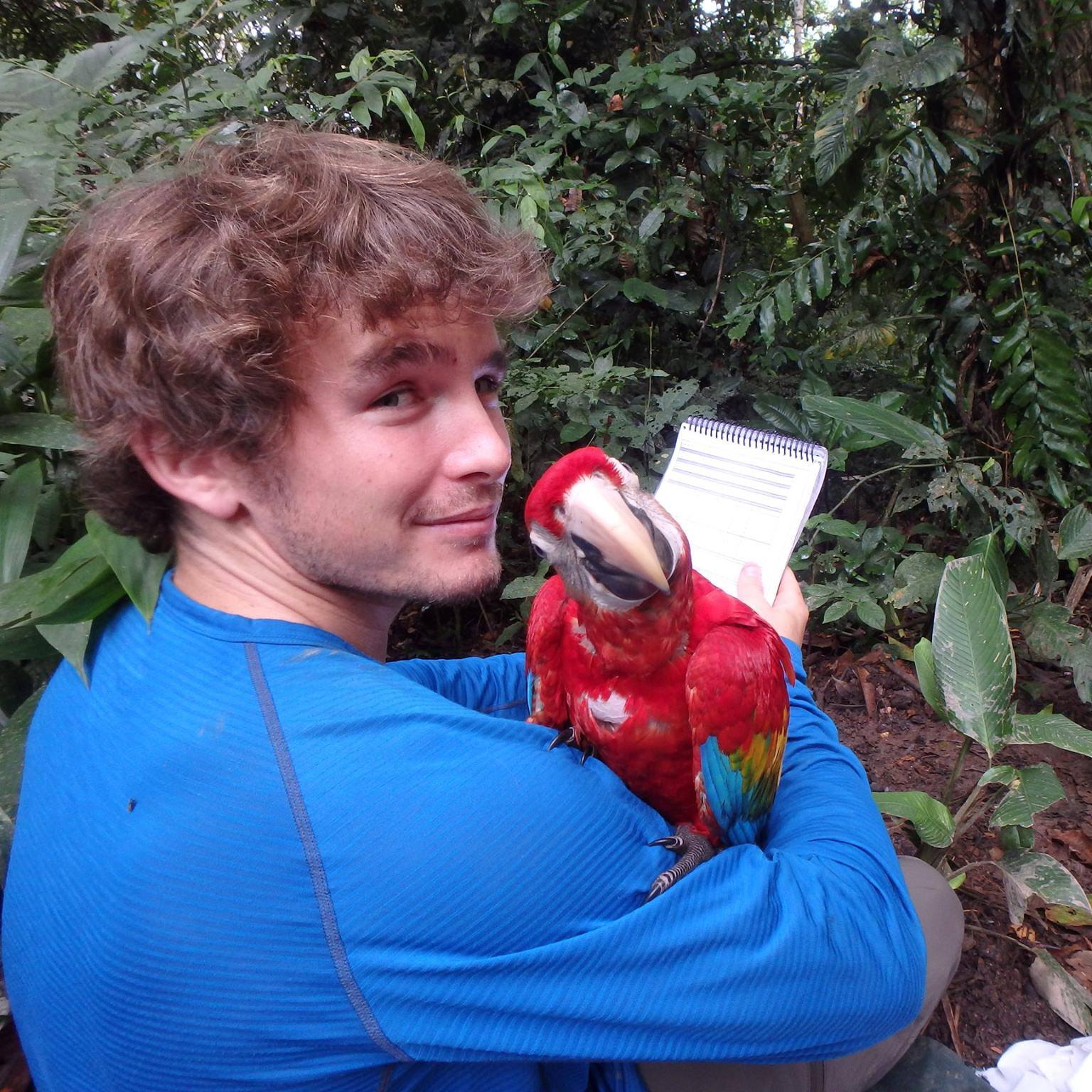
Tom Lloyd
- Postdoctoral Research Fellow, Global Ecosystems
- tom.lloyd@jcu.edu.au
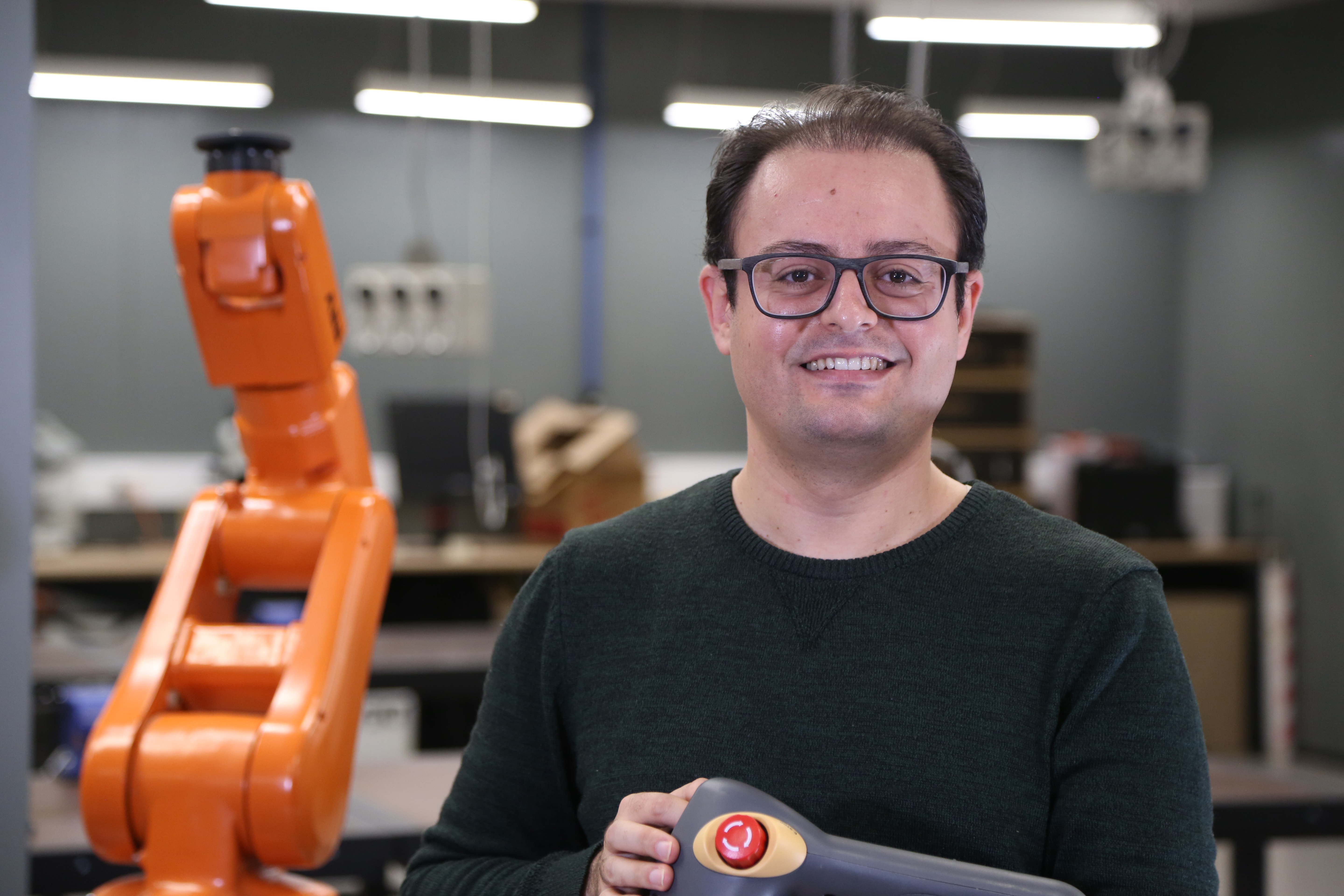
Mohamadreza Chalak Qazani
- Lecturer, Mechanical Engineering
- mohamadreza.chalakqazani@jcu.edu.au
Mecaflavo - Understanding the Anti-inflammatory Structure-Activity Relationships of Flavonoid Analogues [Compréhension des relations structures-activités dans les MECanismes Anti-inflammatoires d’analogues de FLAVOnoïdes] – MECAFLAVO (Old ID 27204)
Michael Oelgemoeller
01 Jul 2021 - 31 Dec 2023
Flavonoids are a class of natural compounds with various phenolic structures that are widely distributed in plants, including fruits and vegetables, tea or wine. The project MECAFLAVO will synthesize and evaluate the anti-inflammatory potential of pinocembrin and pinobanksin analogues in order to understand their mechanism of action, metabolism and therapeutic safety. Through derivatization it further aims to improve the therapeutic profile and applications of these semi-synthetic compounds.
Ecology and bioacoustics of the Asian black-spined toad (Duttaphrynus melanostictus) (Old ID 27275)
Lin Schwarzkopf
20 Jun 2021 - 30 Jun 2023
A process has been designed by JCU, DAF and IPB University, based on Muller and Schwarzkopf, to determine and optimise ABST responses to lure calls and toad traps. Here we will extend that process to record, analyse and test ABST calls from outside of the local range of toads from Bogor Indonesia.
Assessing the footprint, fingerprint, and vectoring potential towards Cu mineralization of trace elements in chalcopyrite and co-existing pyrite, and albite. (Old ID 30025)
Ioan Sanislav
01 Jun 2023 - 30 Jun 2026
This project aims to assess the footprint, fingerprint, and vectoring potential towards Cu mineralization by using trace element analyses of chalcopyrite, pyrite, and albite from Cu deposits in Mt Isa region. As part of this project co-existing chalcopyrite, pyrite and albite will be analysed from a suite of well characterised samples comprising a variety of mineral deposits from Mt Isa region. The role of host rock and deformation on mineral trace element geochemistry will be investigated in order to assess their influence on the vectoring potential.
What can locally managed marine areas do for you? (Old ID 27303)
Patrick Smallhorn-West
04 Aug 2021 - 31 Dec 2022
Locally-managed marine areas (LMMA) regulate when, how, and by whom harvesting of resources occurs and are the dominant local marine resource management approach in the Pacific. Recently, a new wave of lessons have emerged on the efficacy of LMMAs that has yet to be interpreted and critiqued amongst resource managers, NGOs, and government actors. This project will involve hosting two workshops and co-developing communication products (infographic, pamphlet, and short video) in various Pacific languages on the current state of knowledge on LMMAs as a fisheries management tools. This work will provide an up to date synthesis of the contexts under which they can be successful, the trade-offs that may result when managing for multiple objectives, and the realistic impacts that can be expected from their use.
Modelling unseen flow pathways of water and contaminants in the Wet Tropics: the role of alluvial palaeochannels (Old ID 27748)
HanShe Lim
01 Jul 2022 - 01 Aug 2023
Approximately 50% of nitrogen loss from agricultural landscapes in the Wet Tropics occurs via subsurface flow pathways. We know little about the partitioning of subsurface flows, especially through palaeochannels where field evidence shows them to be zones of preferential pathways of water movement and likely nutrients. This project, led by JCU, seeks to develop an adequate understanding of the role palaeochannels play in subsurface flow movement. We then make recommendations to the modelling community on how to model these landscapes better in order to guide intervention measures (e.g. bioreactors, constructed wetlands) to reduce nutrient release into environmentally sensitive coastal areas (GBR).
Resource Technology and Critical Minerals Trailblazer (Old ID 29000)
Ioan Sanislav
01 Aug 2022 - 30 Jun 2027
The Resource Technology and Critical Minerals Trailblazer is a partnership with Curtin University (Lead), University of Queensland and JCU along with over 25 industry partners. This program has been successful and funded under the Department of Education, Skills and Employment Trailblazer Universities Program. The Trailblazer aims to more effectively commercialise university innovations, accelerate industry technology readiness and open up access to university infrastructure and human resources to support growth of Australian businesses in the field of Resource Technology and Critical Minerals processing.
Adverse reactions to seafood: Molecular and immunological approaches in managing an Australasian epidemic (Old ID 19354)
Ludwig Lopata
01 Apr 2012 - 31 Dec 2016
Over 4 million Australians suffer from allergies with a financial burden in excess of $7 billion. Seafood is an increasingly important food allergy worldwide and is typically life-long, affecting about 5% of children and 2% of adults in Australia. This research will characterise allergenic proteins from crustacean and molluscs, leading to the design of recombinant proteins. Allergenicity of modified food allergens through heating will be studied using state-of-the-art in-vivo and in-vitro systems. This fellowship will considerably advance our knowledge on the influence of structure and chemical modifications on the immunoreactivity of seafood allergen, thus providing platform knowledge for better diagnostics and future therapeutics.
Conservation genetics and population trends in the endangered Mahogany Glider (Petaurus gracilis) (Old ID 27035)
Eryn Chang
31 Aug 2020 - 26 Oct 2021
Forest clearances has resulted in severe habitat fragmentation that threats population connectivity and genetic diversity of Mahogany Gliders, an endangered gliding possum endemic to Australian Wet Tropics. Using species distribution modelling, we aim to map the glider’s current theoretical distribution, and based on that, conducting fieldworks to collect DNA samples from different populations. These DNA samples enable us to do fine-scaled genomic analyses to estimate the population size and structures of the Mahogany Gliders, and to know whether the population suffers from inbreeding. Knowing these information helps to identify important corridors to connect populations and guide future conservation plans.
Protein and energy requirements of grass emperor (Old ID 28953)
Leo Nankervis
01 Apr 2023 - 01 Dec 2023
This contributes to the DAFF project developing grass emperor as a new aquaculture species. Being new to aquaculture, we lack a fundamental understanding of appropriate feeds. This project will address the protein and energy requirements of grass emperor to gain baseline understanding of appropriate feed macronutrient levels.
VIRTUAL-REALITY BASED 3D TELEMEDICINE FOR TROPICAL AND REGIONAL COMMUNITIES (Old ID 23115)
Wei Xiang
19 Dec 2016 - 31 Dec 2018
Virtual-reality (VR) technology has recently inspired the creativity of the public. Meanwhile, recent advances in light-field (LF) photography open a new horizon for digital video streaming, where LF capture and glasses-free 3D display capabilities are perfect for a wide range of 3D interactive applications. As such, this proposal aims to propose an immersive VR-based 3D telemedicine system for distance healthcare through providing more accessible and affordable healthcare to tropical population. Building upon cutting-edge 3D image sensing technology, this project will help bridge the gap between metropolitan cities and tropical and regional communities in access to and quality of healthcare services.
Organic matter, sodicity and soil structure
- 1998
- Oxford University Press
- Researchers:Paul Nelson
Argument free clustering via boundary extraction for massive point-data Sets
- 2002
- Researchers:Ickjai Lee
Start Date:
01 Jan 2020
Start Date:
01 Jan 2020
Start Date:
01 Jan 2012
Title:
Animal Ethics Committee, JCU
Start Date:
01 Jan 2025
Start Date:
01 Jan 2011
Start Date:
01 Jan 2024
End Date:
01 Jan 2024
Title:
Veterinary Home Group, JCU
Start Date:
01 Jan 2025