
College of Science & Engineering

Sophia Love
- Doctor of Philosophy (Natural and Physical Sciences)
- sophie.love@jcu.edu.au
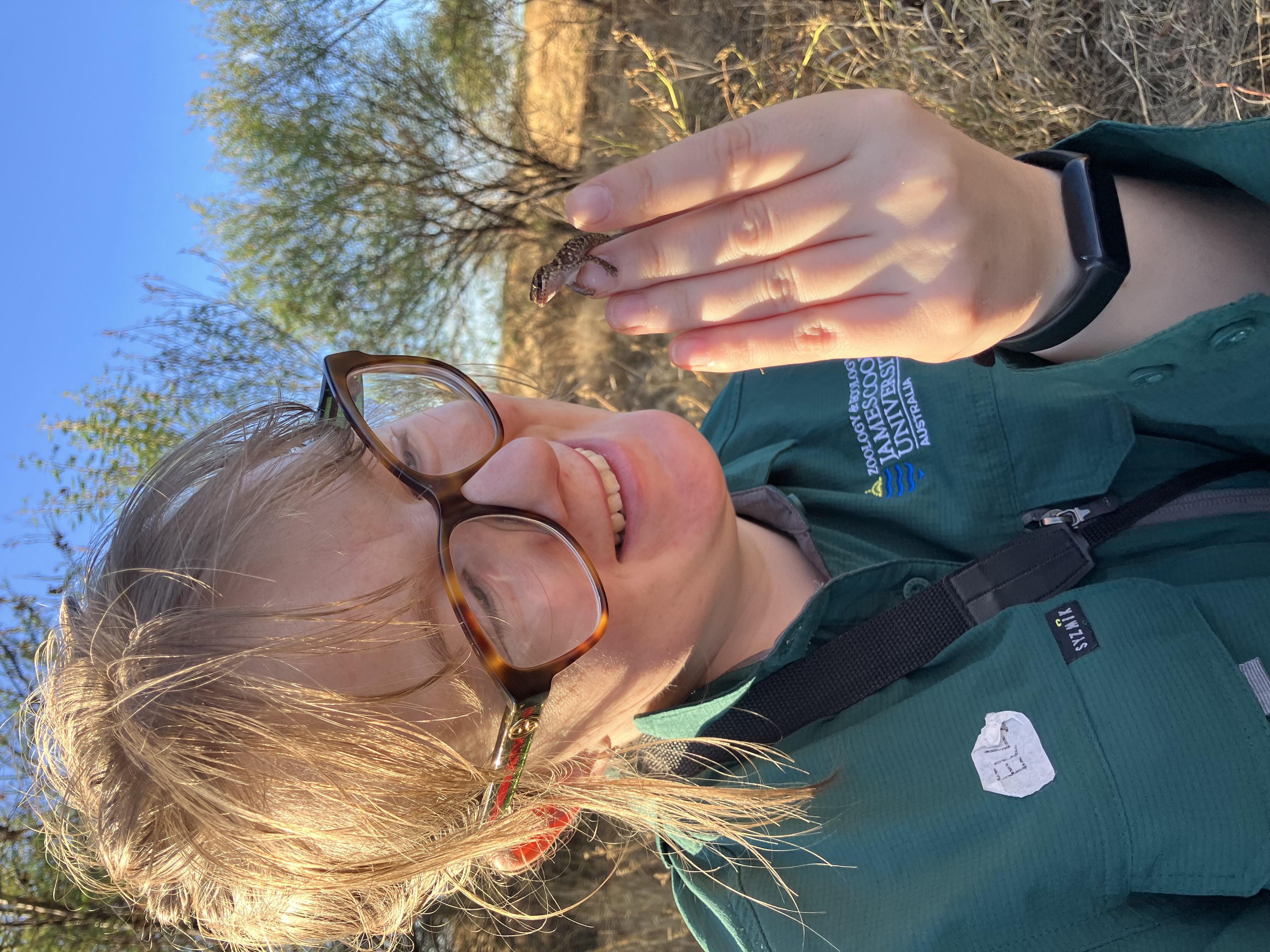
Elle Robertson
- Doctor of Philosophy (Agriculture, Environmental and Related Studies)
- elle.robertson@jcu.edu.au
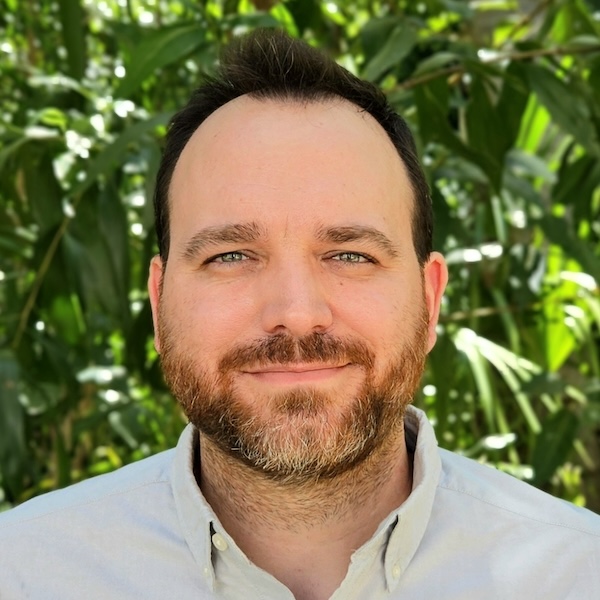
Romain Vaucher
- Senior Lecturer, Sedimentology
- romain.vaucher@jcu.edu.au

Jenny Fisher
- Associate Dean, Learning and Teaching
- jenny.fisher@jcu.edu.au

Ambili Narayanan
- Doctor of Philosophy (Natural and Physical Sciences)
- ambili.narayanan@my.jcu.edu.au

Sarfaraz Ali
- Postdoctoral Research Fellow
- sarfaraz.ali@jcu.edu.au

Mikaeylah Davidson
- Postdoctoral Research Fellow
- mikaeylah.davidson@jcu.edu.au
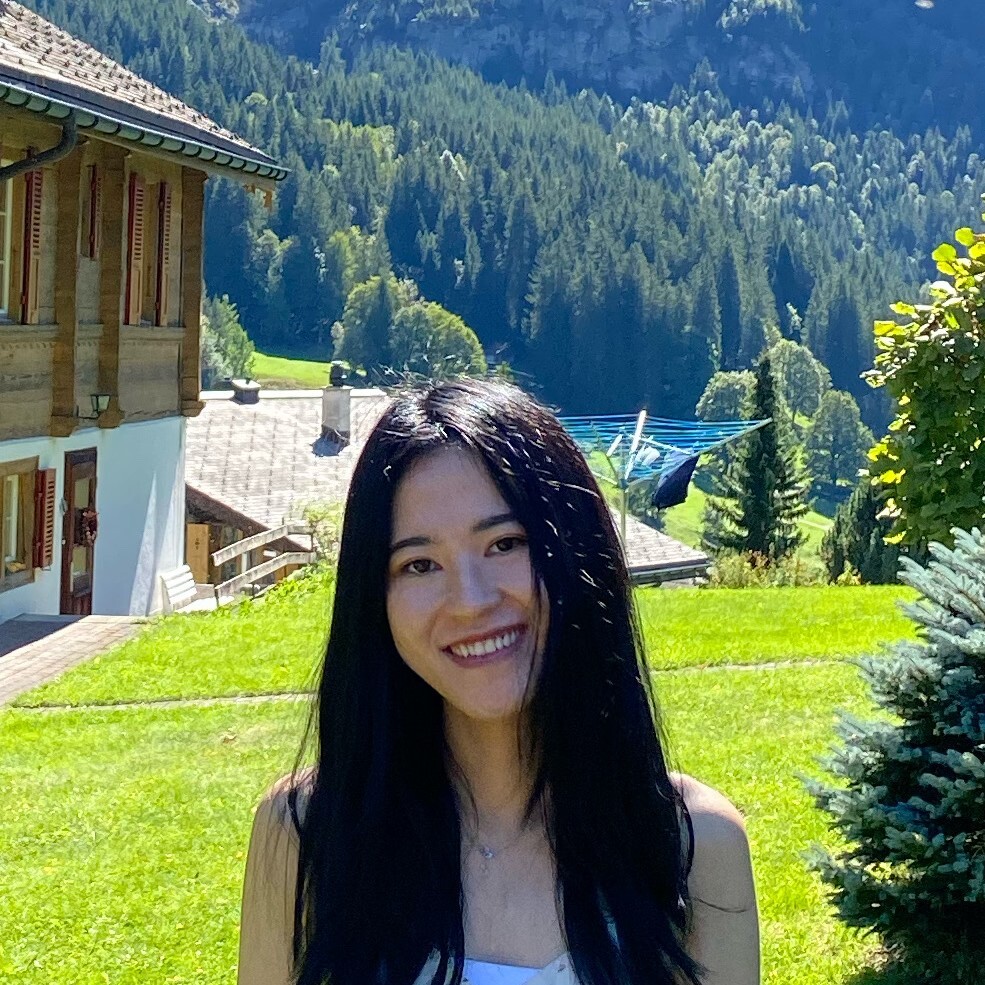
Liuxin Chen
- Adjunct Lecturer
- liuxin.chen@jcu.edu.au
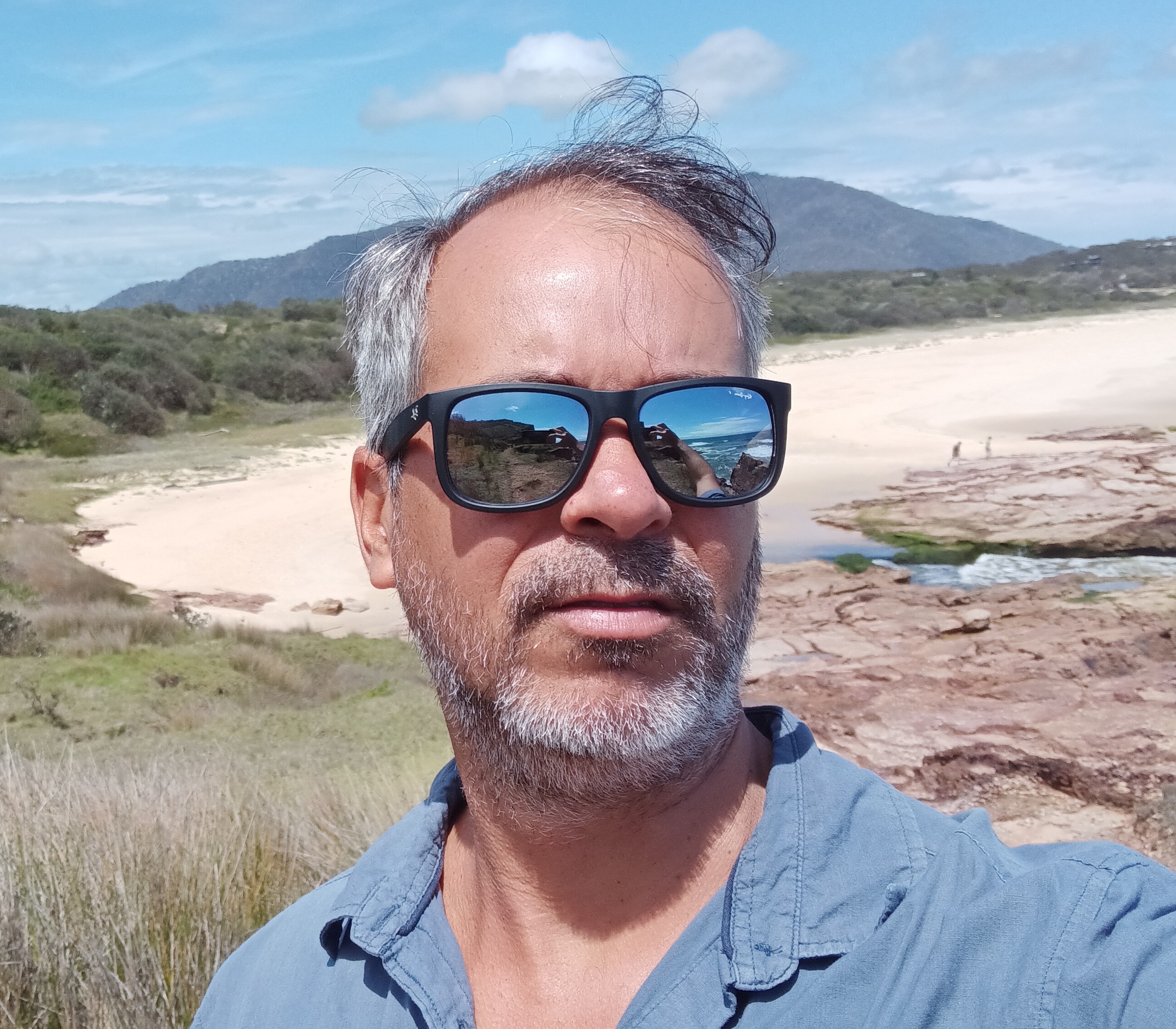
Rafael Cabral Carvalho
- Lecturer, Marine Geoscience
- rafael.cabralcarvalho@jcu.edu.au
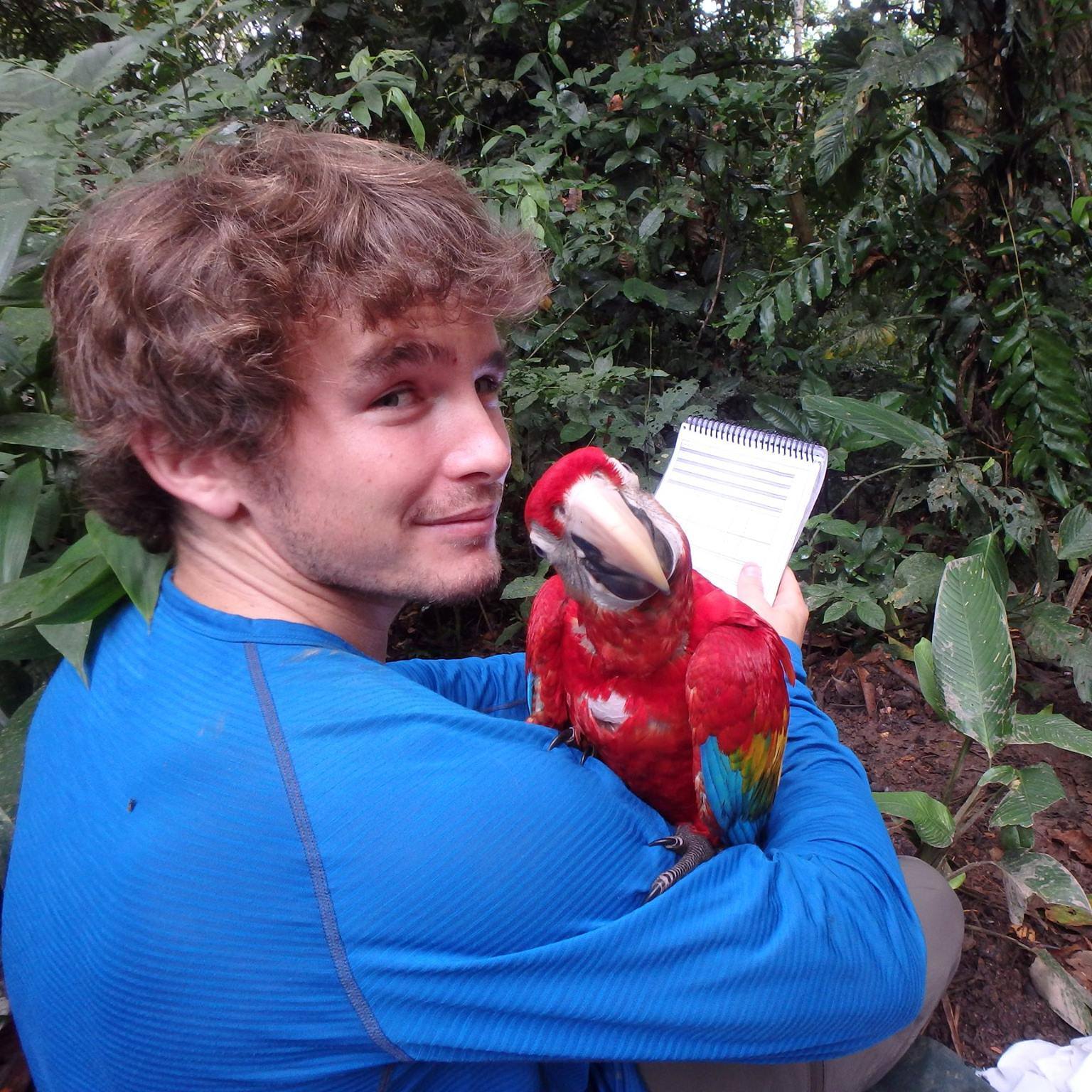
Tom Lloyd
- Postdoctoral Research Fellow, Global Ecosystems
- tom.lloyd@jcu.edu.au
Can parental care behaviour and breeding microhabitat protect Critically Endangered nursery frogs from rising temperatures on Wet Tropics mountaintops? (Old ID 28956)
Nursery frogs are terrestrial breeders with ‘direct development’ and the male stays with the eggs until hatching. While climate change is their biggest threat and their breeding biology of is very poorly known. I will study parental care across Nursery frog species, under varied environmental conditions in the field (low elevation, upland areas, heatwaves, drought) to uncover the details of nest choice and parental care. I will use non-invasive cameras, artificial shelters, and data loggers in natural nesting sites to determine how variation in parental behaviour impacts larval survival and differs between species and microhabitats under different climatic conditions.
Resolving the genetics of adaptation and speciation (Old ID 22899)
The project will greatly assist my career development by increasing my skills and impact in genomic research. Genomic data is currently produced in a process (via next generation sequencing) that results in unordered markers. However the majority can only be resolved with ordered markers (i.e. genes arranged along chromosomes). This project will provide a way to determine the genetic structure that underlies SNPs and other types of genomic data for non-model organisms in order to product ordered markers.
The Development of Procedures for Quantifying Prawn Allergens (Old ID 23528)
There is an increasing prevalence of food allergies world-wide with shellfish being one of the main food groups that provoke serious IgE-mediated adverse reactions. Shellfish allergy affects up to 2% of the world population, with higher prevalence seen in areas with high seafood consumption. Because of the high incidence of allergic reactions to prawns, the study focuses on this highly consumed shellfish species. The major allergenic proteins from prawns will be purified and monoclonal antibodies will be developed against them. These antibodies will be used to establish a sensitive and reproducible ELISA based quantification method for the prawn allergens.
Mitigation of Losses in Qld from Extreme Wind Events (Old ID 24934)
The objective of the project is to investigate and inform on aspects of building doles/standards and implementation to mitigate losses from extreme win events including Cyclones.
Understanding the ecological significance of fisheries-dolphin interactions along the Sindhudurg coast in Maharashtra, India. (Old ID 26602)
I aim to study the ecological significance of interactions between coastal fisheries and Indian Ocean humpback dolphins (Sousa plumbea) along the Sindhudurg coast of Maharashtra, India. I will use a multi-methods approach to record dolphin foraging behaviour and fisher perceptions towards their operational interactions with dolphins. This study will provide key insights on dolphin foraging strategies, space-use and the impact of dolphin interactions on the socio-economics of coastal fisheries to inform a holistic and inclusive conservation management strategy for S. plumbea. This project will be the first in India, to understand how dolphins survive and adapt to a fishery-dominated landscape.
Monitoring of avian influenza in samples collected from aquatic birds in North Queensland (Old ID 26870)
At least 576 fresh faecal samples from wild ducks and magpie geese will be collected as environmental samples in the Townsville region. Swabs in transport media and immediately transported to the laboratory. Samples will be pooled and nucleic acid extracted. The extracted nucleic acid will be screened using assays based on TaqMan that will detect avian influenza. Pools that react will be individually extracted and tested. Avian influenza isolates will be checked using TaqMan specific for H5 and H7. Should the samples react in these assays it will be sent to AAHL for further testing and the CVO will be notified. Sequencing on all isolates other than those reacting in H5 and H7 will be carried out to determine genotype and to confirm pathotype.
Ecological Impact of Antibiotic Resistance Released from the Cleveland Bay Purification Plant using Marine Turtle Species (Old ID 26730)
Cleveland Bay is a grazing ground for turtle species. Cleveland Bay Purification plant (CBPP) treats waste that may contain a variety of antibiotics. This study aims to determine the prevalence and distribution patterns of antibiotic resistant genes in the CBPP effluent and in the immediate receiving environment. Marine turtles in Cleveland Bay will be used to determine the localized impacts of both antibiotics and antibiotic resistant genes as compared to resident turtles from a pristine environment. This study will provide valuable insight into the direct effect that antibiotics and ARG’s in WWTP effluent have on ecological health and ecological risk.
Investigating the pitfalls of bee hotels (Old ID 30046)
Concern for bees among the public has led to the augmentation of habitat for bees including the addition of bee hotels. Bee hotels are often claimed to increase bee diversity and abundance. However, they artificially aggregate nesting sites above densities naturally available for bees, which could lead to increased prevalence of pathogens, viruses and parasitism, and higher predation rates. Properly controlled experiments to investigate these threats are limited, and none have been conducted in the tropics. This project investigates whether the density of nesting spaces in bee hotels affects predation rates and pathogen and parasite prevalence in cavity nesting bees.
Geological characteristics, genesis and ore controlling factors of the Tick Hill Au deposit, Dajarra District, NW Queensland, Australia (Old ID 24727)
The project aims to: 1. investigate and document the geological and geochemical features of the Tick Hill gold deposit, including understanding the structural evolution lmagmaticl history, alteration style andl mineralisation; 2. classify the deposit and improve the understanding of the genesis; 3. identify the factors controlling the locationh and formation of the deposits such as structural architecture, controls of host rocks and intrusions; and 4. discover lmineralogical, textural and geochemical zoning patterns that could gbe used as vectors to ore. A geological model will be developedfor use in exploration targeting.
Organic matter, sodicity and soil structure
- 1998
- Oxford University Press
- Researchers:Paul Nelson
Start Date:
01 Jan 2018
End Date:
01 Jan 2018
Start Date:
14 Jun 2023
Start Date:
01 Jan 2013
End Date:
01 Jan 2016
Start Date:
01 Jan 2013
End Date:
01 Jan 2016
Title:
Postdoctoral Research Fellow, ARC Centre of Excellence for Coral Reef Studies, James Cook University
Start Date:
01 Jan 2012
End Date:
01 Jan 2013
Start Date:
01 Jan 2023
End Date:
01 Jan 2026
Start Date:
01 Jan 2024
End Date:
01 Jan 2025
Start Date:
01 Jan 2025
End Date:
01 Jan 2026
Start Date:
13 Jul 2024
Start Date:
03 Aug 2024