
College of Science & Engineering

Sophia Love
- Doctor of Philosophy (Natural and Physical Sciences)
- sophie.love@jcu.edu.au

Romain Vaucher
- Senior Lecturer, Sedimentology
- romain.vaucher@jcu.edu.au

Jenny Fisher
- Associate Dean, Learning and Teaching
- jenny.fisher@jcu.edu.au

Ambili Narayanan
- Doctor of Philosophy (Natural and Physical Sciences)
- ambili.narayanan@my.jcu.edu.au

Sarfaraz Ali
- Postdoctoral Research Fellow
- sarfaraz.ali@jcu.edu.au

Mikaeylah Davidson
- Postdoctoral Research Fellow
- mikaeylah.davidson@jcu.edu.au

Liuxin Chen
- Lecturer
- liuxin.chen@jcu.edu.au

Rafael Cabral Carvalho
- Lecturer, Marine Geoscience
- rafael.cabralcarvalho@jcu.edu.au
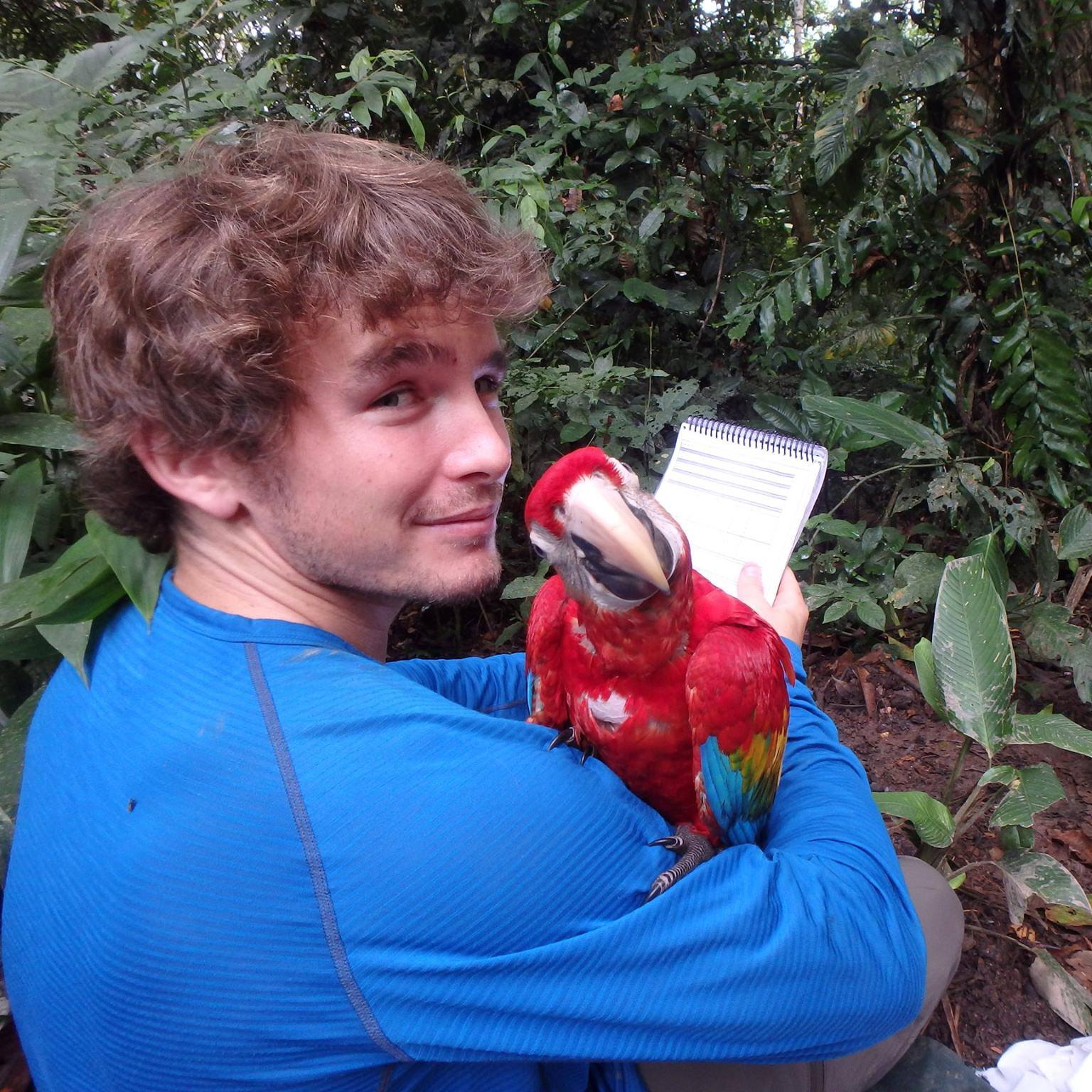
Tom Lloyd
- Postdoctoral Research Fellow, Global Ecosystems
- tom.lloyd@jcu.edu.au
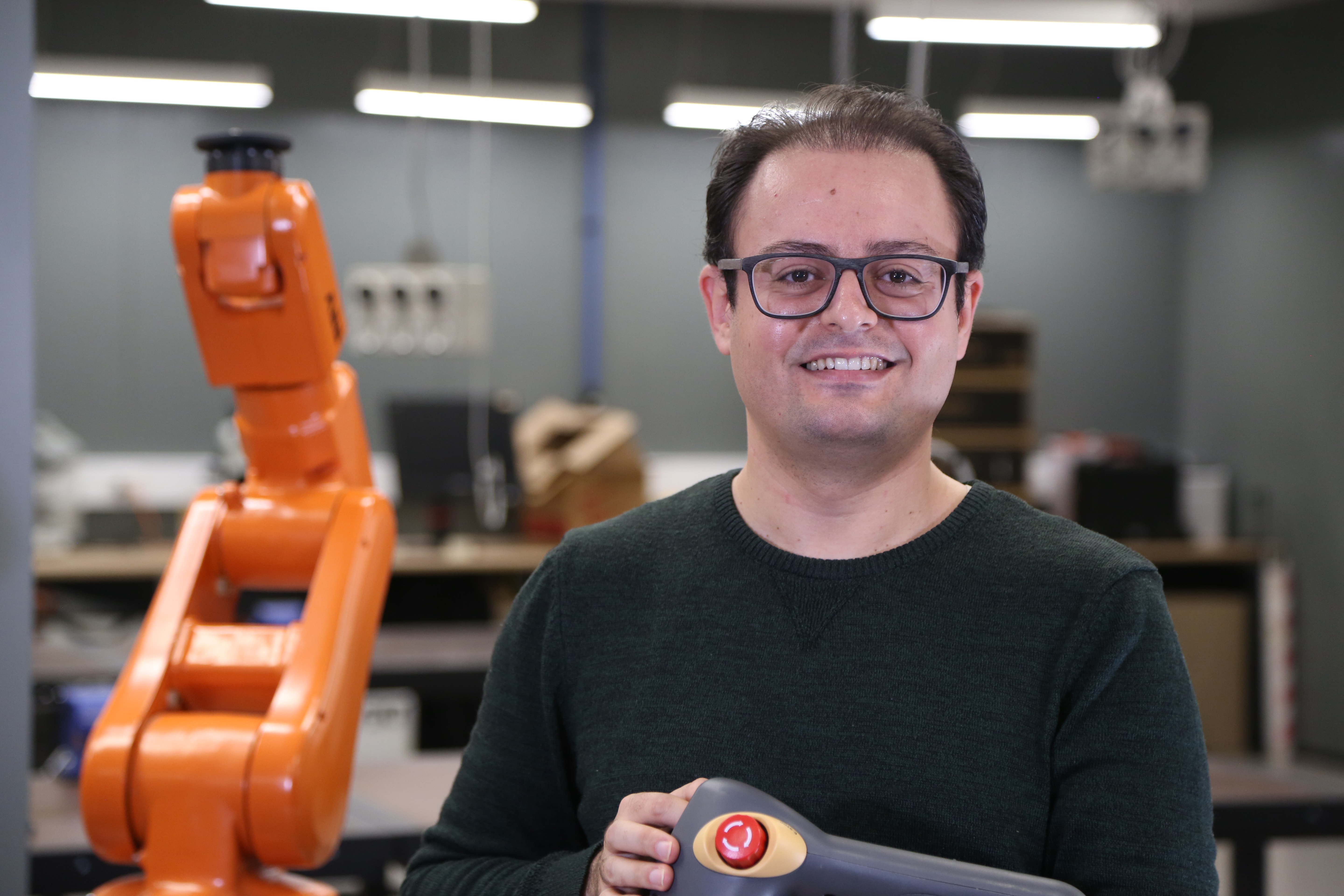
Mohamadreza Chalak Qazani
- Lecturer, Mechanical Engineering
- mohamadreza.chalakqazani@jcu.edu.au
Effect of pre-calving supplementation and yeast culture on colostrun secretion, calf health and growth (Old ID 26323)
John Cavalieri
15 Nov 2018 - 15 Apr 2019
It is estimated that one million calves die in Australia every year. Between mid-pregnancy and weaning, two-thirds of losses occur within a week of birth. Cows can take several days to achieve full lactation, leaving their calves vulnerable to dehydrate and die when environmental conditions are hot. Poor nutrition during late pregancy may cause hormonal imbalances and inadequate production of colostrum resulting in inadequate transfer of passive immunity to calves and increase calf loss. It is expected that supplemented cows will have better transfer of immunoglobulins to the mammary gland, leading to greater colustrum secretion and quality improving calf health.
AEA Ignite - Gold Barramundi
Dave Jones
11 Feb 2026 - 10 Jul 2027
CRISPR gene editing is changing global food production by providing new ways to improve growth, quality, and sustainability. As these technologies progress worldwide, and as Australian regulations evolve to support their safe use, the country has an opportunity to build capability now and position itself as a leader in sustainable seafood production.
This project focuses on barramundi, an iconic Australian fish and an important contributor to the national seafood industry. A key challenge for farmers is unwanted greying of fillets caused by melanin pigments, which reduces product value. Consumers prefer white fillets, which attract premium prices in both domestic and export markets.
Building on proof-of-concept research at James Cook University (JCU), we will refine CRISPR editing protocols targeting two genes: tyrp (to reduce melanin) and mstn (to improve muscle growth and yield). In partnership with Mainstream Aquaculture, the world’s largest supplier of barramundi fingerlings, we will also develop a small-scale hatchery and nursery system to rear and assess edited fish under controlled, industry-relevant conditions.
Within 12 months, the project will deliver a validated workflow alongside new operating procedures and performance benchmarks. These outcomes will support the production of whiter, higher-value fillets and help future-proof Australian aquaculture as precision breeding becomes central to global seafood production.
AEA Ignite - Gold Barramundi
Roberta Marcoli
11 Feb 2026 - 10 Jul 2027
CRISPR gene editing is changing global food production by providing new ways to improve growth, quality, and sustainability. As these technologies progress worldwide, and as Australian regulations evolve to support their safe use, the country has an opportunity to build capability now and position itself as a leader in sustainable seafood production.
This project focuses on barramundi, an iconic Australian fish and an important contributor to the national seafood industry. A key challenge for farmers is unwanted greying of fillets caused by melanin pigments, which reduces product value. Consumers prefer white fillets, which attract premium prices in both domestic and export markets.
Building on proof-of-concept research at James Cook University (JCU), we will refine CRISPR editing protocols targeting two genes: tyrp (to reduce melanin) and mstn (to improve muscle growth and yield). In partnership with Mainstream Aquaculture, the world’s largest supplier of barramundi fingerlings, we will also develop a small-scale hatchery and nursery system to rear and assess edited fish under controlled, industry-relevant conditions.
Within 12 months, the project will deliver a validated workflow alongside new operating procedures and performance benchmarks. These outcomes will support the production of whiter, higher-value fillets and help future-proof Australian aquaculture as precision breeding becomes central to global seafood production.
Scoping land use conversion options for high DIN risk, low-lying sugarcane areas in Burdekin and Mackay Whitsunday region (Old ID 26454)
Nathan Waltham
01 Jan 2019 - 01 Sep 2020
Water Quality Improvement Plans for most NRMs in the Great Barrier Reef catchments recognise that complete adoption of sugarcane best management practices will still not be sufficient to achieve the nitrogen load reductions required to meet the Great Barrier Reef Water Quality Guidelines. Thus additional options need to be considered like transitioning agricultural land to other uses. Here we aim to i) identify possible alternate land uses in coastal low-lying land, that has a high DIN loss; ii) quantify the economic costs of changing land use, and market mechanisms to incentivise this transition; and iii) explore benefits of land transition.
AEA Ignite - Gold Barramundi
Jarrod Guppy
11 Feb 2026 - 10 Jul 2027
CRISPR gene editing is changing global food production by providing new ways to improve growth, quality, and sustainability. As these technologies progress worldwide, and as Australian regulations evolve to support their safe use, the country has an opportunity to build capability now and position itself as a leader in sustainable seafood production.
This project focuses on barramundi, an iconic Australian fish and an important contributor to the national seafood industry. A key challenge for farmers is unwanted greying of fillets caused by melanin pigments, which reduces product value. Consumers prefer white fillets, which attract premium prices in both domestic and export markets.
Building on proof-of-concept research at James Cook University (JCU), we will refine CRISPR editing protocols targeting two genes: tyrp (to reduce melanin) and mstn (to improve muscle growth and yield). In partnership with Mainstream Aquaculture, the world’s largest supplier of barramundi fingerlings, we will also develop a small-scale hatchery and nursery system to rear and assess edited fish under controlled, industry-relevant conditions.
Within 12 months, the project will deliver a validated workflow alongside new operating procedures and performance benchmarks. These outcomes will support the production of whiter, higher-value fillets and help future-proof Australian aquaculture as precision breeding becomes central to global seafood production.
Increasing efficiency and effectiveness of CoTS culling at low densities
Peter Doll
15 Oct 2025 - 26 Feb 2027
This study capitalises on the demonstrated utility of Scooter Assisted Large Area Diver-based (SALAD) surveys in areas with low densities of crown-of-thorns starfish (CoTS) to adapt culling procedures. This will greatly increase efficiency of culling in areas with CoTS densities (e.g., to contain emerging outbreaks).
Applying new image recognition techniques for automatic detection and spraying of Harrisia cactus (Old ID 26461)
Mostafa Rahimi Azghadi
01 Jul 2019 - 31 Oct 2021
harrisia cactus is a significant rangeland weed in Queensland and bnorthern NSW. It competes against native species, inhibits stock accdess and endangers wildlife. JCU have developed image recognition software to identify Harrisia cactus in pasture; which has been deployed on a prototype robotic platform for selective spot spraying. This proect will see the development of a new spraying unit incorporating JCU's developed technology with a vehicle provided by Warrakirri Cropping. The unit will then be used to treat 500 ha of infested pasture at Warrakirri's "Willaroo" property. Its performance will be compared to traditional methods and showcased to local landholders.
CoTS responses to elevated temperature and bleaching
Peter Doll
15 Oct 2025 - 26 Feb 2027
This study combines laboratory experiments and field surveys to assess how changing environmental and habitat conditions will affect crown-of-thorns starfish (CoTS). More specifically, this study will examine behavioural responses of CoTS to temperature (e.g., assessing whether feeding is suppressed), as well as feeding preferences for bleached versus unbleached corals.
Developing Core Bioinformatics Capacity at the Australian Institute of Tropical Health and Medicine (Old ID 23197)
Matt Field
01 Jan 2018 - 31 Dec 2021
Cost effective next generation sequencing is now a reality, meaning the bottleneck for research projects has shifted from data generation to data analysis. Researchers at the Australian Institute of Health and Tropical Medicine (AITHM) are engaged in an increasing number of high-impact research projects that require timely access to high-throughput bioinformatics best-practices methodologies. This proposal outlines strategies to develop support for projects requiring bioinformatics within AITHM.
An investigation of multiple paternity in the endangered narrow sawfish, Anoxypristis cuspidata (Old ID 23312)
Jan Strugnell
28 Nov 2017 - 31 Dec 2018
This genetics-based project will investigate multiple paternity in the endangered narrow sawfish for the first time. Sawfishes are arguably the most vulnerable of all marine fishes. Despite this, most aspects of their ecology and reproductive behaviour are poorly understood. A bycatch event of 25 pregnant females in Princess Charlotte Bay has provided a rare opportunity to explore multiple paternity in this species across a large number of litters. Using neutral molecular markers (microsatellites), this study will fill an important knowledge gap and provide information critical to effective conservation and management of this endangered species.
Organic matter, sodicity and soil structure
- 1998
- Oxford University Press
- Researchers:Paul Nelson
Argument free clustering via boundary extraction for massive point-data Sets
- 2002
- Researchers:Ickjai Lee
Start Date:
01 Jan 2015
Start Date:
01 Jan 2016
End Date:
01 Jan 2018
Start Date:
01 Jan 2006
End Date:
01 Jan 2006
Start Date:
01 Jan 2000
End Date:
01 Jan 2003
Start Date:
01 Jan 2010
Title:
Reperio Innovation Award
Start Date:
01 Jan 2018
Title:
IEEE
Start Date:
01 Jan 2023
Start Date:
01 Jan 2021
End Date:
01 Jan 2024
Start Date:
01 Jan 2018
End Date:
01 Jan 2021