
College of Science & Engineering

Sophia Love
- Doctor of Philosophy (Natural and Physical Sciences)
- sophie.love@jcu.edu.au
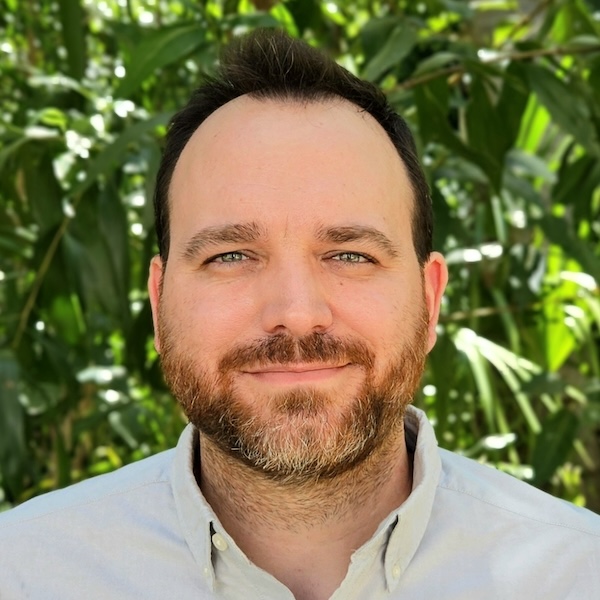
Romain Vaucher
- Senior Lecturer, Sedimentology
- romain.vaucher@jcu.edu.au

Jenny Fisher
- Associate Dean, Learning and Teaching
- jenny.fisher@jcu.edu.au

Ambili Narayanan
- Doctor of Philosophy (Natural and Physical Sciences)
- ambili.narayanan@my.jcu.edu.au

Sarfaraz Ali
- Postdoctoral Research Fellow
- sarfaraz.ali@jcu.edu.au

Mikaeylah Davidson
- Postdoctoral Research Fellow
- mikaeylah.davidson@jcu.edu.au

Liuxin Chen
- Lecturer
- liuxin.chen@jcu.edu.au

Rafael Cabral Carvalho
- Lecturer, Marine Geoscience
- rafael.cabralcarvalho@jcu.edu.au
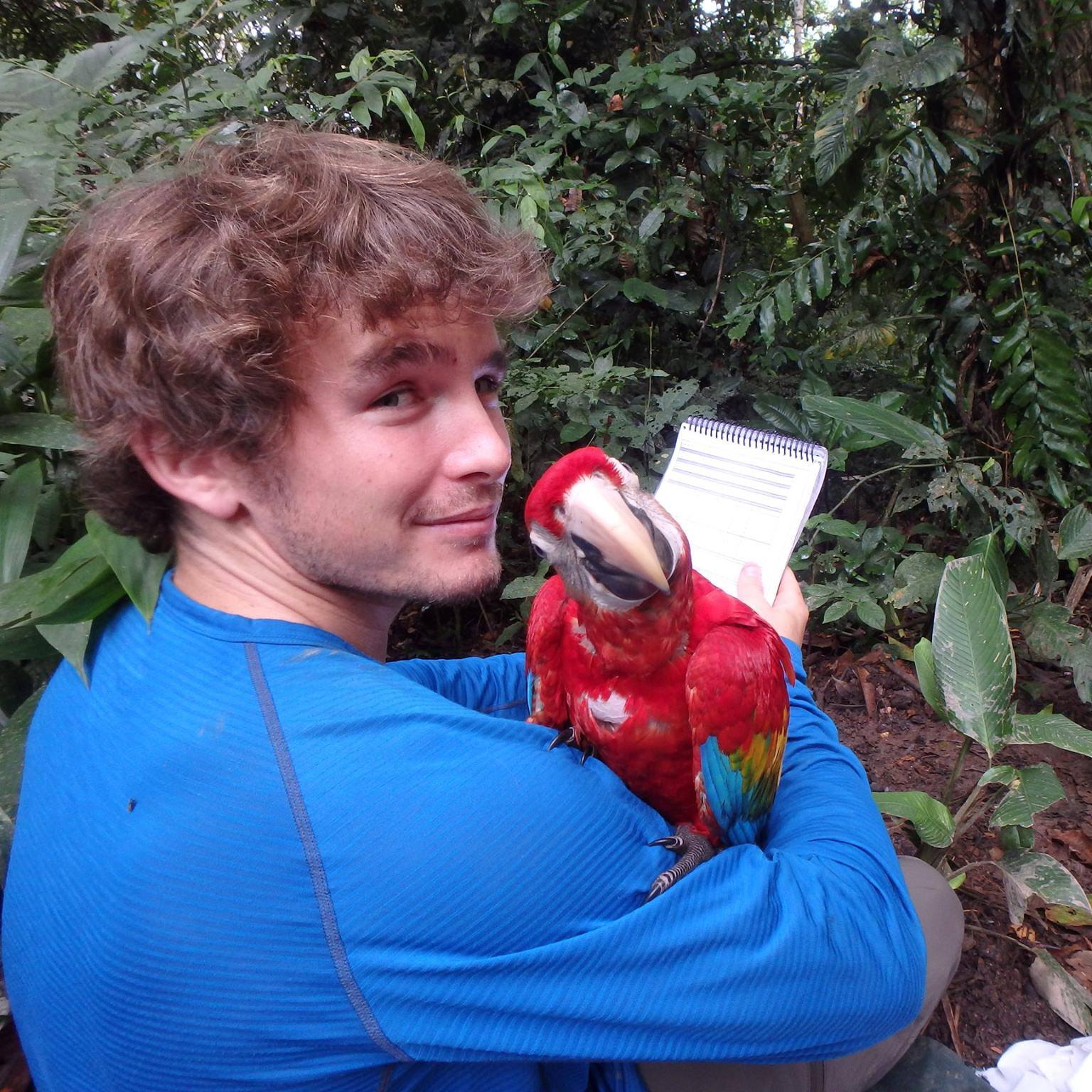
Tom Lloyd
- Postdoctoral Research Fellow, Global Ecosystems
- tom.lloyd@jcu.edu.au
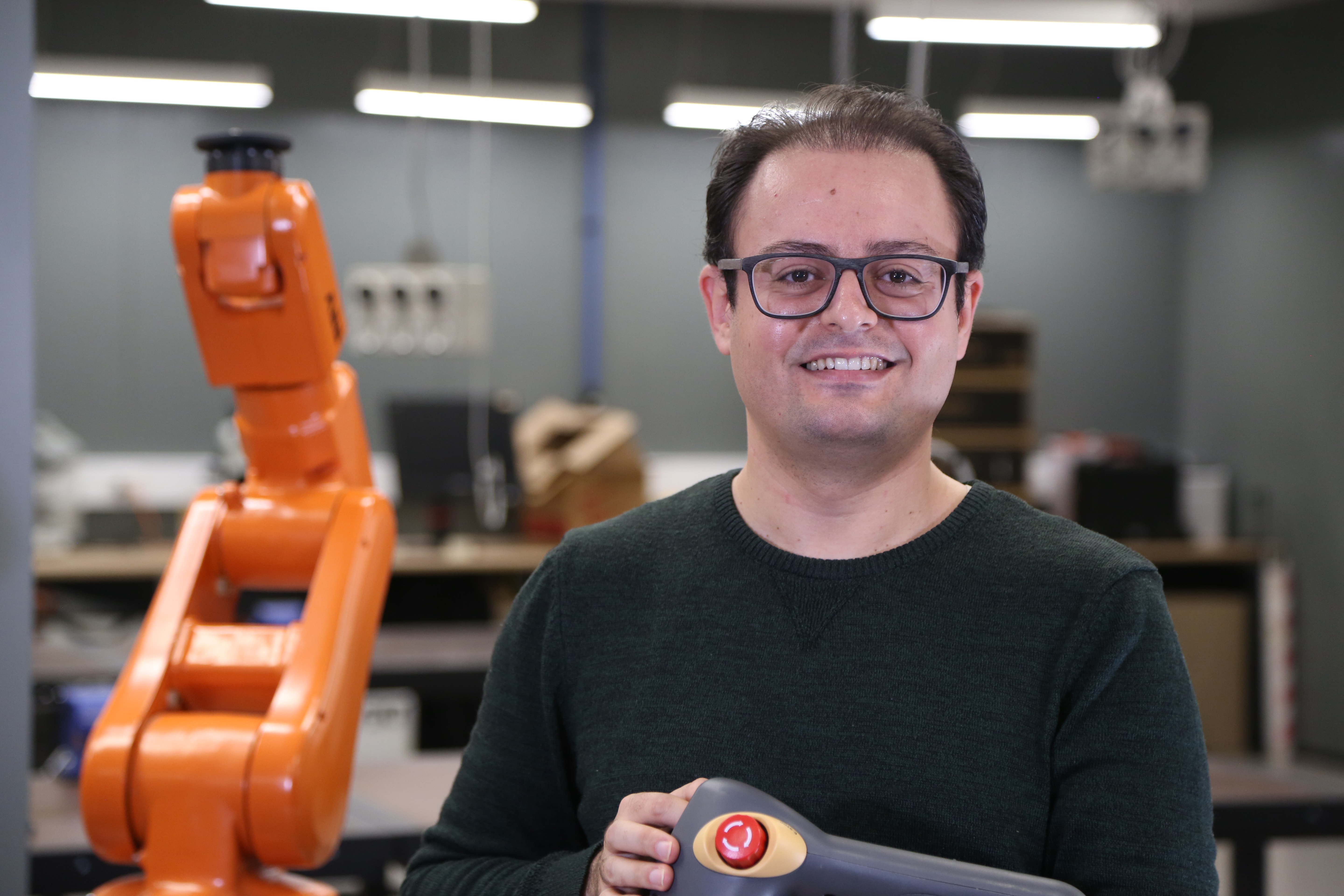
Mohamadreza Chalak Qazani
- Lecturer, Mechanical Engineering
- mohamadreza.chalakqazani@jcu.edu.au
An integrated multi-omics approach to expedite diagnosis and management of inborn errors of immunity
Matt Field
01 Jan 2024 - 01 Jan 2028
Australia wide grant to develop national program to identify and manage nborn errors of immunity using multi-omic techologies
Transforming clinical pathways for abdominal aortic aneurysm through use of blood and imaging biomarkers
Matt Field
01 Jan 2023 - 01 Jan 2026
Transforming clinical pathways for abdominal aortic aneurysm through use of blood and imaging biomarkers
Fusion of wearable and environmental sensors for remote monitoring of health and wellbeing in elderly populations
This project is funded by the Northern Australia Regional Digital Health Collaborative (NARDHC). This project aims to develop a smart home health monitoring prototype that improves upon existing technology by fusing information from multiple sensors. The proposed system will use non-invasive wearable sensors, non-contact mmWave technology, and artificial intelligence to monitor key vital signs, physical activity, stress, fatigue, and environmental conditions. The goal of this project is to prototype a comprehensive system for monitoring health and wellbeing in rural and remote Australia, with particular focus on elderly persons
Machine Learning Method for Measuring Blood Pressure and Monitoring Renal Perfusion Non-Invasively in the Neonatal Intensive Care Unit
This project firstly aims to develop machine learning algorithms capable of continuously monitoring blood pressure in babies born very preterm, using heart activity waveforms obtained from low-cost and non-invasive photoplethysmogram and electrocardiogram sensors. The second aim is the development of machine learning algorithms for early identification of acute kidney injury risk and early diagnosis when it does occur. It is expected that this work will provide non-invasive alternatives for measuring key neonatal health parameters, in turn leading to improved patient outcomes. This This work also has significant potential to support critical care in low-resource and remote areas.
A mobile app and dashboard for effective management of early-stage chronic kidney disease
This project is funded by the Northern Australia Regional Digital Health Collaborative (NARDHC). The incidence and prevalence of chronic kidney disease (CKD) varies globally, and people in the lowest socioeconomic quartile have a 60% higher risk of progressive CKD. This project aims to develop a mobile app that detects vulnerable individuals who are at risk of deterioration in renal function and are needing intervention, while also allowing monitoring and appropriate education to those who are progressing steadily. The expected outcome is a novel mobiele analytic app that can improve the management of CKD patients in rural and remote areas for better health outcomes and planning.
Development of a machine learning tool for gap-filling cloudy satellite data for use in environmental science application
In this project, we developed an artificial intelligence tool for gap filling sea-surface temperatures in cloud-affected data. The results are now published in IEEE Transactions on Geoscience and Remote Sensing (IF: 8.2 in 2024)
Do you see what I see? Developing responsible Artificial Intelligences that explain their decisions in a manner consistent with human attention
In this project, I am developing a novel method for evaluating explainable AI methods that is based on how humans pay attention to images. This will assist future researchers in benchmarking new explainable AI tools.
ARC Industrial Transformation Training Centre in Plant Biosecurity
Lori Lach
01 Aug 2024 - 30 Aug 2029
The Biosecurity Training Centre aims to deliver a solution for Australia’s increasing biosecurity risk through generational change in its workforce coupled with breakthrough technologies. It will launch an innovative training program for future leaders who will build relationships with end users and engage meaningfully with communities for effective implementation strategies. The Centre will provide data-driven systems, behavioural change for adoption and authentic industry engagement. This suite of graduates and technologies will transform the biosecurity sector and protect Australia’s critical agricultural industries.
Eco-evolutionary dynamics and the maintenance of organismal diversity
Megan Higgie
03 Jun 2024 - 31 Dec 2025
This project is a collaboration Megan Higgie at JCU and Jan Hrcek of the Czech Academy of Sciences. It is funded by a European Research Council Consolidator Grant (2024-2028) to Jan Hrcek, with Megan Higgie as a named collaborator: the project looks at rapid evolution in species interactions between Drosophila and parasitoid wasp species investigating the mechanisms involved in the maintenance of diversity in communities and variation in populations of tropical rainforests.
Australian tropical rainforests in the face of climate change
Lucas Cernusak
01 Jul 2024 - 31 Dec 2026
This project aims to investigate the roles of increasing atmospheric water stress and rising carbon dioxide in driving changes in tree performance and species composition in Australian tropical rainforests. Forest census plots indicate increasing tree mortality, but the mechanisms through which this is occurring are unknown. Experiments will be conducted to unravel the underlying physiological processes. Community-level behaviour will be investigated with eddy covariance and remotely sensed data. The project expects to generate new knowledge about responses of Australian tropical rainforests to climate change. The expected outcome is an enhanced capacity to understand and manage a unique and highly valued component of the Australian forest estate.
Organic matter, sodicity and soil structure
- 1998
- Oxford University Press
- Researchers:Paul Nelson
Argument free clustering via boundary extraction for massive point-data Sets
- 2002
- Researchers:Ickjai Lee
Start Date:
01 Jan 2019
End Date:
01 Jan 2023
Start Date:
01 Jan 2000
Start Date:
01 Jan 2000
Start Date:
01 Jan 1999
Start Date:
01 Jan 1998
Start Date:
01 Jan 1997
Start Date:
01 Jan 1996
Start Date:
01 Jan 1993
Start Date:
01 Jan 2008
Start Date:
01 Jan 1998