
College of Science & Engineering

Sophia Love
- Doctor of Philosophy (Natural and Physical Sciences)
- sophie.love@jcu.edu.au

Romain Vaucher
- Senior Lecturer, Sedimentology
- romain.vaucher@jcu.edu.au

Jenny Fisher
- Associate Dean, Learning and Teaching
- jenny.fisher@jcu.edu.au

Ambili Narayanan
- Doctor of Philosophy (Natural and Physical Sciences)
- ambili.narayanan@my.jcu.edu.au

Sarfaraz Ali
- Postdoctoral Research Fellow
- sarfaraz.ali@jcu.edu.au

Mikaeylah Davidson
- Postdoctoral Research Fellow
- mikaeylah.davidson@jcu.edu.au

Liuxin Chen
- Lecturer
- liuxin.chen@jcu.edu.au

Rafael Cabral Carvalho
- Lecturer, Marine Geoscience
- rafael.cabralcarvalho@jcu.edu.au
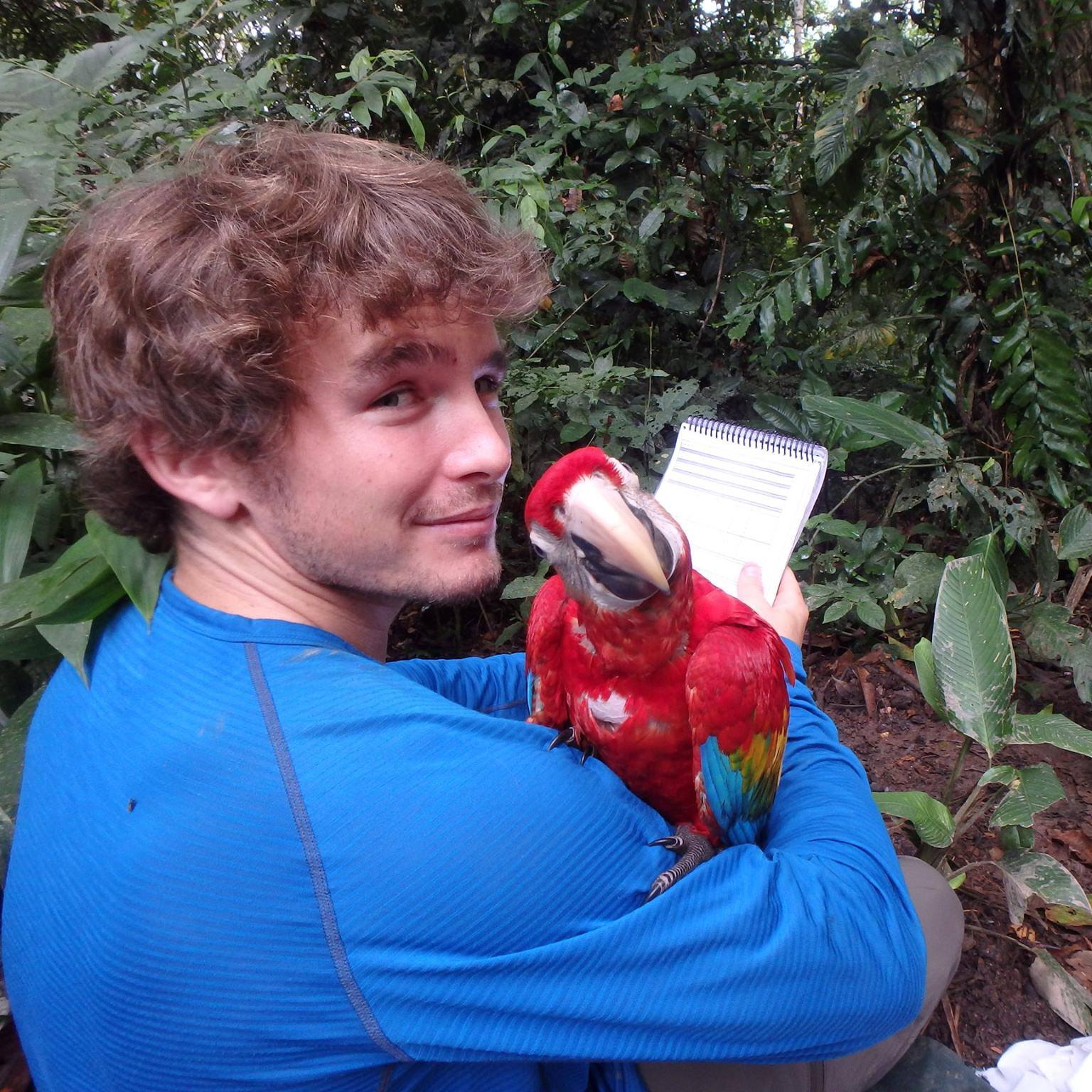
Tom Lloyd
- Postdoctoral Research Fellow, Global Ecosystems
- tom.lloyd@jcu.edu.au
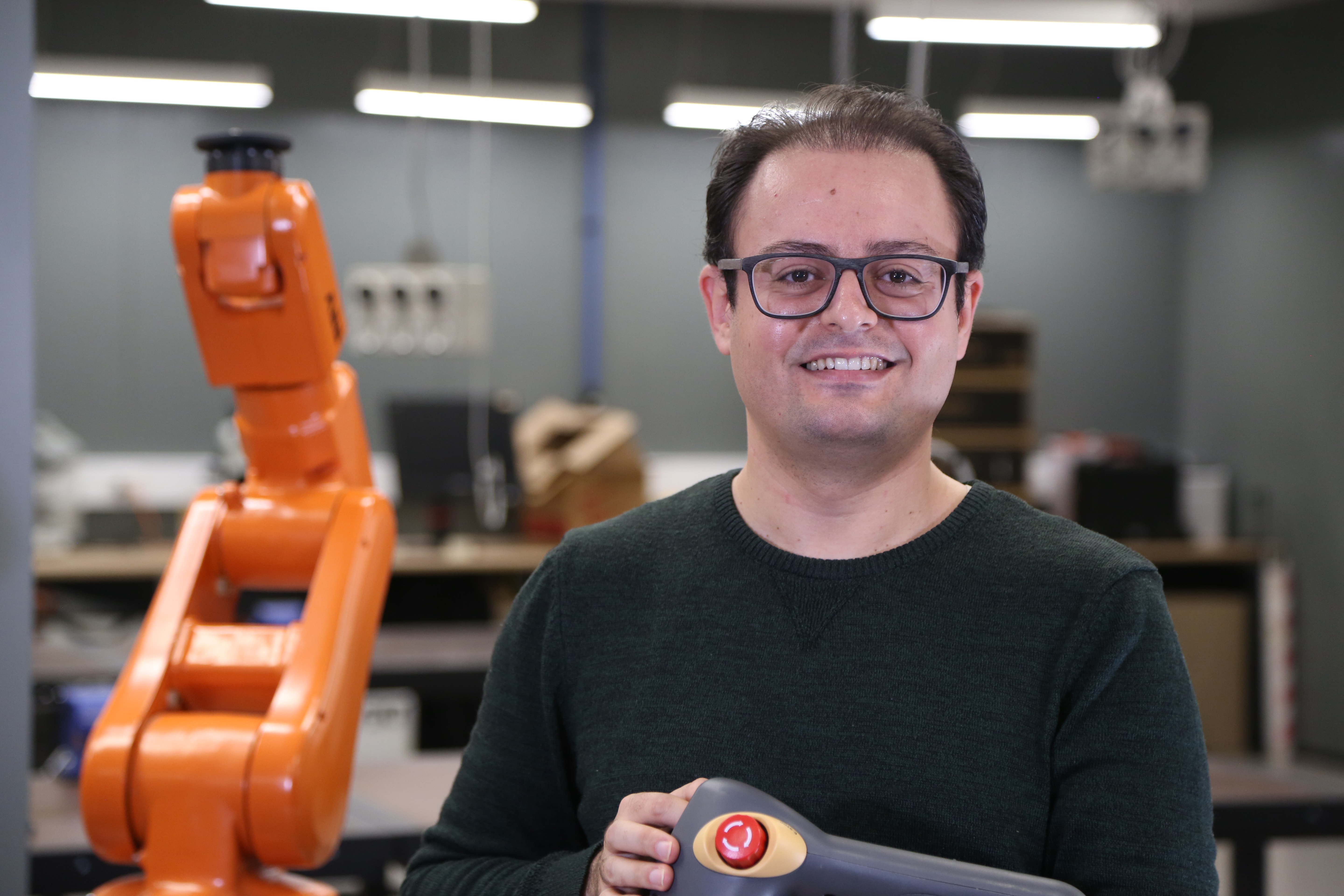
Mohamadreza Chalak Qazani
- Lecturer, Mechanical Engineering
- mohamadreza.chalakqazani@jcu.edu.au
Processes and patterns in larval settlement of crown-of-thorns starfish (Acanthaster cf. solaris)
Peter Doll
30 Mar 2020 - 06 Aug 2023
JCU Postgraduate Research Scholarship 2020-2023 (stipend & fees)
Ecological Impact of Antibiotic Resistance Released from the Cleveland Bay Purification Plant using Marine Turtle Species (Old ID 26730)
Robert Kinobe
31 Jan 2020 - 31 Jan 2023
Cleveland Bay is a grazing ground for turtle species. Cleveland Bay Purification plant (CBPP) treats waste that may contain a variety of antibiotics. This study aims to determine the prevalence and distribution patterns of antibiotic resistant genes in the CBPP effluent and in the immediate receiving environment.
Genotyping Australian Cats for ABCB1 Gene Mutation: Implications for Drug Sensitivity and Veterinary Pharmacogenomics
Robert Kinobe
30 Mar 2024 - 30 Mar 2025
The aim of this research is to determine the existence of the ABCB1 gene mutation in Australian domestic cats and its potential effect on drug induced toxicity. The ABCB1 gene encodes for P-glycoprotein, a membrane transporter that affects the absorption, tissue distribution, and elimination of many clinically used drugs. In the brain, this protein contributes to a blood-brain barrier that safeguards animals from chemical induced neurotoxicity. In dogs and cats, specific mutations in the ABCB1 gene introduce premature stop codons which disrupt the biosynthesis of this protein. These mutations are associated with increased drug movement into the brain, and increased susceptibility to drug induced adverse reactions. In North America, approximately 5% of domestic cats carry the ABCB1 gene mutation but its prevalence in Australian cats is not known. Our primary objective is to determine the frequency of ABCB1 gene mutation in Australian cats presenting with drug-induced neurologic toxicity. This information will be essential for improving drug safety in domestic cats.
New Colombo Plan Mobility Grant - China Chemistry Practicum and Research
Yang Liu
01 Jan 2024 - 31 Dec 2025
Enhancing learning management systems to support online learning using academagogy
Kranthi Addanki
22 Jul 2019 - 17 Mar 2024
JCU HDR student
Genotyping Australian Cats for ABCB1 Gene Mutation: Implications for Drug Sensitivity and Veterinary Pharmacogenomics
Robert Kinobe
30 Mar 2024 - 30 Dec 2026
The aim of this research is to determine the existence of the ABCB1 gene mutation in Australian domestic cats and its potential effect on drug induced toxicity. The ABCB1 gene encodes for P-glycoprotein, a membrane transporter that affects the absorption, tissue distribution, and elimination of many clinically used drugs. In the brain, this protein contributes to a blood-brain barrier that safeguards animals from chemical induced neurotoxicity. In dogs and cats, specific mutations in the ABCB1 gene introduce premature stop codons which disrupt the biosynthesis of this protein. These mutations are associated with increased drug movement into the brain, and increased susceptibility to drug induced adverse reactions. In North America, approximately 5% of domestic cats carry the ABCB1 gene mutation but its prevalence in Australian cats is not known. Our primary objective is to determine the frequency of ABCB1 gene mutation in Australian cats presenting with drug-induced neurologic toxicity. This information will be essential for improving drug safety in domestic cats.
Reducing impacts of threatened, endangered, and protected species in the Queensland East Coast Otter Trawl Fishery
Naomi Gardiner
01 Jul 2024 - 10 Apr 2026
This project collaboration with QLD Department of Agriculture and Fisheries (DAF) seeks to reduce the impacts of trawl fisheries on marine species of concern in Queensland. In particular sea snakes, sharks and rays. The objective of the JCU part of the program is to develop and trial (1) a crew member observer program (CMOP) and, (2) training in safe handling practices of seasnakes.
Optimising Transmission Grid Planning and Operations in North Queensland
Jiajia Yang
21 Jun 2024 - 01 Jan 2027
The power sector is transitioning from fossil fuels to renewables, emphasizing decentralized systems. Meeting rising renewable energy demands necessitates enhanced operational flexibility. This project focuses on optimizing planning and operations for transmission grids, particularly in North Queensland. The goal is to boost overall power system efficiency by intelligently integrating renewables. Anticipated outcomes include cost-effective planning, flexible grid operations, advanced forecasting, renewables integration modeling, and improved Distributed Energy Resources (DER) visibility. These achievements align with Powerlink's contributions to the Queensland Energy and Jobs Plan and the transformative Copper String Project, aiming to provide clean, reliable, and affordable energy for generations.
An evaluation of the chemical composition and invitro methane production of novel legumes and a plant bi-product
Saranika Talukder
01 Jul 2024 - 31 Dec 2025
Our proposed research aims to explore novel tropical plants, with a particular focus on legumes, and their in vitro fermentability, methane production, and chemical composition. Through the evaluation of various leguminous pasture plants and plant products, our goal is to pinpoint those with the potential to mitigate methane production in northern livestock. This preliminary investigation will position us favourably to pursue larger, more comprehensive grant opportunities through Australian Government and industry funding bodies. The project will produce impactful publications and scientific insights into in vitro research, and the nutritional profiles of investigated legumes and plant products. With global warming and greenhouse gas emissions at the forefront for both government and industry priorities, ongoing interest in research within these fields guarantees continued opportunities for larger project calls and the expansion of related research capacity at JCU.
Rare earth corrosion inhibitors in hydrogen production and storage systems
Peter Junk
01 Jul 2024 - 30 Jun 2025
This project is an internally funded project for a near miss ARC Discovery Grant, which was within 10% of those who missed.
This project addresses corrosion and embrittlement of steel in hydrogen storage facilities, a new dimension in the world-wide multi-trillion dollar problem of the corrosion of steel. With the emerging hydrogen economy, new infrastructure for hydrogen storage will need to be constructed. It has been recently found that hydrogen gas can decompose to hydrogen atoms on the surface of the steel on the inner lining of storage vessels, and impregnate the infrastructure, and therefore compromising the integrity of the high pressure storage vessels.
Defects in hydrogen storage facilities can therefore lead to catastrophic failure of hydrogen energy infrastructure.
The project will enhance the capacity of rare earth carboxylate corrosion inhibitors, which are an inexpensive and green solution, to mitigate both corrosion and hydrogen embrittlement of steel, and provide an understanding of the protection process. The benefits of this project will ultimately be a new bulk use for Australia’s abundant rare earth resources and new chemical manufacturing to produce the inhibitors.
The project aligns with JCU’s major theme of “Industries and economies in the tropics” particularly relevant with the proposed Townsville Region Hydrogen Hub, a $70M Australian Government investment. Furthermore, the rare earth metals are classified as critical metals, and the project aligns with the Critical Metals Trailblazer project.
The project requires bulk amounts of corrosion inhibitors for assessment. The most expensive items are lanthanoid salts (all REs required) for the synthesis of lanthanoid carboxylates. Listed costs for rare earth chlorides and nitrates follow as examples, but carbonates and acetates are required for optimising procedures. The metal costs are (quotes are for the least expensive to most expensive chlorides and nitrates): lanthanoid chlorides range from $209/100g for CeCl3 to $1580/5g for ScCl3 while nitrates are $127/100g for Ce(NO3)3 to $975/5g for Sc(NO3)3. For optimum inhibitor systems, all 16 rare earths will need to be. For brevity, we do not quote all prices here, but chlorides total ca $5800, while nitrates total ca $4400. Organic supporting ligands are estimated to cost ca. $3,000. Analysis costs are included below. Travel to Melbourne is planned to meet with our Monash and Deakin collaborators to draft the next grant proposal.
Organic matter, sodicity and soil structure
- 1998
- Oxford University Press
- Researchers:Paul Nelson
Argument free clustering via boundary extraction for massive point-data Sets
- 2002
- Researchers:Ickjai Lee
Start Date:
01 Jan 2016
Start Date:
01 Jan 2017
Title:
Assessment and Examination Committee, Marine Science Program, National University of Malaysia
Start Date:
01 Jan 2011
End Date:
01 Jan 2022
Start Date:
01 Jan 2013
End Date:
01 Jan 2017
Start Date:
01 Jan 2010
End Date:
01 Jan 2011
Start Date:
01 Jan 2000
End Date:
01 Jan 2003
Title:
Adjunct Fellow, School of Geography, Planning & Environmental Management, University of Queensland
Start Date:
01 Jan 2015
Start Date:
01 Jan 2012