
College of Science & Engineering

Sophia Love
- Doctor of Philosophy (Natural and Physical Sciences)
- sophie.love@jcu.edu.au
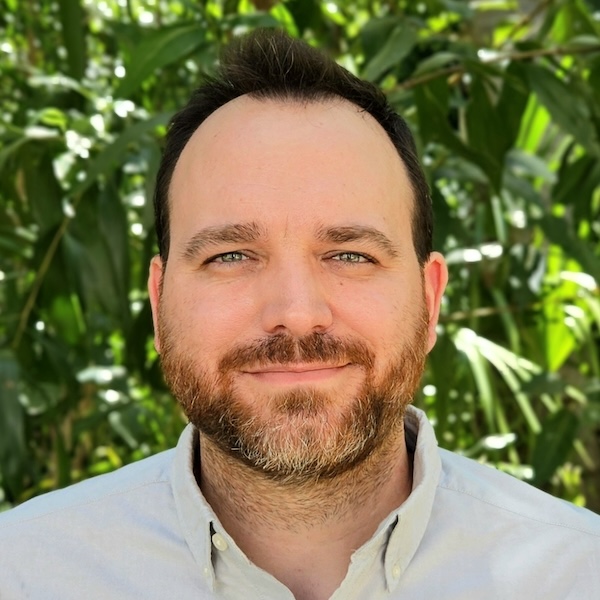
Romain Vaucher
- Senior Lecturer, Sedimentology
- romain.vaucher@jcu.edu.au
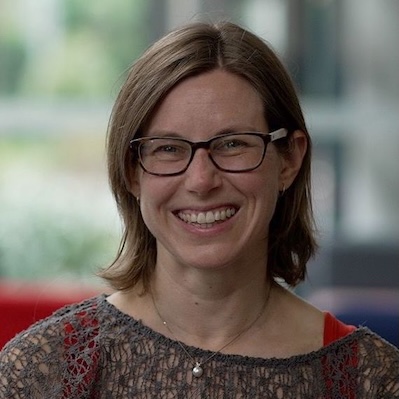
Jenny Fisher
- Associate Dean, Learning and Teaching
- jenny.fisher@jcu.edu.au

Ambili Narayanan
- Doctor of Philosophy (Natural and Physical Sciences)
- ambili.narayanan@my.jcu.edu.au

Sarfaraz Ali
- Postdoctoral Research Fellow
- sarfaraz.ali@jcu.edu.au
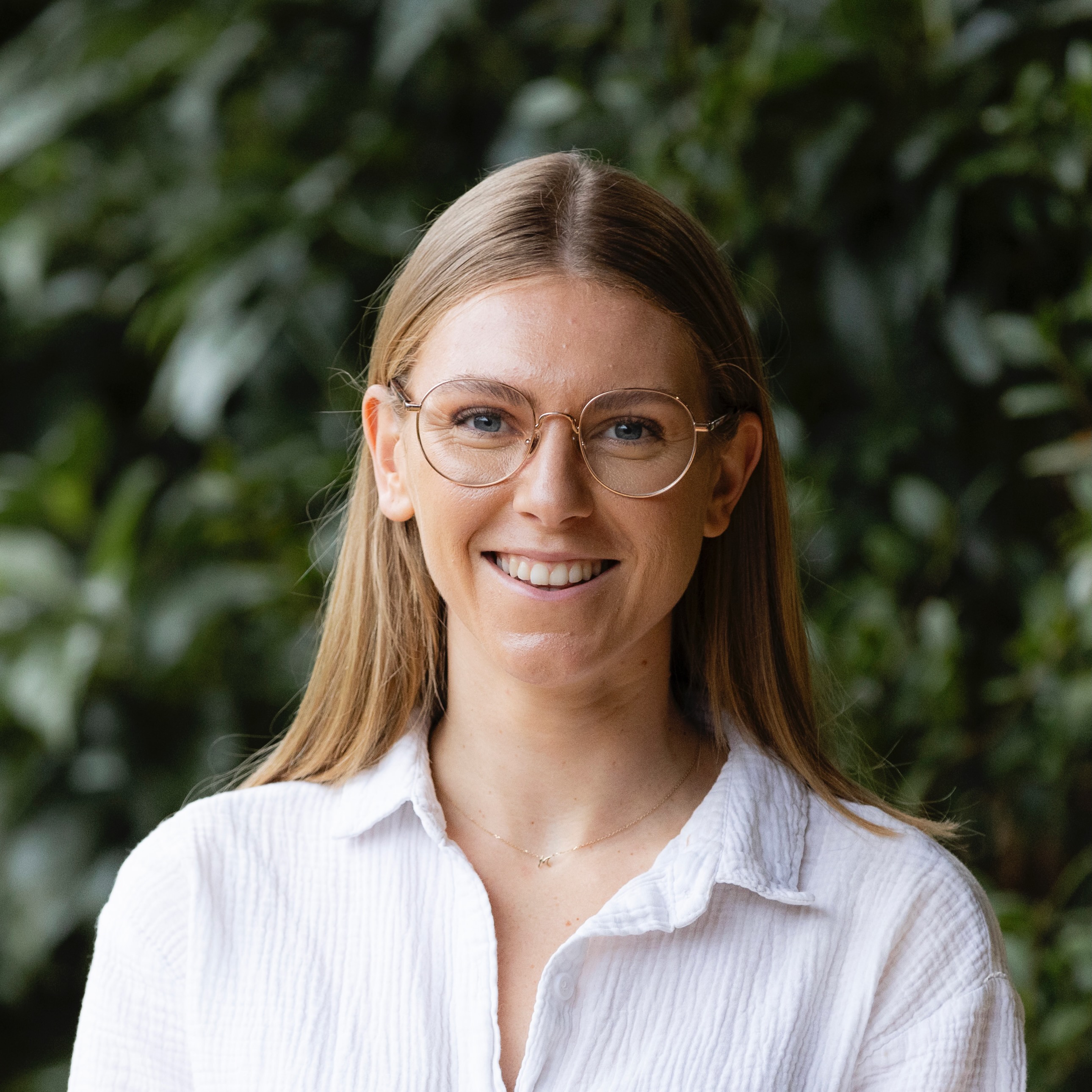
Mikaeylah Davidson
- Postdoctoral Research Fellow
- mikaeylah.davidson@jcu.edu.au
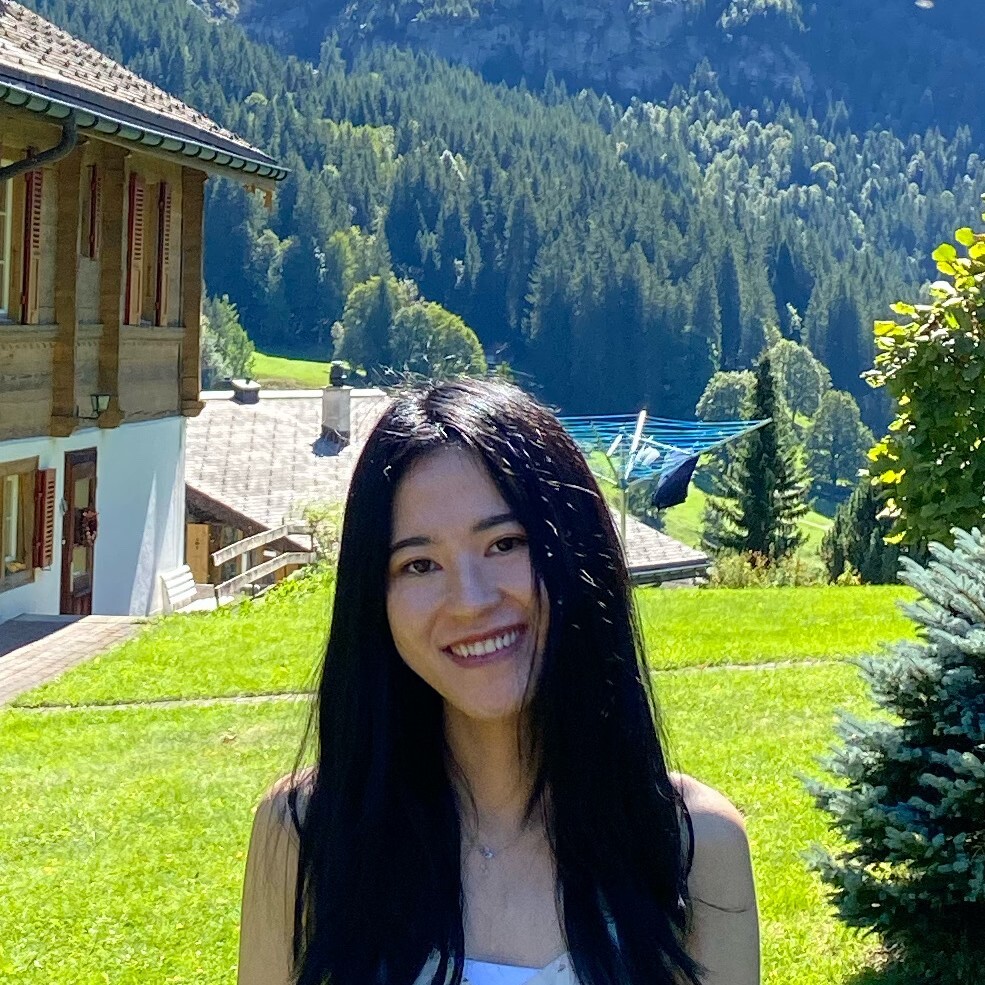
Liuxin Chen
- Lecturer
- liuxin.chen@jcu.edu.au
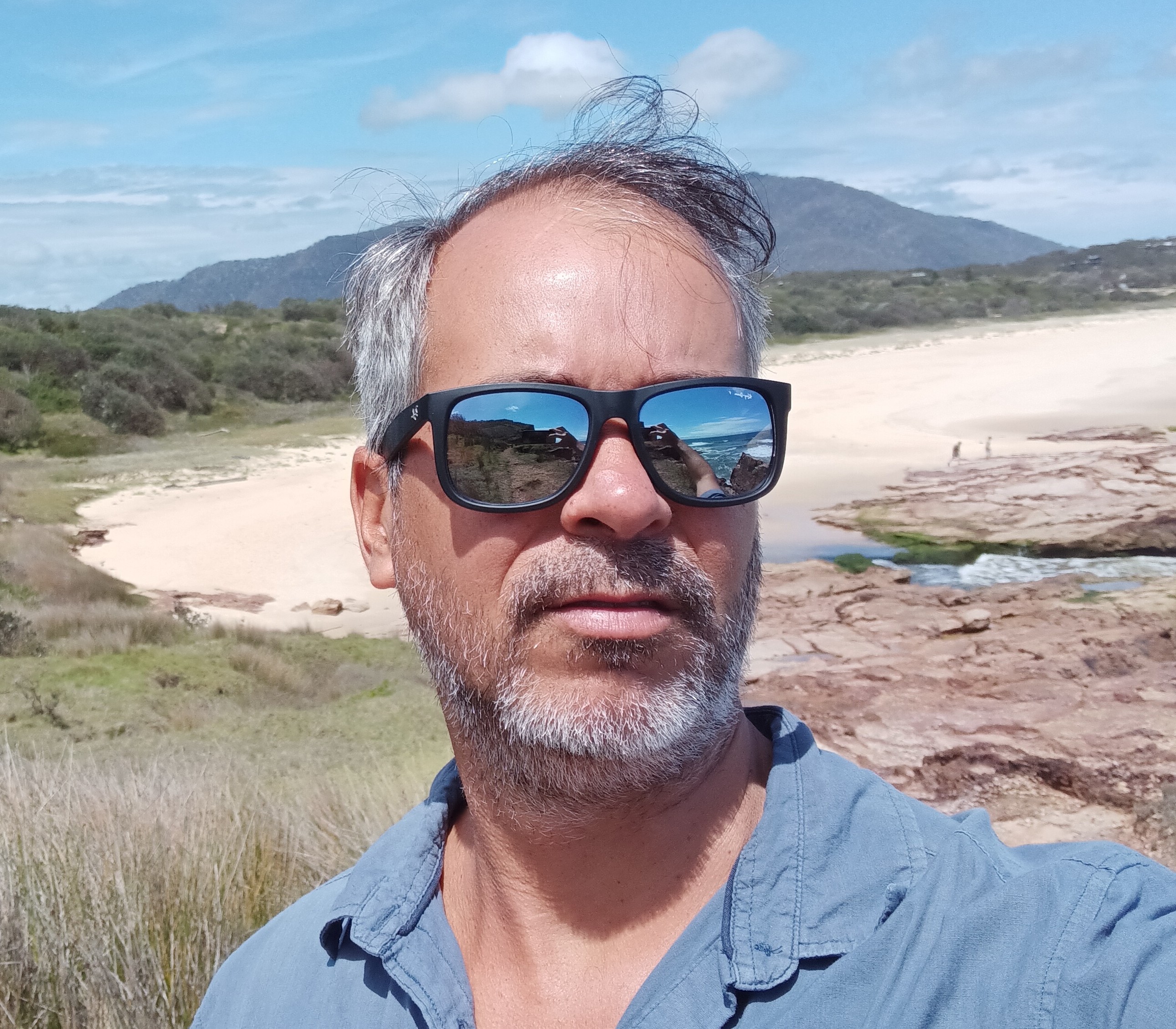
Rafael Cabral Carvalho
- Lecturer, Marine Geoscience
- rafael.cabralcarvalho@jcu.edu.au
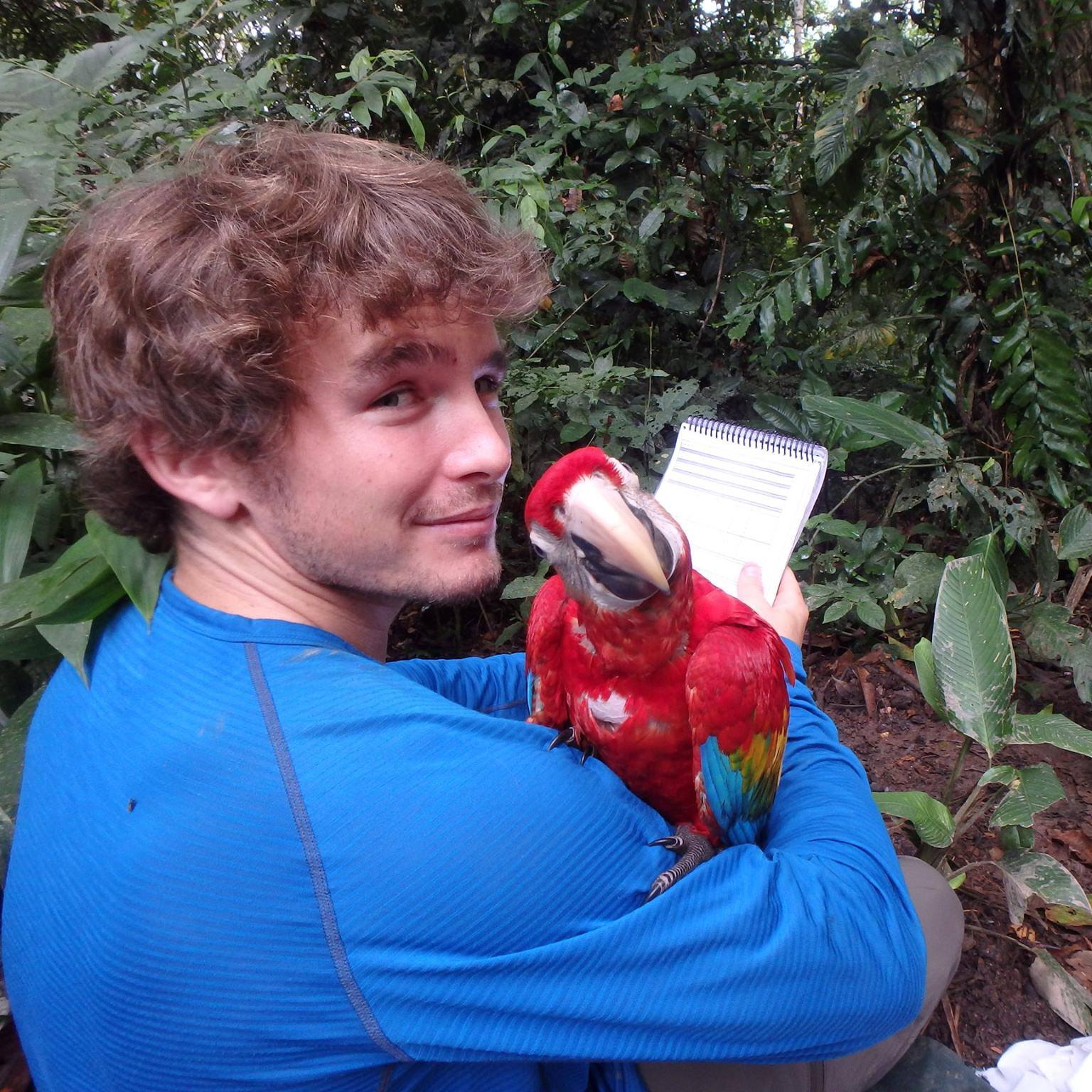
Tom Lloyd
- Postdoctoral Research Fellow, Global Ecosystems
- tom.lloyd@jcu.edu.au
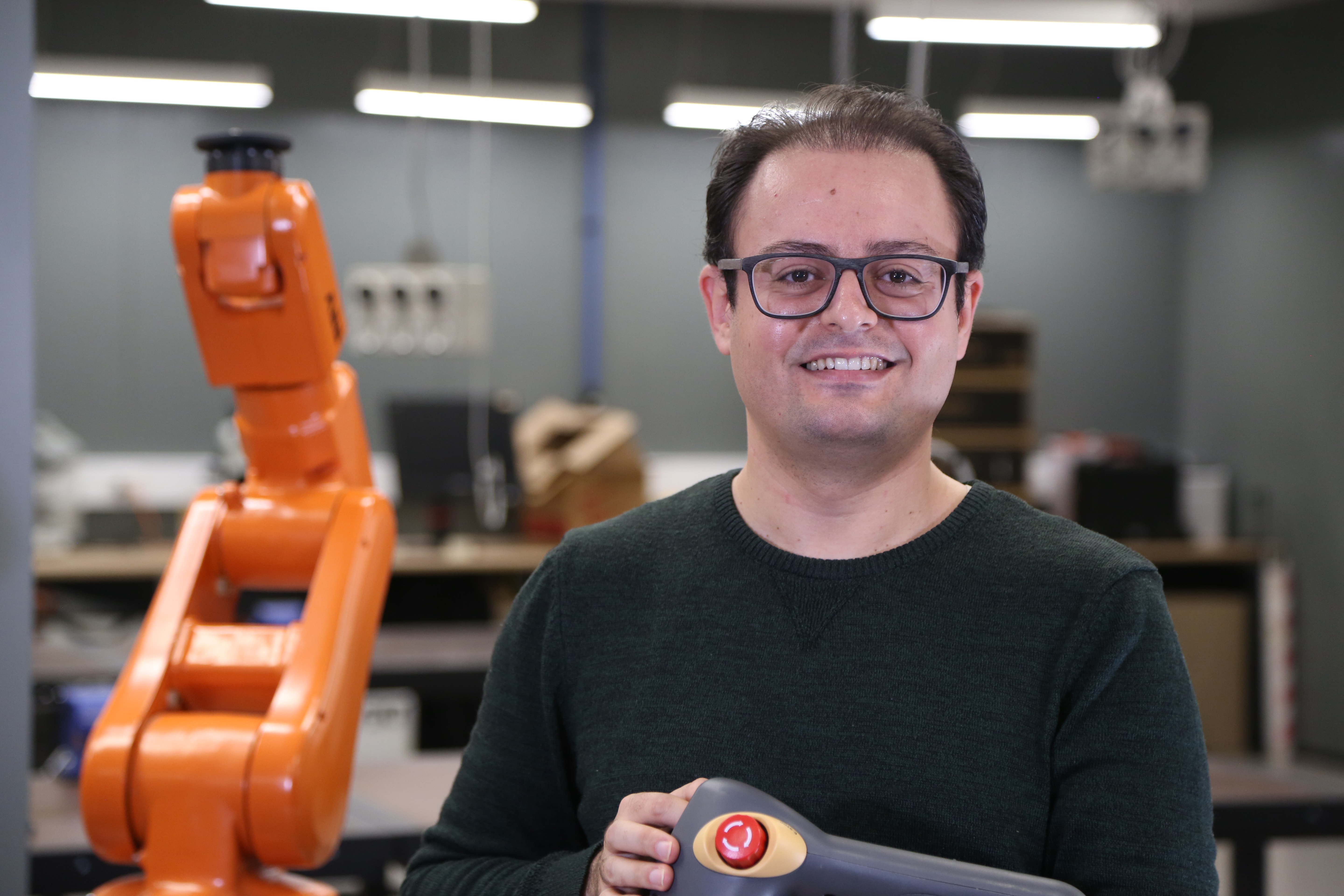
Mohamadreza Chalak Qazani
- Lecturer, Mechanical Engineering
- mohamadreza.chalakqazani@jcu.edu.au
Abattoir on the Mooove
Leo Foyle
18 May 2017 - 01 Nov 2018
A small Blended Learning and Innovation (BLING) grant from Learning, Teaching and Student Engagement
Assessment of Practical on Recoverable Surgery Performed on Barramundi by Final Year JCU Veterinary Science Students
Leo Foyle
30 Apr 2024 - 30 Apr 2026
Survey of final year vet students on their view of the recoverable fish surgery practical. These students are the only students in Australia to get such a practical.
Emerging technologies as a tool to monitor for invasive pathogens
Lori Lach
01 Sep 2024 - 01 May 2026
We will evaluate the emerging technologies of environmental DNA (eDNA; air and water) sampling and next generation sequencing for use as rapid, cost-effective and scalable approaches of monitoring for the introduction and circulation of invasive pathogens. These approaches could be adapted to a wide range of high-risk interfaces.
Improving the efficiency of genomic selection for meat yield, product quality and environmental resilience through digital phenotyping in the Akoya oyster
Mostafa Rahimi Azghadi
30 Sep 2024 - 30 Jun 2026
The Akoya pearl oyster has historically been farmed for production of pearls. However, in recent times due to its rapid growth rate there is interest in farming this species as a new edible oyster commodity. Broken Bay Pearls is a company situated in Broken Bay, NSW that is currently farming Akoya pearl oysters to sell oyster meat into the Sydney market. They are interested in increasing their production and quality of products through a genomics-informed selective breeding program. For a selective breeding program to be feasible two core components of large-scale data streams need to be acquired (precise measurements on phenotypes of interest to select, and genomic-based SNP genotypes of oysters). Due to the cost and difficulty in measuring growth, meat quality (ie glycogen content) and meat yield at the industrial-scales required, computervision of growth traits trained through machine learning, near-infrared spectroscopy to measure flesh quality, and SNP genomic genotyping platform have enormous potential to revolutionise the conduct of a breeding program and maximise efficiency and quality output of production. Tools also will allow rapid grading of product and possible creation of new niche product lines for sale. The proposed product will develop AI/ML based non-invasive phenotype methods along with a genomic platform to allow a selective breeding program for the Akoya pearl oyster to be implemented.
Weed ID workshops for rangers and land managers
Daniel Montesinos Torres
01 Sep 2024 - 30 Jun 2025
Development and delivery of pilot worshops on weed identification to rangers, NRM workers, land managers and other relevant audiences. This grant will help to develop and pilot test the workshops that are intended to continue to be delivered beyond the lifetime of the grant.
Artificial intelligence-guided detection of tumour peptides for immunotherapy against therap y-resistant cutaneous squamous cell carcinoma (CSCC)
Ulf Schmitz
01 Jan 2025 - 31 Dec 2026
North Queensland has the highest incidence of CSCC worldwide, which has a huge impact on the local population. With a high tumour mutational burden, CSCC is responsive to immunotherapy, however therapy-resistant CSCC presents a significant challenge. This project aims to detect and select tumour-specific peptides for immunotherapy in patients with therapy-resistant CSCC. The focus on tumour-specific peptides aims to ensure that these peptides are unique to tumour cells, thereby minimising the risk of triggering autoimmunity in treated patients. This innovative approach seeks to enhance the precision and safety of immunotherapies by targeting tumour-specific antigens.
The Queensland Decarbonisation Knowledge Translation Hub Collaborative Research Agreement
Nico Adams
02 Feb 2024 - 31 Dec 2026
Under a Grant agreement between UQ and the Queensland Government, the Queensland Government is establishing a 3 year approach to developing stronger relationships with Queensland Universities to progress decarbonisation of the State’s economy. This sub-agreement underpins JCU contribution in demonstrating that the parties wish to work together in The Queensland Decarbonisation Knowledge Translation Hub (Hub) and engage with each other on various research Projects from time to time relating.
Artificial intelligence-guided detection of tumour peptides for immunotherapy against therap y-resistant cutaneous squamous cell carcinoma (CSCC)
Ludwig Lopata
01 Jan 2025 - 30 Dec 2026
North Queensland has the highest incidence of CSCC worldwide, which has a huge impact on the local population. With a high tumour mutational burden, CSCC is responsive to immunotherapy, however therapy-resistant CSCC presents a significant challenge. This project aims to detect and select tumour-specific peptides for immunotherapy in patients with therapy-resistant CSCC. The focus on tumour-specific peptides aims to ensure that these peptides are unique to tumour cells, thereby minimising the risk of triggering autoimmunity in treated patients. This innovative approach seeks to enhance the precision and safety of immunotherapies by targeting tumour-specific antigens.
How magnetic resonance impacts on immune regulatory factor secretion from brain tumour cells during radiotherapy
Ludwig Lopata
01 Aug 2024 - 30 Jul 2026
AIMS AND OBJECTIVES 1. To investigate how magnetic resonance impacts on brain tumour cell growth and immune regulatory factor secretion from brain tumour cells during radiotherapy 2. To identify and quantify specific immune regulatory factors which are observed during irradiation within a magnetic field.
Closing the circular food economy: Advanced technologies to optimise black soldier fly (BSF) larvae nutritional composition for inclusion in aquafeed
Bronson Philippa
10 Oct 2024 - 30 Jun 2026
Black soldier fly (BSF) biomass is a highly valuable source of nutrients for terrestrial and aquatic animals and has shown to include health promoting compounds that enhances animal production. However, the quality and composition of BSF biomass depends on numerous factors including the BSF stocks, rearing conditions including waste stream diets, post-harvest processing methods and storage conditions. To-date, there is currently little information available on the optimum post-harvest processing technologies and real-time on farm monitoring systems to maximise black soldier fly protein profiles for inclusion in aquafeeds. The objective of this study is to generate on-farm data to improve the nutritional profile of BSF larvae for their application as a substitute component in aquafeed. To achieve this aim, three main studies will be conducted, the first one will focus on generating optimum BSF larvae nutritional data through post-harvest technologies to enhancing BSF larvae composition for aquafeed, the second will focus on the development of a rapid digital diagnostic NIR tool for the real-time evaluation of organic waste streams and BSF larvae composition, and the final study will generate critical data on the effects of feeding BSF larvae on growth performance, gut health and product quality of black tiger marine shrimp.
Organic matter, sodicity and soil structure
- 1998
- Oxford University Press
- Researchers:Paul Nelson
Argument free clustering via boundary extraction for massive point-data Sets
- 2002
- Researchers:Ickjai Lee
Start Date:
01 Jan 2009
End Date:
01 Jan 2016
Start Date:
01 Jan 2025
Title:
PhD, James Cook University
Start Date:
01 Jan 2006
End Date:
01 Jan 2011
Start Date:
01 Jan 2025
Start Date:
01 Jan 1996
End Date:
01 Jan 2000
Start Date:
01 Jan 2022
Start Date:
01 Jan 1996
End Date:
01 Jan 2000
Start Date:
01 Jan 2020
End Date:
01 Jan 2025
Start Date:
01 Jan 2024
Start Date:
01 Jan 2024