
College of Science & Engineering

Sophia Love
- Doctor of Philosophy (Natural and Physical Sciences)
- sophie.love@jcu.edu.au
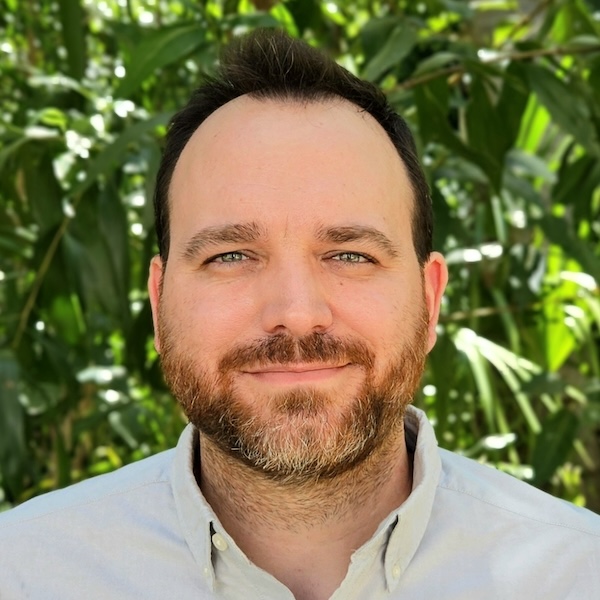
Romain Vaucher
- Senior Lecturer, Sedimentology
- romain.vaucher@jcu.edu.au

Jenny Fisher
- Associate Dean, Learning and Teaching
- jenny.fisher@jcu.edu.au

Ambili Narayanan
- Doctor of Philosophy (Natural and Physical Sciences)
- ambili.narayanan@my.jcu.edu.au

Sarfaraz Ali
- Postdoctoral Research Fellow
- sarfaraz.ali@jcu.edu.au

Mikaeylah Davidson
- Postdoctoral Research Fellow
- mikaeylah.davidson@jcu.edu.au

Liuxin Chen
- Lecturer
- liuxin.chen@jcu.edu.au
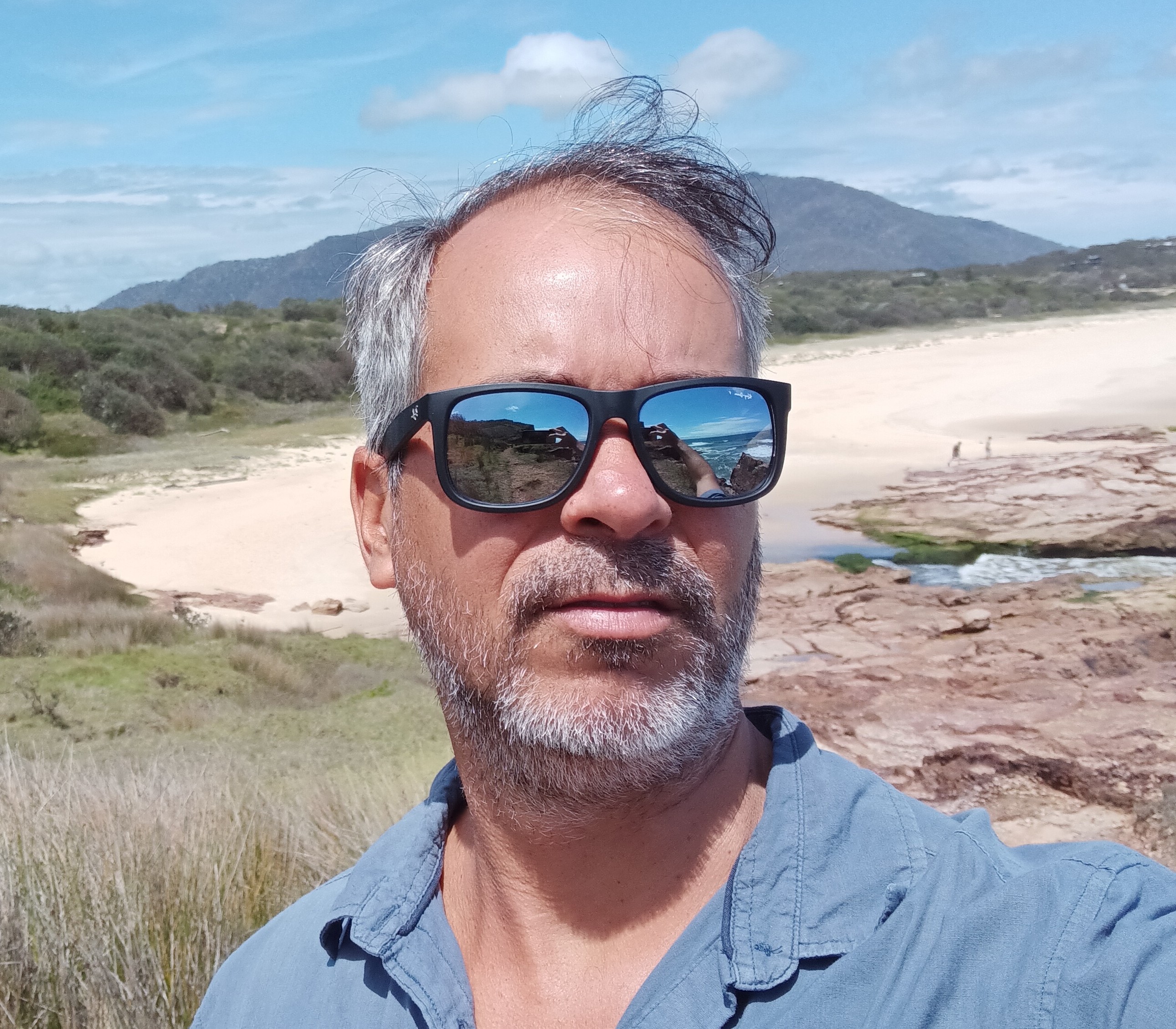
Rafael Cabral Carvalho
- Lecturer, Marine Geoscience
- rafael.cabralcarvalho@jcu.edu.au
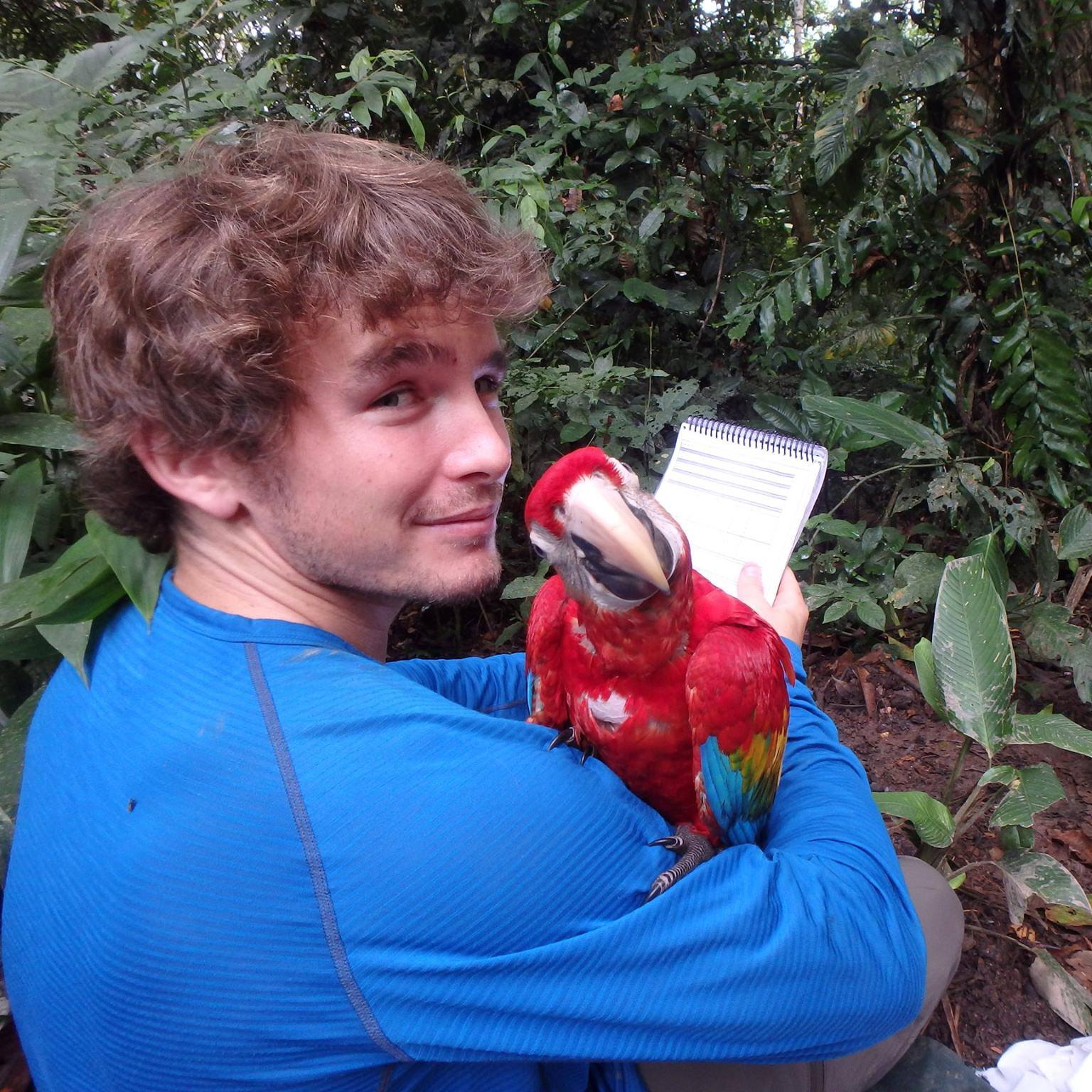
Tom Lloyd
- Postdoctoral Research Fellow, Global Ecosystems
- tom.lloyd@jcu.edu.au
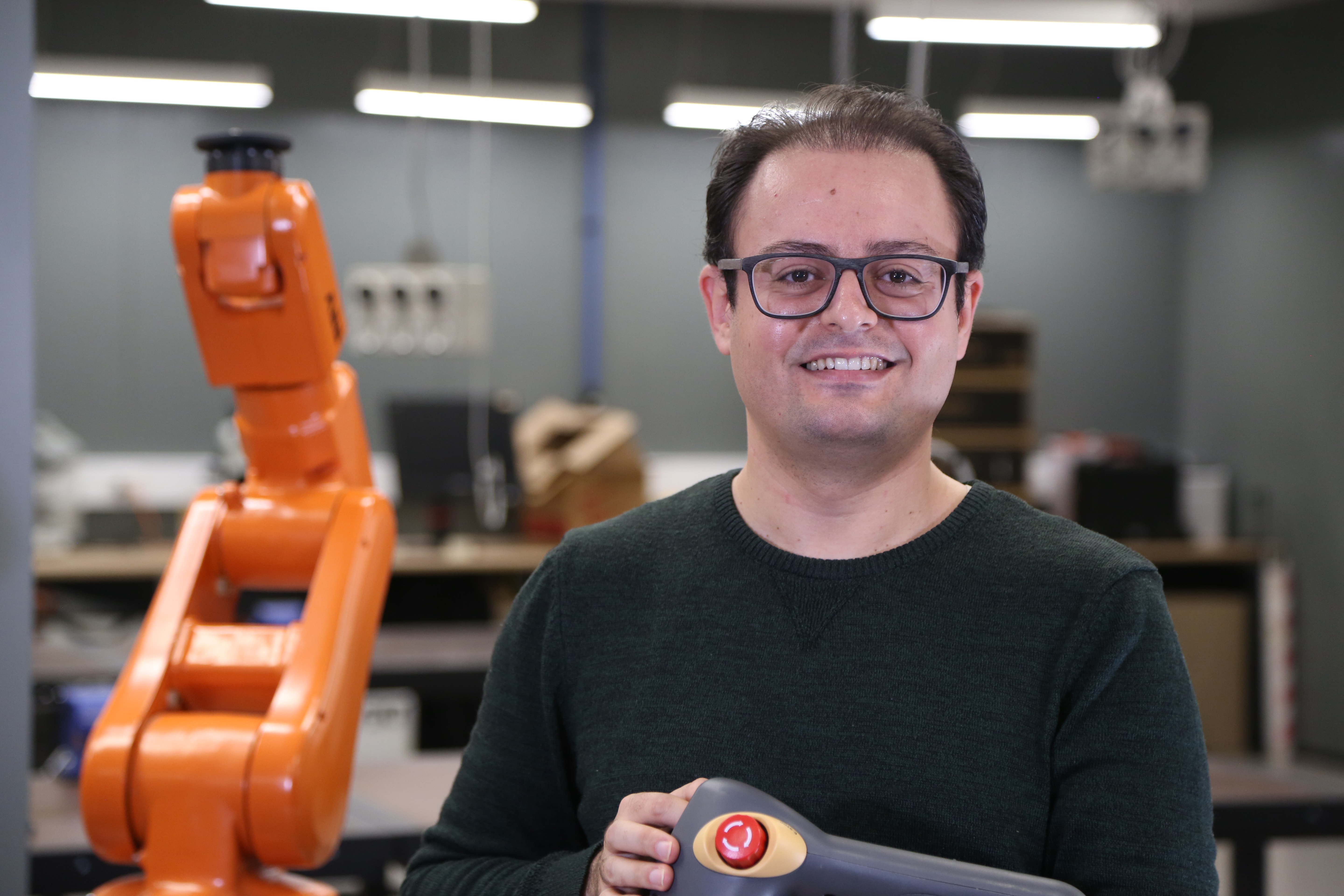
Mohamadreza Chalak Qazani
- Lecturer, Mechanical Engineering
- mohamadreza.chalakqazani@jcu.edu.au
Circulating human papillomavirus (HPV) DNA for surveillance of HPV-related oropharyngeal squamous cell carcinoma (HPV-OPSCC)
Ludwig Lopata
16 May 2025 - 31 Jul 2026
We propose implementing a capture-based next-generation sequencing approach for human papillomavirus (HPV) DNA detection at Townsville Hospital and Health Service and assess the feasibility, diagnostic yield, and cost compared to other established circulating HPV detection methods.
Understanding the ecology and behaviour of platypus in far North Queensland
Sophia Love
01 Aug 2025 - 01 Apr 2028
Our study seeks to understand the ecology and behaviour of genetically isolated and understudied platypuses in far north Queensland. While platypuses were classified as “near threatened” by the IUCN in 2016, most research has been confined to populations in NSW and Victoria. Far north Queensland uniquely hosts platypuses in a predominantly rainforest environment, yet formal region-specific ecological knowledge is lacking. To address this, we aim to 1) assess the presence and relative abundance of platypuses in the Atherton Tablelands, 2) quantify population demographics, and 3) quantify local resource availability and quantify carrying capacity. These efforts will help us establish a baseline understanding of the population’s overall health and longevity and cultivate a more nuanced understanding of the population’s unique characteristics and life history. Developing such knowledge is critical to informing current and future regional management and conservation efforts of this iconic Australian species in a rainforest biome.
This project will work closely with local stake holders and conservation efforts, mainly Dulguburra Yidinji traditional owners and the Yungaburra Landcare Group who share a vested interest in the project’s findings.
Understanding the impact of magnetic resonance impacts on immune regulatory factor secretion from brain tumour cells during radiotherapy
Ludwig Lopata
22 May 2025 - 31 Dec 2026
Our study aims to assess how magnetic resonance impacts on immune regulatory factor secretion from brain tumour cells during radiotherapy. This will be performed with an experimental study utilizing relevant therapeutic radiotherapy doses for patients with GBM and undergo rigorous quality assurance to ensure scientific accuracy.
She Flies Drone Camps: Building Northern Australia's Drone Ecosystem (Old ID 23163)
Karen Joyce
03 Jan 2017 - 31 May 2018
She Flies is a comprehensive and multidisciplinary programme across Northern Australia. While the She Flies brand will cover a range of national initiatives (http://www.sheflies.com.au), this particular application for funding will focus on the She Flies Drone Camps. This is a series of week-long camps aimed at teaching Northern Australian high school girls and their teachers or parents the possibilities of working with, and flying drones. From design and construction through to flying and finally using photography to create maps, She Flies Drone Camp will be hands on, practical, fun and safe. Importantly, it will also provide a career path opportunity that many young women probably never realised existed. With initial estimates suggesting that fewer than 1% of drone pilots in Australia are female, we need to encourage young women into this technology and its associated spatial sciences. This will ensure equity and diversity across the industry going forwards.
SeaToMeat - Optimizing Seaweed Proteins to Cultivate Meat
Ludwig Lopata
14 Feb 2025 - 13 Feb 2027
The SeaToMeat (Optimizing Seaweed Proteins to Cultivated Meat) project aims to tackle challenges of the growing cultivated
meat industry by generating lower-cost, high-performance hydrolysates for cell culture media. In this innovative initiative
seaweed proteins are converted into high-value hydrolysates, supporting circular economy principles.
In collaboration with research institutions such as the Singapore Institute of Technology, James Cook University in Singapore
and Australia, and industry partner Umami Bioworks, the project employs advanced technologies to optimize hydrolysis of
seaweed protein from sustainable farms in Indonesia and Australia. This process produces hydrolysates optimized for
cultivated meat, providing a scalable, cost-effective, and serum-free culture media solution – a critical need for the sector.
Focusing on scalability and replicability, SeaToMeat is poised for significant regional and global impact, addressing market
demand for cultivated meat production. The project fosters collaboration between industry stakeholders and research
institutions, driving towards the common goal of achieving cost-effective cultivated meat.
Improving tomato commercial outcomes through enhanced vigour and grafting success
Lucas Cernusak
26 Jun 2025 - 25 Jun 2026
Our aim is to deliver faster-growing, higher-yielding, healthier tomato plants to benefit Australia’s $570M tomato horticultural industry. Leveraging university expertise and IP in seed germination, plant physiology, and bioelectricity, we are partnering with Rainstick, a globally unique startup developing electric treatments for seeds and plants. The current TRL of 3 reflects proof-of-concept experiments in which Rainstick’s Variable Electric Field
(VEF) treatments in tomatoes and other species can induce significant increases in crop growth and yield. By project completion, we expect to be at TRL 5, ready for at-scale trials in commercial facilities, aided by a business plan developed with Main Sequence Ventures.
Rebuilding with Nature - Japan
Nathan Waltham
30 Sep 2025 - 30 Sep 2026
Rebuilding with Nature is a company in Japan looking to partner with JCU to explore research capabilities and areas in the marine and coastal ecosystem space. The Non-Disclosure Agreement will commence discussions and to explore research opportunities.
Rebuilding with Nature - Japan
Nathan Waltham
30 Sep 2025 - 30 Sep 2026
Rebuilding with Nature is a company in Japan looking to partner with JCU to explore research capabilities and areas in the marine and coastal ecosystem space. The Non-Disclosure Agreement will commence discussions and to explore research opportunities.
Study of circulating human papillomavirus (HPV) DNA in HPV-related oropharyngeal squamous cell carcinoma (HPV-OPSCC)
Ludwig Lopata
07 Oct 2025 - 07 Oct 2026
Background: HPV is an established cause of the majority of oropharyngeal cancer cases in Australia, with incidence rates continuing to rise. Despite its favourable prognosis with current treatments, post-treatment surveillance for HPV-OPSCC remains challenging, requiring frequent visits to tertiary hospitals for clinical assessments and imaging. This imposes a significant burden on patients in terms of time and cost, as well as on the healthcare system.
Models suggest that incorporating circulating tumour biomarkers into surveillance protocols offers a more cost-effective alternative while maintaining clinical efficacy. The detection of HPV DNA in the blood (circulating HPV DNA, or cHPV-DNA) has shown promise as a non-invasive biomarker that can reliably identify disease recurrence before clinical symptoms or imaging abnormalities arise [2]. This early detection has the potential to enable timely salvage treatments, improving survival rates and reducing treatment-associated morbidity. This research also explores the integration of cHPV-DNA testing into current surveillance frameworks, with the goal of reducing patient visits and reliance on resource-intensive imaging. Additionally, the project has the potential to contribute to the development of personalized, response-adapted treatment strategies for HPV-OPSCC, by identifying patients at higher risk of recurrence or those who may benefit from de-escalated therapy.
Dating West Antarctic ice sheet collapse using molecular sequence data (Old ID 24850)
Jan Strugnell
01 Jan 2019 - 31 Dec 2022
This project aims to investigate the past stability and configuration of the West Antarctic Ice Sheet by examining genomic signatures in present day bottom-dwelling Antarctic marine animals. By employing this novel biological approach to address a key question for physical scientists, this project will provide an independent test of the hypothesis that the West Antarctic Ice Sheet collapsed during the most recent interglacial and formed a transAntarctic seaway. Expected project outcomes include increased resolution of the most recent collapse of the West Antarctic Ice Sheet. This should provide significant benefits in predicting future collapse and its impact on sea level rise which is a key uncertainty resulting from climate change.
Organic matter, sodicity and soil structure
- 1998
- Oxford University Press
- Researchers:Paul Nelson
Argument free clustering via boundary extraction for massive point-data Sets
- 2002
- Researchers:Ickjai Lee
Start Date:
01 Jan 2023
Start Date:
01 Jan 2023
Title:
PhD, University of Cape Town
Start Date:
01 Jan 1995
End Date:
01 Jan 2000
Start Date:
01 Jan 2019
Start Date:
01 Jan 2024
End Date:
01 Jan 2025
Start Date:
01 Jan 2011
End Date:
01 Jan 2025
Start Date:
01 Jan 2015
Start Date:
01 Jan 2025
Start Date:
01 Jan 2015
Start Date:
01 Jan 2009
End Date:
01 Jan 2016