
College of Science & Engineering

Sophia Love
- Doctor of Philosophy (Natural and Physical Sciences)
- sophie.love@jcu.edu.au
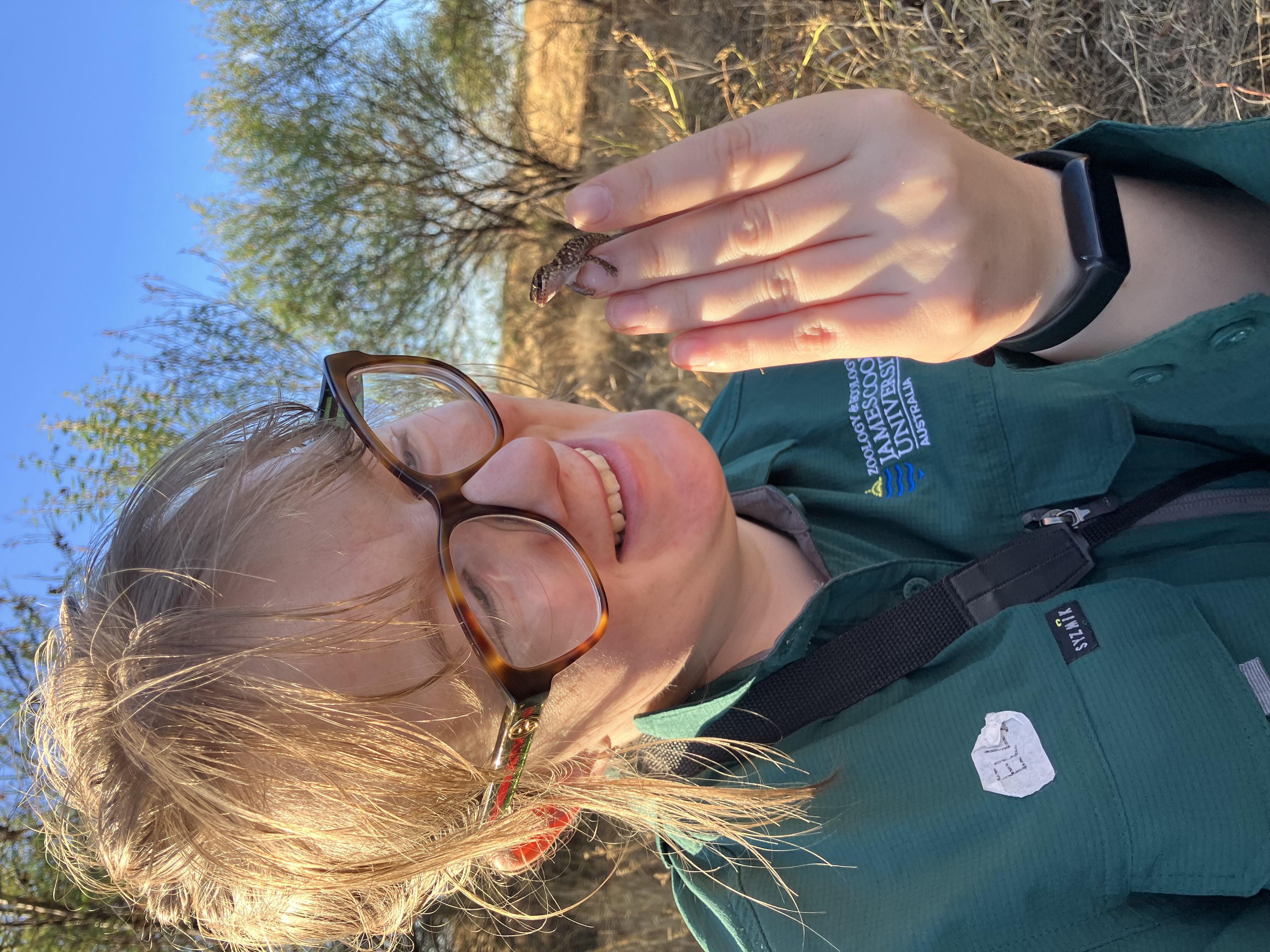
Elle Robertson
- Doctor of Philosophy (Agriculture, Environmental and Related Studies)
- elle.robertson@jcu.edu.au
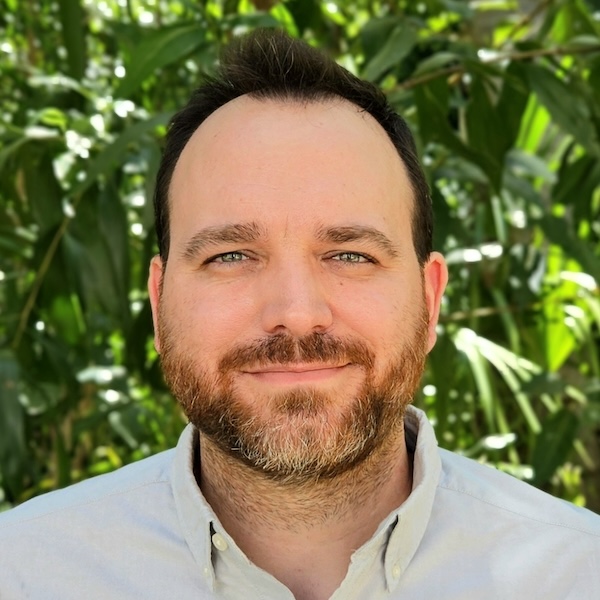
Romain Vaucher
- Senior Lecturer, Sedimentology
- romain.vaucher@jcu.edu.au

Jenny Fisher
- Associate Dean, Learning and Teaching
- jenny.fisher@jcu.edu.au

Ambili Narayanan
- Doctor of Philosophy (Natural and Physical Sciences)
- ambili.narayanan@my.jcu.edu.au

Sarfaraz Ali
- Postdoctoral Research Fellow
- sarfaraz.ali@jcu.edu.au
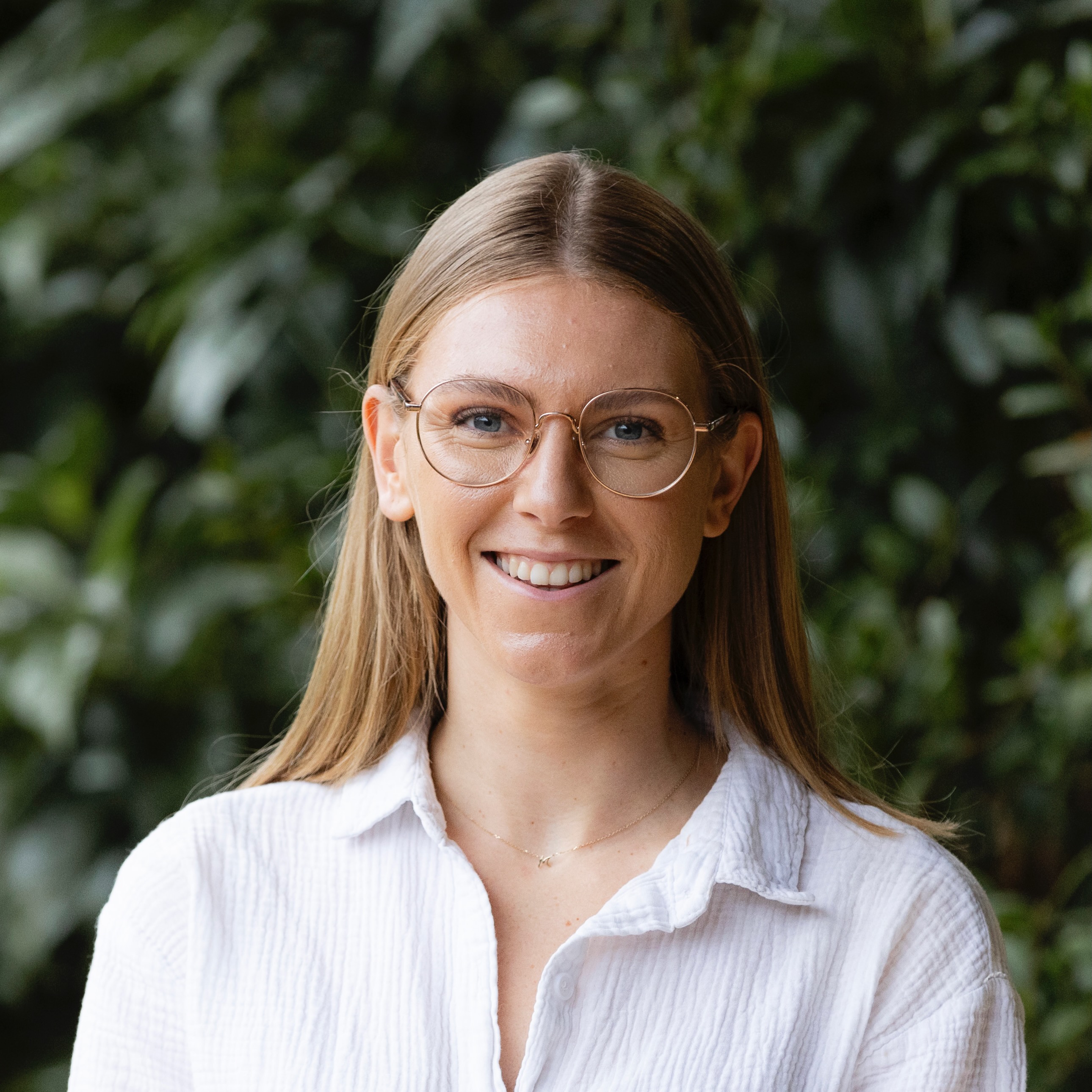
Mikaeylah Davidson
- Postdoctoral Research Fellow
- mikaeylah.davidson@jcu.edu.au
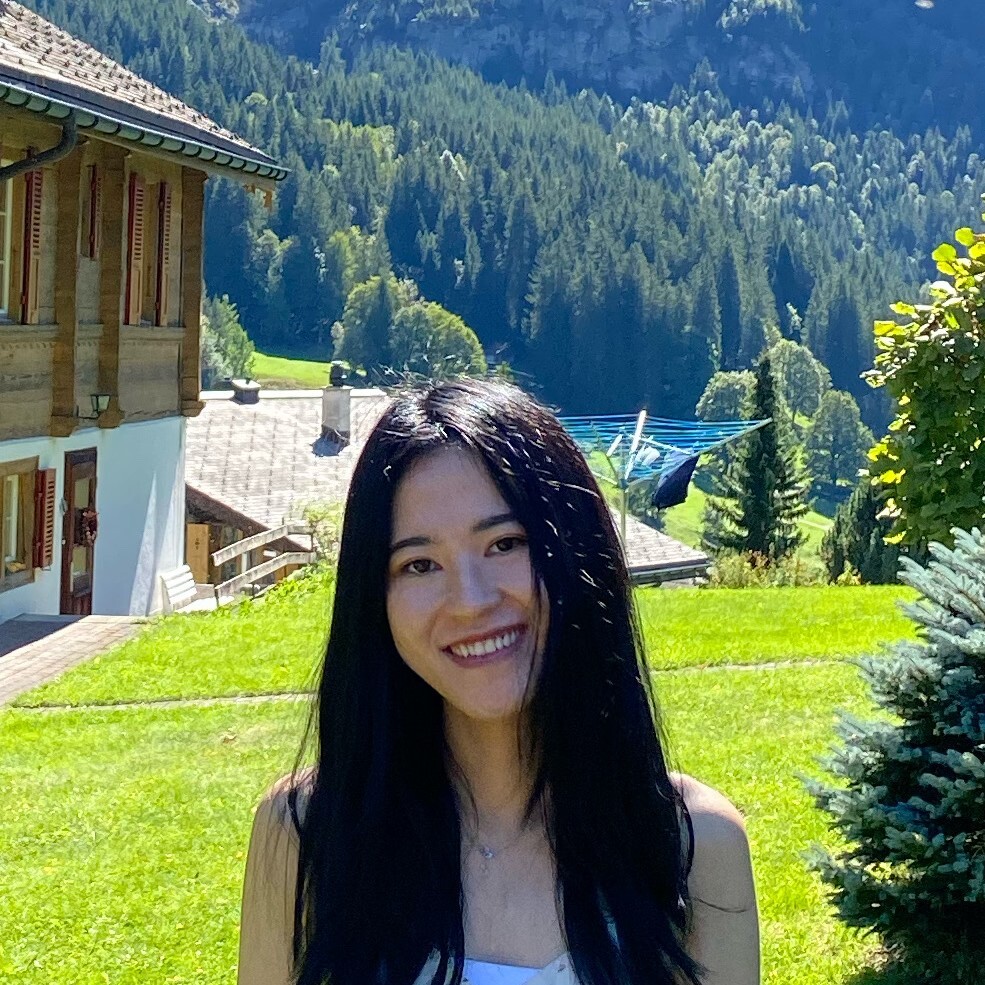
Liuxin Chen
- Adjunct Lecturer
- liuxin.chen@jcu.edu.au

Rafael Cabral Carvalho
- Lecturer, Marine Geoscience
- rafael.cabralcarvalho@jcu.edu.au
Tom Lloyd
- Postdoctoral Research Fellow, Global Ecosystems
- tom.lloyd@jcu.edu.au
Constraining the relationship between mantle discontinuities and convection processes beneath the Australian Plate (Old ID 27407)
Earth’s mantle is characterised by hot upwelling plumes and cold downgoing slabs, some of which are deflected at various depths in the upper mantle. The deflection shows some relationship to seismic discontinuities. which arise from mineral and compositional changes, but this is poorly understood. Consequently, the cause of deflection remains debated. The edges of the Australian tectonic plate display a range of subduction processes, providing an ideal natural laboratory. This project will establish any link between the behaviour of slabs and properties of mantle discontinuities, determine the influence of convection on discontinuities, and investigate correlations between deep and shallow structures.
Improving the resilience of existing housing to severe wind events (Old ID 21317)
Australian houses built prior to the mid 1980s do not offer the same level of performance and protection during windstorms as houses constructed to contemporary building standards. This project will develop the evidence base for risk mitigation by devising simple practical and economic upgrading options for existing houses. The primary objective of this project is to develop cost-effective strategies for mitigating damage to housing from severe windstorms across Australia. Outputs from this project will target a range of users from policy development through to homeowners and builders on recommended actions to improve resilience of existing housing.
Is satellite technology telling the truth? Perspectives from a coral reef. (Old ID 22464)
The aim of this project is to investigate fine scale yet synoptic variability in water surface temperature on a coral reef. As temperature plays a major in the health of coral ecosystems, understanding its spatial and temporal variability will aid predictions and monitoring of thermally driven impacts such as coral bleaching. Imagery obtained from an Unmanned Airborne System (UAS) will provide the critical link between in-situ observations and satellite data, allowing remote sensing to be used at scales appropriate to thermal and hydrodynamic drivers on the reef.
Electromagnetic Field (EMF) Radiation Study for ESCO Pacific (Old ID 22962)
To investigate the current Australian and International Guidelines and allowable EMF radiation limits to provide the regulatory context to ESCO Pacific for their planned solar farm as well as measure the current baseline EMF radiation levels around existing power lines, various locations on the site of intended solar farm as well as in-home EMF radiation measurements in selected surrounding residential properties to assess EMF emission compliance.
Intertidal and Subtidal Habitat Mapping and Conservation Values Assessment for Central Queensland State Waters (Old ID 23447)
The project will deliver the interim Queensland Intertidal and Subtidal Classification Scheme; seascape-scale habitat mapping from Baffle Creek to the Fitzroy River delta; and an Aquatic Conservation Assessment of the seascape-scale habitat units as a tool for management and planning.
Decision support for choice of enhanced efficiency fertilisers - Herbert catchment pilot study (Old ID 24740)
The use of Enhanced efficiency Fertilisers (EEF), including both controlled release fertilisers land fertilisers with nitrification inhibitors, has been proposed as one means of reducing nitrogen losses and, in combination with lower application rates, increasing nitrogen use efficiency. This project will investigate the utility of EEFs for sustainable farming practices.
Applying Artificial Intelligence to Business Management Advice (Old ID 24802)
Develop methods of analysing large volumes of accounting data to provide valuable insights for business owners and actionable advice that will help them improve their business practices. Mentoring fee for guidance provided to Graduate Student employed by Calxa Pty Ltd.
Vacuum solution with an IoT-integrated management system. (Old ID 26816)
Vacuum cleaners used in commercial cleaning services have been primarily dominated by corded and cumbersome vacuum cleaners. Although cordless and lightweight vacuum cleaners have been around for domestic users for some time, there ar eno cordless vacuum cleaners designed for commercial cleaning services in the market. In view of this fact, this project aims to develop a new cordless vacuum cleaner for commercial vacuum cleaning services with an IoT-integrated management system.
Survey for mahogany gliders and monitor population trends (Old ID 26997)
The Mahogany Glider is an Endangered mammal of north Queensland. I have been doing research of this species, with my PhD student Eryn Chang. The project is to better resolve the distribution and population size of this species and to work out whether it is declining. Terrain is an NRM group (funded by Qld and Federal government) that does community-based conservation work in the Wet Tropics of north Qld. They also want to know the distribution, population size and population trends in this species, so they are contributing funding to Eryn’s PhD project.
Climate Vulnerability Index - YBM (Old ID 27435)
Climate change poses an existential threat to global heritage. With rising sea-levels, more extreme weather events and aridification, the extensive impacts of climate are evident at heritage sites globally and the pace of this change is startling. In most parts of the world the rate of loss is exceeding adaptive capacity and this deficit is only getting worse. Decisions on conservation and preservation begin with a detailed understanding of a place's vulnerability. The choices made will directly impact that ability to effectively integrate the goals of safeguarding heritage, adapting and mitigating climate change, and driving sustainable development. This project will apply the Climate Vulnerability Index process to initiate assessment of the vulnerability of the land and sea country of the Yuku Baja Muliku (YBM) people. There is an urgent need to assess climate vulnerability using community-based methodologies to inform actions taken by decision makers.
Organic matter, sodicity and soil structure
- 1998
- Oxford University Press
- Researchers:Paul Nelson
Start Date:
01 Jan 2013
End Date:
01 Jan 2021
Start Date:
01 Jan 1992
End Date:
01 Jan 2002
Start Date:
01 Jan 2023
Reseracher:
Stephanie Baker
(Senior Lecturer, Electronic Systems and Internet of Things Engineering)
Start Date:
01 Jan 2022
Start Date:
01 Jan 2015
Start Date:
01 Jan 2015
Start Date:
01 Jan 2014
Start Date:
01 Jan 2015
Start Date:
01 Jan 2014
Start Date:
01 Jan 2020