
College of Medicine & Dentistry
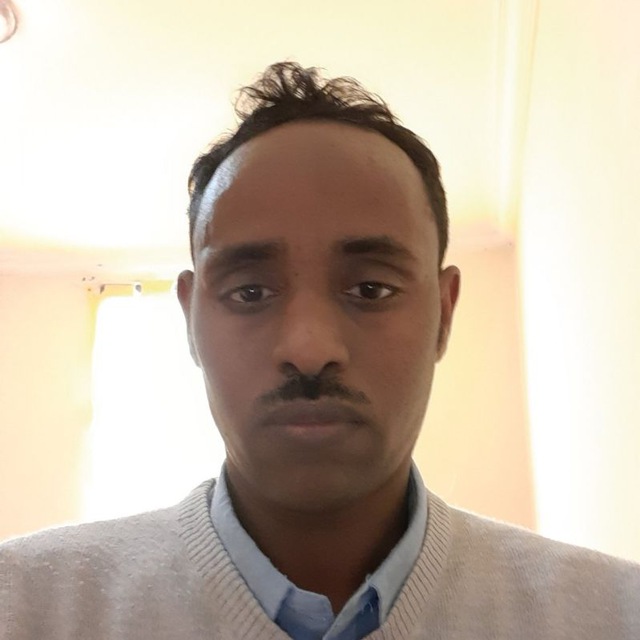
Semagn Abate
- Doctor of Philosophy (Health)
- semagn.abate@my.jcu.edu.au

Joseph Kamara
- Senior Lecturer Disaster Health and Humanitarian Assistance
- joseph.kamara@jcu.edu.au

Eric Kalo
- Lecturer Medical Education
- eric.kalo@jcu.edu.au
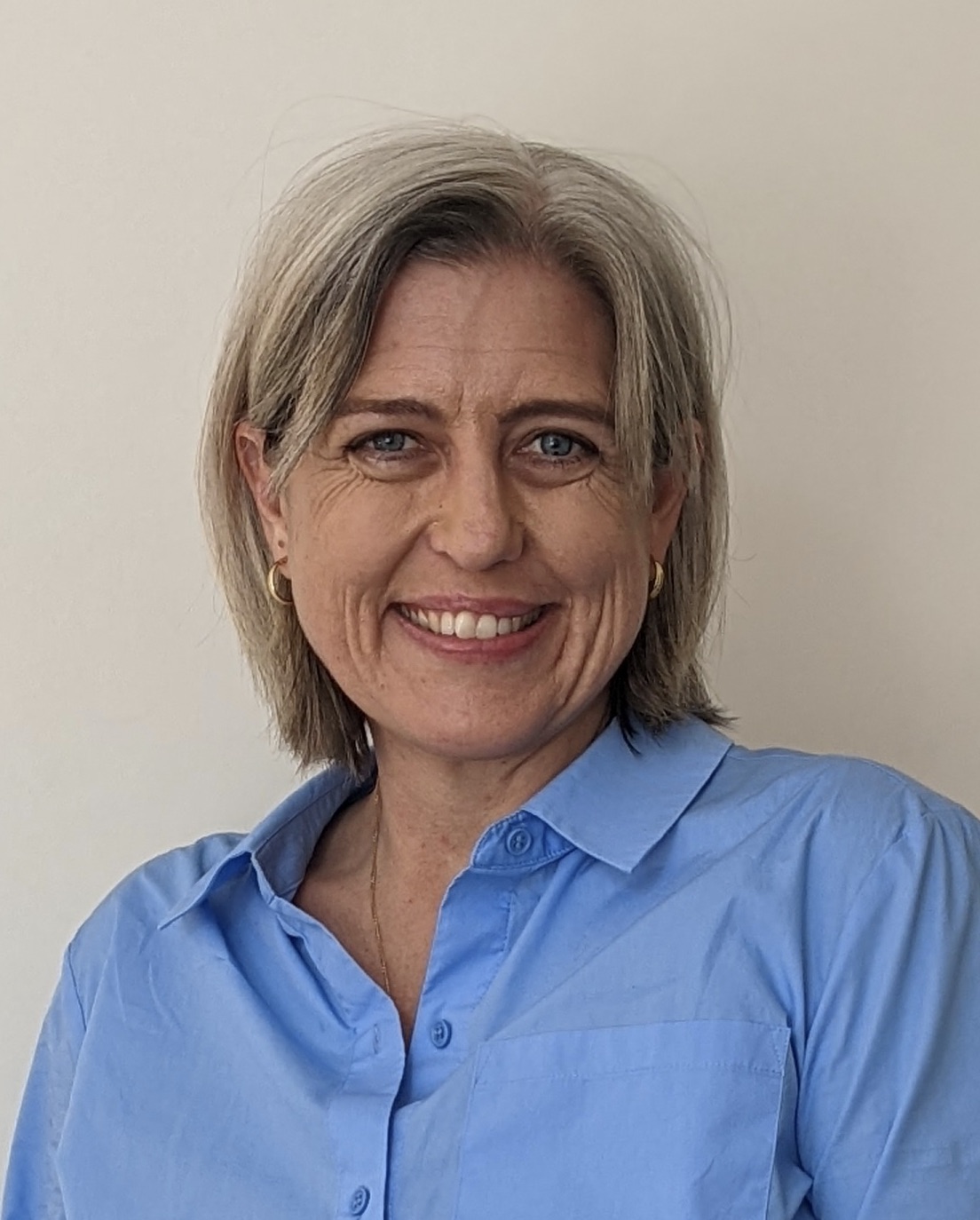
Erin Waters
- JCU Associate Professor
- erin.waters@jcu.edu.au
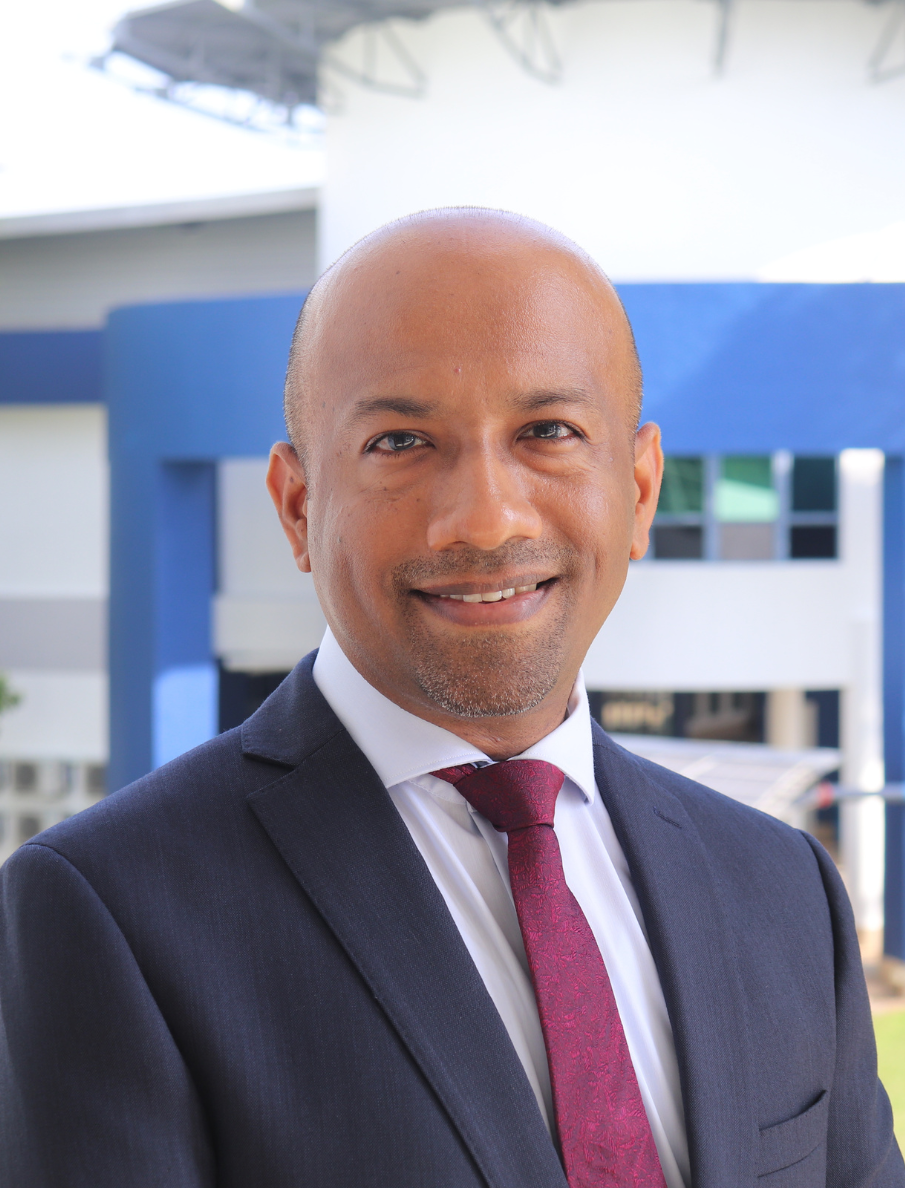
Kannan Maharajan
- Associate Professor, Pharmacy
- kannan.maharajan@jcu.edu.au

Fahmida Begum Mina
- Doctor of Philosophy (Medical, Molecular and Veterinary Sciences)
- fahmidabegum.mina@my.jcu.edu.au

Lynsey Brown
- Adjunct Senior Lecturer
- lynsey.brown@jcu.edu.au

Ali Isin
- Adjunct Senior Research Fellow
- ali.isin@jcu.edu.au

Muideen Olaiya
- Senior Research Fellow
- muideen.olaiya@jcu.edu.au

Mila Grinblat
- Postdoctoral Research Fellow
- mila.grinblat@jcu.edu.au
Co-designed sleep health program to achieve better sleep and improved mental health symptoms in Indigenous adolescents
The overarching goal of the Let’s Yarn About Sleep project is to co-design, deliver, and co-evaluate a sleep health program for First Nations adolescents in remote Australia. The specific objectives of this project are to:
1) Co-create a sleep health program for First Nations adolescents
2) Train and upskill Aboriginal Youth Workers (AYWs) as “Sleep Coaches” to deliver the program.
3) Evaluate the program's acceptability, feasibility, and effectiveness in improving First Nations adolescents' sleep health and SEWB.
Supporting Provisional Psychologists to Practice - Stream 2
Mental Health Program - Addressing Critical Psychology Shortages – Supporting Provisional Psychologists to Practice Grant (GO6626). $1,179,686 including GST, 2023 to 2027. Funds 300 full supervisor training places and 160 masterclass places nationally, with additional places awarded by the Department across the final two years.
Supervisor experiences of psychology skills required for rural and remote practice
The aim of this research was to gain a broader understanding of the skill needs of supervisors providing board
approved supervision to rural and remote psychologists from the perspective of new and experienced
supervisors and to evaluate the efficacy of curriculum developed to address rural and remote as a
competency.
Publications
Varela, S. M., Hays, C., Knight, S., & Hays, R. (2021). Models of remote professional supervision
for psychologists in rural and remote locations: A systematic review. Australian Journal of Rural
Health, 29(2), 211-225.
Varela, S. M, Jones, S., Schlicht, K., Aniftos, M, Varela, A. J., Foley, C., & Felton-Busch, C. (unpublished – ready for submission). Perspectives of Experienced Supervisors: How Can We Better Support the Rural and Remote Psychology Workforce?
Varela, S. M, Jones, S., Schlicht, K., Aniftos, M, Varela, A. J., Foley, C., & Felton-Busch, C. (paper being developed). The Development of a Rural and Remote Curriculum for Supervision
Varela, S. M, Jones, S., Schlicht, K., Aniftos, M, Varela, A. J., Foley, C., & Felton-Busch, C. (paper being developed). Rural and Remote Supervision as a Competency: Training Outcomes
Conference presentations:
1. Varela, S. M. (2023, 9 November). Supporting the Rural and Remote Psychology Workforce: Perspectives of Experienced Supervisors. Rural Mental Health Conference, Albury, NSW.
2. Varela, S. M. & Jones, S. (2023, 12 July). Strengthening the Rural/Remote Allied Health Workforce. 11th Biennial "Are You Remotely Interested...?" Conference. MCRRH, JCU, Mount Isa.
3. Varela, S. M. (2020, 1 October). Remote clinical supervision for psychologists located in
geographically rural and remote locations. "Are You Remotely Interested...?" 2020 Virtual Conference. MCRRH, JCU, Mount Isa.
4. Varela, S. M. (2020, 25 May). Professional Supervisor Training Needs for the Rural and Remote Psychology Workforce. 7th Rural and Remote Health Scientific Symposium (Virtual Pre-Symposium). National Rural Health Alliance, Canberra.
Evaluation of patient outcomes from the Western Queensland Primary Health Network (WQPHN) Mental Health Collaborative
The purpose of this evaluation is to determine the association of implementation of the mental health collaborative with changes in client outcomes (particularly overall wellbeing and functioning) over a 12 month period.
Health Workforce Program: Expansion of the Rural Health Multidisciplinary Training Program in More Remote Settings
Expansion of the Rural Health Multidisciplinary Training Program in More Remote Settings in Victoria, University of Melbourne (UDRH) — Mental Health and Wellbeing for Remote and Aboriginal Victorians
ConnectED: Translating mental health peer support into practice for consumers in rural and regional emergency departments
Translating mental health peer support into practice for consumers in rural and regional emergency departments, feasibility and pilot testing. Listed publicly by the funder as Embedding peer support in rural emergency departments. Medibank Better Health Foundation, now the Medibank Better Health Research Hub. Chief investigator Associate Professor Kevin Mc Namara at Deakin, with twenty co-investigators across eight organisations: Deakin, Grampians Health, the University of Melbourne, La Trobe, the University of Tasmania, Monash, Northern Health and Western Alliance.
Growing Strong Together: A First Nations Implementation Science Framework for Expanding Social and Emotional Wellbeing Services Across the Lifecourse.
This three-year implementation science project will investigate the success, sustainability, and future development of the Townsville Aboriginal and Islander Health Service (TAIHS) Social Emotional Mental Wellbeing Team (SEMWT). The service has established itself as an important provider of culturally responsive social and emotional wellbeing support for First Nations people; however, little research has examined the organisational, cultural, workforce and community factors contributing to its success or how these strengths can inform future service expansion.
Using a First Nations-led implementation science approach, the project will employ three interconnected phases. Phase One will review organisational documents, service reports, program records and implementation materials to identify factors associated with successful service establishment, growth and sustainability. Phase Two will utilise interviews and yarning methods with current and former staff, managers, organisational leaders and key stakeholders to identify enablers, challenges and opportunities for service improvement. Particular attention will be given to opportunities for
extending service provision to adolescents and young people aged 12 years and older. Phase Three will establish and work alongside a First Nations Implementation Science
Reference Group to co-design a culturally grounded implementation and evaluation
framework, including indicators of success, evaluation processes and strategic priorities for future service planning.
The Ways Remote Communities Care: Creating a Community Resilience Framework through social networks and story mapping of Mount Isa Community Groups and their impact on mental health and wellbeing.
The Ways Remote Communities Care explores how the community of Mount Isa engages in healing and wellbeing through shared experiences and care practices. Partnering with local organisations, the project examines how community groups foster healthy and mentally well communities. We will map the work and linkages between existing community groups, successes and challenges, and collect stories of care work in the community. This will culminate in the community creating their Community Resilience Score. This interdisciplinary initiative aims to generate pilot data and narratives that inform future research and funding applications focused on trauma, precarity, and collective healing.
Evaluation of 3D Modeling Workflows Using Dental CBCT Data for Periodontal Regenerative Treatment
This research aims to develop a novel deep-learning segmentation model for segmenting alveolar bone in periodontitis patients using Cone Beam Computed Tomography (CBCT) images. CBCT images of patients with periodontal bone loss will be obtained from the archive of the Maxillofacial Imaging unit, ODC Healthcare, Dhaka, Bangladesh. The dataset will be divided into three groups: training, testing, and validation. 70% of the data will be used to train the deep learning algorithm, ensuring adequate model training to segment all types of defective alveolar bone due to periodontitis. Subsequently, 20% of the dataset will be used to test the model's accuracy against the most advanced existing deep learning segmentation models. The remaining 10% will be used for independent validation of the model’s performance.
Getting Australia's Health on Track 2024. (3rd ed.) Project Report
Getting Australia’s Health on Track provides a national blueprint to bridge the life expectancy gap between the wealthiest and poorest Australians, reduce preventable illness and disability, and significantly improve the health of the nation.
As a set of policy initiatives and priority policy actions, it is especially relevant to government and industry, and to health, education and employment services and professions.
Developments in non-surgical therapies for abdominal aortic aneurysm
- 2009
- Bentham Science Publishers
- Researchers:Jonathan Golledge
Cognitive dysfunction in mice deficient for TNF- and its receptors
- 2008
- Wiley-Liss
- Researchers:Jonathan Golledge
Start Date:
01 Jan 2000
End Date:
01 Jan 2000
Start Date:
01 Jan 1995
End Date:
01 Jan 1995
Start Date:
01 Jan 2010
End Date:
01 Jan 2012
Start Date:
01 Jan 1993
Start Date:
01 Jan 2008
End Date:
01 Jan 2009
Start Date:
01 Jan 2001
End Date:
01 Jan 2006
Title:
Kaltim Prima Coal, Indonesia, Leadership training of Indonesian managers to take over expat roles
Start Date:
01 Jan 1994
End Date:
01 Jan 1998
Start Date:
01 Jan 1994
End Date:
01 Jan 1998