
College of Medicine & Dentistry

Semagn Abate
- Doctor of Philosophy (Health)
- semagn.abate@my.jcu.edu.au

Joseph Kamara
- Senior Lecturer Disaster Health and Humanitarian Assistance
- joseph.kamara@jcu.edu.au

Eric Kalo
- Lecturer Medical Education
- eric.kalo@jcu.edu.au
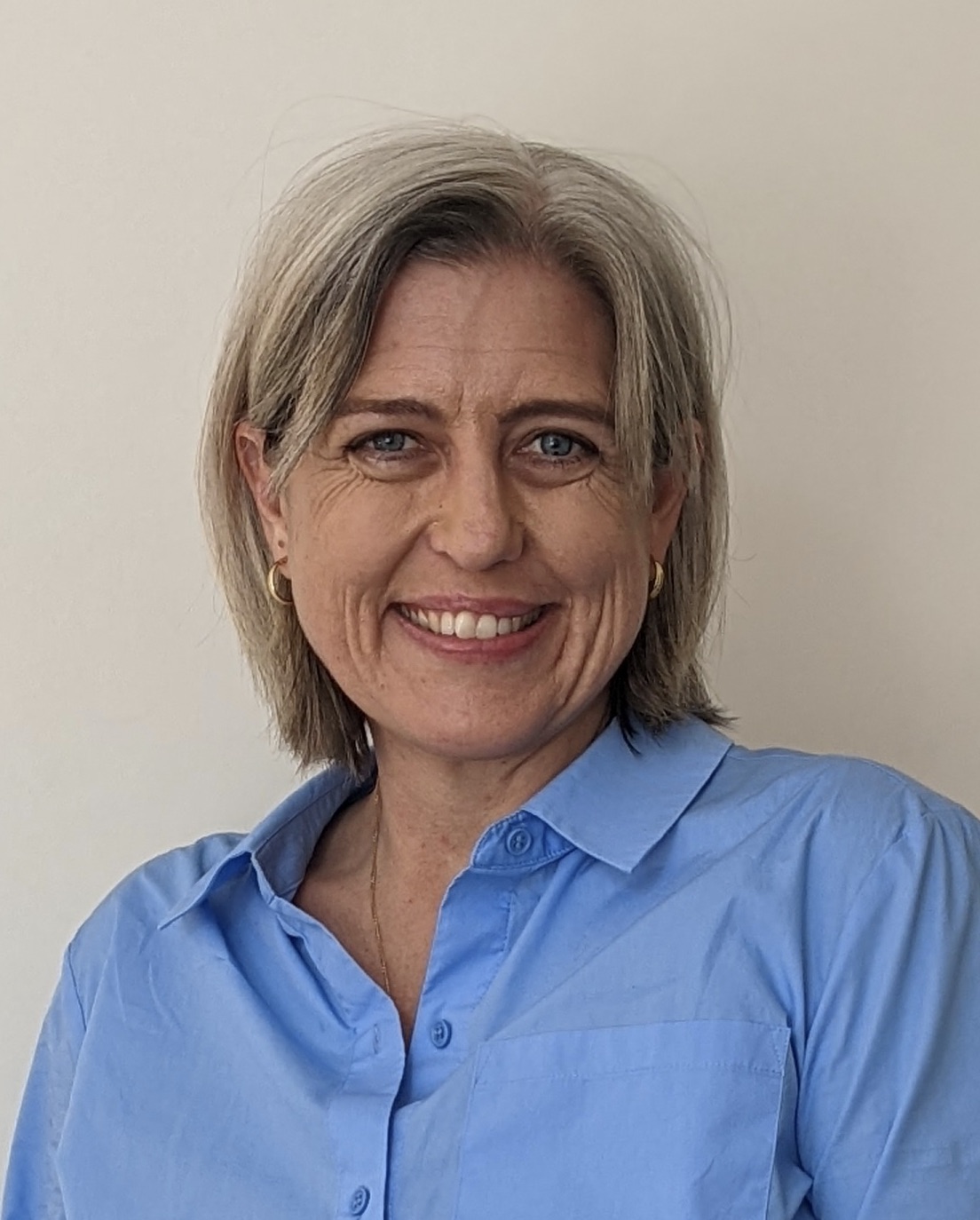
Erin Waters
- JCU Associate Professor
- erin.waters@jcu.edu.au

Dennis Asante
- Research Fellow
- dennis.asante@jcu.edu.au

Kannan Maharajan
- Associate Professor, Pharmacy
- kannan.maharajan@jcu.edu.au

Fahmida Begum Mina
- Doctor of Philosophy (Medical, Molecular and Veterinary Sciences)
- fahmidabegum.mina@my.jcu.edu.au

Kootsy Canuto
- Principal Research Fellow, Indigenous Men's Health Promotion
- kootsy.canuto@jcu.edu.au

Lynsey Brown
- Adjunct Senior Lecturer
- lynsey.brown@jcu.edu.au

Ali Isin
- Adjunct Senior Research Fellow
- ali.isin@jcu.edu.au
Assessment of Renal Function in Neonates and infants using Cystatin C. (Old ID 27135)
Diagnosis of early acute kidney injury (AKI) can prevent renal failure in babies (<2 years of age). This non-invasive method validation study will utilise parallel alternative method testing for renal function tests, to examine the clinical applicability and accuracy of implementing Cystatin-C (Cys-C), as a preferred biomarker for early AKI by: (1) determining if Cys-C is a more sensitive marker of impaired renal function and decline compared to serum creatinine in this cohort; (2) determine if eGFR derived from Cys-C is a more sensitive predictor of renal function decline; and (3) produce a clinical reference range for Cys-C for this cohort.
TRIAGE: A disease agnostic computational and modelling platform to accelerate variant classification (Old ID 27849)
This proposal develops a disease-agnostic, high throughput and scalable functional genomics platform integrating computational variant prediction and disease modelling to increase the diagnostic rate of unresolved cases and accelerate development of experimental therapeutics. We implement a novel unsupervised, disease agnostic, genome-wide computational analysis method called TRIAGE which provides predictions at single base resolution across the human genome, revealing the likelihood of a variant being pathogenic. No other methods compare with TRIAGE in identifying genes associated with developmental process and cell differentiation where variants in these loci are associated with congenital disease and multi-organ syndromes. Our team of experts across Australia’s research and clinical sectors bring skills in bioinformatics, statistical genetics, clinical genetics, and disease modelling. In Aim 1 we incorporate tested genome-wide metrics, such as TRIAGE, to build open access machine learning methods that enhance variant prediction in clinical data. Aim 2 implements TRIAGE in Australian Genomic cohorts and registries to identify prioritised and novel candidates for disease modelling and develop strategies and guidelines for advancing TRIAGE in clinical genetic diagnostics and functional genomics networks. Aim 3 uses TRIAGE to prioritise variants for disease modelling across a multi-institutional phenotyping platform. Disease modelling includes innovative genome-wide molecular phenotyping coupled with physiological assays in cell and animal models. At the completion of the grant, we aim to implement TRIAGE in standard clinical genetic analysis protocols and deliver phenotyping data to assist in classification of unresolved genetic diseases. These achievements will result in diagnoses and mechanism of disease that will directly benefit patients in obtaining medical and psychosocial support and create pathways to new therapies.
Developing culturally appropriate assessments for people with dementia (Old ID 28929)
This study's aim is to develop culturally appropriate measures of anxiety and depression for older adults living with dementia in the Torres Strait. This is of significance given high rates of psychological distress identified in First Nations peoples. Outcomes from the study will (1) improve the accurate and timely diagnosis of comorbid psychological conditions in people with dementia; and (2) clarify differential diagnosis of dementia in older Torres Strait adults. Having culturally appropriate tools will facilitate equity of assessment for treatment within an underserved and disadvantaged group and ensure appropriate treatment and management within this vulnerable population of older adults.
Proposed development of revised framework for operational and implementation research in health and disease control programmes. (Old ID 27222)
Strong, responsive and resilient health systems are the critical foundation for global health security. Health systems depend on effective functioning of both people and networks in order to implement effective disease control programmes, detect and respond quickly to infectious disease threats and develop evidence-informed policy/practice. The purpose of this work is to develop a revised framework for operational and implementation research (OR/IR) in health and disease control programs. This framework can be used to develop adequate and sustainable OR/IR capacity in public health programs and create an organisational culture of policy and practice that is informed by evidence-informed decision making.
Strengthening the Quality of Dementia Care in Aboriginal and Torres Strait Islander Residential Aged Care (Old ID 27652)
Aim: Develop and field-test an audit tool for assessing the standard of dementia care in Aboriginal/Torres Strait Islander residential aged care (RAC), against Quality Standards and Best Practice guidelines for dementia care. Method: - Undertake scoping review on best practice dementia care; - Develop a standardised audit tool based on scoping review evidence; - Field-test tool to evaluate face and content validity and inter-rater reliability. Outcome: Best practice dementia care audit tool and accompanying manual. Significance: Groundwork for a larger funding application to Dementia Australia that will test the audit tool and inform the feasibility and acceptability of a continuous quality improvement approach for strengthening dementia care in Aboriginal/Torres Strait Islander RAC.
ABCD Case Studies Project: Quality improvement in Aboriginal primary health care: lessons from the best to better the rest. (Old ID 20865)
High performing primary health care (PHC) services are essential to "close the gap" in Aboriginal and Torres Strait Islander health outcomes. Little previous research has investigated the contextual factors around a particular service that influence the success of quality improvement initiatives. We aim to transfer knowledge about the processes that facilitate the success of quality improvement initiatives in these services whilst building research and evaluation capacity in the services.
Quality Improvement in Indigenous Primary Health Care: Leveraging Effective Ambulatory Practices (LEAP) (Old ID 22468)
Continuous quality improvement (CQI) initiatives are well-accepted as an effective means for improving quality of care at primary health care (PHC) services. However, there remains significant variation in the quality of care provided between individual services and the degree of response to CQI activities. This sis so despite active and effective CQI networks supported by a number of organisations. Understanding the detail of this variability is vital before quality improvement initiatives in Indigenous PHC can be effectively scaled-up and expanded. We aim to enhance understanding of how quality improvement initiatives in Indigenous PHC can be rolled out on a broader scale, particularly in services that face capacity and resource-based challenges, through I0 building on our understanding of how contextual factors interact to facilitate or limit the success of CQI initiatives; and ii) collaborative development and testing of a toolkit of interventions to address barriers to improvement.
Establishing Baseline Health Assessment Criteria for Green Turtles (Chelonia Mydas) (Old ID 22137)
The first part of this project is to optimise procedures involved in assessing turtle health. The second part is to collect data for reference ranges. The third part is to analyse influence of age, location, season, sex and exertion on the results of the assessment. The ultimate output of this project is a robust and obje3ctive method for assessing turtle health, with will facilitate diagnosis and treatment of sick animals and enable assessment of population health of green turtles.
Viral Causes of Crayfish Handling Mortalities (Old ID 23613)
Northern Queensland crayfish from farms affected by stress, particularly transportation stress, started to die with mortality reaching 20-40% after about three weeks. Two new viruses were found, Cheque iflavirus and Athtab Bunya-like virus. This research will determine the infection cycle of the viruses to understand how to intervene and control the impact of these viruses.
Securing the frontline for health secure communities (Old ID 26522)
The aim is to build capacity to detect/respond to infectious disease outbreaks through frontline public health (human and animal) workforce which includes community members, volunteers, community health workers, environmental health workers, biosecurity and environmental officers and primary health care staff. This will be achieved through: Strengthened capability at community/primary care levels to anticipate outbreaks; Improved response at early stages of potential outbreaks; A quality timely and thorough response to outbreaks at the frontline level ; An operational learning and feedback process for continued improvement and currency of detection of and response to infectious diseases outbreaks.
Lack of an effective drug therapy for abdominal aortic aneurysm
- 2020
- Wiley-Blackwell
- Researchers:Jonathan GolledgeJoseph Moxon
A novel function for HEG1 in promoting metastasis in hepatocellular carcinoma
- 2019
- Portland Press
- Researchers:Lionel Hebbard
Immunotherapeutic options for inflammation in trauma
- 2020
- Lippincott, Williams & Wilkins
- Researchers:Hayley Letson
Start Date:
01 Jan 2015
End Date:
01 Jan 2016
Start Date:
01 Jan 2022
Start Date:
01 Jan 1996
End Date:
01 Jan 2013
Start Date:
01 Jan 2009
End Date:
01 Jan 2009
Start Date:
01 Jan 1999
End Date:
01 Jan 1999