
College of Medicine & Dentistry
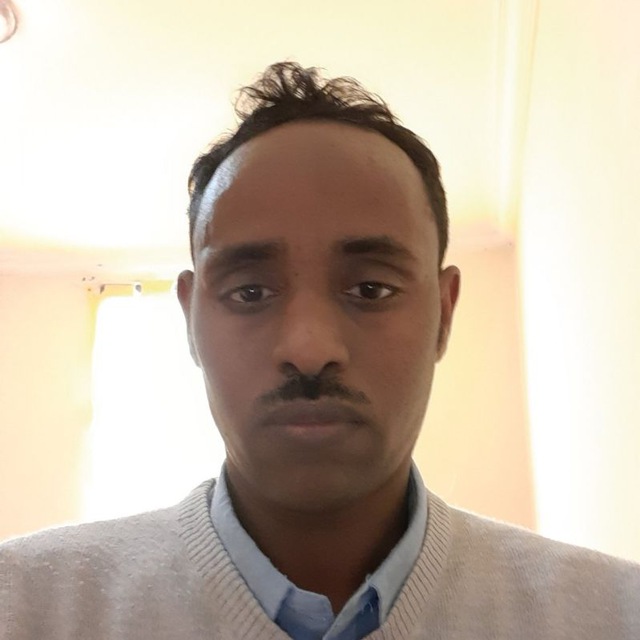
Semagn Abate
- Doctor of Philosophy (Health)
- semagn.abate@my.jcu.edu.au

Joseph Kamara
- Senior Lecturer Disaster Health and Humanitarian Assistance
- joseph.kamara@jcu.edu.au

Eric Kalo
- Lecturer Medical Education
- eric.kalo@jcu.edu.au
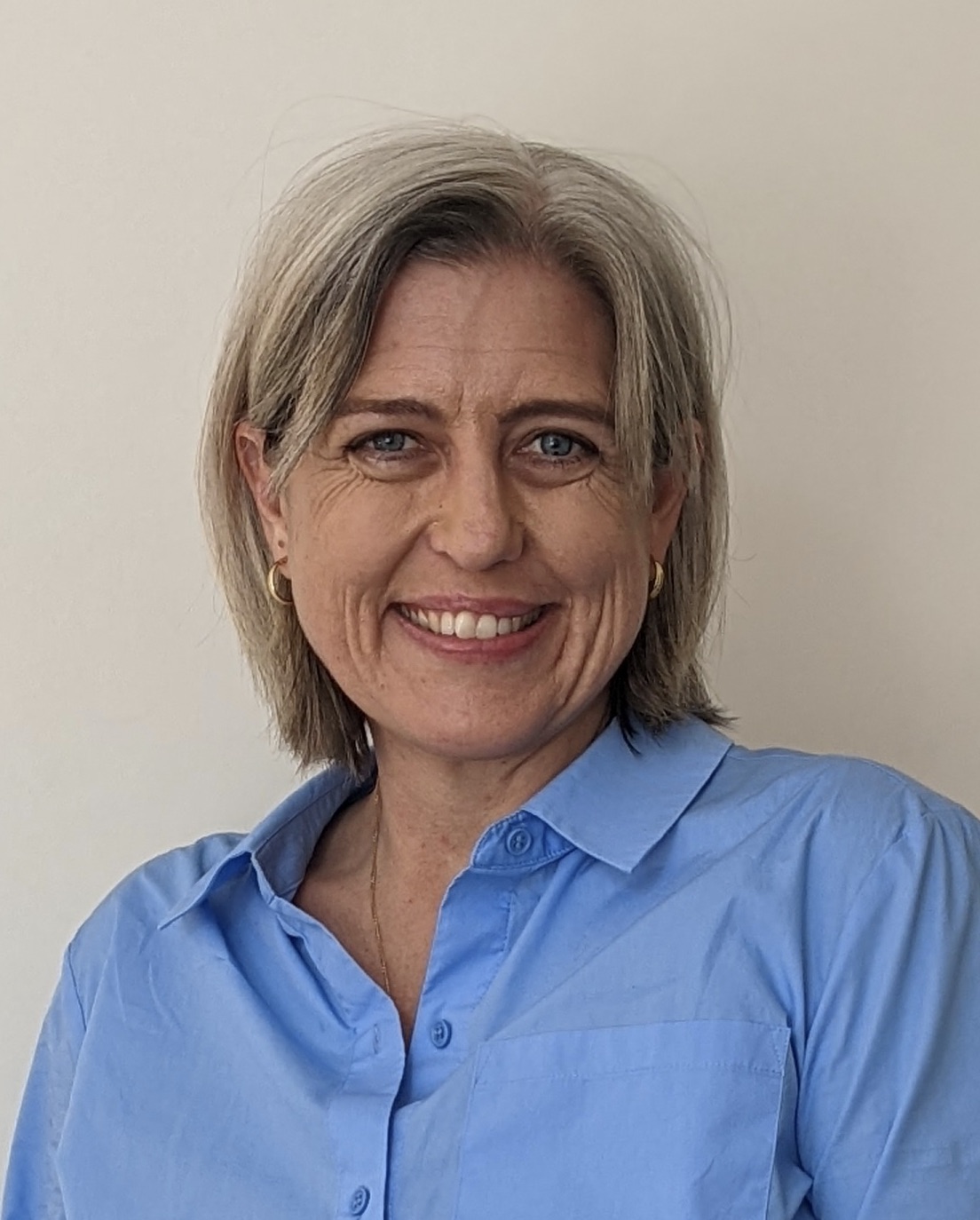
Erin Waters
- JCU Associate Professor
- erin.waters@jcu.edu.au

Kannan Maharajan
- Associate Professor, Pharmacy
- kannan.maharajan@jcu.edu.au

Fahmida Begum Mina
- Doctor of Philosophy (Medical, Molecular and Veterinary Sciences)
- fahmidabegum.mina@my.jcu.edu.au
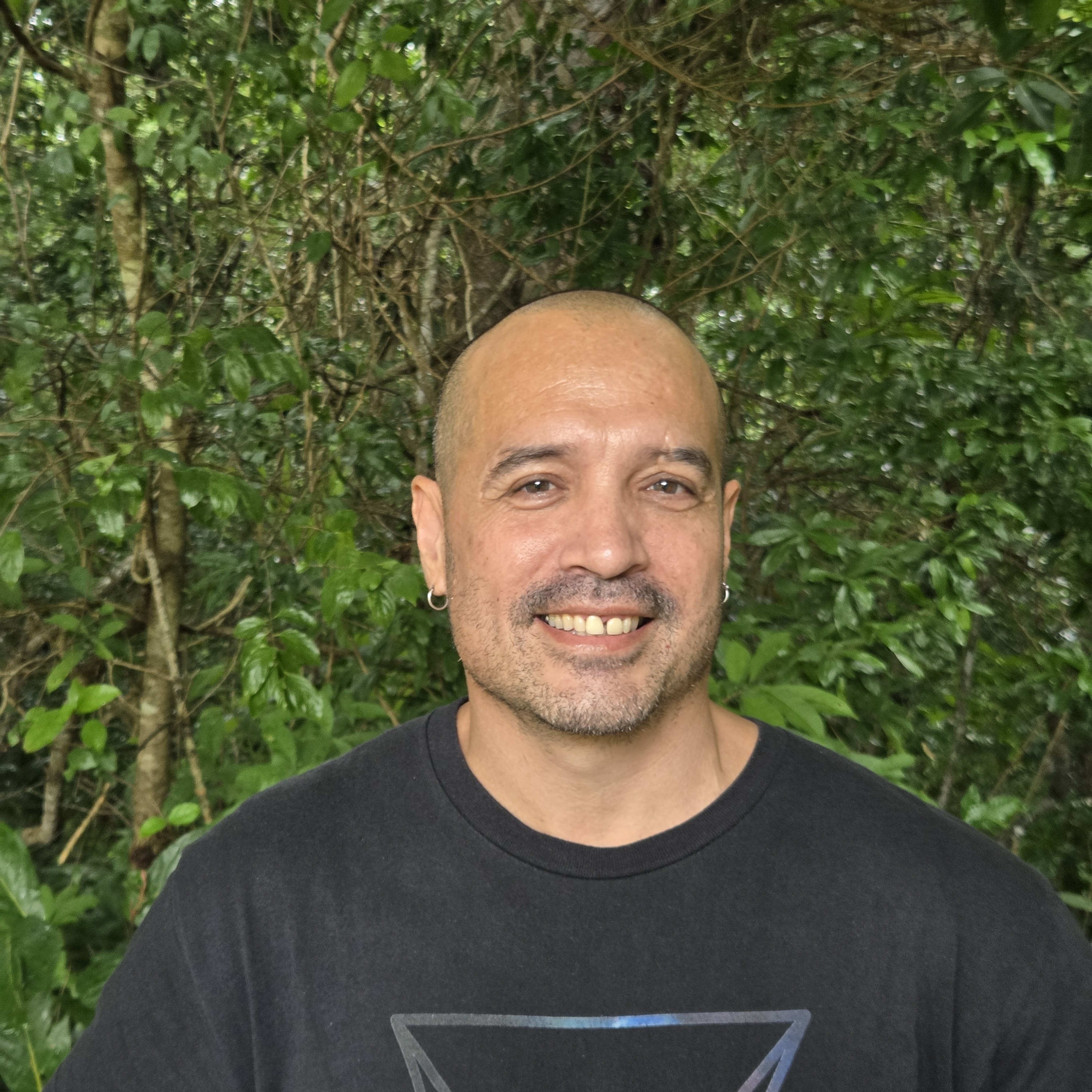
Kootsy Canuto
- Principal Research Fellow, Indigenous Men's Health Promotion
- kootsy.canuto@jcu.edu.au

Lynsey Brown
- Adjunct Senior Lecturer
- lynsey.brown@jcu.edu.au

Ali Isin
- Adjunct Senior Research Fellow
- ali.isin@jcu.edu.au

Muideen Olaiya
- Senior Research Fellow
- muideen.olaiya@jcu.edu.au
Divine Word University and JCU Academic Strengthening Partnership
Funded by Australian High Commission/Australian Awards PNG this ongoing partnership supports the co-delivery of workshop for MBBS preceptors. The workshops host JCU experts in the field of Medical Health Sciences and designed to address the competencies and skills required for successful MBBS curriculum implementatio
Mental Health Collaborative Evaluation Project
Western Queensland PHN is one of 31 PHNs established to improve the efficiency and effectiveness of primary care services for patients, particularly those at risk of poor health outcomes. The mental health collaborative is part of the wider Australian Primary Care Collaborative (APCC) program which is a key part of the Australian General Practice quality improvement landscape. The mental health collaborative aims to encourage practices to engage in a continuous quality improvement (CQI) approach to improve mental health care provided and health outcomes. The program provides support to general practices and other primary health care services to deliver rapid, measurable, systematic and sustainable improvements in the care they provide to patients. The purpose of this evaluation is to determine the association of implementation of the mental health collaborative with changes in client outcomes (particularly overall wellbeing and functioning) over a 12 month period.
Identification of good practices in engaging communities in research for implementation and in social innovation in health in low- and middle-income countries
This project will undertake a systematic review to identify lessons learned around processes to engage communities in health services research in low and middle countries in South East Asia and the Pacific. It will focus on both the types of engagement (participants, stakeholders, partners, initiators and leaders) and the results update processes and outcomes. It will adhere to the Preferred Reporting Items for Systematic Reviews and Meta- Analysis (PRISMA) checklist and access published, systematic reviews and grey literature.
Using virtual and augmented reality with Vive.
This pilot project aims to test the application the Vive System initially in a small cohort using two devices and to explore how effective the Vive system is at engaging students in a fun and interactive way when learning about anatomy.
Interactive and adaptive histology resource
This project aims to produce an interactive, adaptive learning resource that allows students to view high quality images of JCU Anatomy slides.
Mixed Reality and its applications in anatomy - HoloAnatomy.
This pilot project will trial two HoloLens 2 headsets in a first year anatomy subject, with a view to expand into other subjects. The HoloLens is a mixed reality headset that immerses students in a virtual learning experience, and enhances students learning and engagement in anatomy.
Establishment of a pilot Home Group program in Biomedicine
The aim of this project is establish a Biomedicine Home Group program initially for the first year students in an attempt to improve the pastoral care and psychological wellbeing of the students, while focusing on their academic development. The Home Group program will be based on the already established and very successful MBBS home groups in CMD.
3D Printing in Anatomy
Models are often used in anatomy for teaching structures that cannot be easily seen in the cadavers. Models are used to clarify the more complex anatomical structures, therefore some models would have to be custom made. The size and the materials used to create the model can vary greatly and can significantly how effective the model will be for teaching.
Development of an E-Book - Introduction to Organogenesis
Organogenesis is an area that students struggle with mainly because the processes that are being taught have no physical representation such as cadavers or models for the gross anatomy and tissue slides for the histology. This makes an interactive ebook an ideal platform for the students to interact with and grasp the main concepts of organogenesis, in order for them to achieve a deeper understanding of human anatomy and complement the current curriculum.
Regenerating lizard tails: A new model for investigating lymphangiogenesis
- 2003
- Researchers:Suzy Munns
Association of osteoprotegerin with human abdominal aortic aneurysm progression
- 2005
- American Heart Association
- Researchers:Jonathan Golledge
A simple plan: cnidarians and the origins of developmental mechanisms
- 2004
- Nature Publishing
- Researchers:David Miller
Title:
PhD, University of Waikato
Start Date:
01 Jan 2003
End Date:
01 Jan 2007
Start Date:
01 Jan 1996
Start Date:
01 Jan 2001
End Date:
01 Jan 2003
Start Date:
01 Jan 2002
End Date:
01 Jan 2009
Start Date:
01 Jan 1996
End Date:
01 Jan 2000
Start Date:
01 Jan 2003
End Date:
01 Jan 2004
Start Date:
01 Jan 1996
End Date:
01 Jan 2001
Start Date:
01 Jan 2011
Start Date:
01 Jan 2007
Start Date:
01 Jan 2003