
College of Medicine & Dentistry
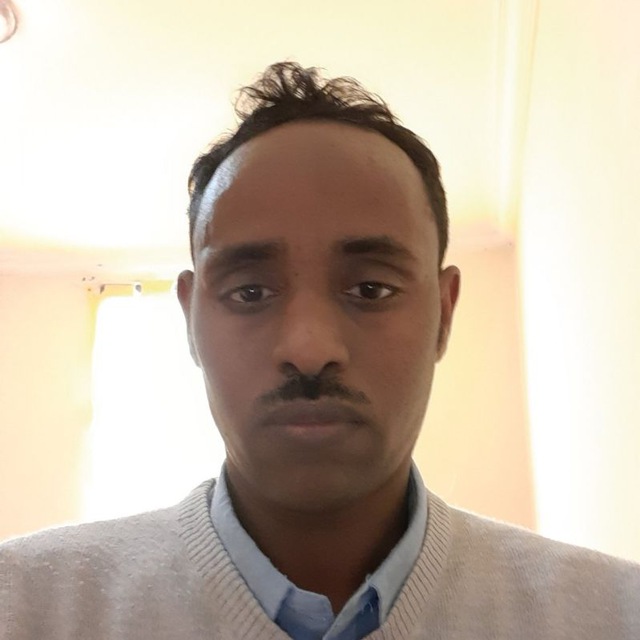
Semagn Abate
- Doctor of Philosophy (Health)
- semagn.abate@my.jcu.edu.au
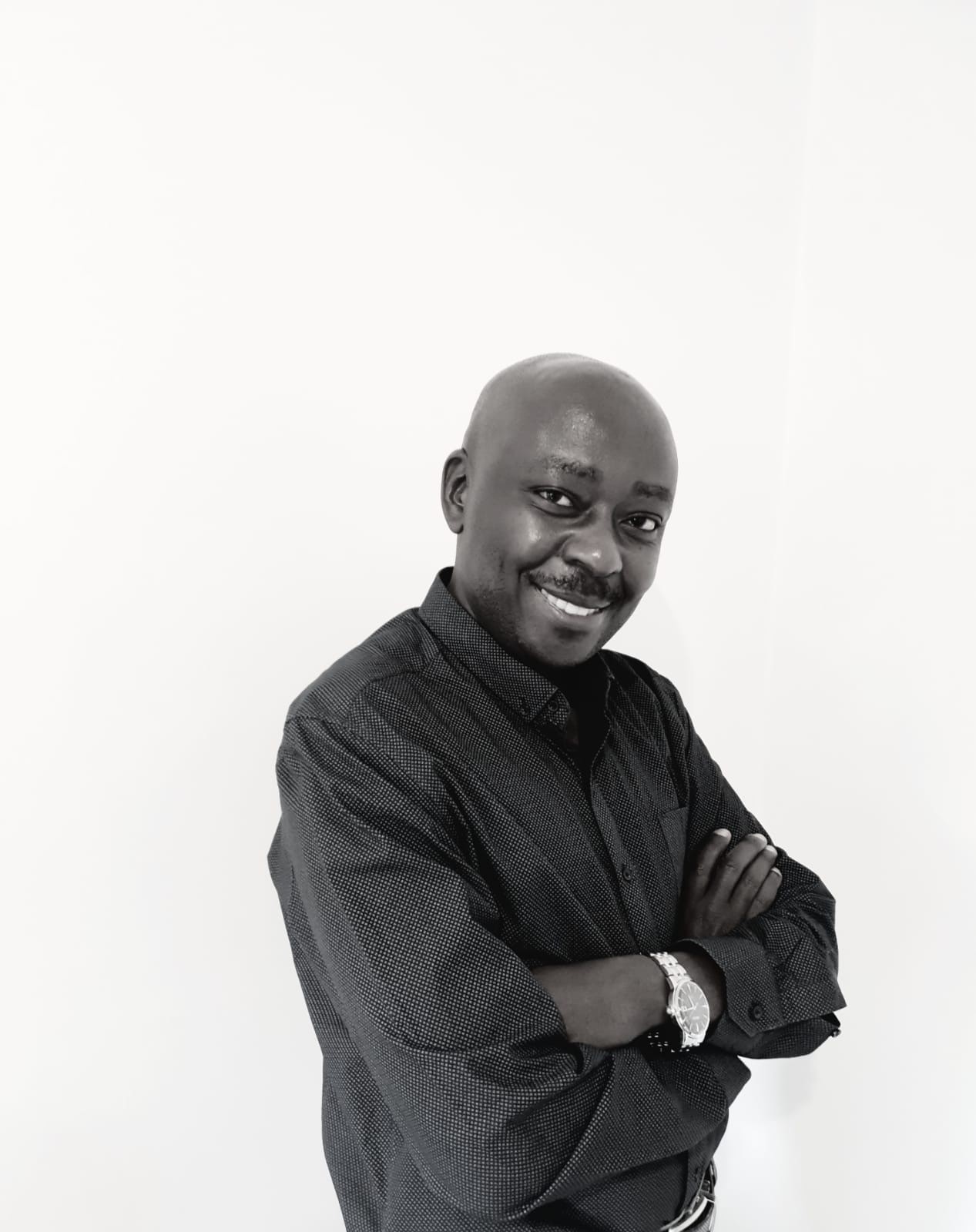
Joseph Kamara
- Senior Lecturer Disaster Health and Humanitarian Assistance
- joseph.kamara@jcu.edu.au

Eric Kalo
- Lecturer Medical Education
- eric.kalo@jcu.edu.au
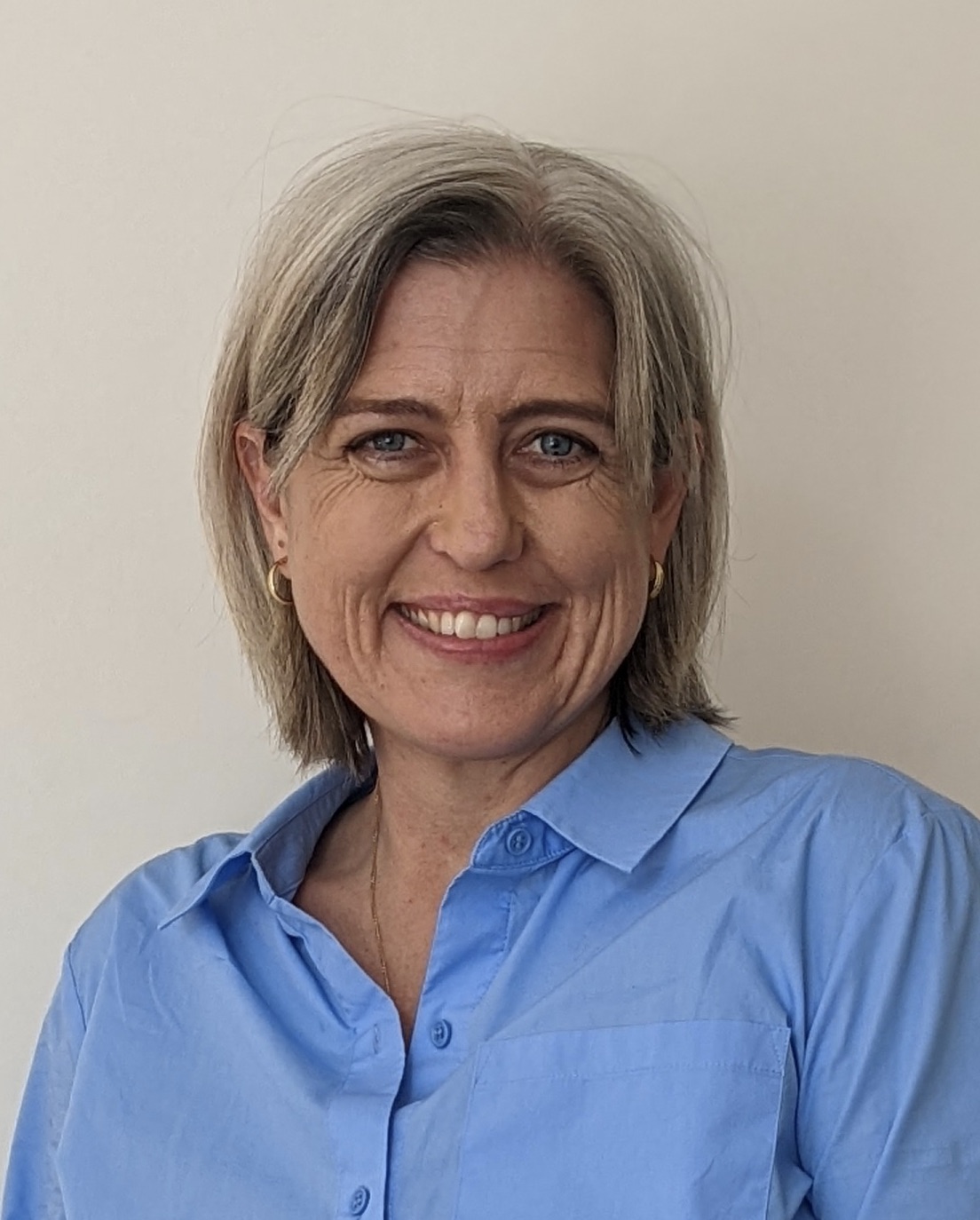
Erin Waters
- JCU Associate Professor
- erin.waters@jcu.edu.au
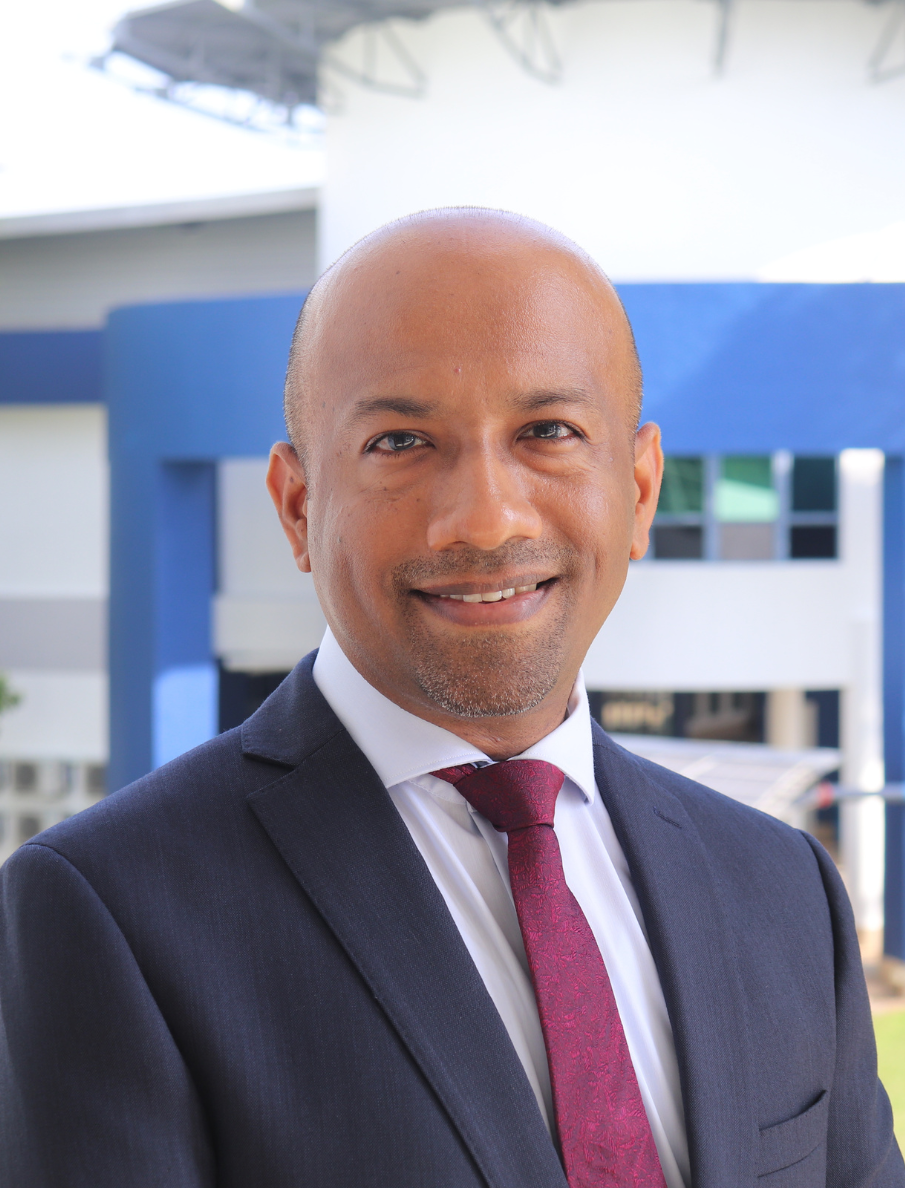
Kannan Maharajan
- Associate Professor, Pharmacy
- kannan.maharajan@jcu.edu.au

Fahmida Begum Mina
- Doctor of Philosophy (Medical, Molecular and Veterinary Sciences)
- fahmidabegum.mina@my.jcu.edu.au

Lynsey Brown
- Adjunct Senior Lecturer
- lynsey.brown@jcu.edu.au

Ali Isin
- Adjunct Senior Research Fellow
- ali.isin@jcu.edu.au
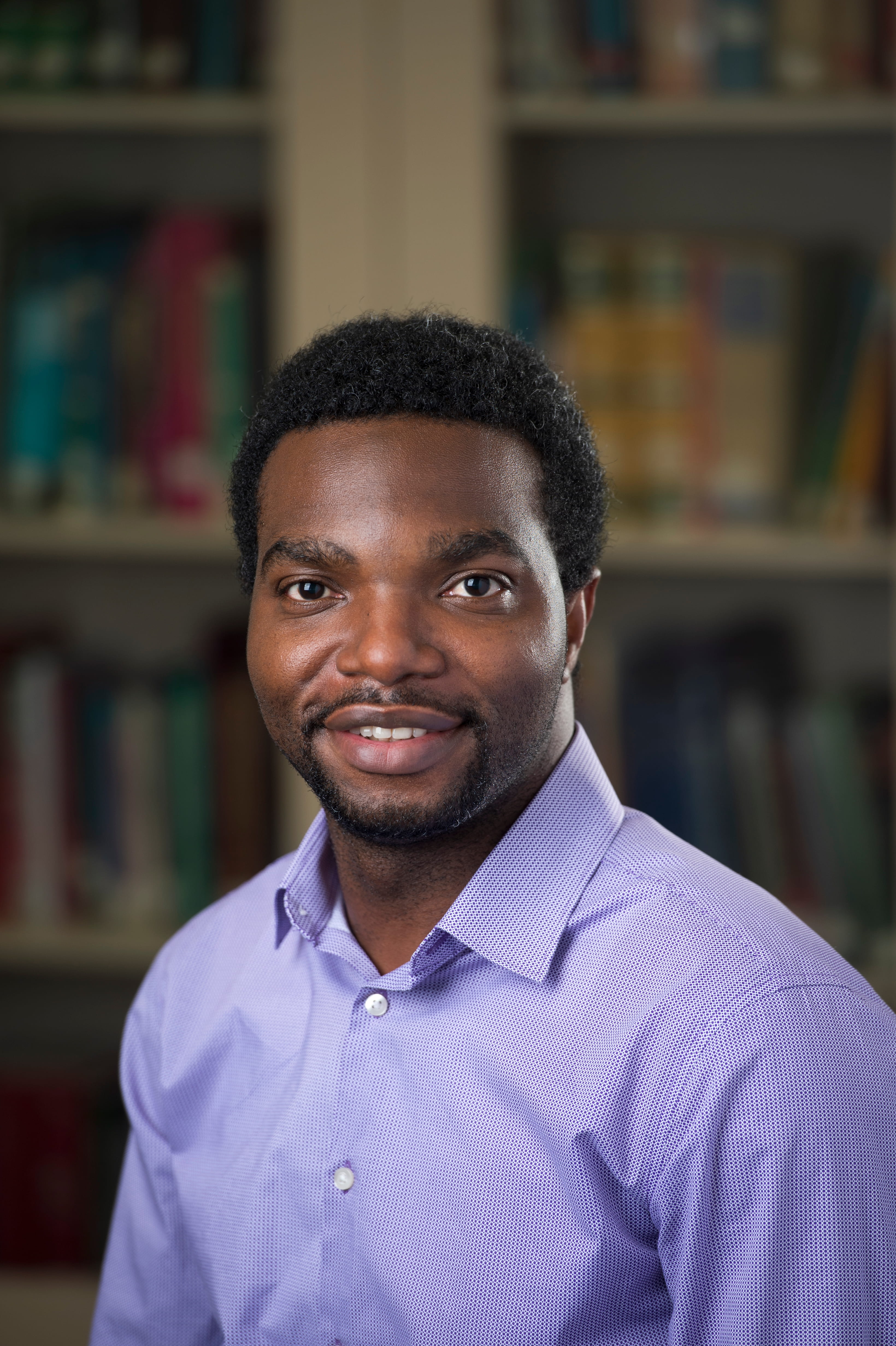
Muideen Olaiya
- Senior Research Fellow
- muideen.olaiya@jcu.edu.au

Mila Grinblat
- Postdoctoral Research Fellow
- mila.grinblat@jcu.edu.au
Identification of good practices in engaging communities in research for implementation and in social innovation in health in low- and middle-income countries
This project will undertake a systematic review to identify lessons learned around processes to engage communities in health services research in low and middle countries in South East Asia and the Pacific. It will focus on both the types of engagement (participants, stakeholders, partners, initiators and leaders) and the results update processes and outcomes. It will adhere to the Preferred Reporting Items for Systematic Reviews and Meta- Analysis (PRISMA) checklist and access published, systematic reviews and grey literature.
Using virtual and augmented reality with Vive.
This pilot project aims to test the application the Vive System initially in a small cohort using two devices and to explore how effective the Vive system is at engaging students in a fun and interactive way when learning about anatomy.
Interactive and adaptive histology resource
This project aims to produce an interactive, adaptive learning resource that allows students to view high quality images of JCU Anatomy slides.
Mixed Reality and its applications in anatomy - HoloAnatomy.
This pilot project will trial two HoloLens 2 headsets in a first year anatomy subject, with a view to expand into other subjects. The HoloLens is a mixed reality headset that immerses students in a virtual learning experience, and enhances students learning and engagement in anatomy.
Establishment of a pilot Home Group program in Biomedicine
The aim of this project is establish a Biomedicine Home Group program initially for the first year students in an attempt to improve the pastoral care and psychological wellbeing of the students, while focusing on their academic development. The Home Group program will be based on the already established and very successful MBBS home groups in CMD.
3D Printing in Anatomy
Models are often used in anatomy for teaching structures that cannot be easily seen in the cadavers. Models are used to clarify the more complex anatomical structures, therefore some models would have to be custom made. The size and the materials used to create the model can vary greatly and can significantly how effective the model will be for teaching.
Development of an E-Book - Introduction to Organogenesis
Organogenesis is an area that students struggle with mainly because the processes that are being taught have no physical representation such as cadavers or models for the gross anatomy and tissue slides for the histology. This makes an interactive ebook an ideal platform for the students to interact with and grasp the main concepts of organogenesis, in order for them to achieve a deeper understanding of human anatomy and complement the current curriculum.
Effect of angiopoietin 1 in a mouse model of ischaemic stroke
Stroke is the second biggest cause of mortality in Australia and has a huge socio-economic burden to the health care system. Our research aims to look at how cerebral ischemic stroke outcome can be improved.
We aim to establish an animal model for cerebral ischemic stroke, explore the mechanism behind the reduction of a key protein after stroke and assess the effect this protein has in improving patient outcome. This research will provide a reproducible stoke model, establish whether our protein of interest can improve stroke outcome and help explain the mechanism behind the regulation of this protein.
A novel protective role for Sclerostin in abdominal aortic aneurysm
Abdominal aortic aneurysm (AAA) is a potentially fatal cardiovascular disease with
multifactorial development and progression. Sclerostin is an inhibitor of the bone
morphogenesis protein and our preliminary data highlights its potential role in AAA. We
aim to assess the role of Sclerostin in experimental AAA progression and the mechanisms
of Sclerostin expression in AAA.
Regenerating lizard tails: A new model for investigating lymphangiogenesis
- 2003
- Researchers:Suzy Munns
Association of osteoprotegerin with human abdominal aortic aneurysm progression
- 2005
- American Heart Association
- Researchers:Jonathan Golledge
A simple plan: cnidarians and the origins of developmental mechanisms
- 2004
- Nature Publishing
- Researchers:David Miller
Start Date:
01 Jan 2017
End Date:
01 Jan 2017
Title:
English
Title:
Qualification as a specialist in Family Practice / Family Medicine (Specialist i Allmänmedicin) 1991
Start Date:
01 Jan 1984
Start Date:
01 Jan 1980
Start Date:
01 Jan 2020
End Date:
01 Jan 2020
Start Date:
01 Jan 1975
Start Date:
01 Jan 1973
Start Date:
01 Jan 2010
End Date:
01 Jan 2021
Start Date:
01 Jan 2013
End Date:
01 Jan 2015
Start Date:
01 Jan 1997