
College of Medicine & Dentistry
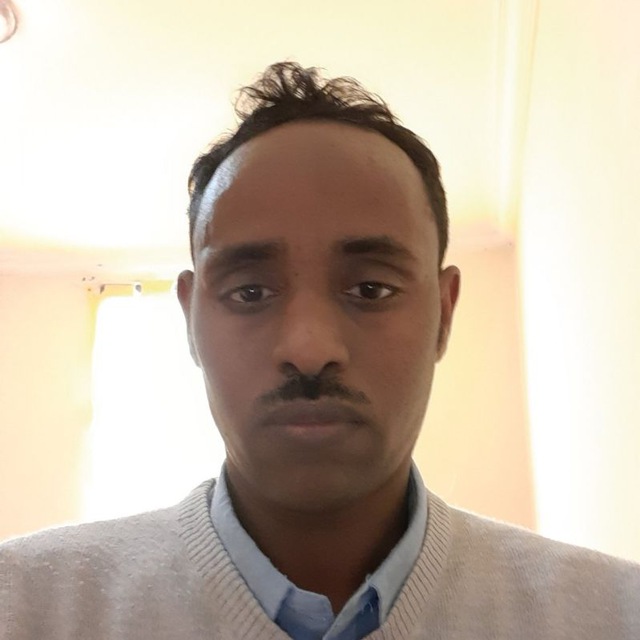
Semagn Abate
- Doctor of Philosophy (Health)
- semagn.abate@my.jcu.edu.au

Joseph Kamara
- Senior Lecturer Disaster Health and Humanitarian Assistance
- joseph.kamara@jcu.edu.au

Eric Kalo
- Lecturer Medical Education
- eric.kalo@jcu.edu.au
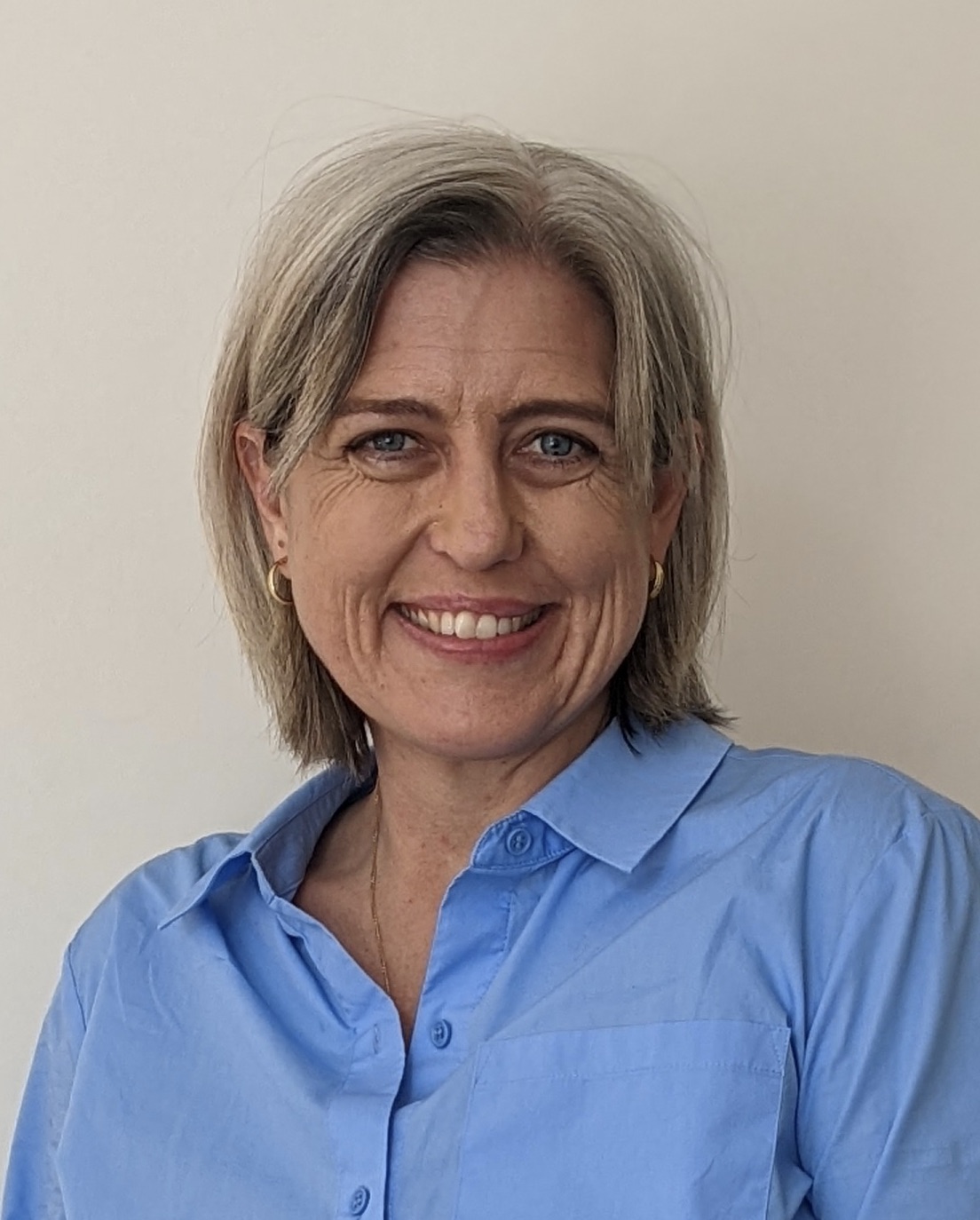
Erin Waters
- JCU Associate Professor
- erin.waters@jcu.edu.au
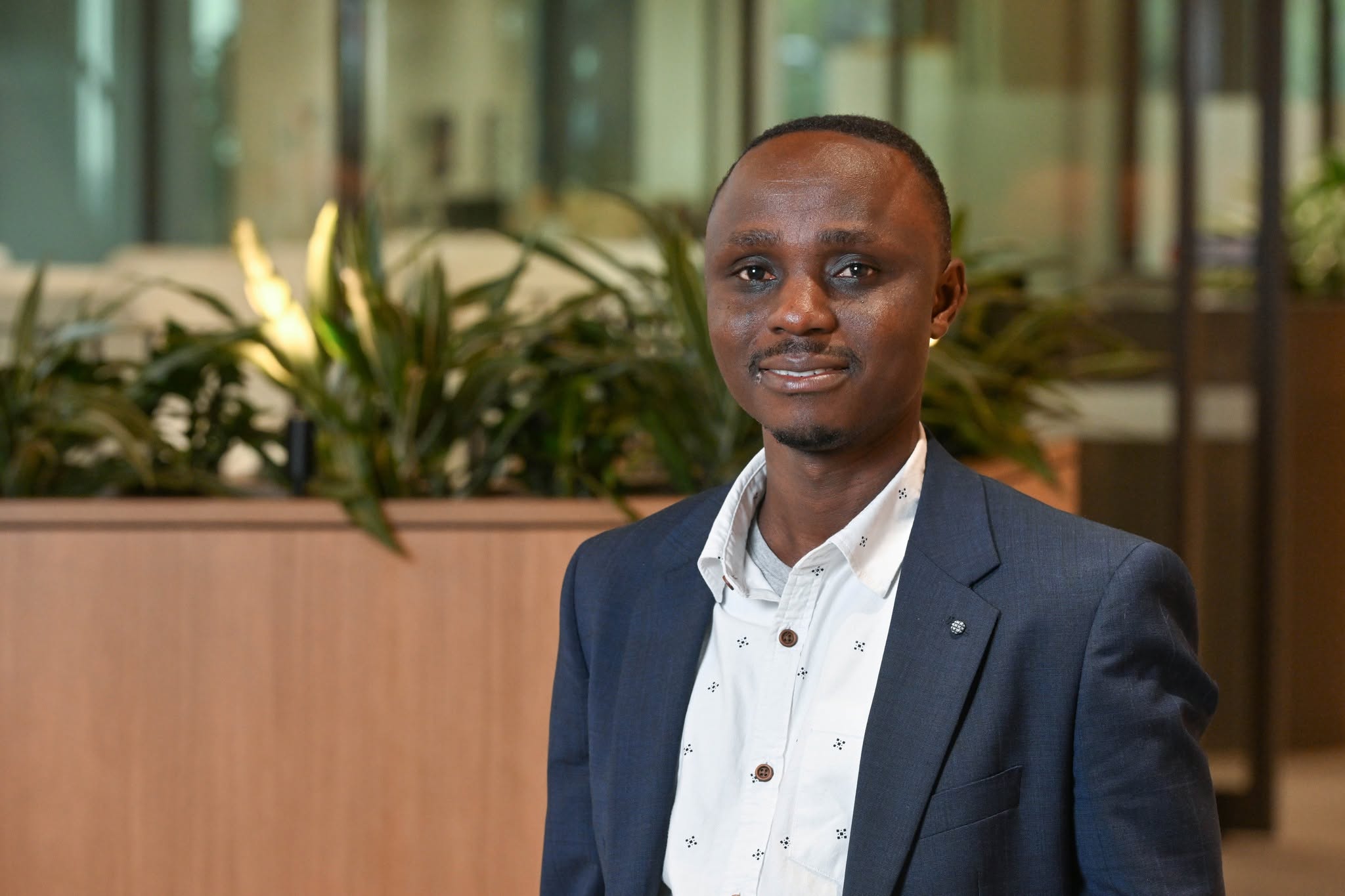
Dennis Asante
- Research Fellow
- dennis.asante@jcu.edu.au
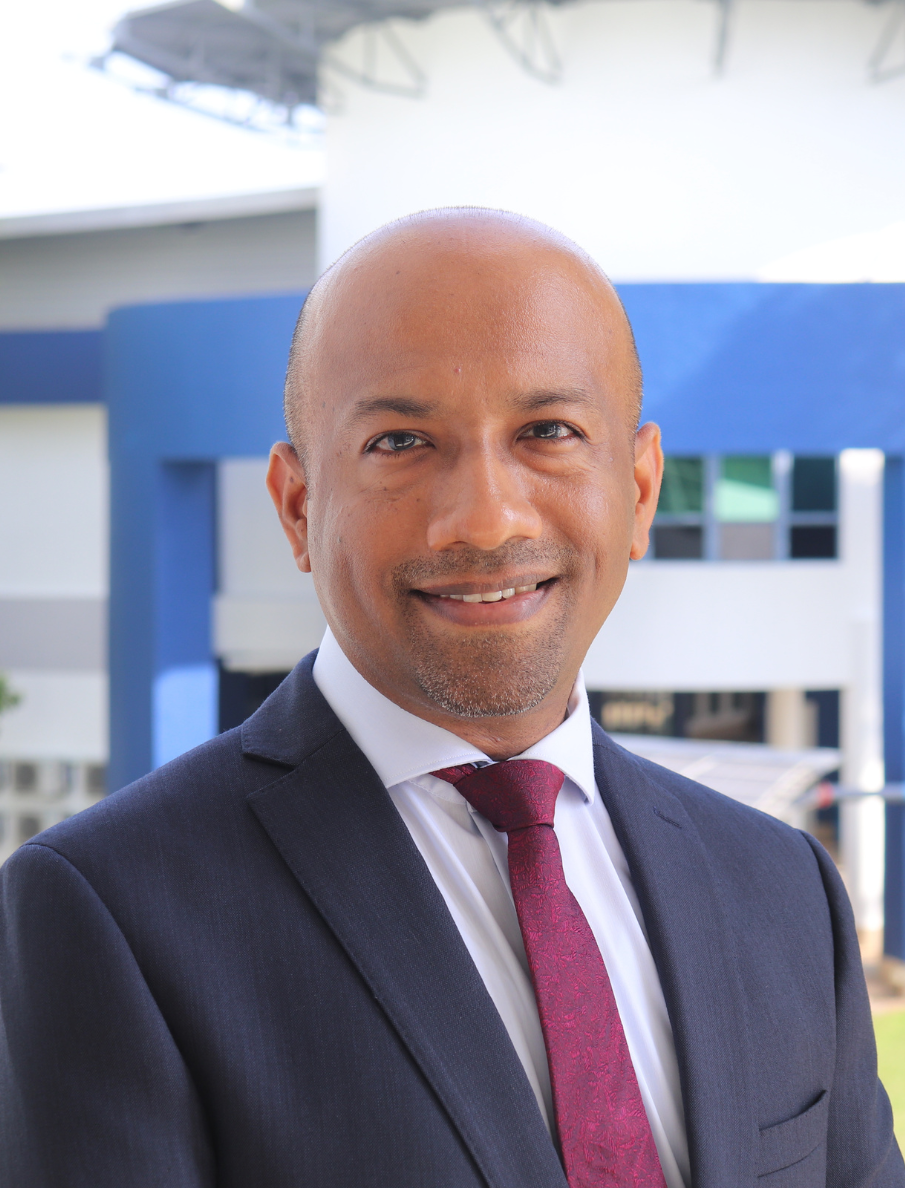
Kannan Maharajan
- Associate Professor, Pharmacy
- kannan.maharajan@jcu.edu.au

Fahmida Begum Mina
- Doctor of Philosophy (Medical, Molecular and Veterinary Sciences)
- fahmidabegum.mina@my.jcu.edu.au
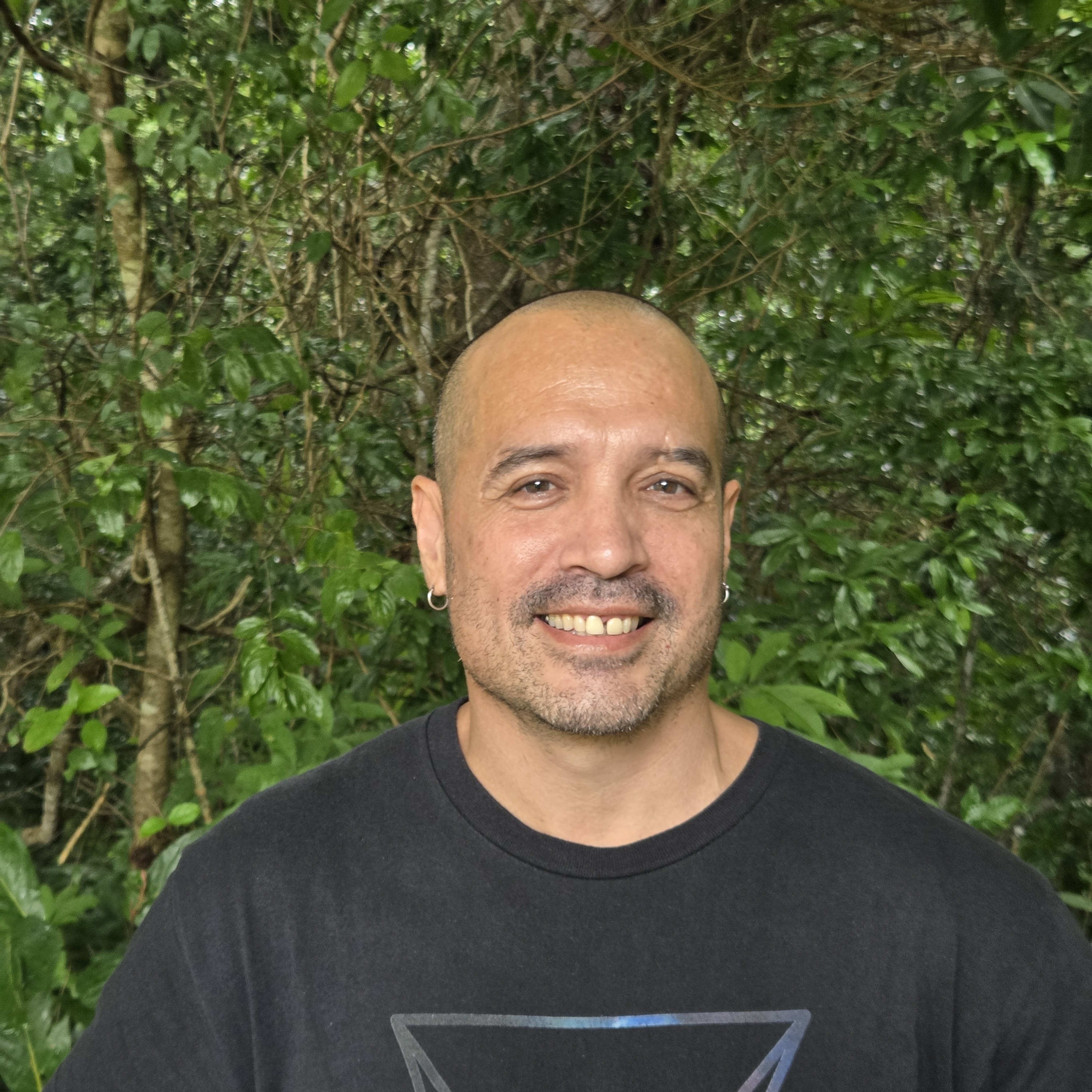
Kootsy Canuto
- Principal Research Fellow, Indigenous Men's Health Promotion
- kootsy.canuto@jcu.edu.au

Lynsey Brown
- Adjunct Senior Lecturer
- lynsey.brown@jcu.edu.au

Ali Isin
- Adjunct Senior Research Fellow
- ali.isin@jcu.edu.au
Evaluation of QAIHC Sexual Health and Wellbeing Project. (Old ID 27405)
The overall goal of the QAIHC Sexual Health and Wellbeing Project is to improve Sexually transmissible infection (STI) and blood borne virus (BBVs) services in QAIHC Member Services and to work towards reducing the number of Aboriginal and Torres Strait Islander positive notifications. To help achieve this, support is provided for Member Services to implement models of care aimed to increase client engagement, education opportunities, as well as improve screening, notification and treatment rates. Tools, resources and support are provided to participant health services to implement sexual health and wellbeing activities that are culturally safe, led by Aboriginal and Torres Strait Islander health workers and tailored to the Aboriginal and Torres Strait Islander model of care. The aim of this work is to evaluate the implementation, impact and outcomes of the QAIHC Sexual Health and Wellbeing Project.
STRengthening Systems for Indigenous Health Equity (CRE-STRIDE) (Old ID 27033)
Growing international evidence places community-led comprehensive primary health care (PHC) systems as a central driver in improving health equity, and intersectoral action to address the social and cultural determinants of health (SCDH) mostly responsible for health inequities including racism and social exclusion, connection to family, community and culture, education and housing. Participatory Quality Improvement (QI) methods have led to substantial progress in many aspects of Indigenous PHC. Yet some of the most significant areas for improvement cannot be adequately addressed solely through the current strong clinical focus of QI. Indigenous health systems are characterised by fragmentation and detached from the priorities and leadership of communities. Further, performance between PHCs and different aspects of clinical care continues to be variable. The CRE-STRIDE co-produces novel research with Indigenous community and other PHC stakeholders to address these gaps by further embedding QI knowledge into policy and practice; enhancing the involvement of Indigenous communities in QI, and expanding QI processes to address the SCDH. Our specific strategies include: i) Indigenous research leadership and two-way mentoring and learning; ii) strengthening QI processes within PHC systems and enhancing community linkages; and iii) extending QI processes and collaborations across sectors to promote health and strengthen determinants of wellbeing.
Understanding the experience of women in a tuberculosis hot spot in Solomon Islands to effectively find, treat and care for people with tuberculosis. (Old ID 28952)
• TB remains at unacceptable rates in East Kwaio, Malaita, Solomon Islands. There still are many more undiagnosed cases, or new cases, known to occur amongst people living in mountainous areas. • Women are central to the care of children and family members, including being responsible for growing food. They experience tuberculosis, and care of people with tuberculosis, differently to men and children because of these responsibilities. • Barriers to finding, testing and treating TB remain due to social and cultural challenges faced by women, health system exclusion and geographic isolation. The aim of this qualitative study is to explore and describe women's experience of tuberculosis in East Kwaio, Solomon Islands to determine how to effectively test, treat and support people with tuberculosis.
Metal concentrations in green turtles on the Great Barrier Reef (Old ID 26767)
The aim of this study is to investigate metal concentrations in green turtles foraging at four study sites before and after the wet season and the 2019 North Queensland flood event. Funding is requested for ICP-MS sample analysis of metal exposure in seagrass species and green turtles with the aim of better understanding the full extent of metal exposure at a number of coastal study sites of the Northern Great Barrier Reef, impacted by anthropogenic activity.
National Research Project on Remote Radiology Assessment Service Delivery (Old ID 23150)
This project will investigate outcomes of the BreastScreen Australia remote radiology assessment trial at sites through9out Australia. Engaging a remote radiologist may assist with overcoming many challenges associated with providing health services in a regional, rural or remote location. This project seeks to ensure that the alternative model of service delivery is appropriate for consumers, evidence-based and safe. Specifically, this project will assess how the new remote radiology model affects: - Patient safety - Patient acceptability - Staff acceptability of new model of service provision - The safe, efficient organisation of BreastScreen services
CHRONIC PELVIC PAIN FAECAL MICROBIOME STUDY (Old ID 27087)
Chronic pelvic pain (CPP) is defined as non-cyclical pain in the area of the pelvis for most days for more than 3-6 months, unrelated to pregnancy. Prevalence of CPP worldwide is estimated to be between 15 % to 25.4%.In the recent years the important role the human gut microbiome plays in health has been elucidated. Several studies have indicated a strong link between dysbiosis of the gut microbiome and CPP aetiology. There is growing interest in the interaction between the gut microbiome and CPP. This project will analyse the microbiome of patients with CPP and explores any possible associations.
Indroducing Mitochondrial Donation into Australia: Healthy Outcomes Pilot and Evaluation (MitoHOPE)
MitoHOPE is an Australian wide mitochondrial donation and reproduction options program designed to safely meet the needs of people who have mitochondrially coded mitochondrial disease.
Mitochondrially coded mitochondrial disease (mito hereafter), is matrilineally inherited, and can cause life-long illness, suffering and debility. It often shortens life. Mitochondrial donation is a reproductive technology that can reduce the chances of mito being passed on to children.
Participants: The focus of this project is Australian citizens who have a diagnosis of mito or are nearing diagnosis, are of reproductive age and seeking to build their families, but are concerned about the possible impacts of mito disease being passed on to future children.
Intervention: MitoHOPE has formed a consortium with MonashIVF and other agencies to provide safe yet efficient access to reproductive options for women, including mitochondrial donation. MitoHOPE will establish two world class laboratories that will refine mitochondrial donation technologies – one for research purposes, the other embedded in MonashIVF for use in the later treatment phase of the project.
Outcome: MitoHOPE aims to increase health practitioner knowledge about mito, and shorten the diagnostic odyssey often experienced by those with mito. It aims to refine the existing technology and offer safe mitochondrial donation to women with mito across Australia. MitoHOPE has collaborated and will continue to do so with mito consumer organisations to achieve the best service experience for consumers.
Cairns Delirium Clinic – Evaluation Study
The aim of the present research is to; (1) document the rates of unrecognized cognitive (dementia) and psychiatric conditions (depression, PTSD, anxiety) in older adult patients who are referred to the CHHHS delirium clinic, and (2) explore patient and carer experiences of the new Delirium Clinic. Specifically, this study aims to investigate whether access to a delirium follow-up service results in better coordination of care, increased patient and carer well-being, and an improved health care system experience. 24/001391
Material Transfer Agreement
Material Transfer Agreement:
Purpose of use: Investigating plant-derived antimicrobial molecules as potential antiviral agents in viral infections.
Research into the lived experiences of Australian South Sea Islander people, including levels of disadvantage (DES1231850)
This contract research will explore lived experiences of Australian South Sea Islander people, including levels of disadvantage, using an exploratory qualitative research methodology and methods to build upon existing ABS data (including Index of Relative Socio-Economic Disadvantage), peer-reviewed literature and reports. The Queensland Government (Department of Environment and Science) in partnership with Multicultural Affairs Queensland are working with the Queensland United Association of South Sea Islander Communities (QUASSIC) to understand the experiences of Queensland South Sea Islanders. There is a lack of current and relevant data to evidence how it is to live as a South Sea Islander in Queensland. The President and of QUASSIC and the Research Lead of the QUASSIC Research Institute approached Redman-MacLaren (PI) to submit this application.
The study will identify and analyse existing data to inform the design, implementation and reporting of an exploratory, qualitative study to answer the research question: What are the lived experiences of Australian South Sea Islander people in two regional Queensland communities, including levels of disadvantage?
Informed by the Melanesian-developed Tok Stori research methodology, multigenerational family interviews will be facilitated by emerging South Sea Islander researcher, Ms Zia Quakawoot, with South Sea Islander families in Rockhampton and Bundaberg. These communities have been chosen as current health research is occurring in Mackay region (large SSI community) and we wish to explore a broad range of experiences while reducing risk of research fatigue. The stages of the research will be: 1) community engagement in Rockhampton and Bundaberg to ensure community support; 2) multigenerational family stories (min. n=8; approx. 24 people); participatory data analysis (with Quakawoot & QUASSIC leaders); Community meetings to discuss findings & recommendations; and 4) report submitted to Qld Govt.
Thinking with theory as a policy evaluation tool: the case of boarding schools for remote First Nations students
- 2020
- Australian Evaluation Society
- Researchers:Michelle Redman-MacLaren
Pathogenic mechanisms and the potential of drug therapies for aortic aneurysm
- 2020
- American Physiological Society
- Researchers:Jonathan Golledge
The rural pharmacy practice landscape: challenges and motivators
- 2020
- Dove Medical Press Ltd
- Researchers:Catherine SeatonSelina Taylor
An analytically and diagnostically sensitive RNA extraction and RT-qPCR protocol for peripheral blood mononuclear cells
- 2020
- Frontiers Research
- Researchers:Daniel BrowneDenise Doolan
Influence of ethnicity on outcomes of diabetes inpatient hypoglycemia: an Australian perspective
- 2020
- Oxford University Press
- Researchers:Venkat Vangaveti
Start Date:
01 Jan 2024
Start Date:
01 Jan 2025
End Date:
01 Jan 2025
Start Date:
01 Jan 2026
End Date:
01 Jan 2026
Start Date:
01 Jan 2025
End Date:
01 Jan 2025
Start Date:
01 Jan 1989
Start Date:
01 Jan 2009
Start Date:
01 Jan 2003
Start Date:
01 Jan 1996
End Date:
01 Jan 2000
Start Date:
01 Jan 1992
End Date:
01 Jan 1995
Start Date:
01 Jan 2006
End Date:
01 Jan 2007