
JCU Singapore

Yuto Yasuda
- Lecturer Psychology
- yuto.yasuda@jcu.edu.au

Hina Munir
- Lecturer Business
- hina.munir@jcu.edu.au
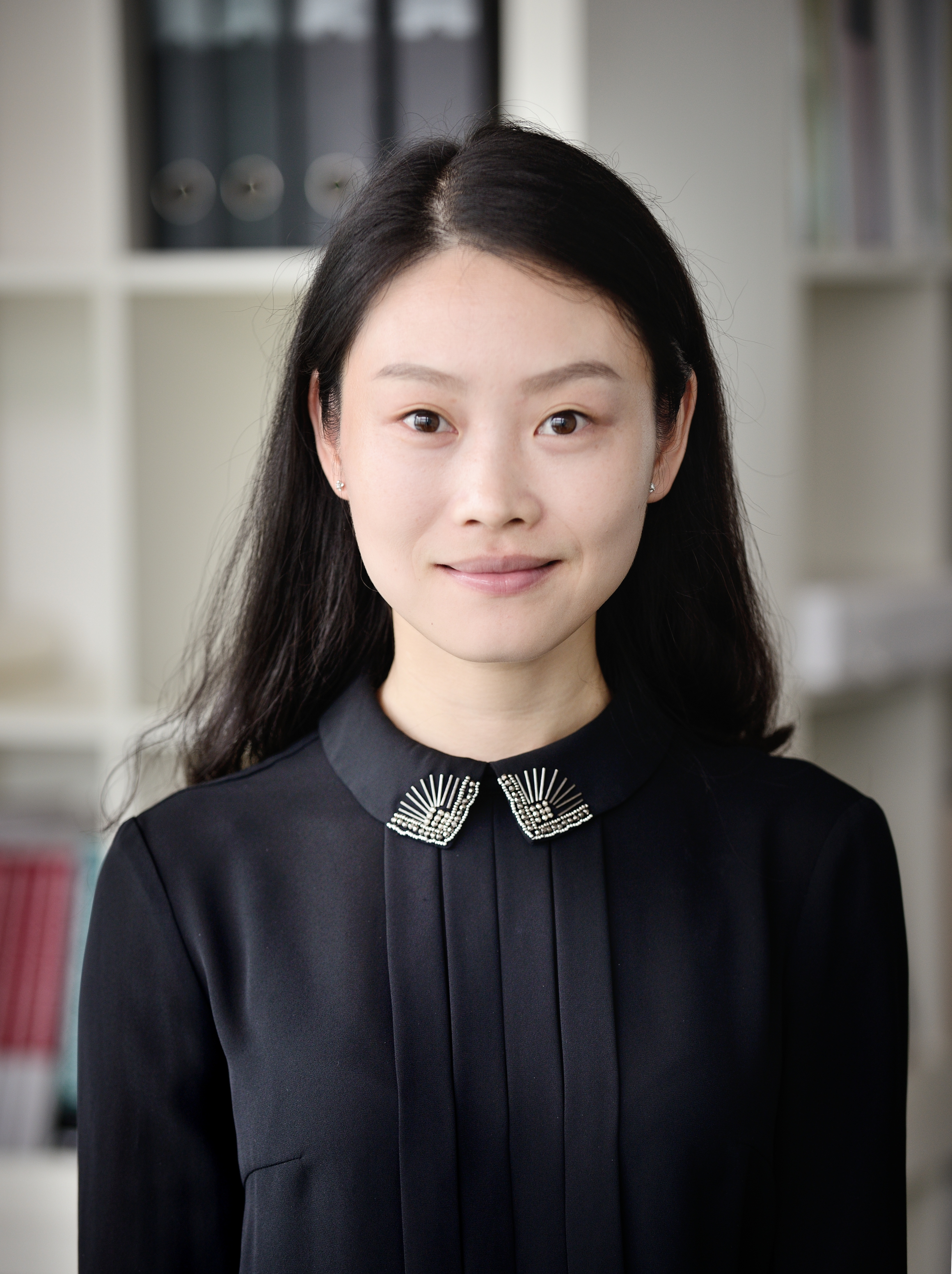
Lijuan Shen
- Senior Lecturer Information Technology
- lijuan.shen@jcu.edu.au
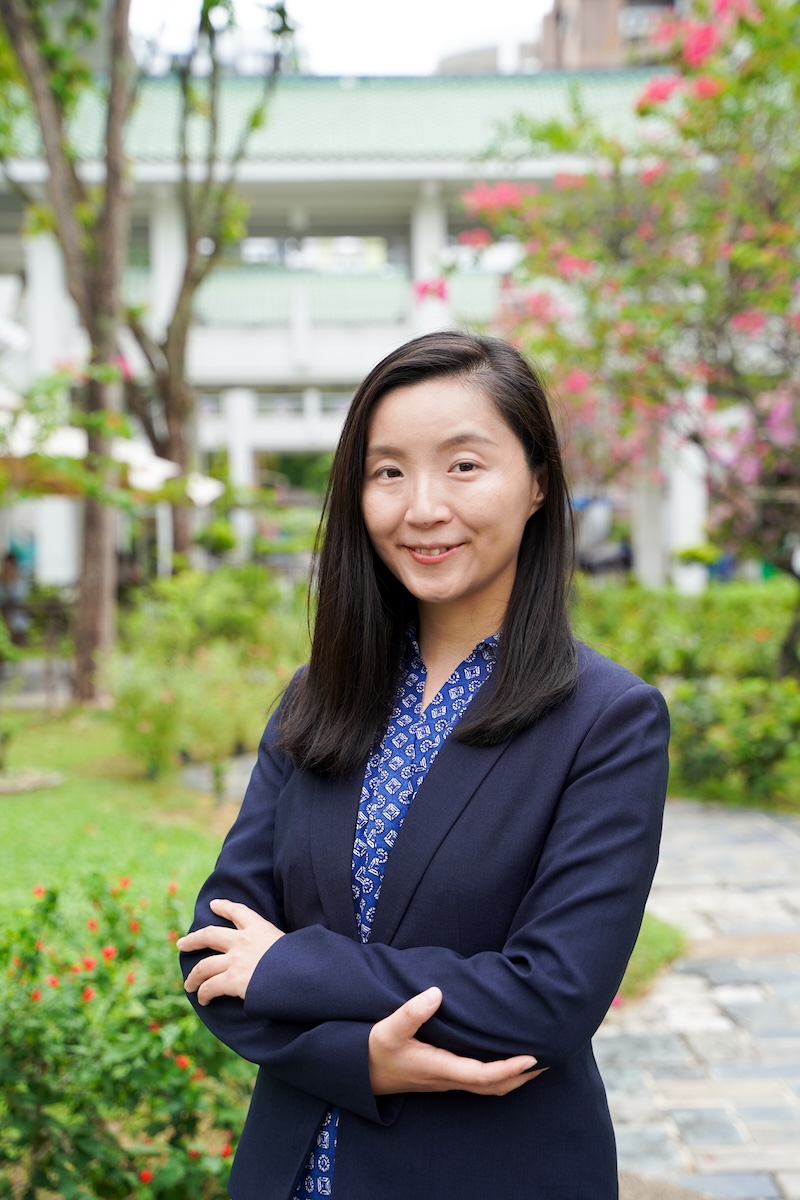
Cindy Liu
- Senior Lecturer (Business)
- cindy.liu@jcu.edu.au

Jonathan Chia
- Lecturer Psychology
- jonathan.chia@jcu.edu.au

Erik Hormann
- Lecturer Mathematics
- erik.hormann@jcu.edu.au
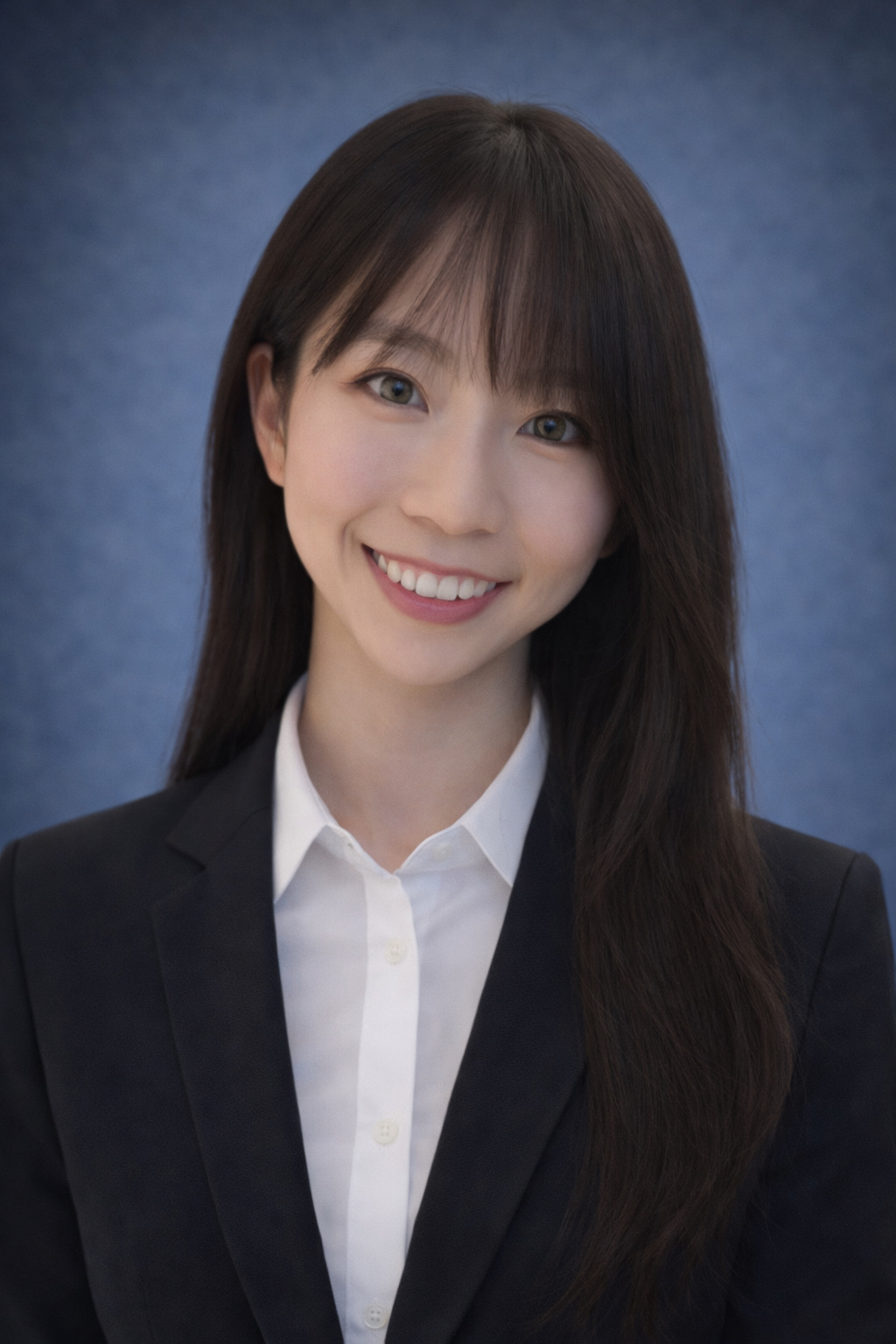
Jennifer Chong
- Lecturer Business (Accounting)
- jennifer.chong@jcu.edu.au

Barry Tse
- Sessional Lecturer
- barry.tse@jcu.edu.au

Kaiqin Chan
- Associate Professor
- kaiqin.chan@jcu.edu.au

Caroline Wong
- Associate Dean Learning & Teaching / Associate Professor
- caroline.wong@jcu.edu.au
Early Child Health Intervention Using Breathing Sound
Insu Song
01 May 2011 - 05 May 2012
Early Child Health Intervention Using Breathing Sound. Insu Song and Joachim Diederich of the James Cook University in Singapore propose a cell phone-based system for collecting and analyzing time location-tagged children's crying and breathing sounds to detect respiratory infections. This system provides treatment information for parents and generates public health data regarding the spread of infectious diseases.
Paraphrase or plagiarism? Exploring EAP students’ use of source material in a transnational university context
Daniel O'Sullivan
08 Nov 2022 - 16 Jul 2024
The relationship between paraphrase and plagiarism is complex and has been the subject of multiple research studies. However, recent advances in Generative AI (GenAI) have disrupted the standard practices of academic writing and established a renewed focus on how learners acquire skills in English writing in a higher education context. To understand the future of academic writing in the technological era, further investigation of how and why students choose to paraphrase and engage with source material is needed to guide best practices in instruction, policy, and research. This exploratory study seeks to fill this gap and provide insight into the choices English as a Second Language (ESL) student writers make in an English for Academic Purposes (EAP) context. Using a text-based interview method and custom-designed academic writing task, we examine how students engage with and make decisions about using source material. Results reveal that participants focus more on sentence-level approaches to paraphrasing and mechanistic methods of language transformation. This is partly motivated by prior learning experiences but may also be related to adopting a risk-averse approach to language use to avoid accusations of plagiarism. Furthermore, our participants expressed a low level of confidence in the ability of new technological tools to help learners acquire skills in English writing. These findings suggest that there is a need for further research exploring policies to enable experimentation in EAP programs, as well as exploring acceptance and belief in new technologies’ ability to support paraphrasing and source use. See https://doi.org/10.37074/jalt.2024.7.2.11
Mobile Banking for Southeast Asia
Insu Song
01 Jan 2013 - 01 Jan 2015
Banking and finance is one of the pillars of modern economy Often people in rural areas or people living in resource poor areas have limited access due to lack of KPI and income. Providing affordable banking (micro loans) is challenging due to risk. We develop secure mobile phone based banking to replace conventional KPI to provide affordable loans and banking services. The funding was provided by T-BOB PTET LTD Singapore.
Antioxidant Scanner
Insu Song
01 Jan 2014 - 01 Jan 2016
Antioxidant plays a vital role in preventing oxidation of our cells that damages our DNA causing cancerous cells. To protect ourselves we need to eat healthy food that are rich in antioxidants. However measuring antioxidant levels still invasive and expensive. We develop mobile AI application that analyses changes in skin color to measure antioxidant levels. The work was patented in US. The work was funded by Health Partners PTE LTD.
Efficient charging method for bicycle and exercise generators
Insu Song
01 Jan 2018 - 01 Jan 2020
Bicycles and exercise machines in gyms have become a popular sources for electricity generation dues awareness of sustainability. However, current charging technology is not suitable due to rapidly changing levels of energy from those sources. We develop a new innovative charging solution that is able to capture 75% or more of the energies generated from bicycles and exercise machines. The work was funded by Health Partners PTE LTD. The work has been filed for patent.
Bowel Sounds Sensor Project in term newborn babies
Insu Song
01 Apr 2017 - 01 Apr 2019
To evaluate a novel, miniaturised, non-stethoscope based bowel sounds sensor (BoSS) with signals being processed and acquired by Bluetooth onto a Samsung S7 phone. BoSS1 Project aims to evaluate the quality, user friendliness in acquisition and correlation of bowel sounds analysis with health and sickness in term babies.
Story telling strategy of e-commerce live-streamers
Kim Lim Tan
21 Oct 2024 - 30 Jun 2025
Live-streaming e-commerce is an interactive form of online shopping that integrates video live-streaming with e-commerce, creating a communication channel for live streamers to broadcast product demonstrations and promotions and address consumers' questions in real time (Chen, Dou and Xiao, 2023). The Chinese retailers have pioneered such a powerful new approach, with the market size of live streaming e-commerce industry having reached 1201.2 billion RMB in 2021 and expected to reach 2132.3 billion RMB by 2025 (iiMedia.cn, 2022).
With the interactivity nature, live-streaming e-commerce is reported to have a conversion rate of 53%, much higher than that in traditional -commerce shoppers (2.8%) (https://www.videeo.live/report-live-video-commerce-success-retail-2022/). However, the competition in the live-streaming industry is intense. As of December 2023, more than 10 million people worked in live streaming industry in China, and more than 150 million streamer accounts have been opened. With so many live-streamers (https://www.stcn.com/article/detail/1073584.html); yet among streamers whose main source of income is live broadcast, only 0.4% have a monthly income of more than 100,000 yuan, and 95.2% have a monthly income of less than 5,000 yuan (http://paper.ce.cn/pc/content/202401/04/content_287273.html).
With live-streaming e-commerce’s popularity and the intense competition in the eco-system, an increasing number of studies are dedicated in understanding the success factors in therecent years. One of the important factors is the selling strategies adopted by the streamer. Key strategies identified include physical evidence strategy (visual setup and background music) (Ho, Liu, and Chen, 2022) and show scheduling strategy (Chen, Dou, and Xiao, 2023). An important selling strategy that works well in the traditional personal selling is storytelling, since it facilitates sales relationships through personal and business stories revealing similarities of worldview, ideals, and status, among other characteristics (Gaur, Herjanto, and Bathula 2012; McGregor and Holmes, 1999). In the e-commerce context, a few famous live-streamers have demonstrated the impact of telling good stories. For example, Dong Yuhui, an e-commerce live-streamer from Oriental Selection, is well known for his way of sharing personal story, when selling products. His four-hour sales session taking place on Douyin, TikTok’s Chinese sister app in Jan 2024 earned 163 million RMB (22.73 million USD) in gross merchandise value (GMV) from selling agricultural produce and other foods like canned goods and sweets (https://daoinsights.com/news/oriental-selections-dong-yuhui-rakes-in-163m-at-own-channel-debut/).
However, very little scholarly effort has been made to understand the storytelling strategy among live-streamers. Luo et al. (2021) use conversation logs from live-streaming shopping and find that the linguistic style of appealing to personality has the greatest positive impact on sales, but the linguistic style of appealing to logic has a negative impact. However, the linguistic pattern alone is still far from enough to characterize how live streamers have reshaped e-commerce using storytelling. For example, whether and how do live streamers integrate brands into their stories, what types of topics should be addressed in the stories, and how do live streamers plan their shows, given the fast-paced selling episodes and lack of physical interaction with the real customers? These are novel topics that do not appear in traditional e-commerce settings, yet are important in e-commerce setting.
As a result, this study focuses on live-streamers’ story-telling strategy, and examines the following research questions: what is the optimal content, style, frequency and duration of the storytelling by e-commerce live-streamers?
Theoretically, this project will enrich the literature on e-commerce by revealing how live-streamers’ story-telling skills and strategies help engage customers. Practically, the findings will inform the live-streamers and the businesses about the best ways of developing the relevant training, constructing and communicating the stories to engage customers.
Finally, this project has received ethics approval with the JCU Ethics Identifier H9502.
Story telling strategy of e-commerce live-streamers
Pengji Wang
21 Oct 2024 - 30 Jun 2025
Live-streaming e-commerce is an interactive form of online shopping that integrates video live-streaming with e-commerce, creating a communication channel for live streamers to broadcast product demonstrations and promotions and address consumers' questions in real time (Chen, Dou and Xiao, 2023). The Chinese retailers have pioneered such a powerful new approach, with the market size of live streaming e-commerce industry having reached 1201.2 billion RMB in 2021 and expected to reach 2132.3 billion RMB by 2025 (iiMedia.cn, 2022).
With the interactivity nature, live-streaming e-commerce is reported to have a conversion rate of 53%, much higher than that in traditional -commerce shoppers (2.8%) (https://www.videeo.live/report-live-video-commerce-success-retail-2022/). However, the competition in the live-streaming industry is intense. As of December 2023, more than 10 million people worked in live streaming industry in China, and more than 150 million streamer accounts have been opened. With so many live-streamers (https://www.stcn.com/article/detail/1073584.html); yet among streamers whose main source of income is live broadcast, only 0.4% have a monthly income of more than 100,000 yuan, and 95.2% have a monthly income of less than 5,000 yuan (http://paper.ce.cn/pc/content/202401/04/content_287273.html).
With live-streaming e-commerce’s popularity and the intense competition in the eco-system, an increasing number of studies are dedicated in understanding the success factors in therecent years. One of the important factors is the selling strategies adopted by the streamer. Key strategies identified include physical evidence strategy (visual setup and background music) (Ho, Liu, and Chen, 2022) and show scheduling strategy (Chen, Dou, and Xiao, 2023). An important selling strategy that works well in the traditional personal selling is storytelling, since it facilitates sales relationships through personal and business stories revealing similarities of worldview, ideals, and status, among other characteristics (Gaur, Herjanto, and Bathula 2012; McGregor and Holmes, 1999). In the e-commerce context, a few famous live-streamers have demonstrated the impact of telling good stories. For example, Dong Yuhui, an e-commerce live-streamer from Oriental Selection, is well known for his way of sharing personal story, when selling products. His four-hour sales session taking place on Douyin, TikTok’s Chinese sister app in Jan 2024 earned 163 million RMB (22.73 million USD) in gross merchandise value (GMV) from selling agricultural produce and other foods like canned goods and sweets (https://daoinsights.com/news/oriental-selections-dong-yuhui-rakes-in-163m-at-own-channel-debut/).
However, very little scholarly effort has been made to understand the storytelling strategy among live-streamers. Luo et al. (2021) use conversation logs from live-streaming shopping and find that the linguistic style of appealing to personality has the greatest positive impact on sales, but the linguistic style of appealing to logic has a negative impact. However, the linguistic pattern alone is still far from enough to characterize how live streamers have reshaped e-commerce using storytelling. For example, whether and how do live streamers integrate brands into their stories, what types of topics should be addressed in the stories, and how do live streamers plan their shows, given the fast-paced selling episodes and lack of physical interaction with the real customers? These are novel topics that do not appear in traditional e-commerce settings, yet are important in e-commerce setting.
As a result, this study focuses on live-streamers’ story-telling strategy, and examines the following research questions: what is the optimal content, style, frequency and duration of the storytelling by e-commerce live-streamers?
Theoretically, this project will enrich the literature on e-commerce by revealing how live-streamers’ story-telling skills and strategies help engage customers. Practically, the findings will inform the live-streamers and the businesses about the best ways of developing the relevant training, constructing and communicating the stories to engage customers.
Finally, this project has received ethics approval with the JCU Ethics Identifier H9502.
VetheRBlocks
Steve Kerrison
01 Jan 2023 - 31 Dec 2023
Create a proof of concept of an immersive learning app that would help students to better understand how data is moved around on networks, including
the Internet.
Sleep Habit/A Mobile App to Reduce Bedtime Procrastination
This research presents the design and functionality of a mobile app aimed at addressing bedtime procrastination among busy professionals. The app leverages self-regulation principles, social accountability, and gamification to promote healthier sleep habits. Core features include personalized goal-setting, bedtime routine tracking, progress monitoring through dashboards, and social sharing to enhance motivation. Users benefit from custom reminders, community support, and rewards for consistent adherence to bedtime goals. A typical user experience includes daily reminders, habit reinforcement through motivational messages, and weekly progress summaries. By fostering structured sleep routines, the app improves sleep quality, energy levels, and overall well-being.
Start Date:
01 Jan 2025
Start Date:
01 Jan 2025
Start Date:
01 Jan 2025
Start Date:
01 Jan 2025
Start Date:
01 Jan 2021
End Date:
01 Jan 2022
Start Date:
01 Jan 2023
Title:
Frontiers in Genetics
Start Date:
01 Jan 2023
Title:
Scientific Reports
Start Date:
01 Jan 2026
Start Date:
01 Jan 2024
End Date:
01 Jan 2025
Start Date:
01 Jan 2024