
Medicine
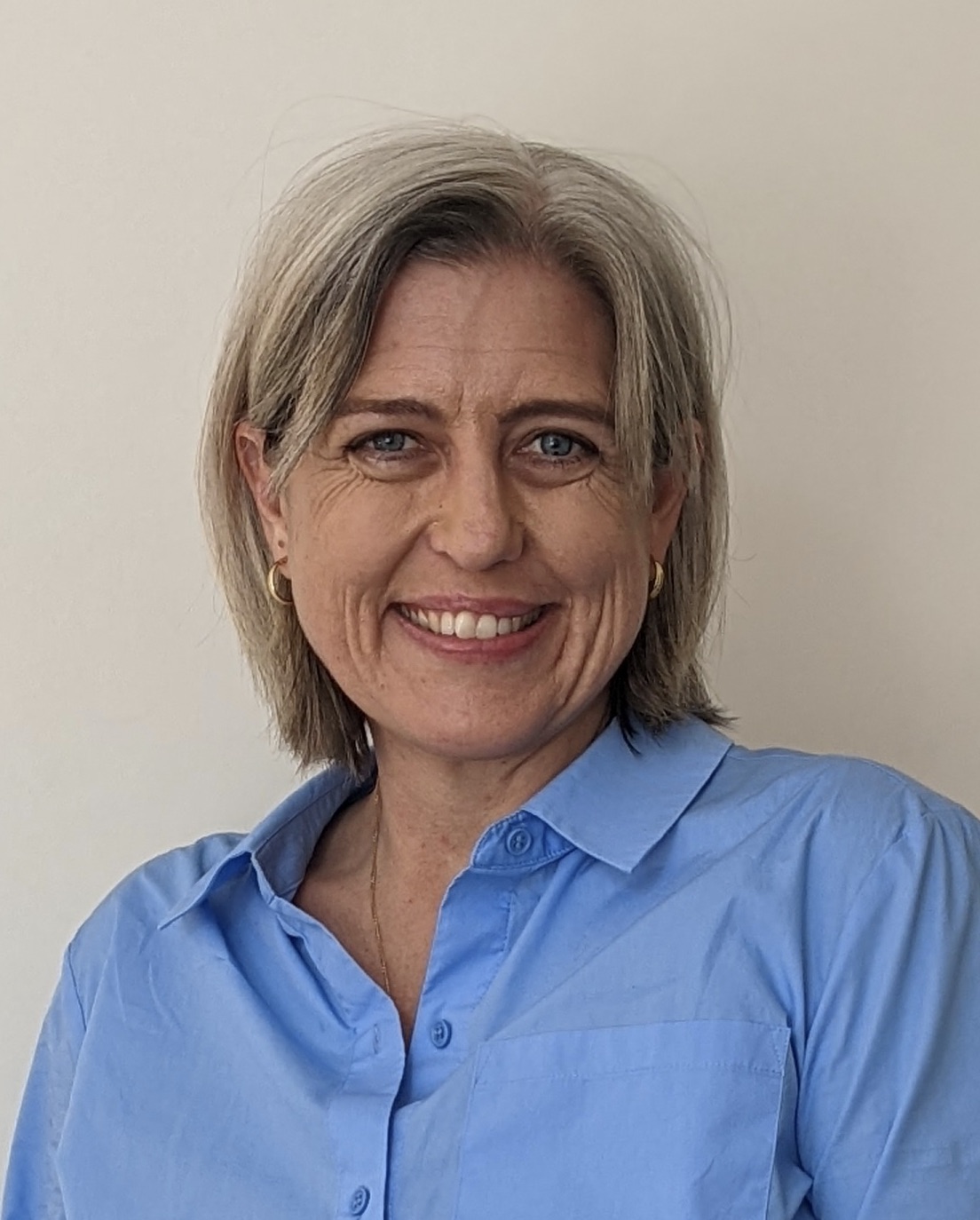
Erin Waters
- JCU Associate Professor
- erin.waters@jcu.edu.au

Shiv Thanigaimani
- Senior Research Fellow, Peripheral Vascular Disease (PVD)
- shiv.thanigaimani@jcu.edu.au

Alkira Deren
- Clinical Research Officer
- alkira.venn@jcu.edu.au

Michael Robinson
- JCU Lecturer
- michael.robinson@jcu.edu.au

Nalita Turner
- Research Officer
- nalita.turner@jcu.edu.au

Bunmi Malau-Aduli
- JCU Professor
- bunmi.malauaduli@jcu.edu.au
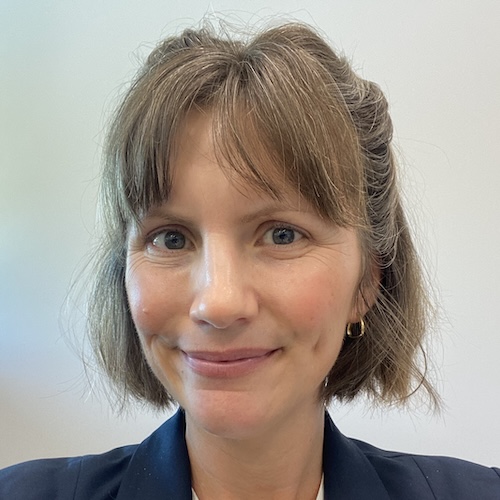
Jenna Graffini
- Research Project Manager
- jenna.graffini@jcu.edu.au

Mel Muscat
- Adjunct Research Fellow
- melody.muscat@jcu.edu.au
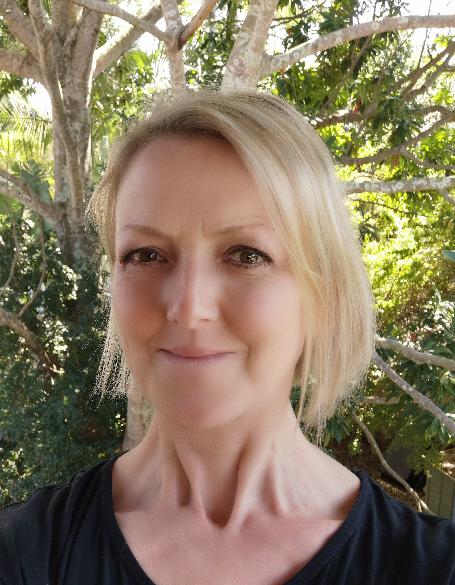
Yvonne Hornby-Turner
- Adjunct Research Fellow
- yvonne.hornbyturner@jcu.edu.au

Geoffrey Dobson
- Professor
- geoffrey.dobson@jcu.edu.au
Leveraging NQ telehealth experience for contextually-informed process guidelines to optimise health service access, quality and safety in rural and remote Australia
Use of telehealth in north Queensland has evolved early and rapidly in response to the health service needs of a culturally diverse population spread over a large area. This project maps knowledge about existing telehealth usage, examines strategies for safe and high quality use, including cultural acceptability and co-develops guidelines for health care providers and consumers for the optimal usage of telehealth across north Queensland. This is likely to be applicable across other RRR areas.
Documenting Indigenous Plant Knowledge to Strengthen Conservation Management in Kwaio, Solomon Islands (Old ID 22880)
The project is designed to deliver ongoing capacity-strengthening activities and training in project management, organizational governance and financial management to enhance local conservation efforts in the central mountains of the island of Malaita, Solomon Islands. Our larger goals include setting up a Kwaio CSO to manage conservation activities in the area (see “Project Objectives” below), protect and conserve priority species on Malaita, and in the longer-term, work toward creating Protected Areas to protect globally threatened species. We also hope the project will serve as a conservation model for other Malaitan and Solomon Islands communities. The project is taking place with people of the Kwaio language group. The mountain Kwaio people are the largest Solomon Islands group still practicing their indigenous ancestral religion. The biodiversity conservation project is documenting the deep local knowledge of medicinal plants and bush foods found in the rainforest of Malaita, and building capacity to undertake similar projects in the future.
Supervised Home Exercise for Peripheral Artery Disease (Old ID 27514)
1 million Australians have leg artery blockage (peripheral artery disease; PAD) and are at very high risk of major adverse cardiovascular events. Up to one-third of patients having an acute cardiac event or stroke have PAD, which limits their recovery. Randomised controlled trials (RCT) have established supervised exercise therapy substantially improves the functional impairment caused by PAD and reduces the risk factors of acute cardiovascular events. International guidelines recommend supervised exercise therapy sessions are performed at tertiary facilities three times weekly for three months. These programs have poor uptake and are not suited to equitable provision across Australia particularly for regional and remote communities who have the greatest burden from PAD. Our workshops with patients indicated the commonest challenges to taking part in supervised exercise was travelling. In partnership with patients, health professionals and other stakeholders we have co-designed the Supervised Home-based exercise progrAm for Peripheral artery diseasE (SHAPE). This 12-week supervised exercise program is delivered directly to and completely undertaken within the participant's home using telehealth supervision and monitoring from a wrist worn accelerometer
Knowledge Brokering from the Bottom Up: Co-designing Climate Information Products with the Kwaio people of Malaita Province, Solomon Islands (Old ID 28981)
Baru Conservation Alliance (BCA) and JCU successfully implemented the APCP funded “Traditional Knowledge about Climate and Food Security in Kwaio, Malaita, Solomon Islands” in 2021/22. This current “Knowledge Brokering from the Bottom Up: Co-designing Climate Information Products with the Kwaio people” project strengthens capacity built in 2021/22 to inform climate information products based on Kwaio traditional knowledge. The project will create communication products that utlise both western scientific and traditional Kwaio knowledge about the weather, how the weather is changing and what this means for people living on Malaita, Solomon Islands.
National Research Project on Remote Radiology Assessment Service Delivery (Old ID 23150)
This project will investigate outcomes of the BreastScreen Australia remote radiology assessment trial at sites through9out Australia. Engaging a remote radiologist may assist with overcoming many challenges associated with providing health services in a regional, rural or remote location. This project seeks to ensure that the alternative model of service delivery is appropriate for consumers, evidence-based and safe. Specifically, this project will assess how the new remote radiology model affects: - Patient safety - Patient acceptability - Staff acceptability of new model of service provision - The safe, efficient organisation of BreastScreen services
Point-of-injury intranasal ALM drug therapy to reduce secondary injury and improve outcomes after TBI in civilian and military resource-limited environments (Old ID 27829)
Currently there is no effective drug therapy to treat traumatic brain injury (TBI) in combat and other military and civilian settings immediately after the injury has occurred that can protect the brain and the whole body by reducing secondary injury progression and TBI-associated complications. ALM therapy is a neuroprotective fluid therapy that significantly improves survival, rescues cardiac function, reduces local bleeding, and blunts secondary injury processes including inflammation after trauma. This project will evaluate the efficacy and protective benefits of ALM therapy administered intravenously (injectable) and intranasally (via spray) in a rat model of TBI.
Point-of-injury intranasal ALM drug therapy to reduce secondary injury and improve outcomes after TBI in civilian and military resource-limited environments (Old ID 27829)
Currently there is no effective drug therapy to treat traumatic brain injury (TBI) in combat and other military and civilian settings immediately after the injury has occurred that can protect the brain and the whole body by reducing secondary injury progression and TBI-associated complications. ALM therapy is a neuroprotective fluid therapy that significantly improves survival, rescues cardiac function, reduces local bleeding, and blunts secondary injury processes including inflammation after trauma. This project will evaluate the efficacy and protective benefits of ALM therapy administered intravenously (injectable) and intranasally (via spray) in a rat model of TBI.
National Research Project on Remote Radiology Assessment Service Delivery
This project will investigate outcomes of the BreastScreen Australia remote radiology assessment trial at sites through9out Australia. Engaging a remote radiologist may assist with overcoming many challenges associated with providing health services in a regional, rural or remote location. This project seeks to ensure that the alternative model of service delivery is appropriate for consumers, evidence-based and safe. Specifically, this project will assess how the new remote radiology model affects: - Patient safety - Patient acceptability - Staff acceptability of new model of service provision - The safe, efficient organisation of BreastScreen services
Divine Word University and JCU Academic Strengthening Partnership
Funded by Australian High Commission/Australian Awards PNG this ongoing partnership supports the co-delivery of workshop for MBBS preceptors. The workshops host JCU experts in the field of Medical Health Sciences and designed to address the competencies and skills required for successful MBBS curriculum implementatio
Mental Health Collaborative Evaluation Project
Western Queensland PHN is one of 31 PHNs established to improve the efficiency and effectiveness of primary care services for patients, particularly those at risk of poor health outcomes. The mental health collaborative is part of the wider Australian Primary Care Collaborative (APCC) program which is a key part of the Australian General Practice quality improvement landscape. The mental health collaborative aims to encourage practices to engage in a continuous quality improvement (CQI) approach to improve mental health care provided and health outcomes. The program provides support to general practices and other primary health care services to deliver rapid, measurable, systematic and sustainable improvements in the care they provide to patients. The purpose of this evaluation is to determine the association of implementation of the mental health collaborative with changes in client outcomes (particularly overall wellbeing and functioning) over a 12 month period.
Targets for medical therapy to limit abdominal aortic aneurysm progression
- 2014
- Bentham Science
- Researchers:Iyke EmetoJonathan Golledge
Interpretive focus groups: a participatory method for interpreting and extending secondary analysis of qualitative data
- 2014
- Co-Action Publishing
- Researchers:Michelle Redman-MacLaren
Mouse models of intracranial aneurysm
- 2015
- Wiley-Blackwell
- Researchers:Iyke EmetoJonathan Golledge
Predictors of rural practice location for James Cook University MBBS graduates at postgraduate year 5
- 2014
- Wiley-Blackwell
- Researchers:Tarun Sen GuptaRichard Hays
microRNA profiling in patients with abdominal aortic aneurysms: the significance of miR-155
- 2014
- Portland Press
- Researchers:Jonathan Golledge
A deletion in chromosome 6q is associated with human abdominal aortic aneurysm
- 2014
- Portland Press
- Researchers:Jonathan Golledge
Workplace immersion in the final year of an undergraduate medicine course: the views of final year students and recent graduates
- 2014
- Informa Healthcare
- Researchers:Tarun Sen GuptaRichard Hays
Association of lower extremity performance with cardiovascular and all-cause mortality in patients with peripheral artery disease: a systematic review and meta-analysis
- 2014
- Wiley-Blackwell
- Researchers:Joseph MoxonRhondda JonesJonathan Golledge
Start Date:
01 Jan 2012
Start Date:
01 Jan 2012
Start Date:
01 Jan 2009
Start Date:
01 Jan 2009
Start Date:
01 Jan 2007
Start Date:
01 Jan 2002
Start Date:
01 Jan 2002
Start Date:
01 Jan 1996
Start Date:
01 Jan 2002
End Date:
01 Jan 2009
Start Date:
01 Jan 2003
End Date:
01 Jan 2004