
Earth & Environmental Sciences
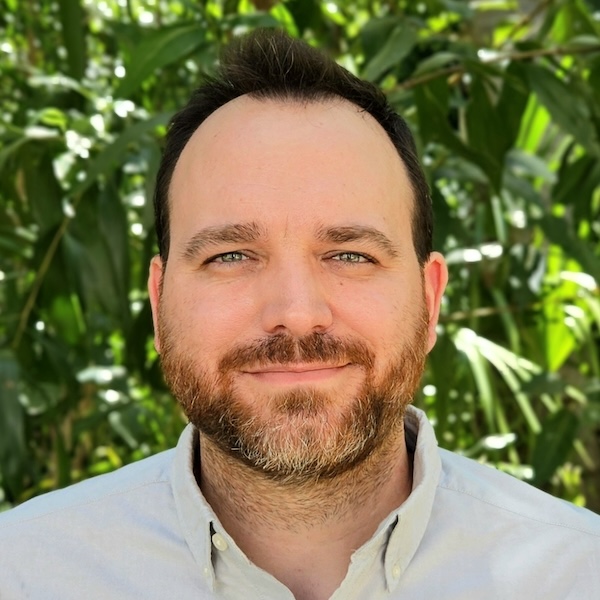
Romain Vaucher
- Senior Lecturer, Sedimentology
- romain.vaucher@jcu.edu.au
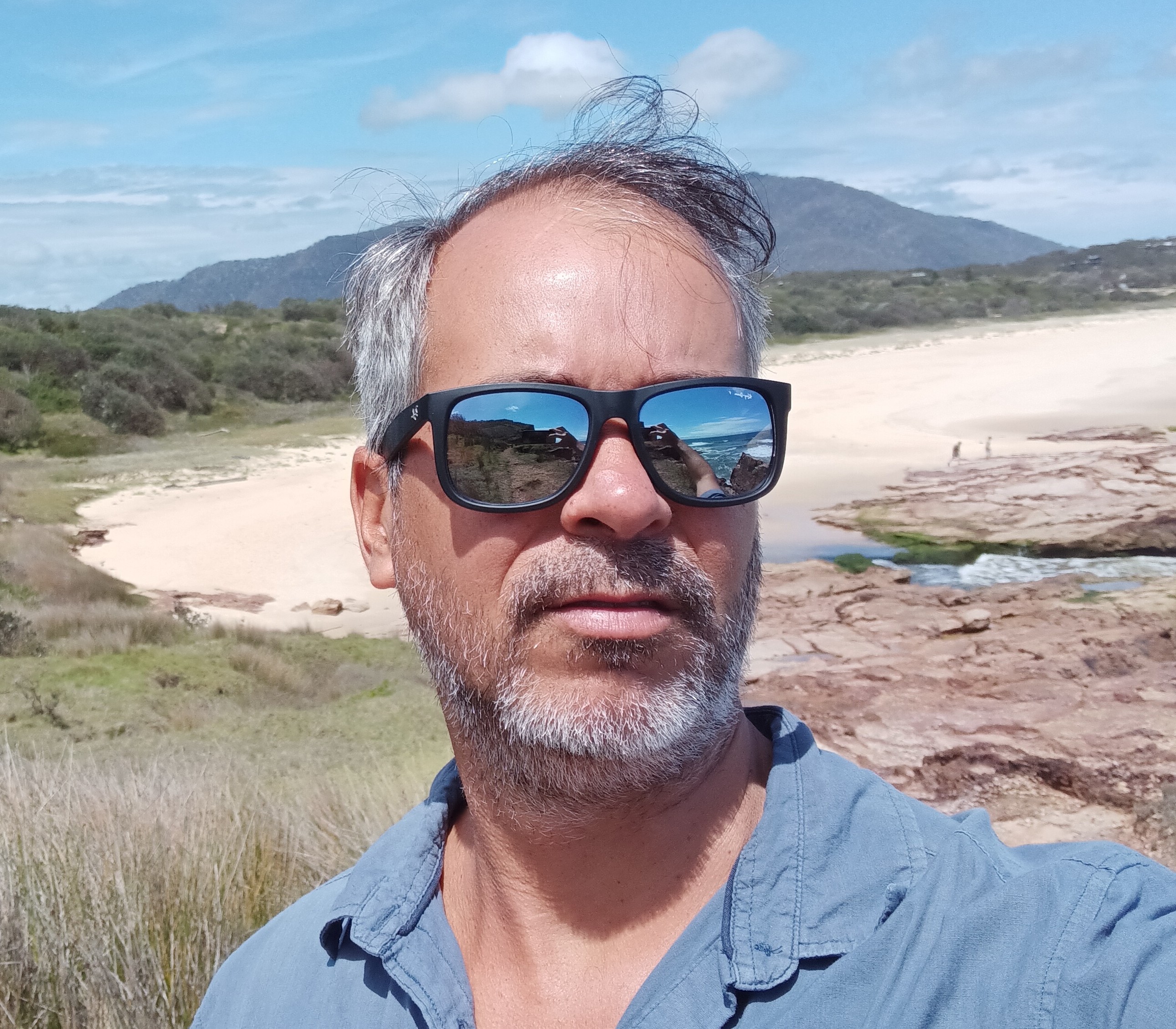
Rafael Cabral Carvalho
- Lecturer, Marine Geoscience
- rafael.cabralcarvalho@jcu.edu.au

Youseph Ibrahim
- Lecturer, Geoscience
- youseph.ibrahim@jcu.edu.au
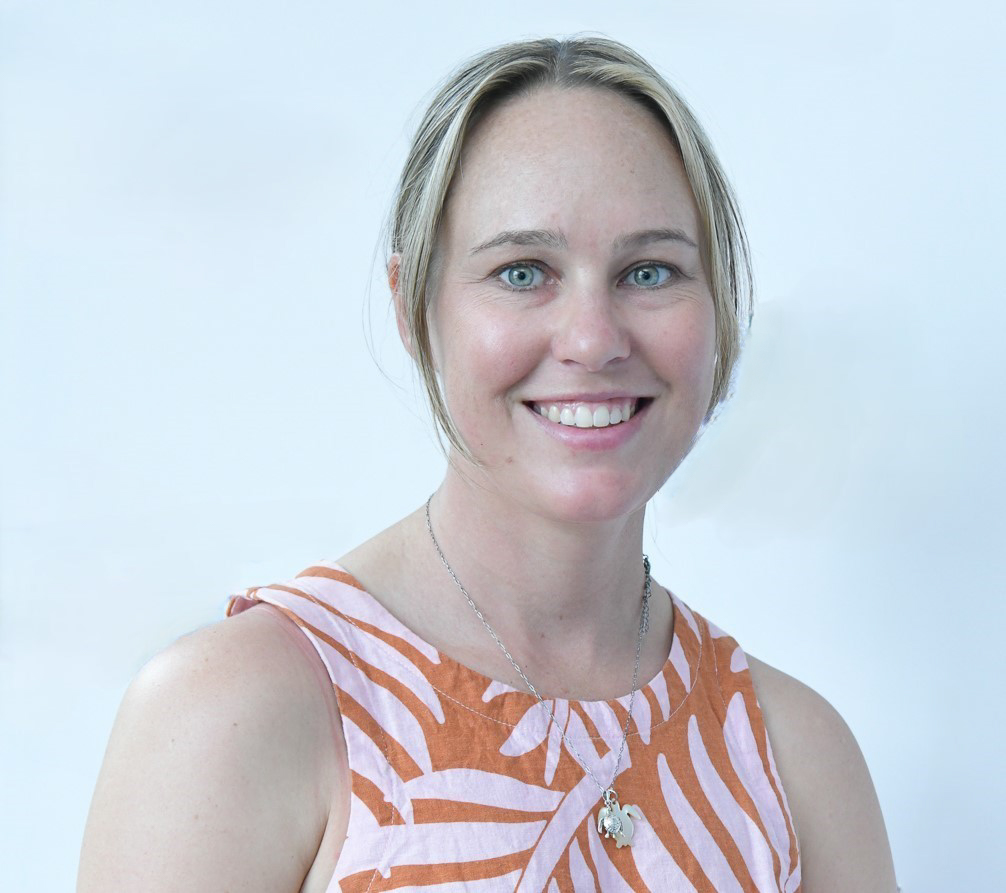
Natalie Robson
- Postdoctoral Research Fellow, Land and Sea Management
- natalie.robson@jcu.edu.au
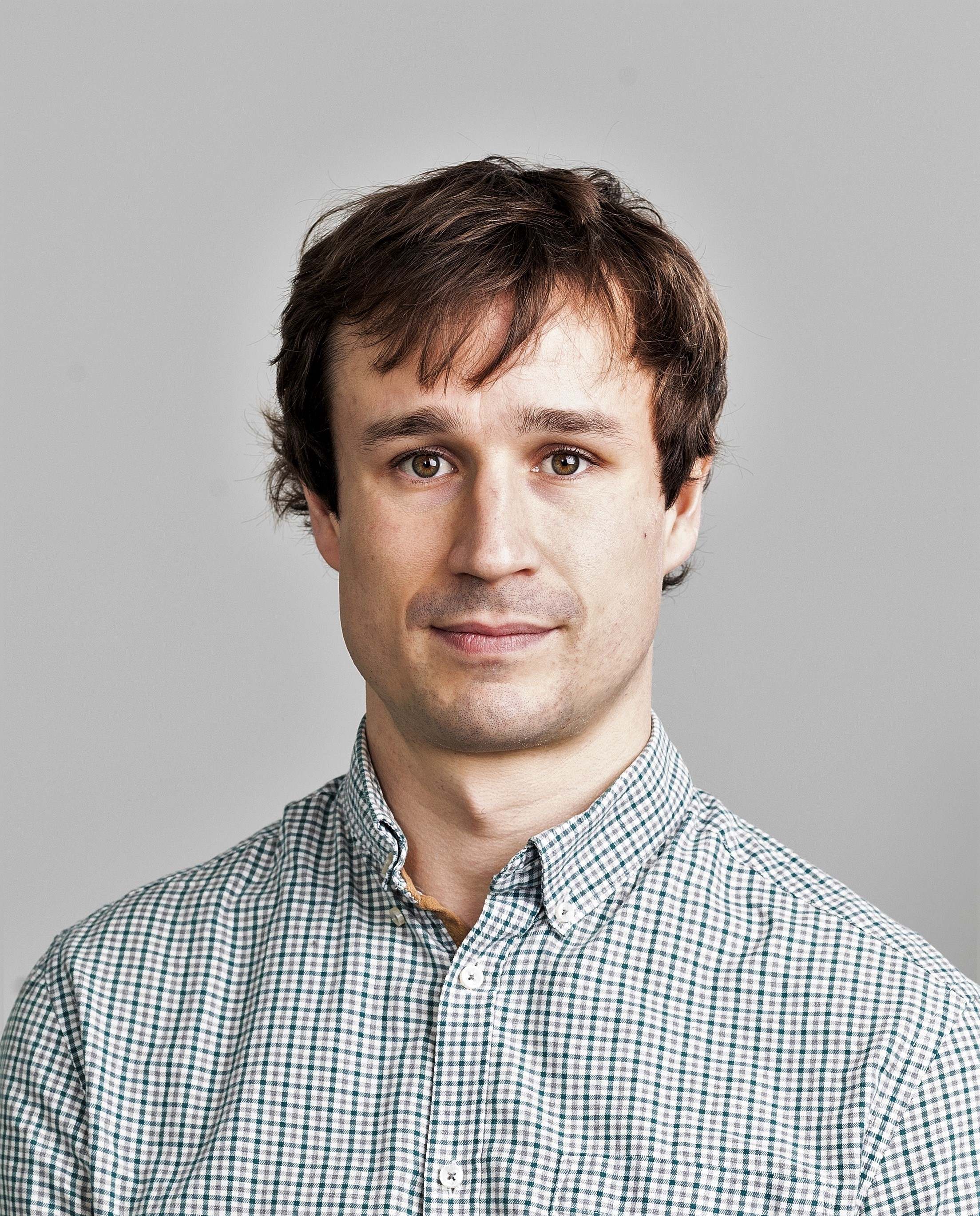
Alexandre Wadoux
- Lecturer, Soil Science
- alexandre.wadoux@jcu.edu.au
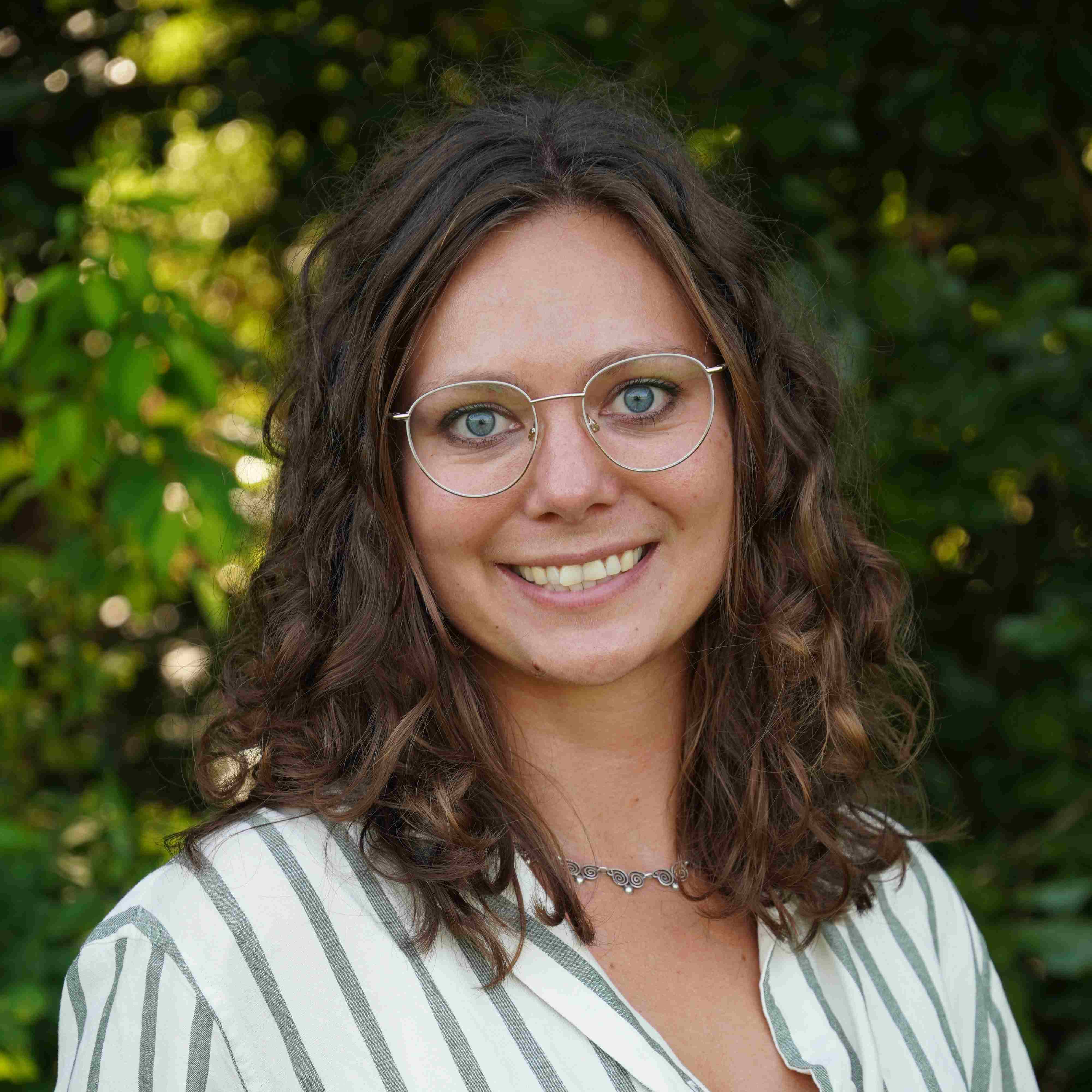
Alica Hoess
- Postdoctoral Research Fellow, Neutron Tomography Scanner
- alica.hoess@jcu.edu.au

Phoebe Stewart-Sinclair
- Lecturer, Environmental Science
- phoebe.stewartsinclair@jcu.edu.au
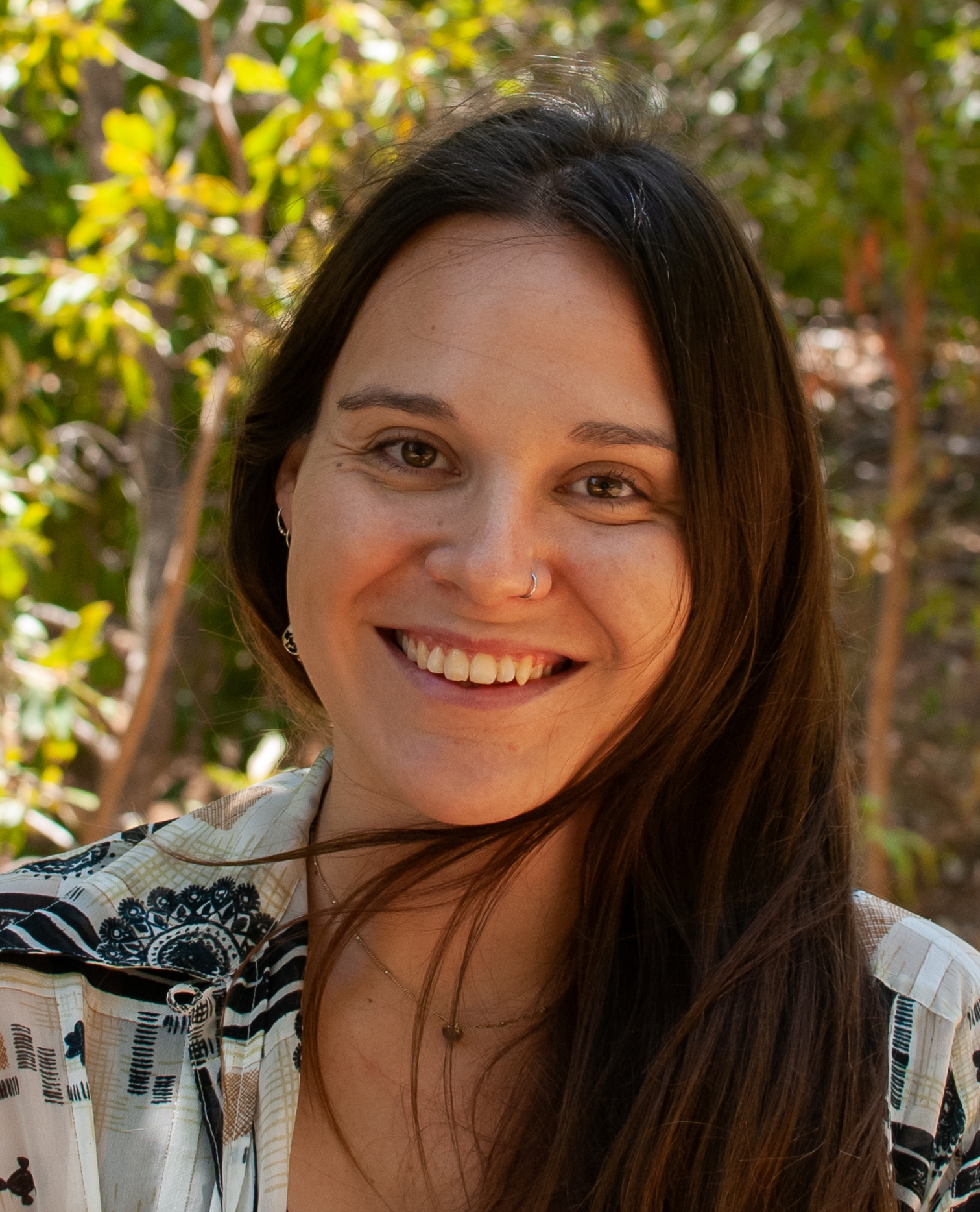
Bethany Smith
- Postdoctoral Research Fellow
- bethany.smith1@jcu.edu.au

Brandon Mahan
- Adjunct Senior Lecturer
- brandon.mahan@jcu.edu.au
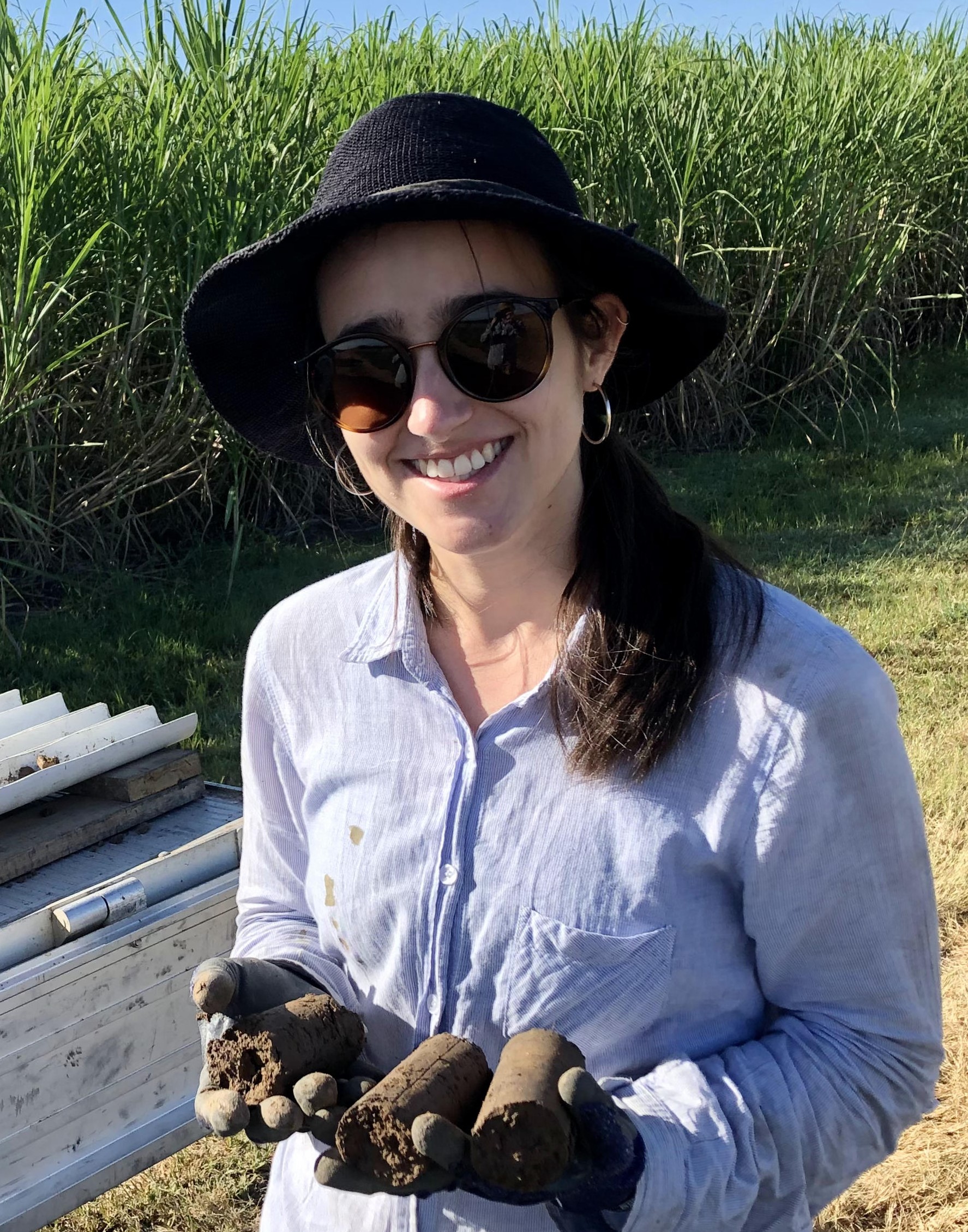
Hannah Green
- Research Officer
- hannah.green@jcu.edu.au
Geodynamic Andes eXploration Initiative (GAXI)
The project is aimed to advance understanding of the spatial and temporal distribution and genesis of Cu-Mo-Au/Au-Cu and Au-Ag mineral systems and the potential for other associated critical minerals and their exploration targeting along the western margin of South America. The project’s South America focus region provides exceptional opportunities to drive new greenfield ore discoveries. The project is designed to enhance the overall discovery potential of western South American margin and unlock new prospective areas for diverse commodities and deposit types and reduce search space through increased predictive power and effectiveness in ongoing exploration programs.
Geodynamic Andes eXploration Initiative (GAXI)
The project is aimed to advance understanding of the spatial and temporal distribution and genesis of Cu-Mo-Au/Au-Cu and Au-Ag mineral systems and the potential for other associated critical minerals and their exploration targeting along the western margin of South America. The project’s South America focus region provides exceptional opportunities to drive new greenfield ore discoveries. The project is designed to enhance the overall discovery potential of western South American margin and unlock new prospective areas for diverse commodities and deposit types and reduce search space through increased predictive power and effectiveness in ongoing exploration programs.
Rejuvenating agricultural soils to enhance productivity, resilience and carbon sequestration
This project builds on earlier work to validate scaled application of weatherable minerals to effectively wind back the highly weathered infertile nature of soils across 8 regions of Australia. Basalt as a triple-purpose agricultural input will deliver a low-cost synthetic fertiliser substitute, a means for effective carbon sequestration through both soil organic and soil inorganic pathways and it will build physical soil resilience through improved structure and water-use efficiency. We expect outcomes will improve the efficiency of farm inputs, enhance the condition of natural resources, and increase the resilience of agricultural landscapes to climatic variations, both short and long-term.
The role of stable isotopes in modelling water balance of tropical catchments (Old ID 25057)
This project aims to test a water balance model, IWBMIso, for two contrasting tropical catchments in Far North Queensland and assess if the model performance improves when information about stable water isotopes is included in the model. The results will help model users and developers in improving the model for the general user who will mainly use the IWBMIso to model catchment water balance for the purpose of water resource management and planning.
The role of stable isotopes in modelling water balance of tropical catchments (Old ID 25057)
This project aims to test a water balance model, IWBMIso, for two contrasting tropical catchments in Far North Queensland and assess if the model performance improves when information about stable water isotopes is included in the model. The results will help model users and developers in improving the model for the general user who will mainly use the IWBMIso to model catchment water balance for the purpose of water resource management and planning.
Fast, automated acquisition of mineral chemistry for mineral exploration
This project aims to develop innovative analytical methods to provide fast and efficient mineral chemistry acquisition, which supports mineral industry on a commercially competitive basis. This service will be provided through the Advanced Analytical Centre housed at James Cook University.
Sustainable REE extraction from Australian ores using environmentally friendly reagents, advanced characterisation techniques and geological knowledge
This project aims to improve the sustainable extraction of rare earths from Australian ores using environmentally friendly reagents.
Sustainable REE extraction from Australian ores using environmentally friendly reagents, advanced characterisation techniques and geological knowledge
This project aims to improve the sustainable extraction of rare earths from Australian ores using environmentally friendly reagents.
Optimising the geophysical ore body model to aid in the discovery of new critical mineral deposits
This project aims to develop advanced geophysical tools that can help exploration companies identify critical mineral resources. Current geophysical exploration methods—such as magnetic, electric, gravimetric, magnetotelluric, radiometric, and seismic surveys—are commonly used in the industry to detect geophysical anomalies. However, many detected anomalies do not contain mineralization due to a lack of tools to identify the specific geophysical signatures of ore bodies.
Our goal is to create tools that enable explorers to distinguish between barren and mineralized anomalies, enhancing the accuracy of mineral discovery. Currently, there is limited knowledge on the specific geophysical responses of mineralized ore bodies. Some preliminary research by CSIRO on IOCG deposits in Cloncurry suggests that combining geological and petrophysical data can model an ore body's geophysical response.
Optimising the geophysical ore body model to aid in the discovery of new critical mineral deposits
This project aims to develop advanced geophysical tools that can help exploration companies identify critical mineral resources. Current geophysical exploration methods—such as magnetic, electric, gravimetric, magnetotelluric, radiometric, and seismic surveys—are commonly used in the industry to detect geophysical anomalies. However, many detected anomalies do not contain mineralization due to a lack of tools to identify the specific geophysical signatures of ore bodies.
Our goal is to create tools that enable explorers to distinguish between barren and mineralized anomalies, enhancing the accuracy of mineral discovery. Currently, there is limited knowledge on the specific geophysical responses of mineralized ore bodies. Some preliminary research by CSIRO on IOCG deposits in Cloncurry suggests that combining geological and petrophysical data can model an ore body's geophysical response.
Organic matter, sodicity and soil structure
- 1998
- Oxford University Press
- Researchers:Paul Nelson
Seafloor morphology and acoustic facies of the George V Land shelf
- 2003
- Researchers:Rob Beaman
Title:
PhD, James Cook University
End Date:
01 Jan 2010
End Date:
01 Jan 2003
Start Date:
01 Jan 2020
End Date:
01 Jan 2025
Start Date:
01 Jan 2023
End Date:
01 Jan 2025
Title:
JCU Distinguished Professor
Start Date:
01 Jan 2010
Start Date:
01 Jan 2019
Title:
Malayalam
Title:
English
Title:
Tamil
Title:
Hindi