
Earth & Environmental Sciences
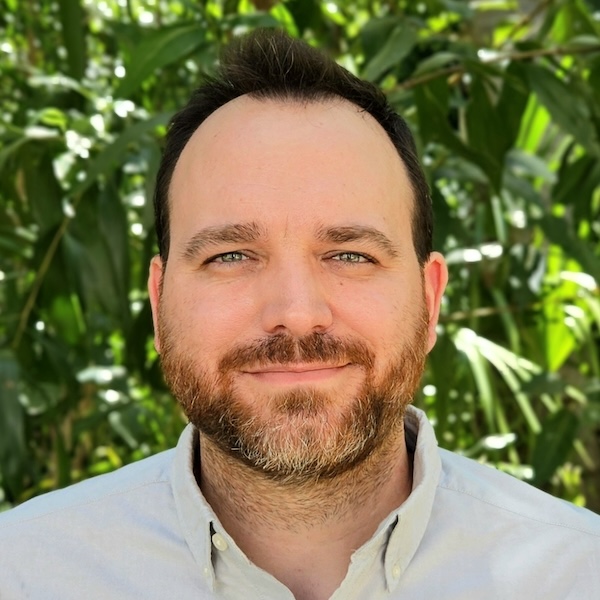
Romain Vaucher
- Senior Lecturer, Sedimentology
- romain.vaucher@jcu.edu.au
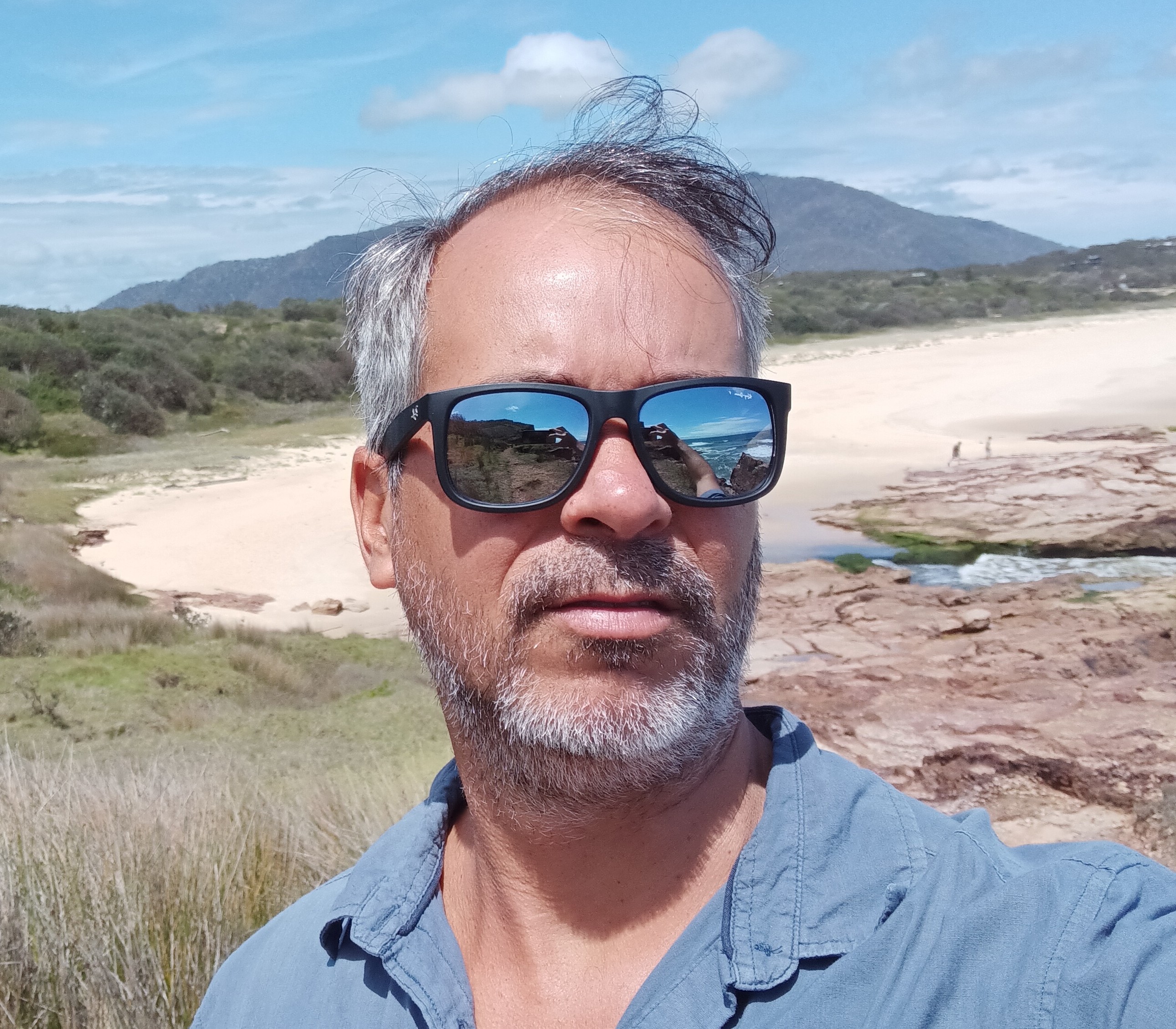
Rafael Cabral Carvalho
- Lecturer, Marine Geoscience
- rafael.cabralcarvalho@jcu.edu.au
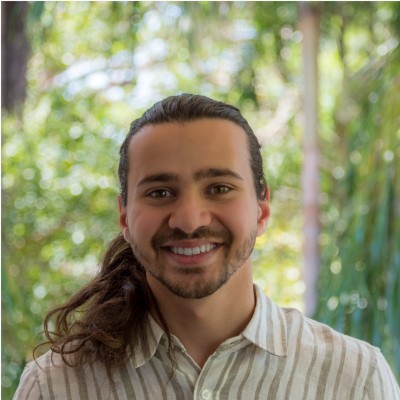
Youseph Ibrahim
- Lecturer, Geoscience
- youseph.ibrahim@jcu.edu.au
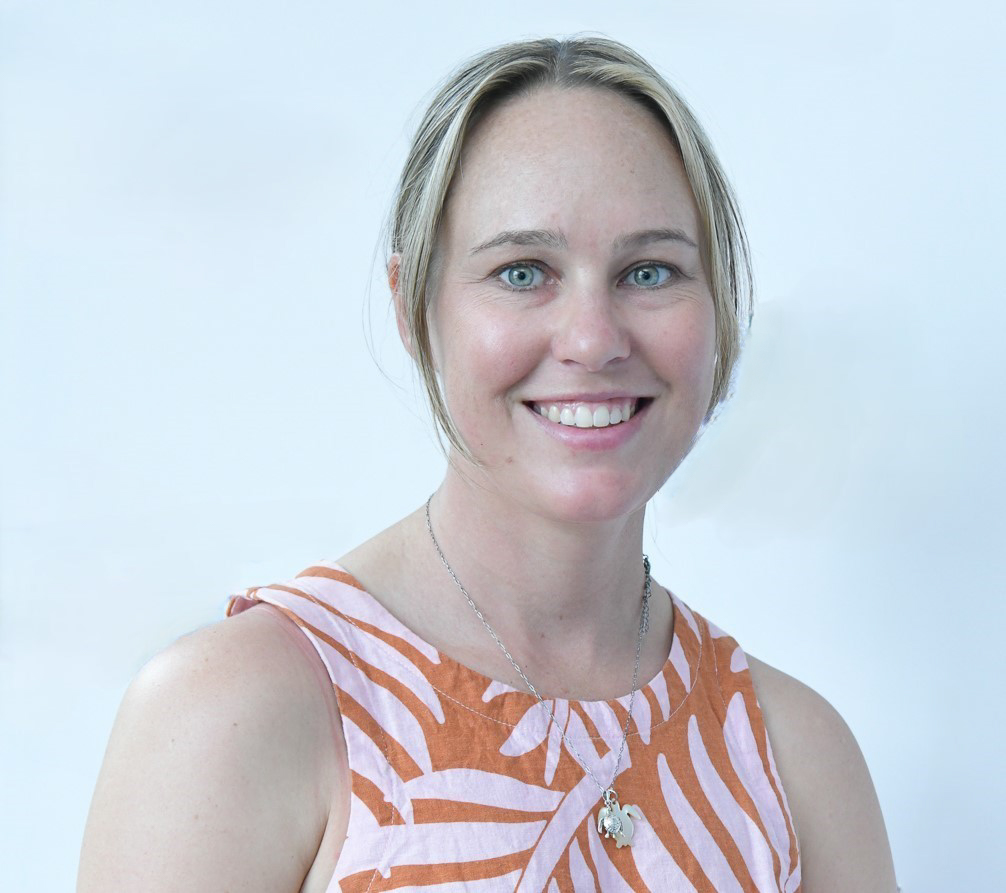
Natalie Robson
- Postdoctoral Research Fellow, Land and Sea Management
- natalie.robson@jcu.edu.au
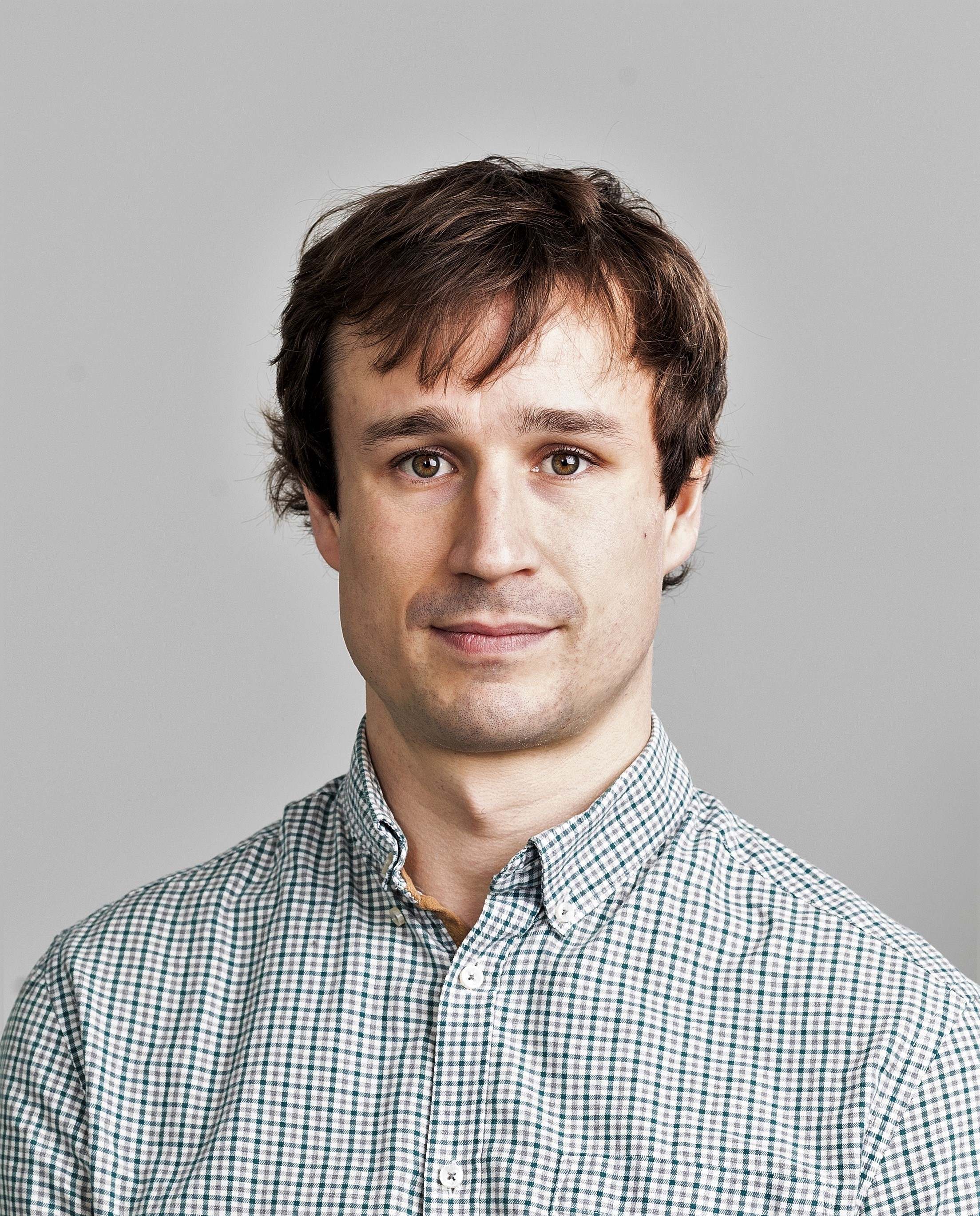
Alexandre Wadoux
- Lecturer, Soil Science
- alexandre.wadoux@jcu.edu.au
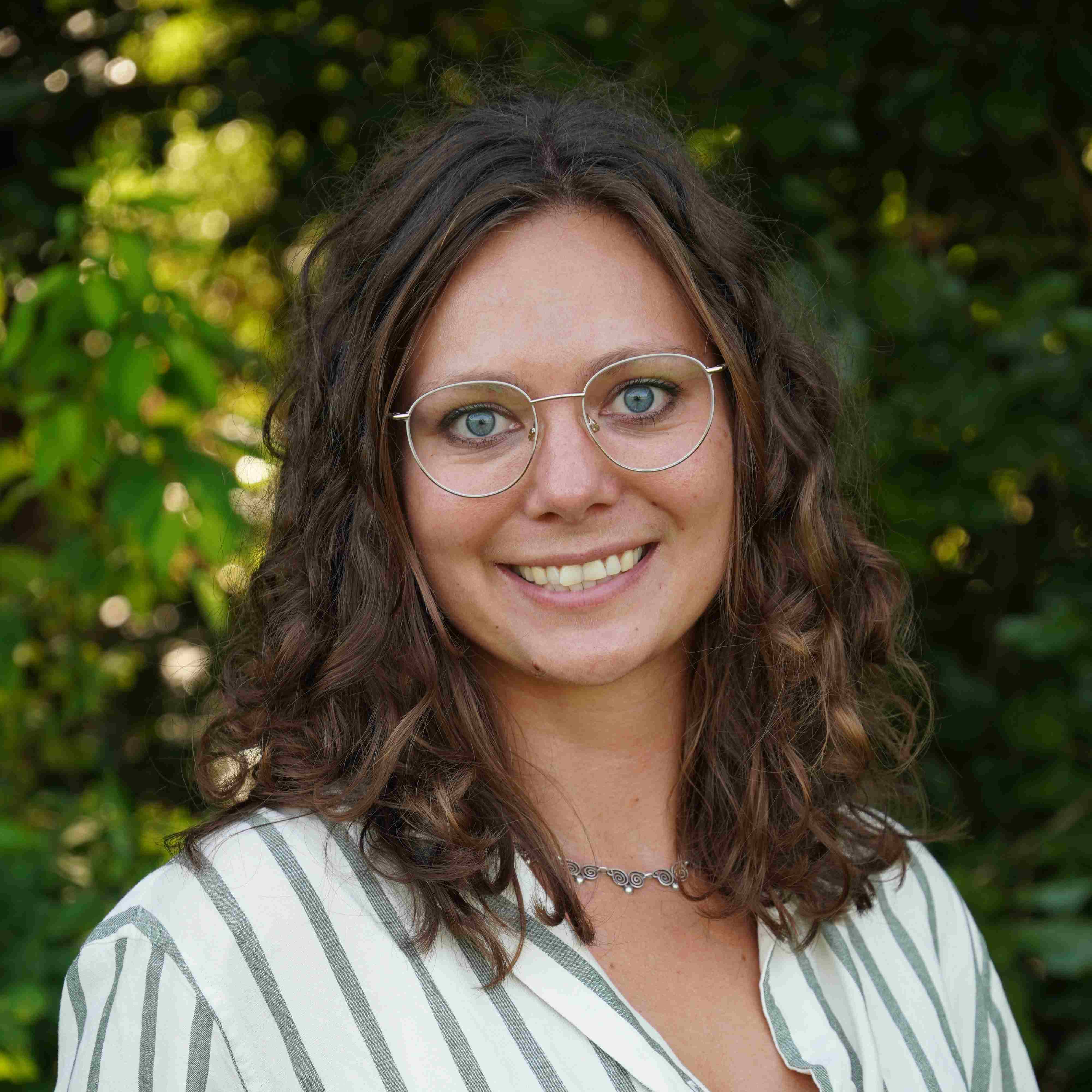
Alica Hoess
- Postdoctoral Research Fellow, Neutron Tomography Scanner
- alica.hoess@jcu.edu.au

Phoebe Stewart-Sinclair
- Lecturer, Environmental Science
- phoebe.stewartsinclair@jcu.edu.au
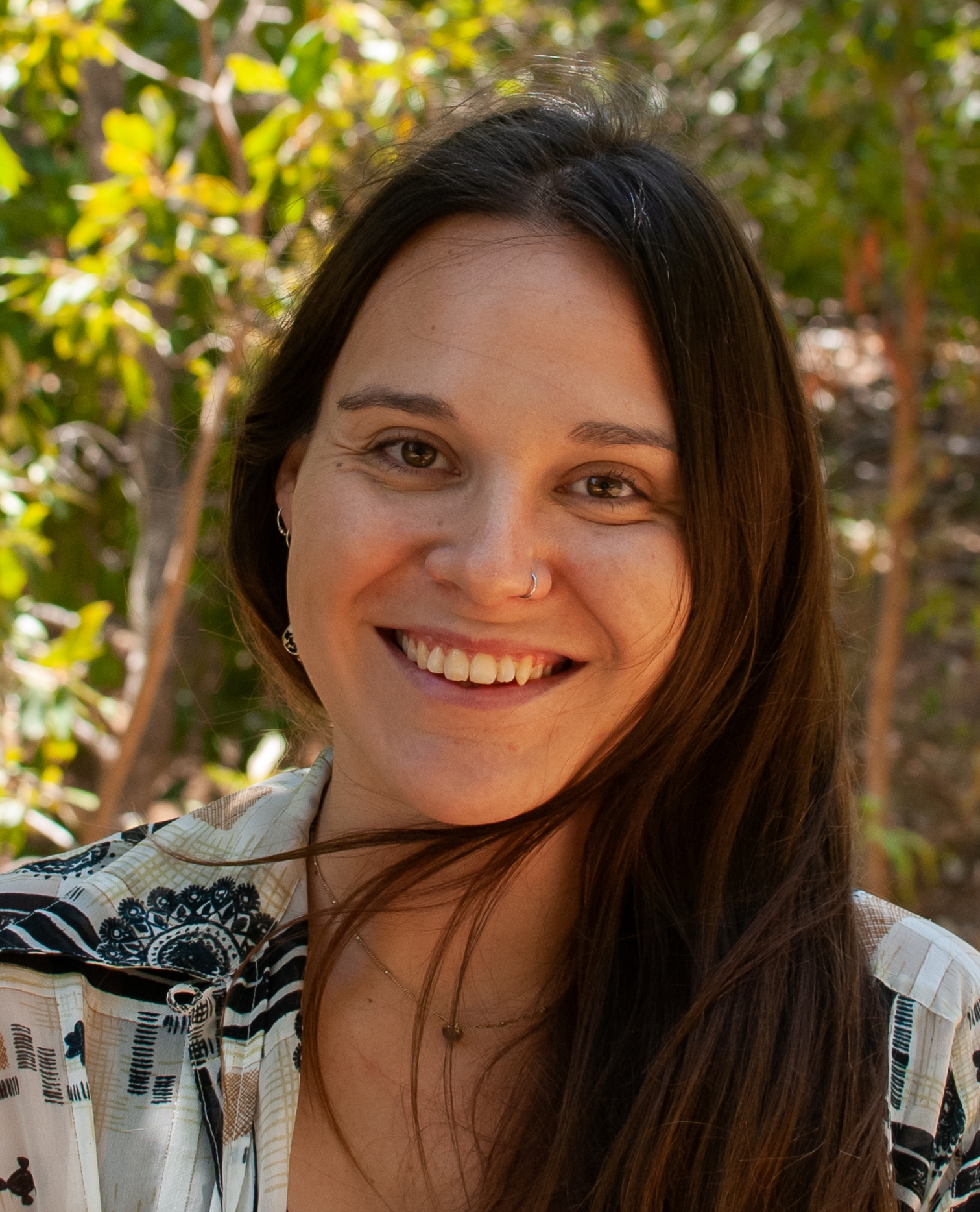
Bethany Smith
- Postdoctoral Research Fellow
- bethany.smith1@jcu.edu.au

Brandon Mahan
- Adjunct Senior Lecturer
- brandon.mahan@jcu.edu.au
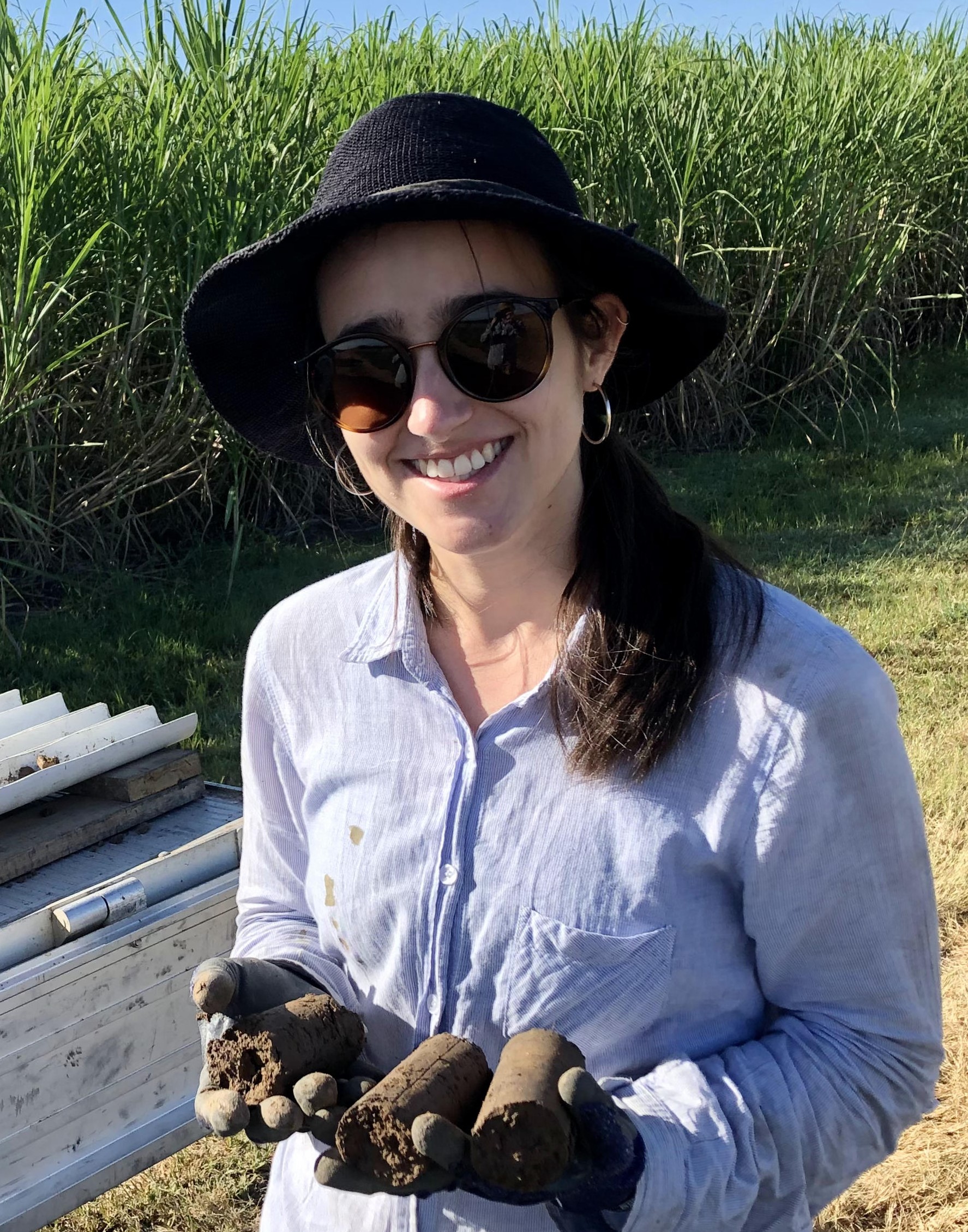
Hannah Green
- Research Officer
- hannah.green@jcu.edu.au
Collaborative science for monitoring of Northern Territory marine megafauna (Old ID 27097)
This project will be a partnership between Indigenous rangers (Gumurr-Marthakal Rangers, Larrakia Rangers), national park managers (Kakadu National Park and Cobourg Marine Park) and scientists (Charles Darwin, Macquarie, James Cook and Edith Cowan Universities, Australian Institute of Marine Science, Taronga Conservation Society) to provide fundamental information on the ecology of northern Australian marine megafauna to design and support collaborative regional biodiversity monitoring programs that inform effective environmental management. We will conduct cutting edge seascape genetics and movement ecology research to map population connectivity and critical habitat areas and collaboratively develop methods for ongoing data collection, sharing and analysis. We have dual aims of developing (1) the best science for conservation management and decision making for marine megafauna and (2) the most appropriate approaches for cross-cultural and trans-disciplinary collaboration with Indigenous Traditional Owners and managers.
Alluvial Gully Remediation in the Upper Burdekin Catchment (Old ID 27857)
In catchments draining to the Great Barrier Reef World Heritage Area, northeast Queensland, Australia, excess sediment derived from gully erosion is contributing to poor coastal water quality. Remediating and preventing further degradation of these landscapes is a major focus of investment toward improving coastal water quality. This project will monitor and evaluate the effect of several alluvial gully remediation measures on improving water quality in the Upper Burdekin catchment. The project will provide valuable new data, knowledge and understanding of the effectiveness of these remediation approaches for landholders interested in protecting and enhancing forage productivity, and for the organisations investing in activities to reduce sediment and nutrient loads delivered to the Great Barrier Reef.
SahulSED Radiocarbon, SahulCHAR, and OCTOPUS Future Proofing (Old ID 27819)
The project will engage a full-time postdoctoral fellow for 12 months to compile fire proxy data for the new data collection SahulCHAR, to oversee the data collection of environmental radiocarbon ages for SahulSED, and to lead the development of resources for the maintenance and community-led updates of these collections. The postdoctoral fellow will lead the E&E activities and support the RT&E activities described below and will update existing collections as needed. Results will be included in a series of planned papers to coincide with the launch of the new collections.
Northern Aquaculture Industry Situational Analysis (Old ID 26272)
This project will identify key challenges and opportunities facing the North Australian aquaculture sector and explore potential solutions and/or identify the most strategic research projects for further investment. This will include and not be limited to: infrastructure, policy, investment, environmental, production, knoweldge, training and human capital gaps and the research or alternative solutions to address them. The project will be delivered through a literature review, development of the 'Northern aquaculture industry vision 2028' in consultation with indigenous and non-indigenous stakholders, desktop study and SWOT analysis, and the situational analysis report.
Fingerprinting environmentally sustainable ores using neodymium isotopes (Old ID 27841)
The rare earth elements (REE) are a critical resource as the world transitions to an energy system dominated by green energy. However, current extraction methods rely on strong acid leaching, which has the potential to create environmental contamination. Alternative REE extraction methodologies, including phyto‐extraction (using plants) and bacteria induced bioleaching are currently being investigated. This project aims to utilise radiogenic and stable neodymium isotopes to characterise the isotopic fractionations induced during different REE extraction techniques. This isotopic fingerprinting will provide a method to verify more sustainably generated REE concentrates, enabling the Australian REE industry to be positioned as a world leading environmental producer.
Magmatic History, Fertility and Metallogenesis of the Mary Kathleen Domain of the Mt Isa Inlier (Old ID 24902)
This project aims to highlight the exploration potential in the Mary Kathleen Domain of the Mt Isa Inlier by providing key mineralisation insights that can assist mining companies to plan their exploration strategy for better targeting and enhance the potential for new discoveries. To achieve this, the project has three main objectives: (1) Establish the extent, character and timing of the dominant magmatic epochs in the Mary Kathleen Domain of the Mt Isa Inlier (2) Develop an understanding of the tectono-magmatic history of the Mary Kathleen Domain and its links to metallogenesis; (3) Explore the applicability of magma fertility concepts as a tool for exploration for a variety of deposit types.
Optimising mill mud and ash applications for soil improvement and carbon sequestration (Old ID 27540)
Negative carbon dioxide emission technologies are urgently required to offset emissions from fossil fuel burning. Weathering of alkaline metal oxides such as those in ash is a promising technology as it consumes carbon dioxide. This project aims to determine carbon sequestration when sugar mill ash, either alone or mixed with mill mud, is applied to soil in sugarcane fields. The project expects to generate knowledge about the rates of carbon sequestration and the factors controlling it, employing field experiments and geochemical modelling. The main outcome expected is a carbon sequestration methodology that is permanent and unlimited (given continued application mill by-products), unlike soil organic carbon sequestration. Adoption will facilitate trade in carbon credits through the Emissions Reduction Fund and facilitate market access through increased ability of the sugar industry to meet consumer expectations regarding environmental responsibility.
Research to Inform Yellow Crazy Ant Management in the Wet Tropics (Old ID 23489)
Research and activities required will be: ensure compliance with APVMA permit conditions; research efficacy of current pesticide treatments; research the reproductive phenology of YCA colonies and factors affecting; assess effects of YCA and the baiting program on biodiversity; maintain breeding colonies of YCA for use in dog detection training; design, develop, and test new detection techniques; design and develop further monitoring protocols; analyse WTMA collected data; attend and present findings at monthly and quarterly meetings; provide periodic reports and stay up-to-date with new developments in YCA management.
Reef lagoon benthic habitat mapping in the Coral Sea Marine Park (Old ID 27466)
This project will undertake reef lagoon benthic habitat mapping within the Coral Sea Marine Park. Sites to be surveyed are the western lagoon of Holmes Reef, all of Herald Cays, the lagoon between the Diamond Islets in Tregrosse Reef, and the eastern corner of the lagoon in Lihou Reef. This project will produce the first extensive reef lagoon benthic maps of the selected regions in the Coral Sea Marine Park and will be the first seagrass survey in the Coral Sea.
Green turtle satellite tracking data analysis and reporting (Old ID 26766)
The project aims to understand (2) the patterns of habitat use and home range of foraging green turtles in Port Curtis? (2) How green turtles use habitats located within and immediately adjacent to port infrastructure in the western and southern sections of the Port, such as jetties and navigation channels? And (3) What are the patterns of movement and foraging behaviour of green turtles that shift between inside and outside the Inner Port habitats (i.e. from Pelican Banks to offshore of Curtis Is)?
Organic matter, sodicity and soil structure
- 1998
- Oxford University Press
- Researchers:Paul Nelson
Seafloor morphology and acoustic facies of the George V Land shelf
- 2003
- Researchers:Rob Beaman
Title:
PhD, James Cook University
End Date:
01 Jan 2010
End Date:
01 Jan 2003
Start Date:
01 Jan 2020
End Date:
01 Jan 2025
Start Date:
01 Jan 2023
End Date:
01 Jan 2025
Title:
JCU Distinguished Professor
Start Date:
01 Jan 2010
Start Date:
01 Jan 2019
Title:
Malayalam
Title:
English
Title:
Tamil
Title:
Hindi