
College of Science & Engineering

Sophia Love
- Doctor of Philosophy (Natural and Physical Sciences)
- sophie.love@jcu.edu.au
Elle Robertson
- Doctor of Philosophy (Agriculture, Environmental and Related Studies)
- elle.robertson@jcu.edu.au
Romain Vaucher
- Senior Lecturer, Sedimentology
- romain.vaucher@jcu.edu.au
Jenny Fisher
- Associate Dean, Learning and Teaching
- jenny.fisher@jcu.edu.au
Ambili Narayanan
- Doctor of Philosophy (Natural and Physical Sciences)
- ambili.narayanan@my.jcu.edu.au

Sarfaraz Ali
- Postdoctoral Research Fellow
- sarfaraz.ali@jcu.edu.au
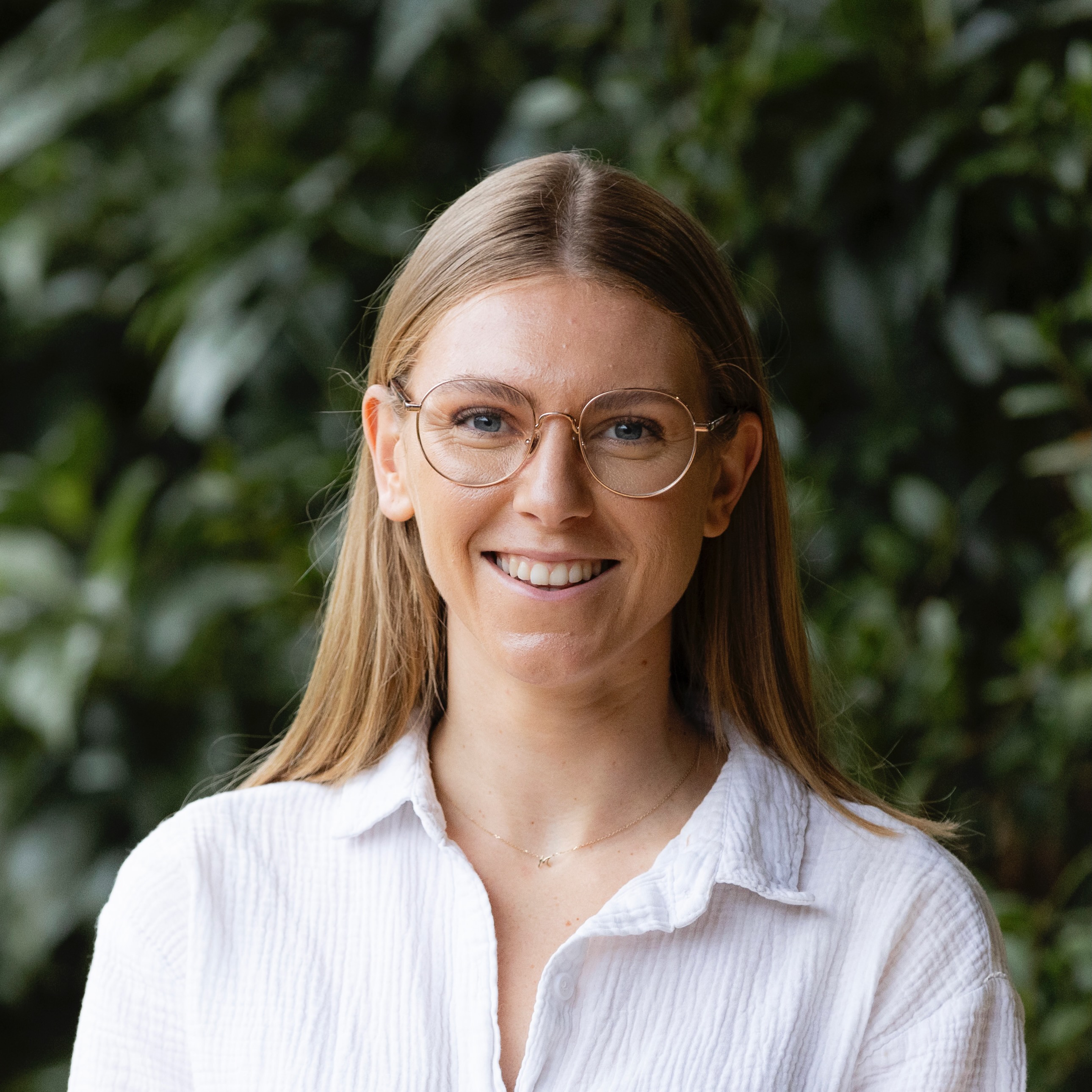
Mikaeylah Davidson
- Postdoctoral Research Fellow
- mikaeylah.davidson@jcu.edu.au
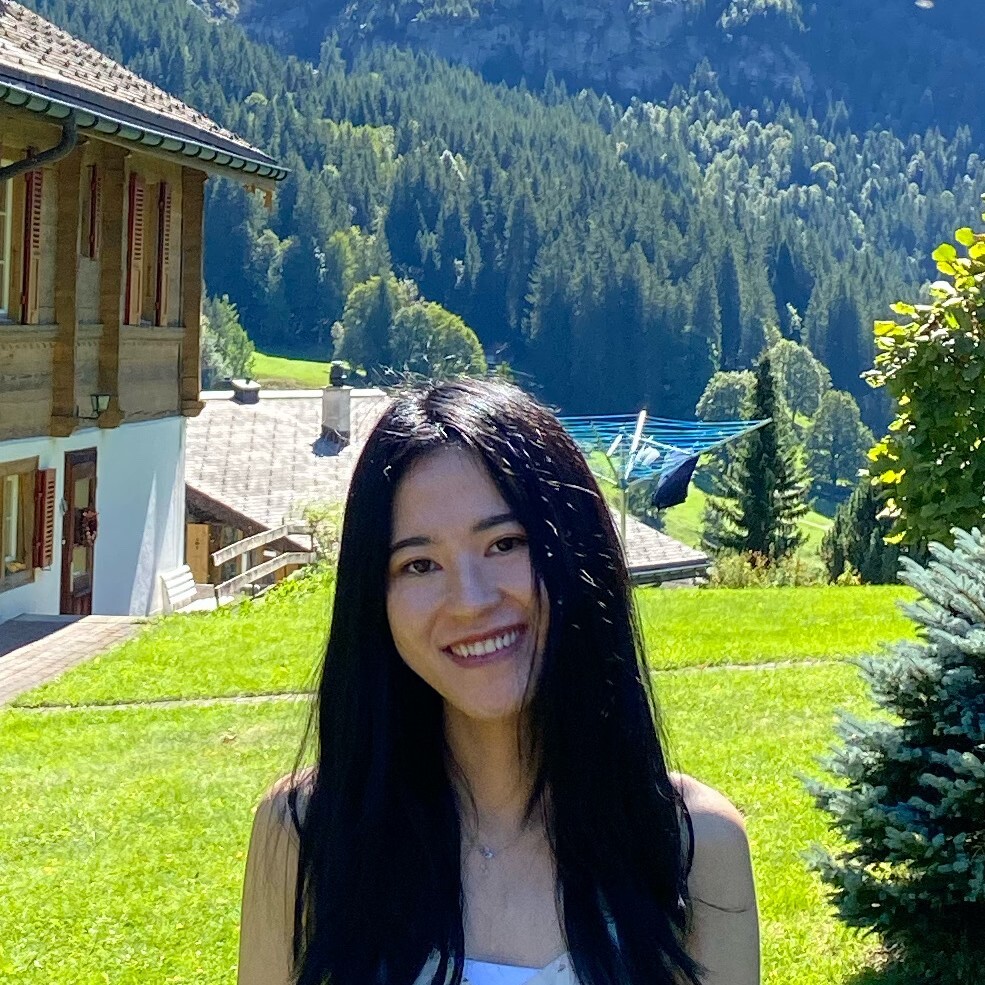
Liuxin Chen
- Adjunct Lecturer
- liuxin.chen@jcu.edu.au
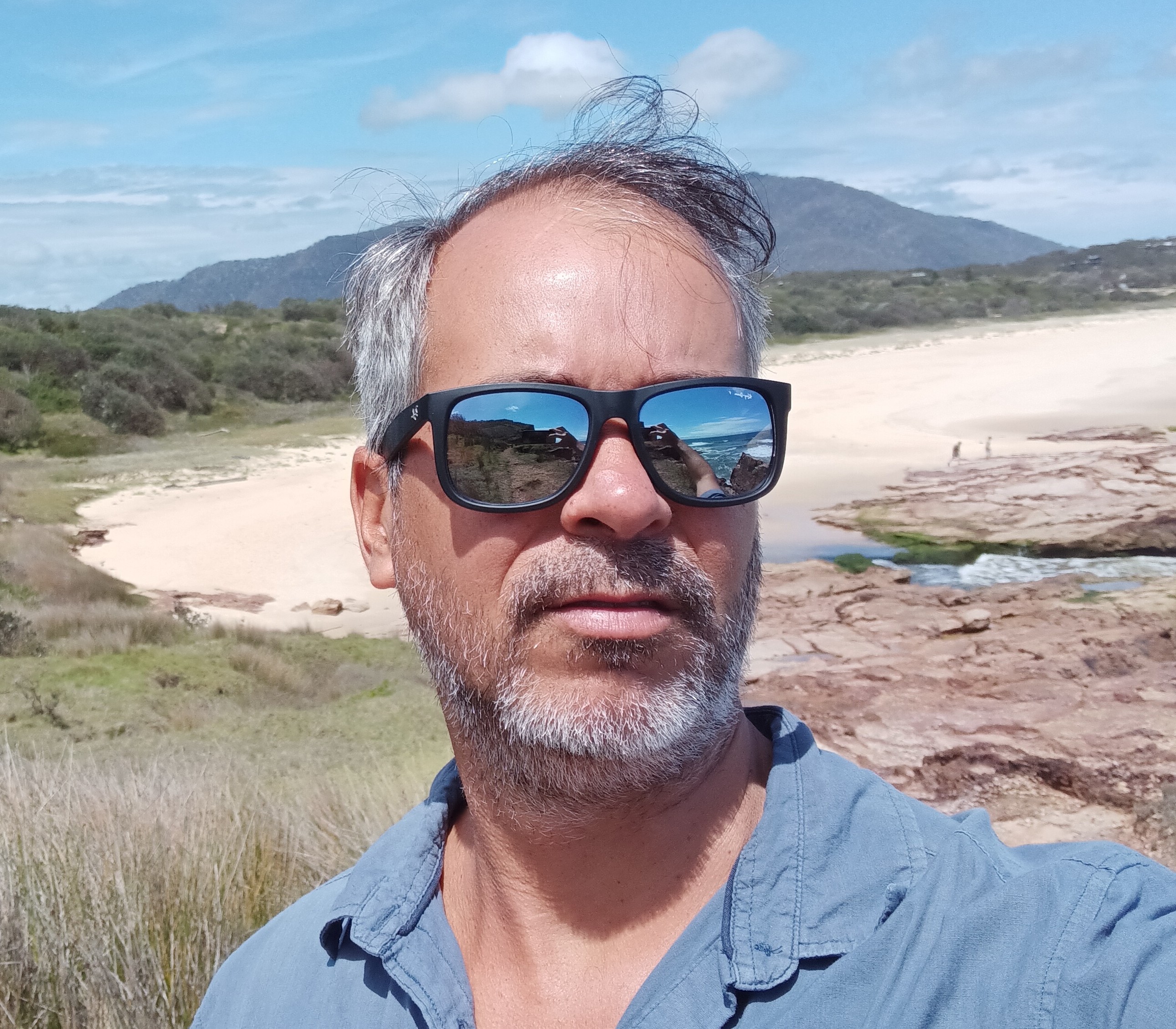
Rafael Cabral Carvalho
- Lecturer, Marine Geoscience
- rafael.cabralcarvalho@jcu.edu.au
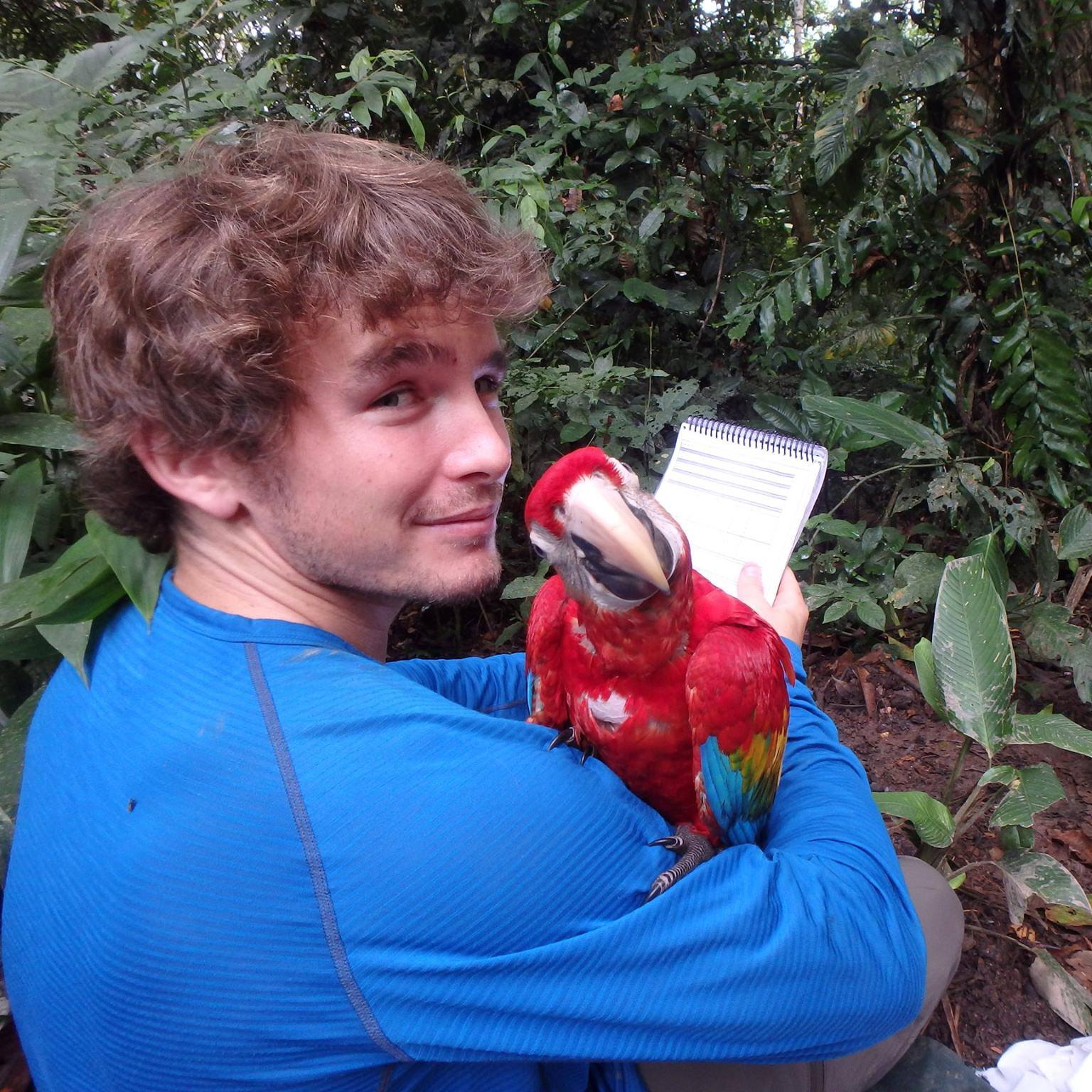
Tom Lloyd
- Postdoctoral Research Fellow, Global Ecosystems
- tom.lloyd@jcu.edu.au
Microanalytical Facility Supporting Resources Development and Manufacturing (Old ID 27524)
The project aims to establish a state-of-the-art electron probe microanalysis facility enabling accurate chemical analysis to be undertaken at the micro-scale. It is expected to provide new knowledge and support applied research on a range of natural, synthetic and processed materials that will deeply impact advancements in the fields of metals processing and recycling, Earth and environmental science, and the development of materials for a healthier society. It will support ARC funded and industry engaged research enhancing the minerals exploration, mining and metallurgical industries and inform sustainable practice. It will also provide the key research infrastructure to enhance Australia’s research leadership in these fields.
JCU Spawning Potential app development (Old ID 27727)
The central biological measure of success for the “Community- Based Sustainable Development in Solomon Island and PNG Coastal Communities” projects are trends in the Spawning Potential Ratio (SPR) of key target species. This Project seeks to refine the Spawning Potential Survey (SPS) App (JCU FISH) to include spatial reporting tools that can be utilised by survey participants to monitor spatial and temporal trends in SPR. This project extends from an earlier “proof of concept” project funded by the WWF Ocean Practice where the potential for automatic identification and measurement of target species from a single image was realised.
Monitoring the distribution and abundance of dugongs (and in-water, large marine turtles) within the GBRWHA using a combined aerial observer and imagery approach (Old ID 27811)
This project aims to: (1) to monitor the trends in the abundance and distribution of dugongs within the GBRWHA and (2) contribute to the transition to the use of novel imagery survey technologies to enhance survey methods and accuracy in abundance estimates. The project will be conducted in five main stages which will include: the development of a Traditional Owners engagement strategy and the drafting and submitting regulatory permit applications (stage 1), the development of the survey design and data collection protocols and undertake observer training (stage 2), conduct the dugong observer surveys and imagery experimental work within the GBRWHA (stage 3) and the production of a final report including summary of all survey report findings and advice about the implications of the findings for the conservation and management of dugongs and large marine turtles within the GBRWHA (stage 4).
Investigating the Functional Diversity and Plasticity within the Water and Resource use Traits of Trees Along Elevation Gradients in Tropical Rainforest Communities
I will investigate the functional performance and plasticity within the water and resource use strategy of attitude-specific trees, native and introduced trees with wide range distribution along the elevation gradient in the Tropical Rainforests of Papua New Guinea and Far North Queensland in Australia. I collected data using common garden experiments, experimental plantings, and plots. I expect temperature and edaphic factors to be the major drivers of plants' water and resource use strategy along the elevation gradient. I also expect higher plasticity in the traits of native pioneer trees in contrast to introduced invasive trees and mid to late successional species.
My research will provide information on the functional diversity within altitude-specific trees and identify strategies that enable trees to survive in different altitudes. Exploring the variation and covariation of key traits related to the water and resource use strategy of trees and their plasticity with elevation provides information on the potential acclimation of species to climate change.
Sugar-AI: Smart Sugarcane Health Monitoring and Ratoon Stunting Disease (RSD) Detection with Satellite Remote Sensing and Machine Learning (Old ID 30057)
The aim of the Sugar-AI project is to develop a prototype smart software system for sugarcane health monitoring. The prototype will focus on accurately diagnosing Ratoon Stunting Disease (RSD), which is considered by most sugarcane pathologists globally to be the most important disease that impacts on sugarcane yields between 5-60%.
Can species interactions cause rapid adaptation? (Old ID 24883)
Under environmental change, the persistence of a species centers on its ability to disperse from or adapt to changing conditions. Dispersal is limited in the Australian Wet Tropics due to restricted environmental space and mountain-top edges, so adaptation is necessary. This includes adaption to the changing conditions (e.g., temperature) and changing species interactions. This project will use experimental evolution in two Australian rainforest Drosophila species to test if novel competition can drive adaptation to warming temperatures and enable coexistence. Results will then be used with field data to create a comprehensive niche model aimed at predicting effects of climate change to a Wet Tropics species.
Can species interactions cause rapid adaptation? (Old ID 24883)
Under environmental change, the persistence of a species centers on its ability to disperse from or adapt to changing conditions. Dispersal is limited in the Australian Wet Tropics due to restricted environmental space and mountain-top edges, so adaptation is necessary. This includes adaption to the changing conditions (e.g., temperature) and changing species interactions. This project will use experimental evolution in two Australian rainforest Drosophila species to test if novel competition can drive adaptation to warming temperatures and enable coexistence. Results will then be used with field data to create a comprehensive niche model aimed at predicting effects of climate change to a Wet Tropics species.
Coastal acidification in the benthic boundary layer on inshore reefs: implications on water chemistry and benthic communities (Old ID 24986)
This project will investigate the effects of coastal acidification on the waters within the benthic boundary layer, as well as the implications for important coral reef organisms and communities present in this area. I aim to (a) understand the dynamics and responses of this microenvi9ronment and its constituents with respect to coastal acidification and temperature, and (b) improve current predictions on the reef's ability to recover after acute stresses, such as bleaching or cyclone damage, under an increasingly acidifying ecosystem.
Internet of Things and Big Data Analytics for Cairns Marine (Old ID 26460)
This project will assist to analyse the large repository of data held by Cairns marine in relation to its full operations, i.e., from harvest to husbandry, inventory tracking and sales fulfilment. The physical systems currently in use at Cairns Marine are extensive and complex, involving a range of activities in Northern Australia, all activities on site (including R&D) in Cairns and full product (marine animals) stewardship to destination. A deep and informed understanding of data is required by the business to meet its growing global product commitments.
Internet of Things and Big Data Analytics for Cairns Marine (Old ID 26460)
This project will assist to analyse the large repository of data held by Cairns marine in relation to its full operations, i.e., from harvest to husbandry, inventory tracking and sales fulfilment. The physical systems currently in use at Cairns Marine are extensive and complex, involving a range of activities in Northern Australia, all activities on site (including R&D) in Cairns and full product (marine animals) stewardship to destination. A deep and informed understanding of data is required by the business to meet its growing global product commitments.
Organic matter, sodicity and soil structure
- 1998
- Oxford University Press
- Researchers:Paul Nelson
Start Date:
10 Nov 2024
Start Date:
31 Mar 2025
Title:
Bengali
Reseracher:
Khandakar Faisal Ibn Murad
(Doctor of Philosophy (Engineering and Related Technologies))
Title:
English
Reseracher:
Khandakar Faisal Ibn Murad
(Doctor of Philosophy (Engineering and Related Technologies))
Start Date:
01 Jan 2024
Start Date:
01 Jan 2014
Start Date:
01 Jan 2024
End Date:
01 Jan 2027
Start Date:
01 Jan 2003
Title:
PhD, James Cook University
End Date:
01 Jan 2010
Start Date:
01 Jan 2024
End Date:
01 Jan 2024