
College of Science & Engineering

Sophia Love
- Doctor of Philosophy (Natural and Physical Sciences)
- sophie.love@jcu.edu.au
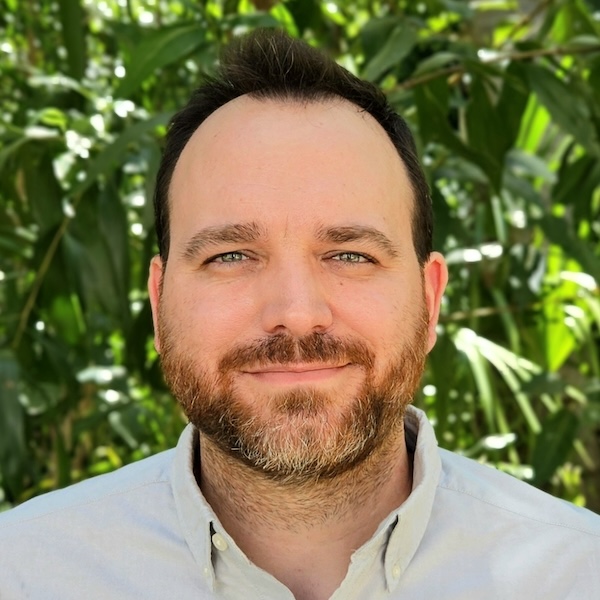
Romain Vaucher
- Senior Lecturer, Sedimentology
- romain.vaucher@jcu.edu.au
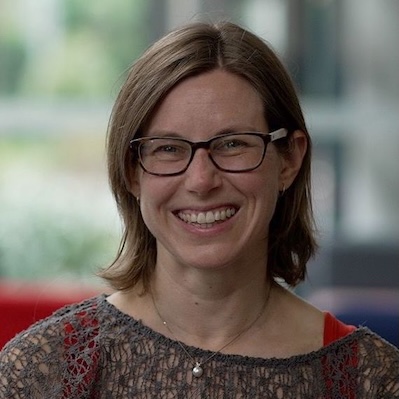
Jenny Fisher
- Associate Dean, Learning and Teaching
- jenny.fisher@jcu.edu.au
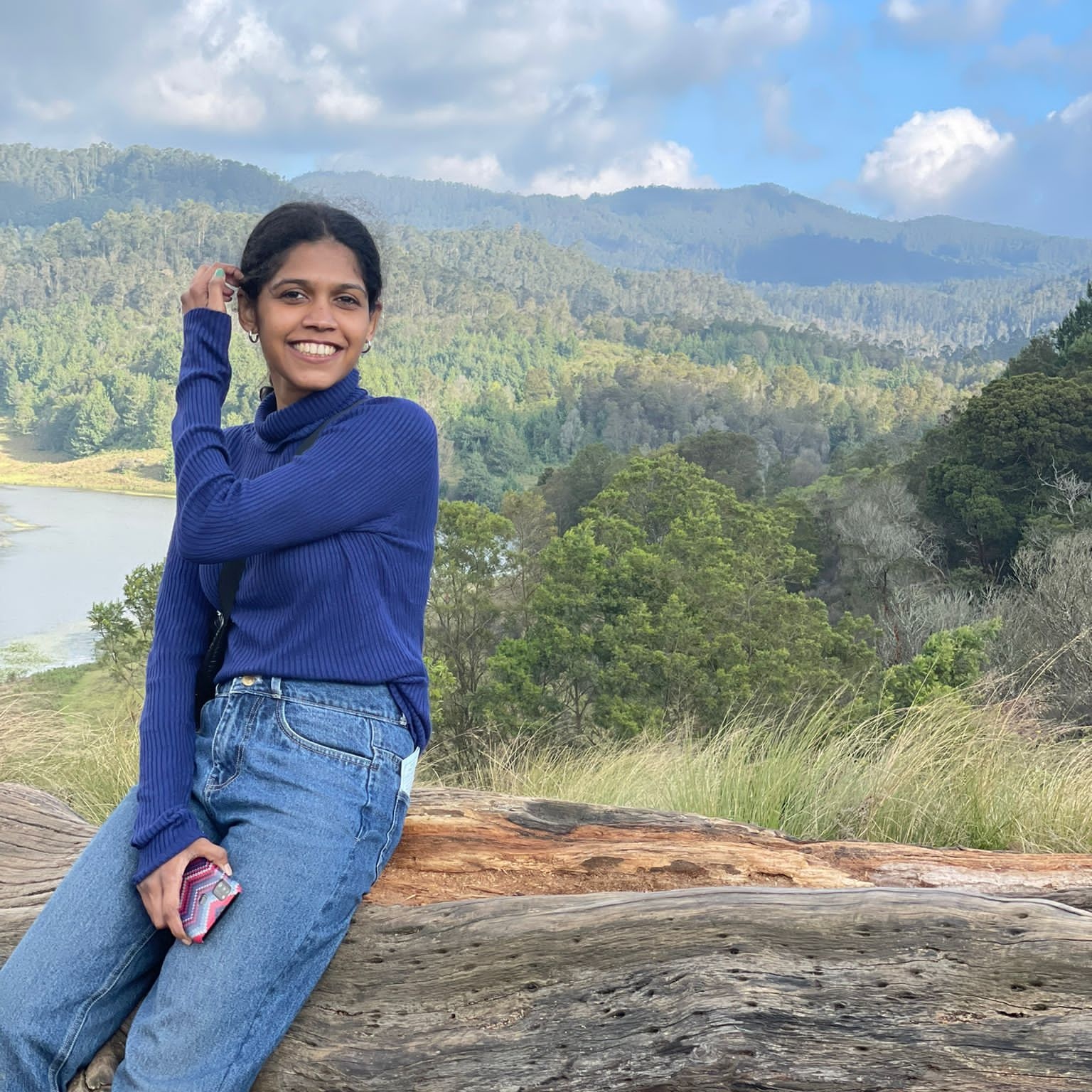
Ambili Narayanan
- Doctor of Philosophy (Natural and Physical Sciences)
- ambili.narayanan@my.jcu.edu.au

Sarfaraz Ali
- Postdoctoral Research Fellow
- sarfaraz.ali@jcu.edu.au
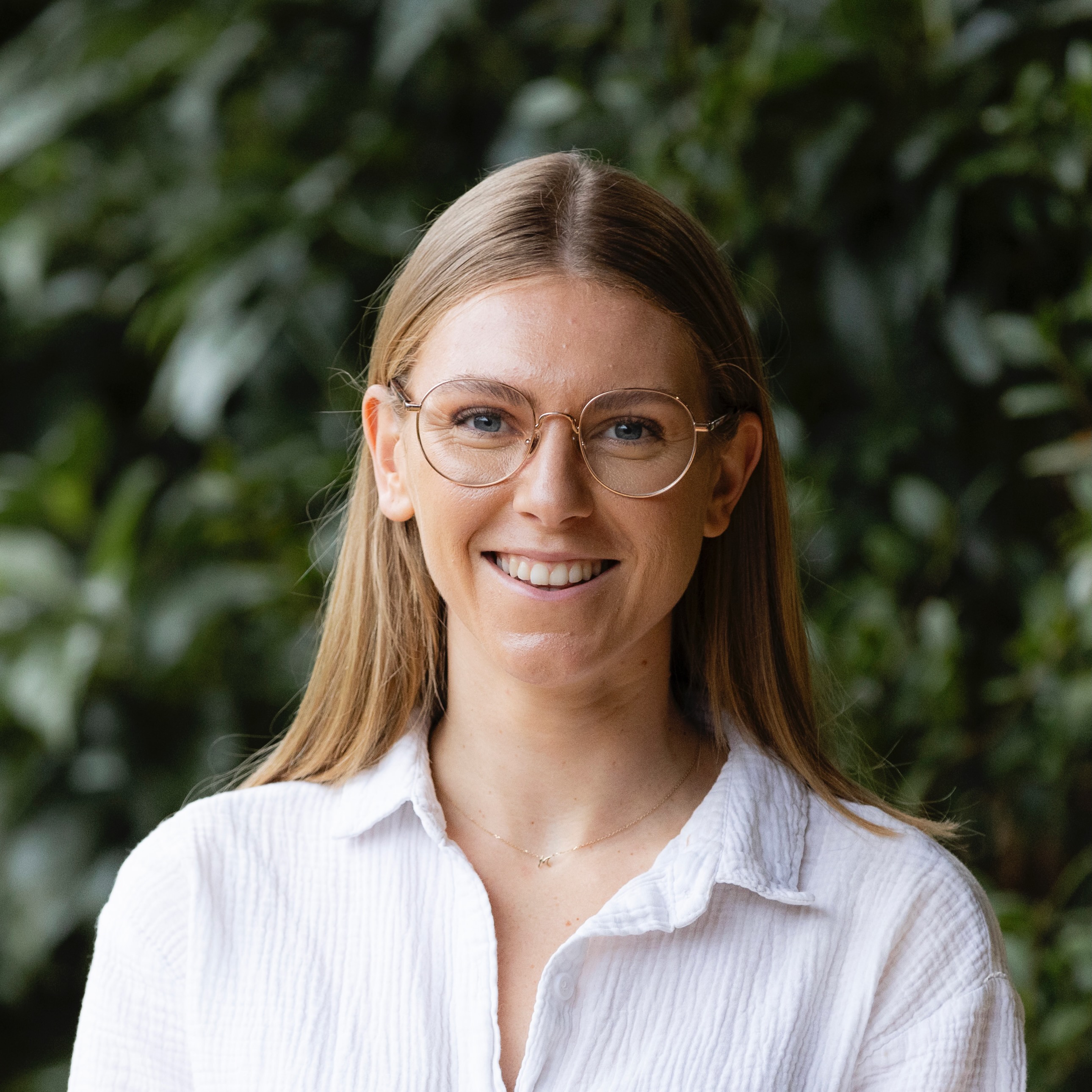
Mikaeylah Davidson
- Postdoctoral Research Fellow
- mikaeylah.davidson@jcu.edu.au
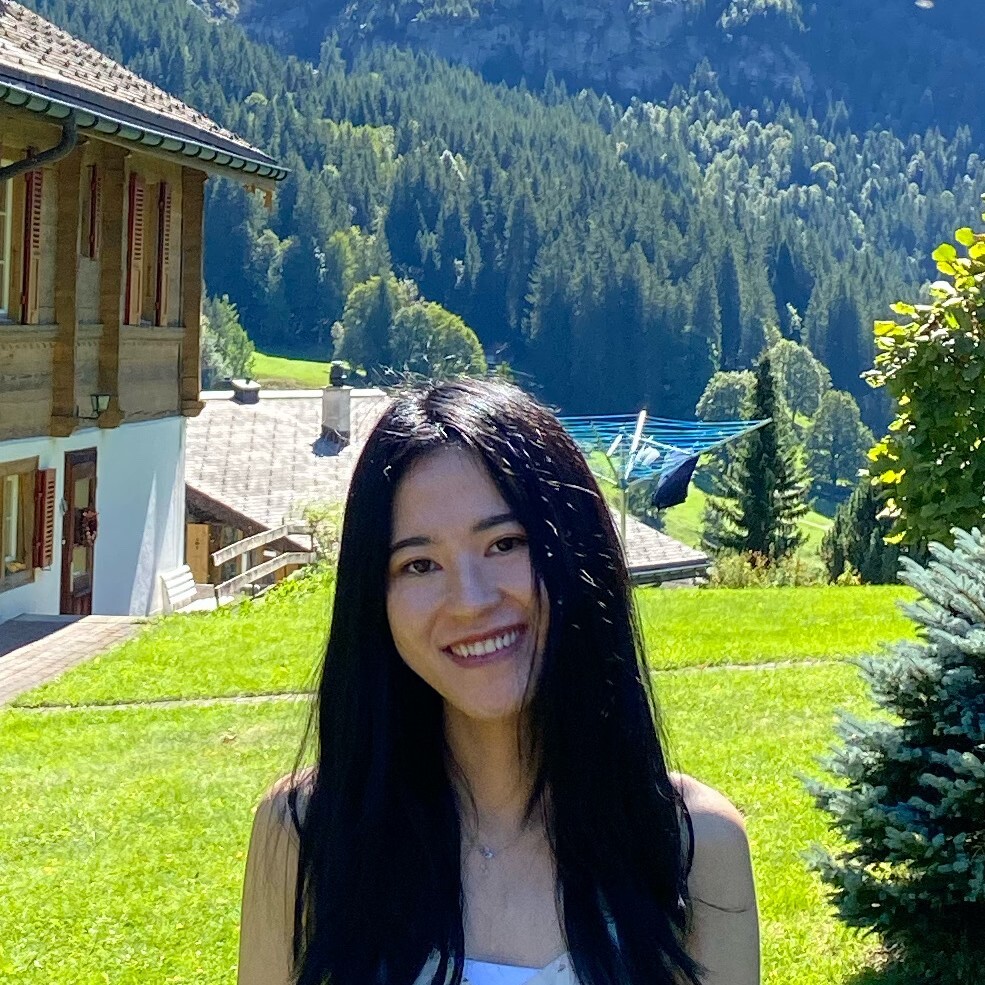
Liuxin Chen
- Lecturer
- liuxin.chen@jcu.edu.au
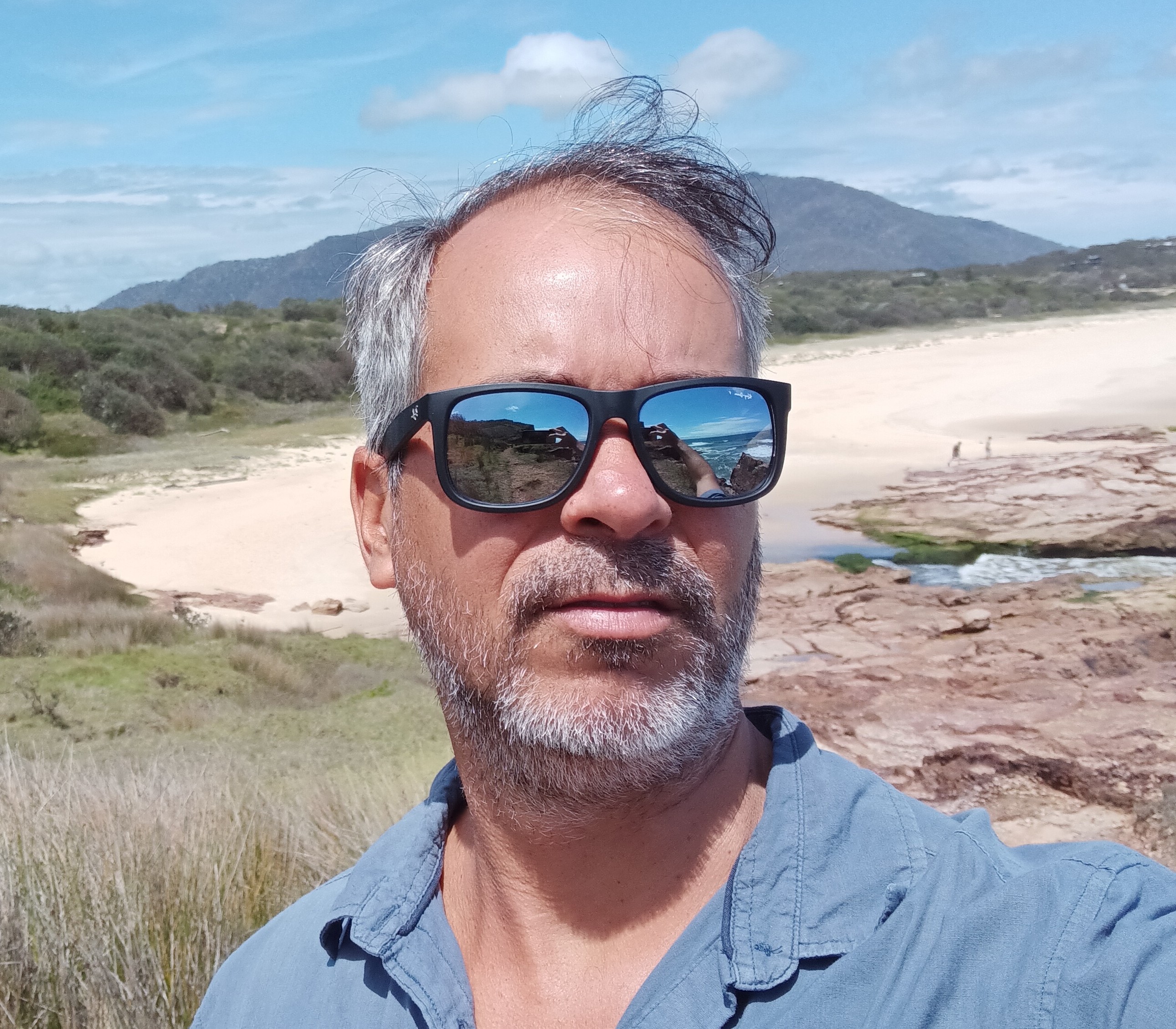
Rafael Cabral Carvalho
- Lecturer, Marine Geoscience
- rafael.cabralcarvalho@jcu.edu.au
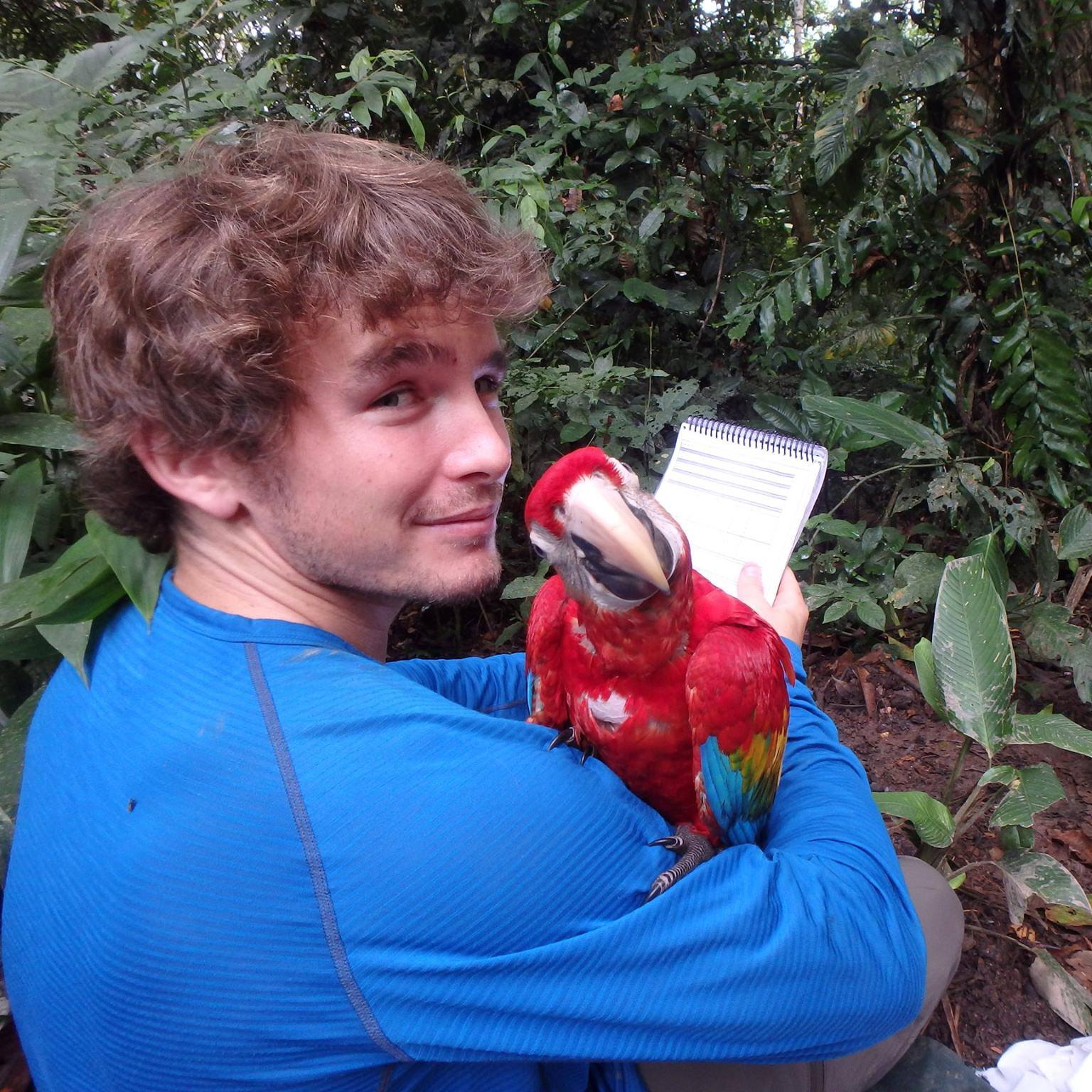
Tom Lloyd
- Postdoctoral Research Fellow, Global Ecosystems
- tom.lloyd@jcu.edu.au
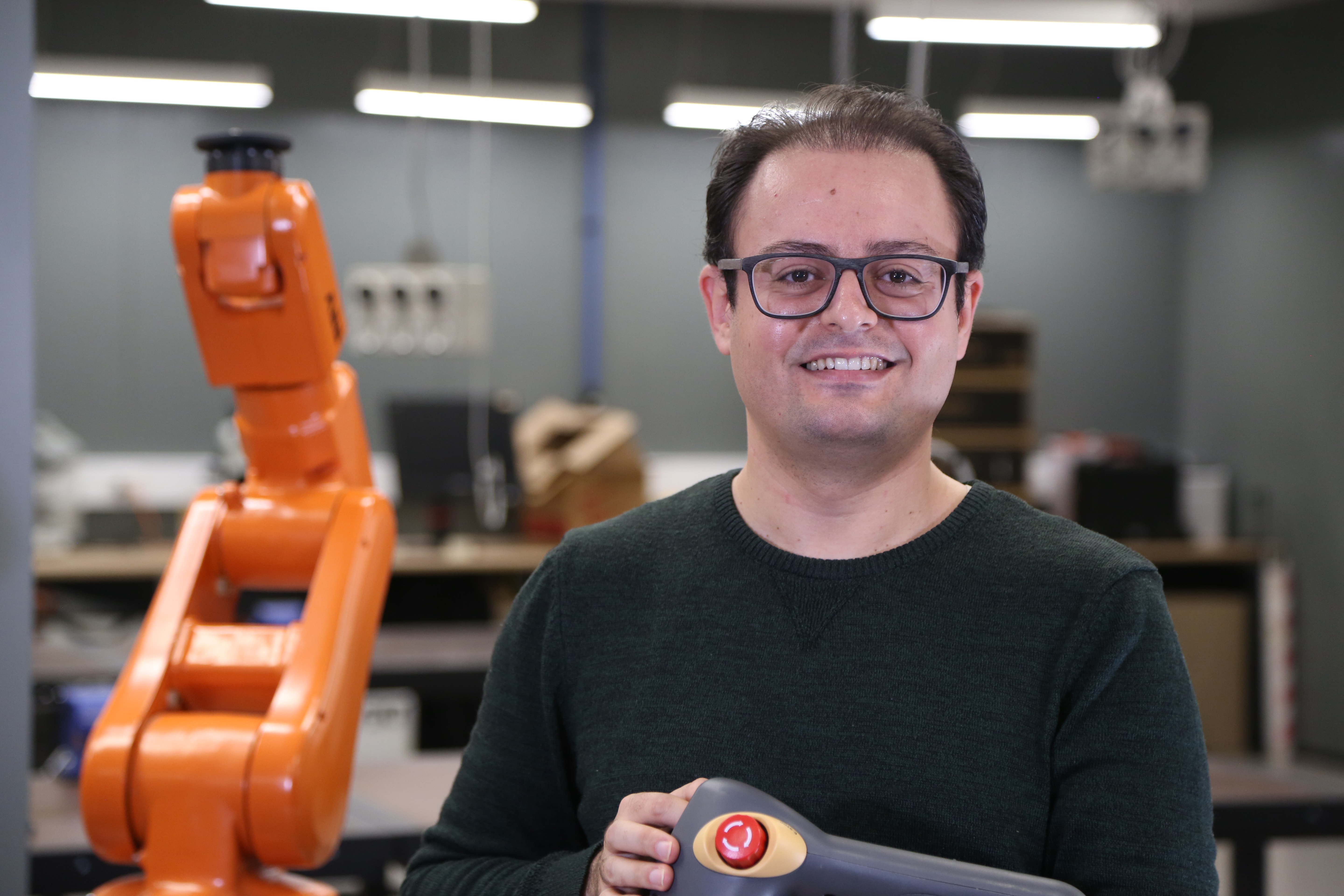
Mohamadreza Chalak Qazani
- Lecturer, Mechanical Engineering
- mohamadreza.chalakqazani@jcu.edu.au
Determining nitrogen removal from floodplain restoration with Melaleuca (Old ID 27462)
Nathan Waltham
08 Nov 2021 - 31 Dec 2022
Tree swamps, such as those with Melaleuca, have the potential to remove nitrogen from agricultural runoff. This project aims to: (i) assess the effectiveness of a Melaleuca planting integrated within a Wet Tropics cane-dominated catchment to remove nitrogen from floodwaters before it flows to the Great Barrier Reef; and (ii) scope locations for future tree swamp integration across the Great Barrier Reef catchment.
RRAP CAD-02 Engineering large scale coral aquaculture. (Old ID 27362)
Rachel Neil
01 Oct 2020 - 31 Dec 2026
Efficient coral production methods are required for restoration and adaptation interventions to reach the scale necessary for ecologically relevant outcomes. Coral Aquaculture production systems will be designed to meet the desired capacity levels, while also providing conditions to maintain the health of early life stages of corals. Appropriate and efficient aquaculture conditions and infrastructure are critical, along with strategies to optimise settlement, survival and growth of early life stage corals. For corals produced in the aquaculture systems and earmarked for out-planting to natural reefs systems, strict health and quality assurance standards also be investigated.
Seismic Interpretation of NE QLD (Old ID 28938)
Lauren Waszek
15 Mar 2023 - 15 Dec 2023
This project will update the interpretation of deep seismic lines across NE QLD, from Georgetown to Thomson and Hodkinson provinces. Work carried out at JCU with regard to tectonic models of the development of the eastern margin of the north Australian craton and new processing techniques should allow a better understanding of the fundamental geological and tectonic structure of NE Queensland. Understanding of the large scale distribution of geological provinces in 3 dimensions will underpin other works in the region such as geological mapping and lead to better understanding of mineral systems which include significant potential for critical minerals.
Millimeter-wave radar for monitoring animals in the airspace (Old ID 28946)
Bronson Philippa
01 Mar 2023 - 30 Jun 2023
This project aims to develop a prototype of a millimetre-wave imaging radar for the detection of animals in the airspace. These radar systems have been developed for the automotive industry but have yet to be assessed for their capability as a detection tool for biological targets such as insects, birds and bats. There is a huge market gap for low-cost biological sensors in industries such as agriculture, environmental management and conservation, and human health. This project will provide a proof of concept that can then be used to generate further funding and a start-up to further develop this product, with the intention to deploy a network of units as a sensor array.
Near-infrared spectroscopy to improve detection of the invasive yellow crazy ant, Anoplolepis gracilipes. (Old ID 28988)
Bronson Philippa
01 Apr 2023 - 30 Apr 2025
This project aims to develop a proof-of-concept device capable of distinguishing the invasive yellow crazy ant from native ants in the Wet Tropics World Heritage Area using a miniaturised near infrared (NIR) spectroscopic sensor. I will conduct an initial study into the variability of the yellow crazy ant NIR spectra then build a classification model to distinguish yellow crazy ants from common native ants using NIR spectra. These studies will be used to inform the prototype development. Prototype development will consist of the design and manufacture of a printed circuit board containing the NIR sensor and its support electronics. This prototype will be then validated using the same classification experiment of YCA against native ants.
Near-infrared spectroscopy to improve detection of the invasive yellow crazy ant, Anoplolepis gracilipes. (Old ID 28988)
Lori Lach
01 Apr 2023 - 30 Apr 2025
This project aims to develop a proof-of-concept device capable of distinguishing the invasive yellow crazy ant from native ants in the Wet Tropics World Heritage Area using a miniaturised near infrared (NIR) spectroscopic sensor. I will conduct an initial study into the variability of the yellow crazy ant NIR spectra then build a classification model to distinguish yellow crazy ants from common native ants using NIR spectra. These studies will be used to inform the prototype development. Prototype development will consist of the design and manufacture of a printed circuit board containing the NIR sensor and its support electronics. This prototype will be then validated using the same classification experiment of YCA against native ants.
Defining the values of the of the ecological systems that influence the GBR and lie outside the marine park and world heritage area boundaries (Old ID 23140)
Jon Day
01 Jan 2017 - 30 Jun 2018
The Great Barrier Reef World Heritage Area globally recognised for its outstanding universal value, is an integrated and highly connected part of a larger northeast Australia marine bioregion, which includes Torres Strait, the Coral Sea and the Great Sandy Marine Park (Hervey Bay). Understanding the values (ecological, cultural, social and economic) of these adjacent systems, and especially the connections and inter-dependencies between systems, is crucial to effective and efficient protection and management of the globally important natural and cultural values within each system. This project will identify and assess the values of these adjacent systems, and characterise the processes and attributes that influence the values and their connectivity at a regional scale, delivering a resource that can inform cross-jurisdictional planning and management.
Development and characterization of a Novel Zirconia Implant material with enhanced mechanical properties and bio-compatibility (Old ID 27124)
Elsa Antunes
01 Jan 2021 - 31 Dec 2021
Zirconia dental implants have been recently developed as a viable, aesthetic, non-metallic alternative for dental implant fabrication compared to the titanium implants. However, significant challenges have been encountered in acceptance of zirconia implants in clinical practice due to the low fracture resistance inherent within the zirconia material that can lead to structural failure of implant. This has created a need for further research into its crystalline composition and forms to further enhance the mechanical properties of zirconia making it more suitable for dental implants. This study will assess the mechanical and chemical properties of the novel zirconia material developed in our lab and evaluates the effect of various surface modifications on its mechanical properties. Furthermore, cellular interactions that play a vital role in wound healing after placement of implant will be ascertained to promote successful implant osseointegration of novel zirconia dental implants.
Denitrification bioreactor trial in the Russell catchment of the Wet Tropics (Old ID 23408)
HanShe Lim
01 Nov 2017 - 30 May 2020
This project will establish the effectiveness of denitrification bioreactors as an on-farm technology for removing dissolved inorganic nitrogen (DIN) in waters draining the Babinda Swamp Drainage Area. The region has been identified as a hotspot for DIN in the Great Barrier Reef catchment. This will be the first trial of denitrification bioreactors in the Wet Tropics. Denitrifying bioreactors route water through a high-carbon substrate under anaerobic conditions to encourage denitrification (the conversion of DIN to atmospheric N2). Two bioreactor configurations will be tested at two sites, and the potential for broader adoption will be assessed.
Denitrification bioreactor trial in the Russell catchment of the Wet Tropics (Old ID 23408)
Alex Cheesman
01 Nov 2017 - 30 May 2020
This project will establish the effectiveness of denitrification bioreactors as an on-farm technology for removing dissolved inorganic nitrogen (DIN) in waters draining the Babinda Swamp Drainage Area. The region has been identified as a hotspot for DIN in the Great Barrier Reef catchment. This will be the first trial of denitrification bioreactors in the Wet Tropics. Denitrifying bioreactors route water through a high-carbon substrate under anaerobic conditions to encourage denitrification (the conversion of DIN to atmospheric N2). Two bioreactor configurations will be tested at two sites, and the potential for broader adoption will be assessed.
Growth rates of juvenile smalltooth sawfish Pristis pectinata Latham in the western Atlantic
- 2008
- Wiley-Blackwell
- Researchers:Colin Simpfendorfer
Environmental and socioeconomic dynamics of the Indian Ocean tsunami in Penang, Malaysia
- 2008
- Wiley-Blackwell
- Researchers:Michael BirdLisa Law
Start Date:
10 Nov 2024
Start Date:
31 Mar 2025
Title:
Bengali
Reseracher:
Khandakar Faisal Ibn Murad
(Doctor of Philosophy (Engineering and Related Technologies))
Title:
English
Reseracher:
Khandakar Faisal Ibn Murad
(Doctor of Philosophy (Engineering and Related Technologies))
Start Date:
01 Jan 2024
Start Date:
01 Jan 2024
End Date:
01 Jan 2027
Start Date:
01 Jan 2014
Start Date:
01 Jan 2003
Title:
PhD, James Cook University
End Date:
01 Jan 2010
End Date:
01 Jan 2003