
College of Science & Engineering

Sophia Love
- Doctor of Philosophy (Natural and Physical Sciences)
- sophie.love@jcu.edu.au
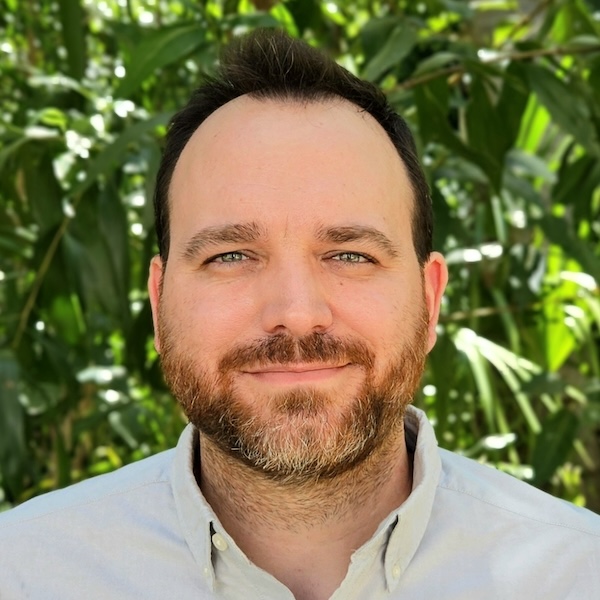
Romain Vaucher
- Senior Lecturer, Sedimentology
- romain.vaucher@jcu.edu.au

Jenny Fisher
- Associate Dean, Learning and Teaching
- jenny.fisher@jcu.edu.au

Ambili Narayanan
- Doctor of Philosophy (Natural and Physical Sciences)
- ambili.narayanan@my.jcu.edu.au

Sarfaraz Ali
- Postdoctoral Research Fellow
- sarfaraz.ali@jcu.edu.au
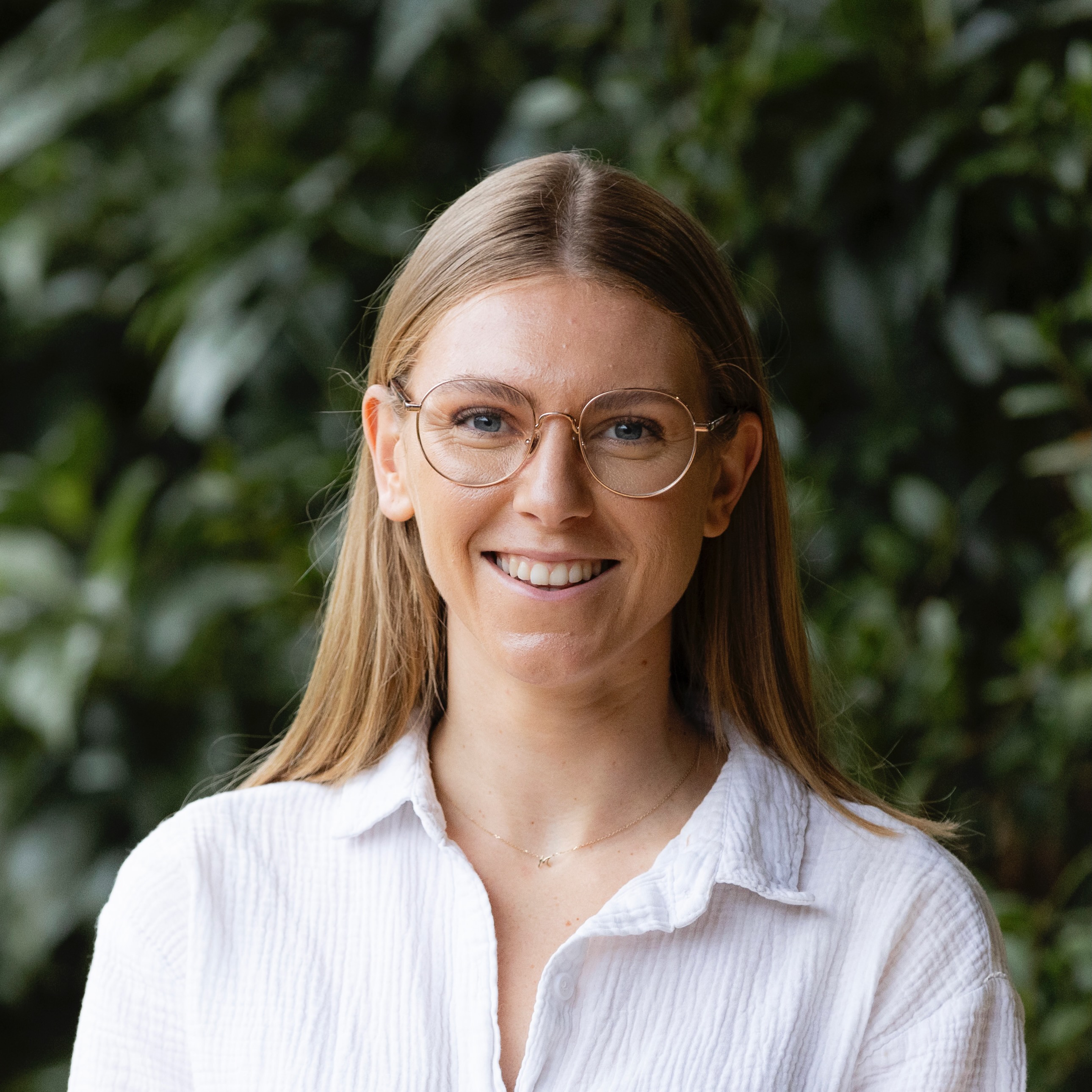
Mikaeylah Davidson
- Postdoctoral Research Fellow
- mikaeylah.davidson@jcu.edu.au
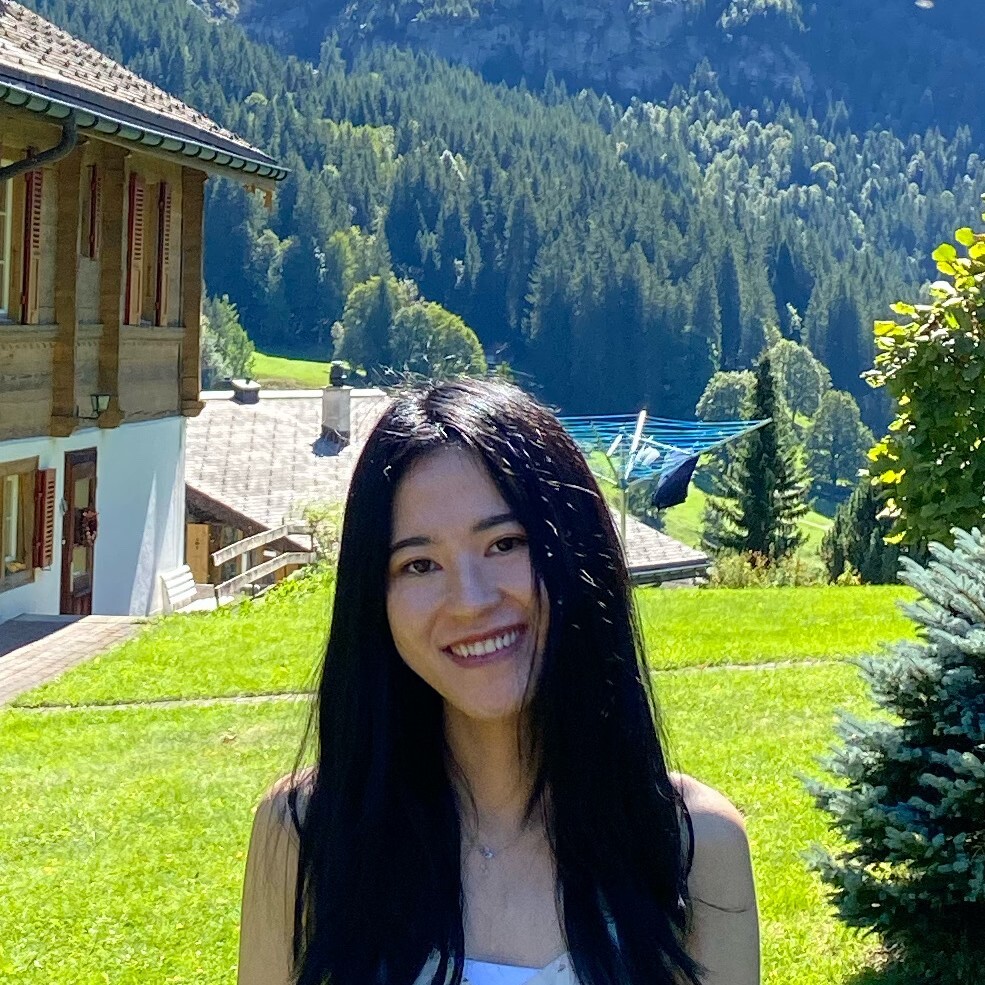
Liuxin Chen
- Lecturer
- liuxin.chen@jcu.edu.au

Rafael Cabral Carvalho
- Lecturer, Marine Geoscience
- rafael.cabralcarvalho@jcu.edu.au
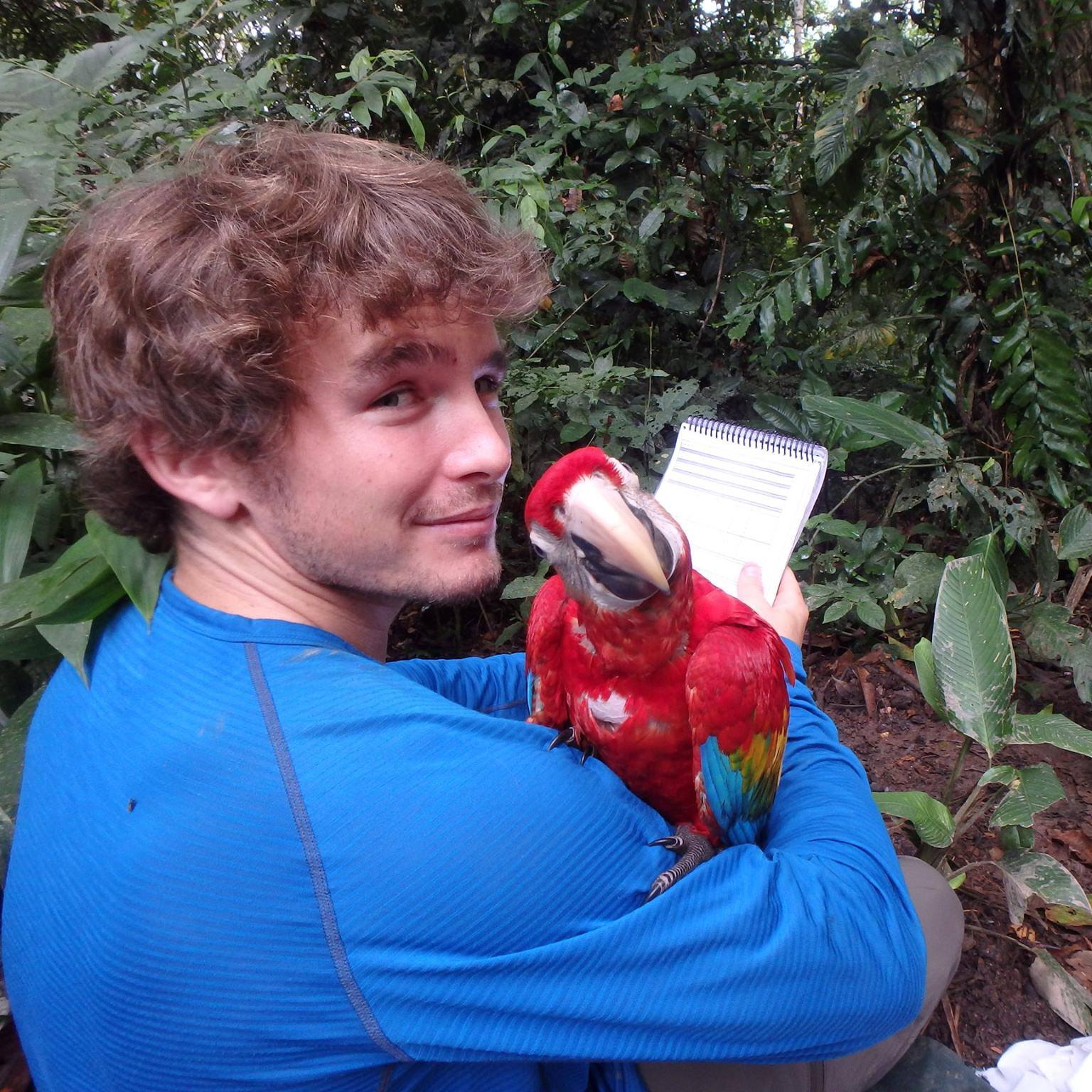
Tom Lloyd
- Postdoctoral Research Fellow, Global Ecosystems
- tom.lloyd@jcu.edu.au
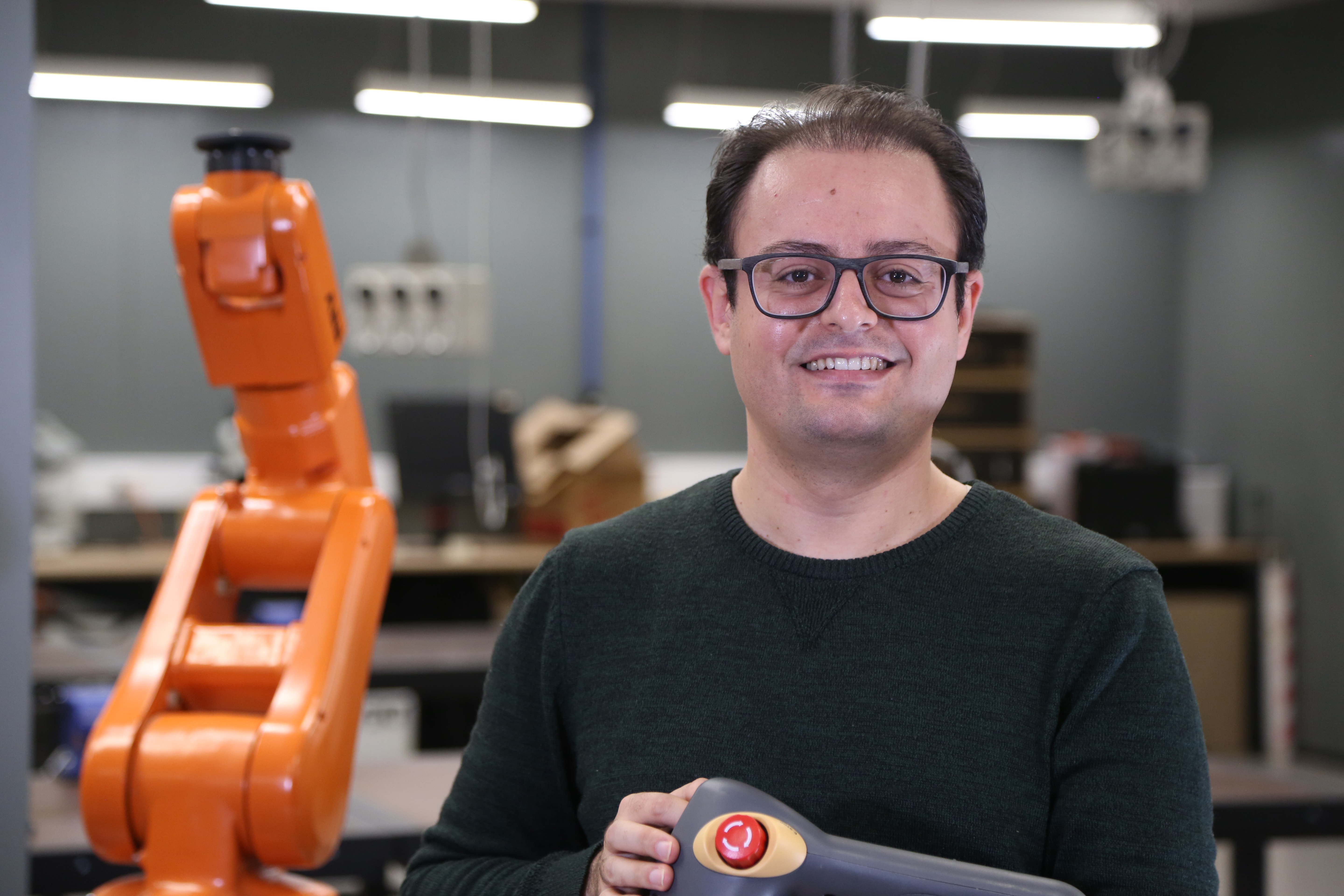
Mohamadreza Chalak Qazani
- Lecturer, Mechanical Engineering
- mohamadreza.chalakqazani@jcu.edu.au
Improving clinical pathways for abdominal aortic aneurysm through incorporating biomarkers (Old ID 27513)
Matt Field
01 Jun 2023 - 31 May 2028
MRF2015999
20 million people worldwide have weakening of their main abdominal artery (abdominal aortic aneurysm; AAA) and are at high risk of both major adverse cardiovascular events (MACE) and AAA related events (AAA repair and rupture-related death). Most AAAs are identified at a small size when their risk of rupture is low. Management of small AAA focuses on repeat aortic imaging every 6 months to identify when the threshold diameter (50mm in women and 55mm in men) is reached for elective surgical AAA repair. Most small AAAs continue to grow in size and eventually undergo repair. No drugs have been shown to limit AAA growth and the clinical pathway focuses on identifying those needing surgery rather than medical management. There are no established means to individualise care. Our interviews with patients and health professionals indicate that the number one deficiency in current AAA management is the lack of individualising medical management to reduce the high incidence of MACE and AAA related events. Our international AAA alliance is uniquely placed due to our resources (biobank-registry) and IP (bioinformatics, clinical, engineering software, genomics, biomarkers, machine learning and pathogenesis) to addresses this unmet clinical need.
Optimising mill mud and ash applications for soil improvement and carbon sequestration (Old ID 27540)
Paul Nelson
01 Apr 2022 - 01 Feb 2026
Negative carbon dioxide emission technologies are urgently required to offset emissions from fossil fuel burning. Weathering of alkaline metal oxides such as those in ash is a promising technology as it consumes carbon dioxide. This project aims to determine carbon sequestration when sugar mill ash, either alone or mixed with mill mud, is applied to soil in sugarcane fields. The project expects to generate knowledge about the rates of carbon sequestration and the factors controlling it, employing field experiments and geochemical modelling. The main outcome expected is a carbon sequestration methodology that is permanent and unlimited (given continued application mill by-products), unlike soil organic carbon sequestration. Adoption will facilitate trade in carbon credits through the Emissions Reduction Fund and facilitate market access through increased ability of the sugar industry to meet consumer expectations regarding environmental responsibility.
Conservation Geonomics of Nursery Frogs (Old ID 27588)
Conrad Hoskin
01 Jul 2022 - 01 Dec 2023
Nursery Frogs of the Cophixalus genus make up 5 of 7 critically endangered vertebrate species. They are vulnerable to climate change and restricted to extremely small ranges on mountain-tops and boulder-fields. Without conservation action, they are predicted to go extinct within 20 years. A major threat to threatened species like this is a loss of genetic diversity which leads to inbreeding depression, inability to adapt, and heightened extinction risk. This project aims to provide essential genetic assessment of one widespread and three threatened Nursery Frogs. Managers will be engaged with directly to inform conservation decisions in wild and captive populations.
Conservation Geonomics of Nursery Frogs (Old ID 27588)
Megan Higgie
01 Jul 2022 - 01 Dec 2023
Nursery Frogs of the Cophixalus genus make up 5 of 7 critically endangered vertebrate species. They are vulnerable to climate change and restricted to extremely small ranges on mountain-tops and boulder-fields. Without conservation action, they are predicted to go extinct within 20 years. A major threat to threatened species like this is a loss of genetic diversity which leads to inbreeding depression, inability to adapt, and heightened extinction risk. This project aims to provide essential genetic assessment of one widespread and three threatened Nursery Frogs. Managers will be engaged with directly to inform conservation decisions in wild and captive populations.
Research to Inform Yellow Crazy Ant Management in the Wet Tropics (Old ID 23489)
Angela Strain
15 May 2017 - 31 Mar 2020
Research and activities required will be: ensure compliance with APVMA permit conditions; research efficacy of current pesticide treatments; research the reproductive phenology of YCA colonies and factors affecting; assess effects of YCA and the baiting program on biodiversity; maintain breeding colonies of YCA for use in dog detection training; design, develop, and test new detection techniques; design and develop further monitoring protocols; analyse WTMA collected data; attend and present findings at monthly and quarterly meetings; provide periodic reports and stay up-to-date with new developments in YCA management.
Research to Inform Yellow Crazy Ant Management in the Wet Tropics (Old ID 23489)
Peter Yeeles
15 May 2017 - 31 Mar 2020
Research and activities required will be: ensure compliance with APVMA permit conditions; research efficacy of current pesticide treatments; research the reproductive phenology of YCA colonies and factors affecting; assess effects of YCA and the baiting program on biodiversity; maintain breeding colonies of YCA for use in dog detection training; design, develop, and test new detection techniques; design and develop further monitoring protocols; analyse WTMA collected data; attend and present findings at monthly and quarterly meetings; provide periodic reports and stay up-to-date with new developments in YCA management.
Reef lagoon benthic habitat mapping in the Coral Sea Marine Park (Old ID 27466)
Alana Grech
01 Jun 2022 - 30 Nov 2024
This project will undertake reef lagoon benthic habitat mapping within the Coral Sea Marine Park. Sites to be surveyed are the western lagoon of Holmes Reef, all of Herald Cays, the lagoon between the Diamond Islets in Tregrosse Reef, and the eastern corner of the lagoon in Lihou Reef. This project will produce the first extensive reef lagoon benthic maps of the selected regions in the Coral Sea Marine Park and will be the first seagrass survey in the Coral Sea.
The threat of feral pigs as a reservoir of disease in North Queensland
Paul Horwood
19 Oct 2025 - 19 Dec 2025
This project will focus on identification of high-risk areas for Japanese encephalitis virus transmission in Australia by analyzing the distribution of potential hosts and vectors involved in the natural cycle, such as pigs (domestic and feral), wading birds and Culex mosquitoes. Serological and molecular tools will be used for investigating arboviruses and zoonotic bacteria pathogens in feral pig population across North Queensland
Utilising drone-based thermal remote sensing technology to accurately estimate spectacled flying-fox (Pteropus conspicillatus) abundance and model population trajectories.
Susan Laurance
11 Mar 2024 - 11 Sep 2027
This project aims to address knowledge gaps in our understanding of the abundance and population trajectory of the spectacled flying fox, a keystone species in tropical rainforest ecosystems that is currently listed as Endangered. The research will focus on applying novel remote sensing technologies such as drone-based thermal imagery to estimate the current population size of spectacled flying foxes, and develop a standardised monitoring protocol specifically for use by Indigenous rangers. Additionally, the project will seek to test and adapt theoretical models for predicting species population trajectories using spectacled flying foxes as a case study. This work aligns with national conservation priorities and is crucial to understand whether conservation management actions are having the intended impact of mitigating spectacled flying fox population declines. Moreover, the project supports broader efforts to conserve tropical fauna globally by developing widely applicable field- and desktop-based methods for assessing population declines.
Symbiont acquisition of out-planted restoration corals produced using Assisted Gene Flow
Ira Cooke
31 Mar 2024 - 30 Jun 2026
This study aims to evaluate the effect of coral host genetics on symbiont uptake in the context of an assisted gene flow (AGF) experiment. AGF corals arising from parental crosses with divergent genetic backgrounds were deployed during a thermal stress event to evaluate survival rates, with survivors collected subsequently. This investigation aims to analyse potential differences in Symbiodiniaceae composition among coral juveniles with distinct genetic backgrounds and assess if offspring maintain fidelity to parental symbiont composition. Additionally, the study will examine whether survival rates are influenced by symbiont compositions. Understanding the adaptability of non-native corals to new environments and their compatibility with local symbionts is crucial for predicting their survival outcomes and the efficacy of AGF.
Do coral reef fishes exploit flow refuges in high-flow habitats
- 2008
- Inter-Research
- Researchers:David Bellwood
Habitat specialisation and overlap in a guild of coral reef cardinalfishes (Apogonidae)
- 2005
- Inter-Research
- Researchers:Naomi Gardiner
The role of cryptobenthic reef fishes in coral reef trophodynamics
- 2003
- Inter-Research
- Researchers:David Bellwood
Undisturbed swimming behaviour and nocturnal activity of coral reef fish larvae
- 2003
- Inter-Research
- Researchers:David Bellwood
Wave energy and spatial variability in community structure of small cryptic coral reef fishes
- 2005
- Inter-Research
- Researchers:David Bellwood
Start Date:
10 Nov 2024
Start Date:
31 Mar 2025
Title:
Bengali
Reseracher:
Khandakar Faisal Ibn Murad
(Doctor of Philosophy (Engineering and Related Technologies))
Title:
English
Reseracher:
Khandakar Faisal Ibn Murad
(Doctor of Philosophy (Engineering and Related Technologies))
Start Date:
01 Jan 2024
Start Date:
01 Jan 2024
End Date:
01 Jan 2027
Start Date:
01 Jan 2014
Start Date:
01 Jan 2003
Title:
PhD, James Cook University
End Date:
01 Jan 2010
End Date:
01 Jan 2003