
College of Science & Engineering

Sophia Love
- Doctor of Philosophy (Natural and Physical Sciences)
- sophie.love@jcu.edu.au
Elle Robertson
- Doctor of Philosophy (Agriculture, Environmental and Related Studies)
- elle.robertson@jcu.edu.au
Romain Vaucher
- Senior Lecturer, Sedimentology
- romain.vaucher@jcu.edu.au
Jenny Fisher
- Associate Dean, Learning and Teaching
- jenny.fisher@jcu.edu.au
Ambili Narayanan
- Doctor of Philosophy (Natural and Physical Sciences)
- ambili.narayanan@my.jcu.edu.au

Sarfaraz Ali
- Postdoctoral Research Fellow
- sarfaraz.ali@jcu.edu.au
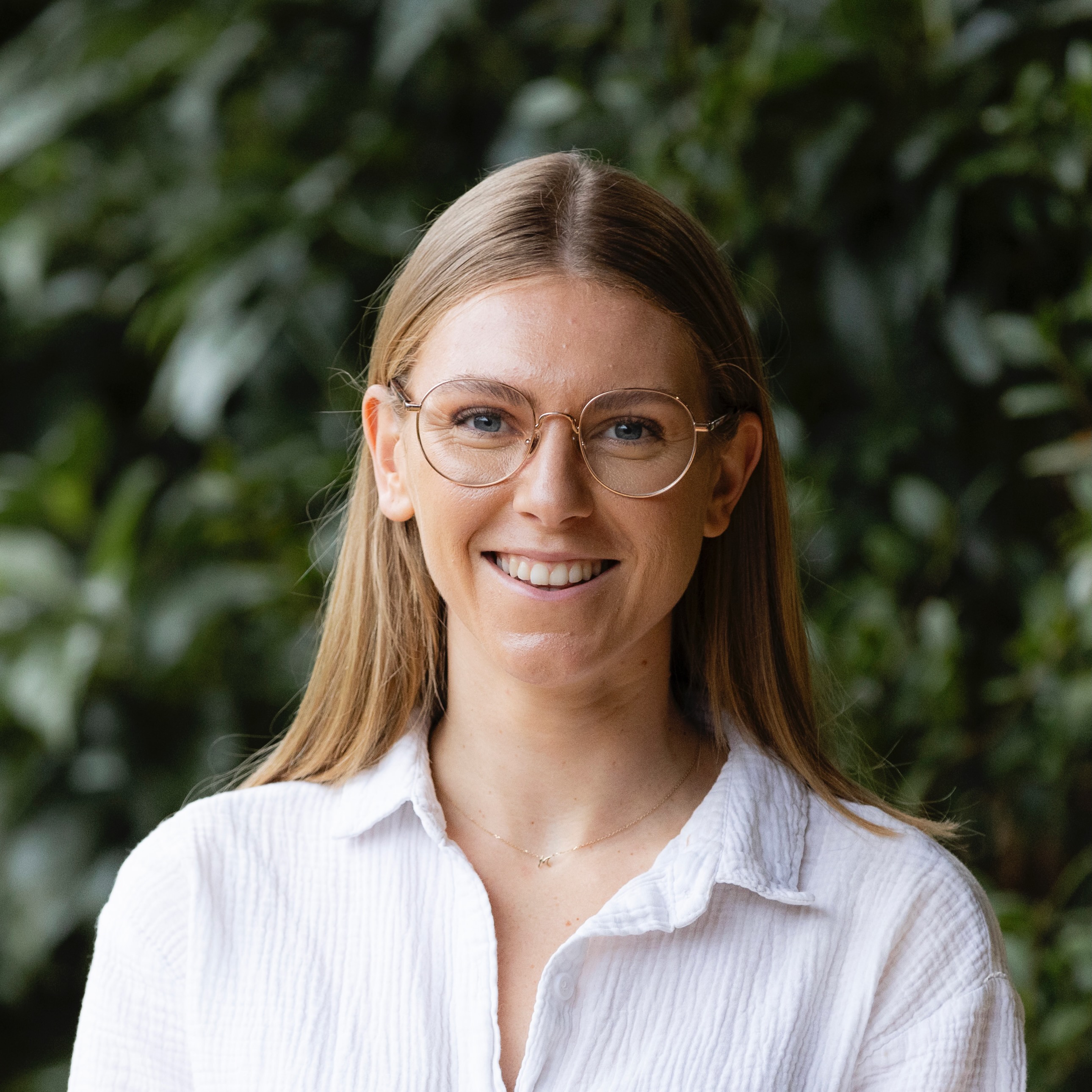
Mikaeylah Davidson
- Postdoctoral Research Fellow
- mikaeylah.davidson@jcu.edu.au
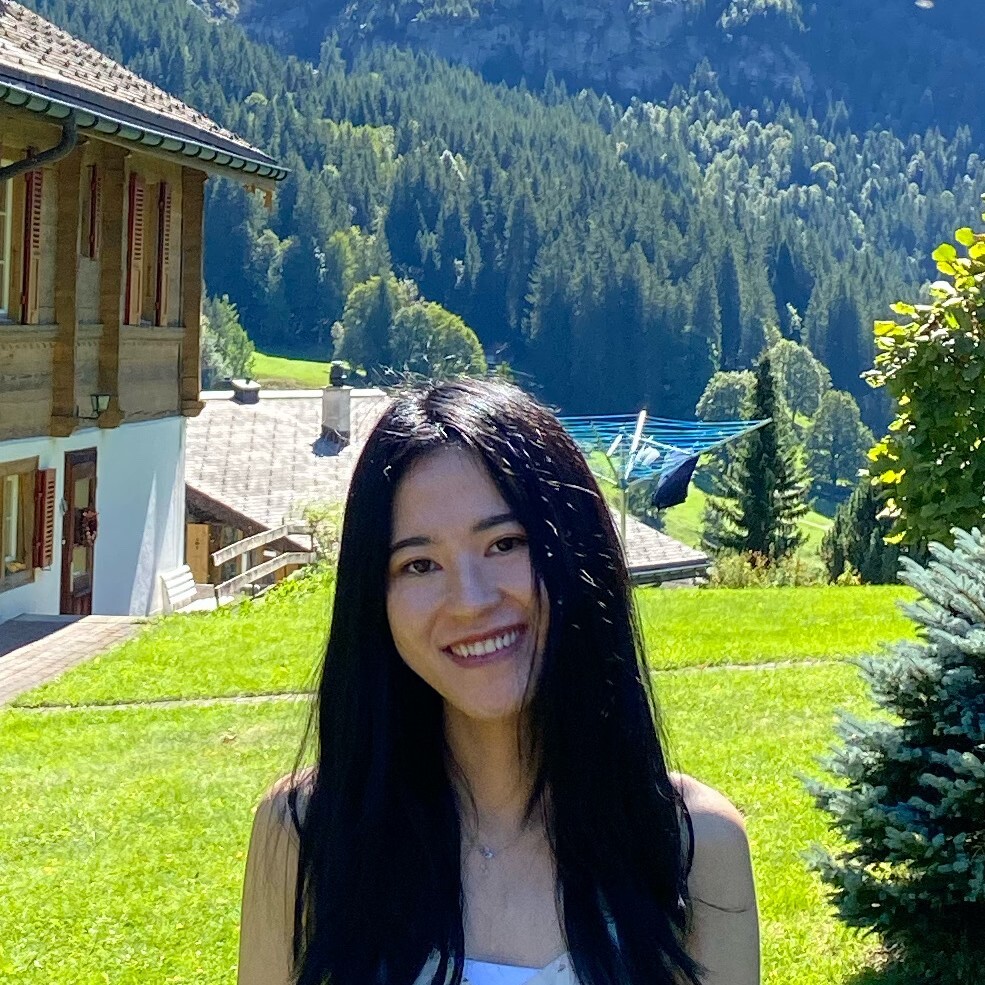
Liuxin Chen
- Adjunct Lecturer
- liuxin.chen@jcu.edu.au
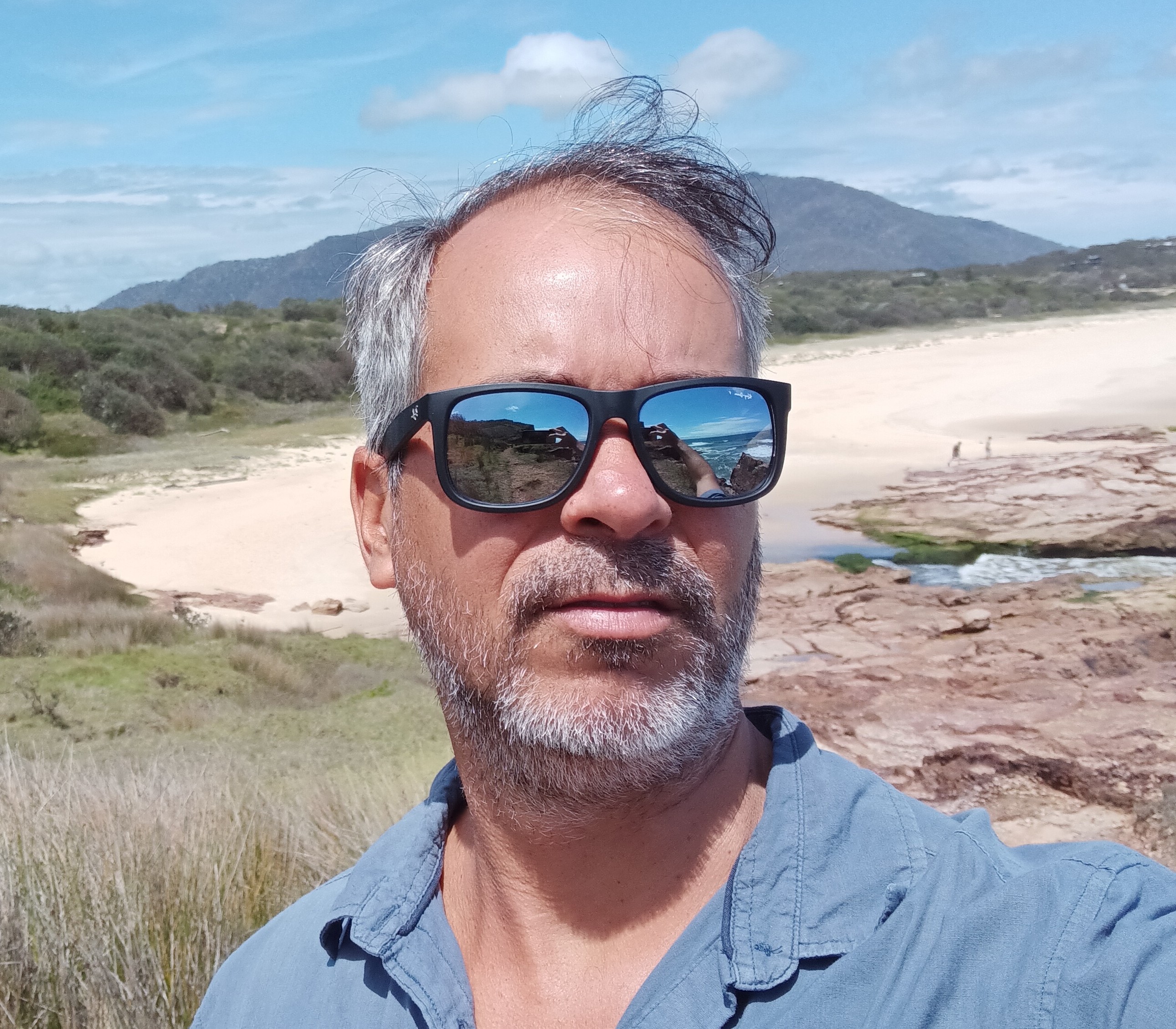
Rafael Cabral Carvalho
- Lecturer, Marine Geoscience
- rafael.cabralcarvalho@jcu.edu.au
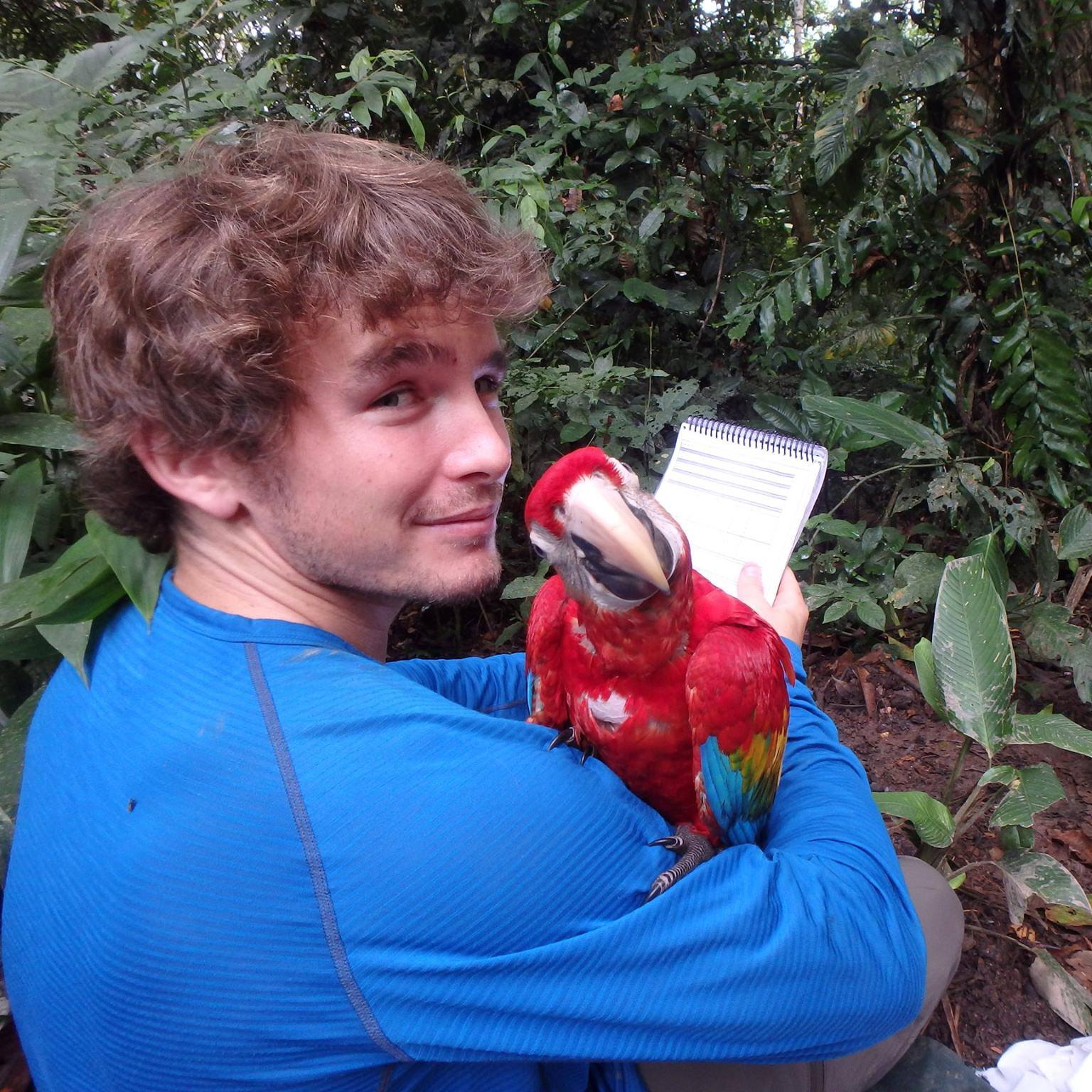
Tom Lloyd
- Postdoctoral Research Fellow, Global Ecosystems
- tom.lloyd@jcu.edu.au
Biosecurity and genetic improvement for disease resistance in large scale shrimp aquaculture (Old ID 27756)
This project aims to facilitate first-hand experience for students in international agricultural research in the Tropics. Activities will involve travel of the student, Phoebe Arbon, accompanied by Prof. Dean Jerry, to facilities including advanced selective shrimp breeding centres, aquatic viral research laboratories and, industrial-scale aquaculture farms in Thailand and Singapore. Travel to these regions presents unique opportunities to enhance Phoebe’s research experience and technical understanding of aquatic animal health, given the presence of highly pathogenic shrimp diseases and aquaculture conditions which are unparalleled in Australia. Engagement made with industry and research groups during the trip will also foster professional networks.
High shear fluid flow driving carbon foundry for advanced manufacturing (Old ID 28965)
The project aims to develop versatile continuous flow film microfluidic device technology by harnessing the contact electrification generated by sub-micron high shear topological flow, for fabricating novel nano-carbon material for which current methods are ineffective or of limited utility. This technology incorporates optional external electric and magnetic fields, and textured surfaces in the rapidly rotating tube, which will allow exquisite control, with real time monitoring, on reforming of carbon into functional material with tunable properties and fabricating hetero-structures of nano-carbon. Understanding their fundamental properties will be targeted for leveraging them in applications to generate new processes and products.
Develop an AI based zero-lag flood monitoring and reporting system (Old ID 29019)
The project will marshall appropriate flood relevant data including images and process it accordingly to facilitate model building. We will then move to the development of statistical models that optimise data capture locations, accuracy, low latency through asset location while minimising deployment costs. We will subsequently design an AI means to improve current flood mapping models based on actual Lixia field water level sensor data utilising ensemble optimisatin, leading to the development of online toolsets to transmit flood level prediction information. We will also engage with regional local governments water and emergency agencies as appropriate to test and qualify minimum viable products and processes.
Wuthathi River to reef baselines and monitoring framework
Wuthathi Aboriginal Corporation would like to engage TropWATER JCU to assist with the implementation of the Wuthathi IPA Plan of management. This work will include 4 components to investigate connections from the Harmer River to the inshore Islands including Coastal mangroves. helicopter survey of Wuthathi coastline from Olive River to Captain Billys Landing and offshore islands showing impacts to mangroves. Seagrass. Vessel-based inshore sub-tidal camera drop surveys east and west of Harmer Creek and one day at Bird Island reef flat potentially using walking/quadrat survey methods. Dugong. Desktop analysis of existing data. Vessel-based trip to collect dugong skin samples and survey population and Land-based drone surveys of inshore areas near Ma’au. Aquatic ecosystems and oyster bed surveys. Harmer River assessment and assessment of Ma’au oyster bed and habitat and nearby coastal wetland/saltmarsh and riverine assessment and off-bank assessments of Harmer Creek.
Rare earths unearthed: Resolving the mystery of how rare earth elements are mobilised and concentrated in continental crust (Old ID 19918)
Shifts towards green energy and technology in modern society are dependant on continuing supplies of rare earth elements. Nevertheless, we know little about how these elements concentrate to form economically viable ore bodies, and there remain fundamental holes in our knowledge of how these elements interact with fluids in the Earth's crust. This project combines experiments and novel geochemical studies of natural ores to address these knowledge deficiencies. The results will aid exploration for new rare earth element resources and will contribute to an improved understanding of how continents grow and evolve through time.
ACIAR PCAARRD Shrimp genomics for health
Multi-disciplinary programmatic research approach that focuses on developing the necessary tools and translatable knowledge to address improving shrimp disease resistance and providing health interventions
Gilbert Project
This project evaluates water availability and irrigation feasibility for farms in the Gilbert region, with a focus on Saint Ronan’s. It involves water simulations to develop crop water budgets and an irrigation assessment to identify optimal water management strategies for sustainable crop production.
Gilbert Project
This project evaluates water availability and irrigation feasibility for farms in the Gilbert region, with a focus on Saint Ronan’s. It involves water simulations to develop crop water budgets and an irrigation assessment to identify optimal water management strategies for sustainable crop production.
Global responses of marine species and ecosystems to environmental change
This project aims to uncover novel solutions to the global problem of determining rapid environmental change effects on multiple species and ecosystems. Since the combined effects of environmental change drivers in wild ecosystems, and with adaption, are difficult to test experimentally, this project uses a novel global approach to rapidly assess responses of hundreds of species to net combined drivers of change using 300 years of species collections. Determining multiple species and ecosystem responses to total environmental change through time and across latitudes will generate a predictive capacity for vulnerable and resilient groups to inform management, fisheries and conservation.
LabNorth: Stories of Culture, Arts and Wellbeing in Northern Australia
Northern Australia is stereotyped as devoid of arts and culture in the national imaginary: a place of mine sites, military bases, cattle stations, bogans. Yet the small cities of Darwin, Cairns, Townsville and Broome are vibrant cultural landscapes with important forms of storytelling that struggle for visibility in the policy sphere. A recent focus on developing the North— e.g. the Developing Northern Australia Conference, the White Paper on Developing Northern Australia—recognises the importance of the region to Australia’s future, but narrowly in terms of extensions of water, power and transport infrastructure and accompanied workforce expansion. To date this agenda is silent on the role of arts and culture infrastructure in underpinning the region’s cultural wellbeing, and its economic benefits. This silence underscores the need to uncover, promote, and foster the untold stories and hidden value of the arts in Australia's Northern cities, to ensure that arts and culture take a prominent place in the policies that shape the region’s future.
Using a combination of policy analysis and townhall focus groups, LabNorth’s research will build networks to collaborate across cities, sectors and artforms. We will explore the value of arts and culture, with a focus on articulating this to the public and policy makers. LabNorth’s focus on small cities shines a light on the vital but under-recognised role of the arts in supporting Northern Australian communities and advocate for their inclusion in broader policy discussions. LabNorth will listen, learn, collaborate and co-create stories with the potential to shift narratives about Northern Australia.
Organic matter, sodicity and soil structure
- 1998
- Oxford University Press
- Researchers:Paul Nelson
Start Date:
10 Nov 2024
Start Date:
31 Mar 2025
Title:
Bengali
Reseracher:
Khandakar Faisal Ibn Murad
(Doctor of Philosophy (Engineering and Related Technologies))
Title:
English
Reseracher:
Khandakar Faisal Ibn Murad
(Doctor of Philosophy (Engineering and Related Technologies))
Start Date:
01 Jan 2024
Start Date:
01 Jan 2024
End Date:
01 Jan 2027
Start Date:
01 Jan 2014
Start Date:
01 Jan 2003
Title:
PhD, James Cook University
End Date:
01 Jan 2010
Start Date:
01 Jan 2024
End Date:
01 Jan 2024