
College of Science & Engineering
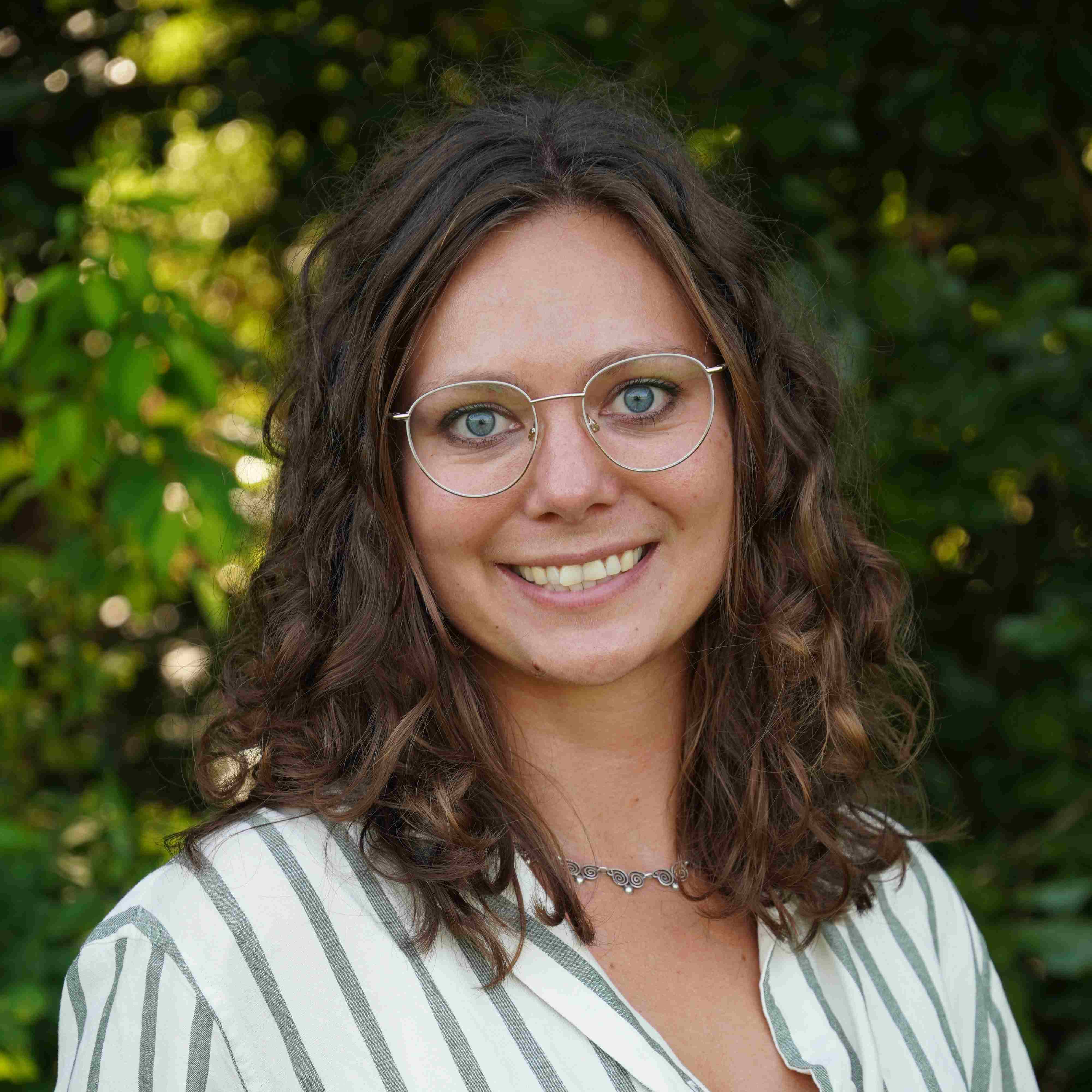
Alica Hoess
- Postdoctoral Research Fellow, Neutron Tomography Scanner
- alica.hoess@jcu.edu.au

Adam Stone
- Associate Lecturer, Data Science
- adam.stone1@jcu.edu.au
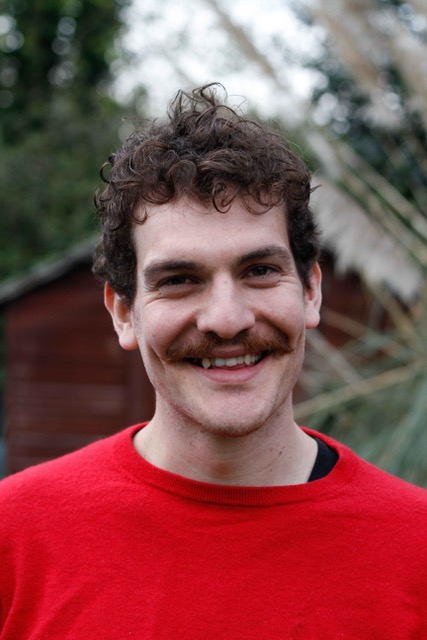
William Arlidge
- Postdoctoral Research Fellow in Community-Based Fisheries Co-Management
- william.arlidge@jcu.edu.au
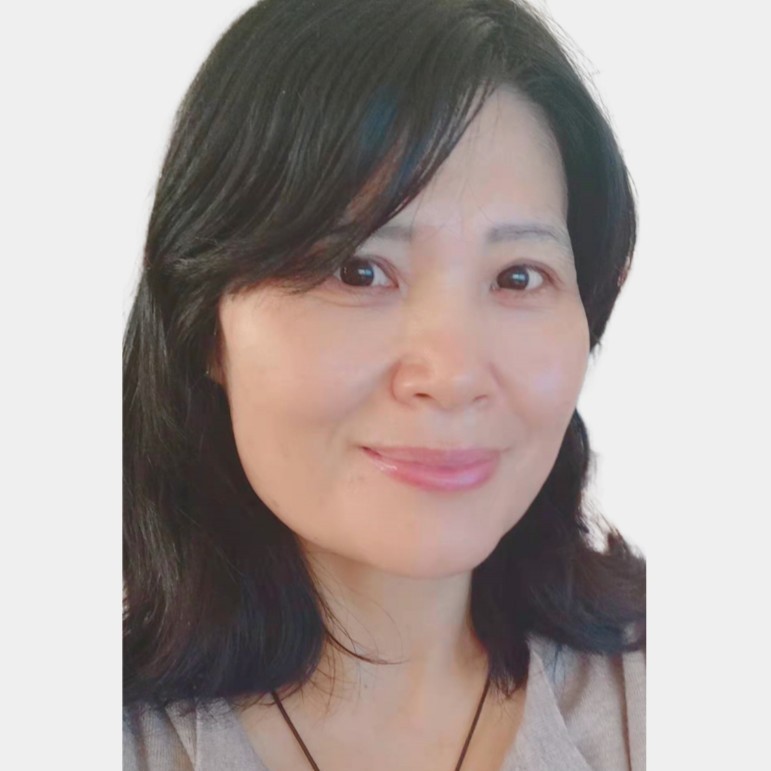
Judy Yang
- Postdoctoral Research Fellow, Applied AI for Forestry Weed Detection and Mapping
- judy.yang@jcu.edu.au
Phoebe Stewart-Sinclair
- Lecturer, Environmental Science
- phoebe.stewartsinclair@jcu.edu.au

Dale Muccignat
- Postdoctoral Research Fellow - Plasma-Liquid Modelling
- dale.muccignat@jcu.edu.au

Bouchra Senadji
- Head, Engineering
- bouchra.senadji@jcu.edu.au
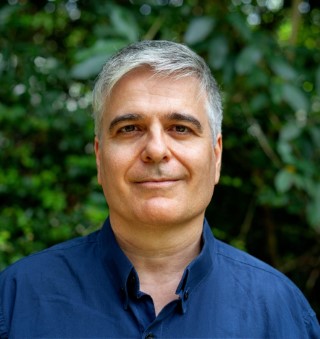
Daniel Montesinos Torres
- Senior Research Fellow
- daniel.montesinos@jcu.edu.au
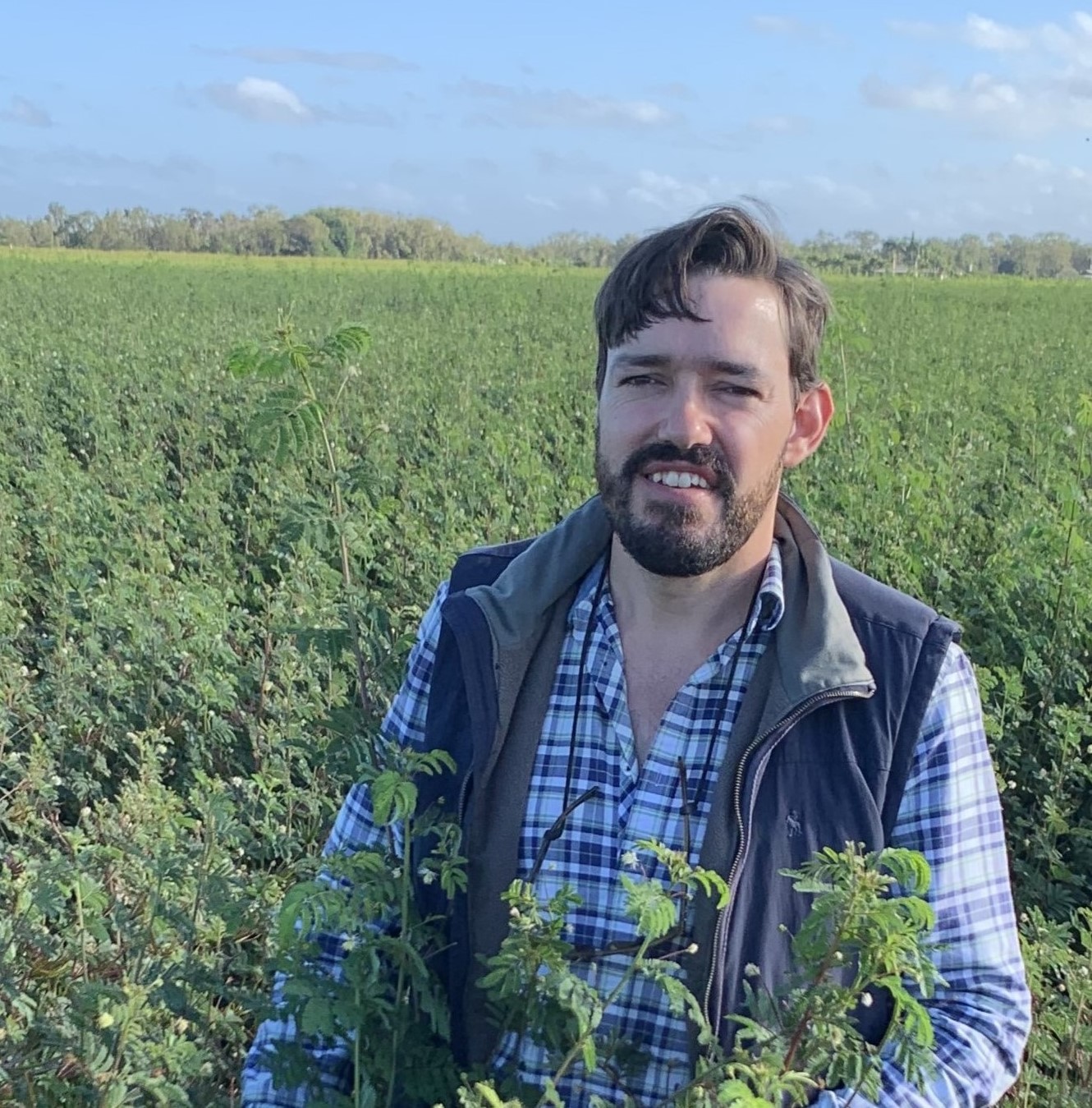
Joe O'Reagain
- Lecturer, Tropical Agronomist
- joe.oreagain@jcu.edu.au

Jessica Grimm
- Academic Coordinator 4th Year
- jessica.grimm@jcu.edu.au
Development of Customised Hospital Waste Processing Technology (Old ID 26326)
Phase 1 aims to use microwave pyrolysis technology to process a mix medical waste supplied by Medafield Pty Ltd, and study the pyrolysis conditions and resulting byproducts (syngas, bio-oil and biochar) material analysis using the different analytical tools. Phase 2 of this project will focus on the optimisation of the material properties especially to increase the value of the byproducts of particular interest. We will also undertake the biological characterisation of the samples to better understand the hazardous nature of the syngas and the biochar.
Monitoring of avian influenza in samples collected from aquatic birds in North Queensland (Old ID 27162)
At least 576 fresh faecal samples from wild ducks and magpie geese will be collected as environmental samples in the Townsville region. Swabs in transport media and immediately transported to the laboratory. Samples will be pooled and nucleic acid extracted. The extracted nucleic acid will be screened using assays based on TaqMan that will detect avian influenza. Pools that react will be individually extracted and tested. Avian influenza isolates will be checked using TaqMan specific for H5 and H7. Should the samples react in these assays it will be sent to AAHL for further testing and the CVO will be notified. Sequencing on all isolates other than those reacting in H5 and H7 will be carried out to determine genotype and to confirm pathotype.
ARC Research Hub for Supercharging Tropical Aquaculture Through Genetic Solutions (Old ID 27374)
This project aims to integrate cutting edge genetic and genomic approaches into innovative aquaculture enterprises that farm in tropical northern Australia. It will deliver the requisite genetic knowledge to instigate world-leading and highly productive breeding programs for five species (barramundi, pearl oyster, prawn, grouper and marine seaweed), along with a novel understanding of the genetic basis of disease resistance and how the production environment interfaces with the bacterial microbiome, pathogens and water quality to cause disease. It will increase Australia's capacity to deliver advanced genetics outcomes to the aquaculture sector, while increasing productivity, international competitiveness, and lowered risk due to disease.
ARC Research Hub for Supercharging Tropical Aquaculture Through Genetic Solutions (Old ID 27374)
This project aims to integrate cutting edge genetic and genomic approaches into innovative aquaculture enterprises that farm in tropical northern Australia. It will deliver the requisite genetic knowledge to instigate world-leading and highly productive breeding programs for five species (barramundi, pearl oyster, prawn, grouper and marine seaweed), along with a novel understanding of the genetic basis of disease resistance and how the production environment interfaces with the bacterial microbiome, pathogens and water quality to cause disease. It will increase Australia's capacity to deliver advanced genetics outcomes to the aquaculture sector, while increasing productivity, international competitiveness, and lowered risk due to disease.
ARC Research Hub for Supercharging Tropical Aquaculture Through Genetic Solutions (Old ID 27374)
This project aims to integrate cutting edge genetic and genomic approaches into innovative aquaculture enterprises that farm in tropical northern Australia. It will deliver the requisite genetic knowledge to instigate world-leading and highly productive breeding programs for five species (barramundi, pearl oyster, prawn, grouper and marine seaweed), along with a novel understanding of the genetic basis of disease resistance and how the production environment interfaces with the bacterial microbiome, pathogens and water quality to cause disease. It will increase Australia's capacity to deliver advanced genetics outcomes to the aquaculture sector, while increasing productivity, international competitiveness, and lowered risk due to disease.
ARC Research Hub for Supercharging Tropical Aquaculture Through Genetic Solutions (Old ID 27374)
This project aims to integrate cutting edge genetic and genomic approaches into innovative aquaculture enterprises that farm in tropical northern Australia. It will deliver the requisite genetic knowledge to instigate world-leading and highly productive breeding programs for five species (barramundi, pearl oyster, prawn, grouper and marine seaweed), along with a novel understanding of the genetic basis of disease resistance and how the production environment interfaces with the bacterial microbiome, pathogens and water quality to cause disease. It will increase Australia's capacity to deliver advanced genetics outcomes to the aquaculture sector, while increasing productivity, international competitiveness, and lowered risk due to disease.
ARC Research Hub for Supercharging Tropical Aquaculture Through Genetic Solutions (Old ID 27374)
This project aims to integrate cutting edge genetic and genomic approaches into innovative aquaculture enterprises that farm in tropical northern Australia. It will deliver the requisite genetic knowledge to instigate world-leading and highly productive breeding programs for five species (barramundi, pearl oyster, prawn, grouper and marine seaweed), along with a novel understanding of the genetic basis of disease resistance and how the production environment interfaces with the bacterial microbiome, pathogens and water quality to cause disease. It will increase Australia's capacity to deliver advanced genetics outcomes to the aquaculture sector, while increasing productivity, international competitiveness, and lowered risk due to disease.
Population connectivity in the Kuranda Tree frog (Litoria myola) (Old ID 22198)
The critically endangered Kuranda Tree frog (Litoria myola) occurs only in a small distribution near Kuranda. This population is divided into 13 known breeding sites (subpopulations). Connectivity between these subpopulations is not known; therefore I will use genetic analysis to gain insight into both historical and current connectivity. Knowledge of population connectivity is of great importance for management, as it will help focus conservation efforts. This study will provide information on genetic distinctness of subpopulations, potential for natural recolonization if subpopulations decline or disappear, and where individuals should be sourced from if managers wanted to reintroduce the species to a site.
Population connectivity in the Kuranda Tree frog (Litoria myola) (Old ID 22198)
The critically endangered Kuranda Tree frog (Litoria myola) occurs only in a small distribution near Kuranda. This population is divided into 13 known breeding sites (subpopulations). Connectivity between these subpopulations is not known; therefore I will use genetic analysis to gain insight into both historical and current connectivity. Knowledge of population connectivity is of great importance for management, as it will help focus conservation efforts. This study will provide information on genetic distinctness of subpopulations, potential for natural recolonization if subpopulations decline or disappear, and where individuals should be sourced from if managers wanted to reintroduce the species to a site.
Fire and Environmental Change in Northern Australia during the Late Holocene (Old ID 23372)
This project addresses the lack of palaeoenvironmental and palaeofire records available for northern Australia. I will analyse both micro-(<125µm) and macroscopic (>125µm) charcoal from sediment cores collected from lacustrine sites in Cape York and Arnhem Land. I will also analyse modern charcoal collected in fire traps placed during fieldwork to create a modern analogue. Collaboration with AINSE/ANSTO will result in a high-resolution chronology for each site, with implications for the wider region.
The consequences of paradigm change and poorly validated science: the example of the value of mangroves to fisheries
- 2020
- Wiley-Blackwell
- Researchers:Alison SheavesNathan WalthamMichael Bradley
Drinking water quality in regional Hunter New England, New South Wales, Australia, 2001-2015
- 2020
- Taylor & Francis
- Researchers:Michael Oelgemoeller
Can environmental DNA be used to detect first arrivals of the cane toad, Rhinella marina, into novel locations?
- 2020
- John Wiley & Sons Ltd
- Researchers:Cecilia Villacorta RathAdeshina AdekunleJan StrugnellLin Schwarzkopf
Enhancing tropical conservation and ecology research with aquatic environmental DNA methods: an introduction for non-environmental DNA specialists
- 2020
- Zoological Society of London
- Researchers:Cecilia Villacorta RathHeather RobsonJan StrugnellDean Jerry
Human exploitation shapes productivity–biomass relationships on coral reefs
- 2020
- Wiley-Blackwell
- Researchers:David Bellwood
Severe coral loss shifts energetic dynamics on a coral reef
- 2020
- Wiley-Blackwell
- Researchers:Victor Huertas MartinDavid Bellwood
Denitrification bioreactor trial in the Russell River catchment of the Wet Tropics: final report
- 2020
- James Cook University
- Researchers:Alex CheesmanHanShe LimColin MacGregorBithin Datta
Mucilage in Portuguese Lamiaceae
- 2020
- Taylor & Francis
- Researchers:Daniel Montesinos Torres
Start Date:
10 Nov 2024
Start Date:
31 Mar 2025
Title:
Bengali
Reseracher:
Khandakar Faisal Ibn Murad
(Doctor of Philosophy (Engineering and Related Technologies))
Title:
English
Reseracher:
Khandakar Faisal Ibn Murad
(Doctor of Philosophy (Engineering and Related Technologies))
Start Date:
01 Jan 2024
Start Date:
01 Jan 2014
Start Date:
01 Jan 2024
End Date:
01 Jan 2027
Start Date:
01 Jan 2003
Title:
PhD, James Cook University
End Date:
01 Jan 2010
End Date:
01 Jan 2003