
College of Science & Engineering
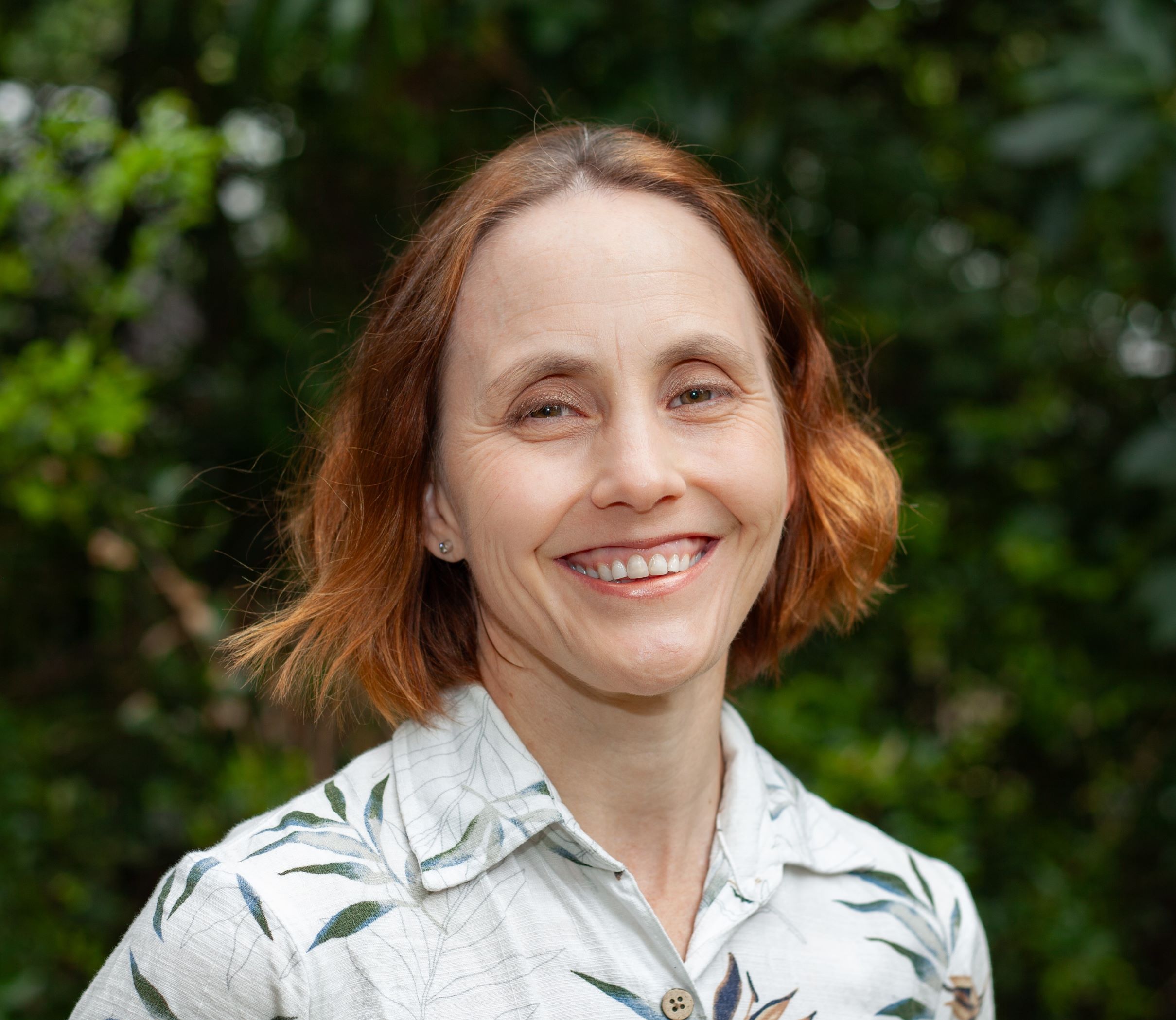
Tasmin Rymer
- Associate Professor
- tasmin.rymer@jcu.edu.au
Daniel Kosov
- Associate Professor
- daniel.kosov@jcu.edu.au

Stephanie Baker
- Senior Lecturer, Electronic Systems and Internet of Things Engineering
- stephanie.baker@jcu.edu.au

Robert Streit
- Adjunct Research Fellow
- robert.streit1@jcu.edu.au

Eric Roberts
- Adjunct Professor
- eric.roberts@jcu.edu.au
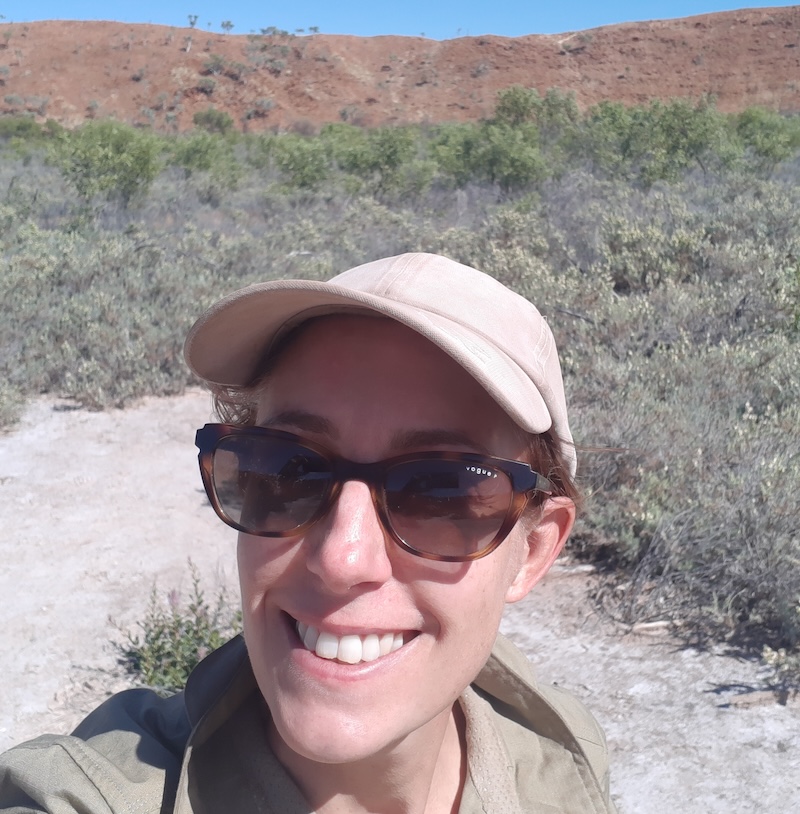
Cassandra Rowe
- Senior Research Fellow
- cassandra.rowe@jcu.edu.au

Carla Ewels
- Senior Lecturer, Data Science and Statistics
- carla.ewels@jcu.edu.au
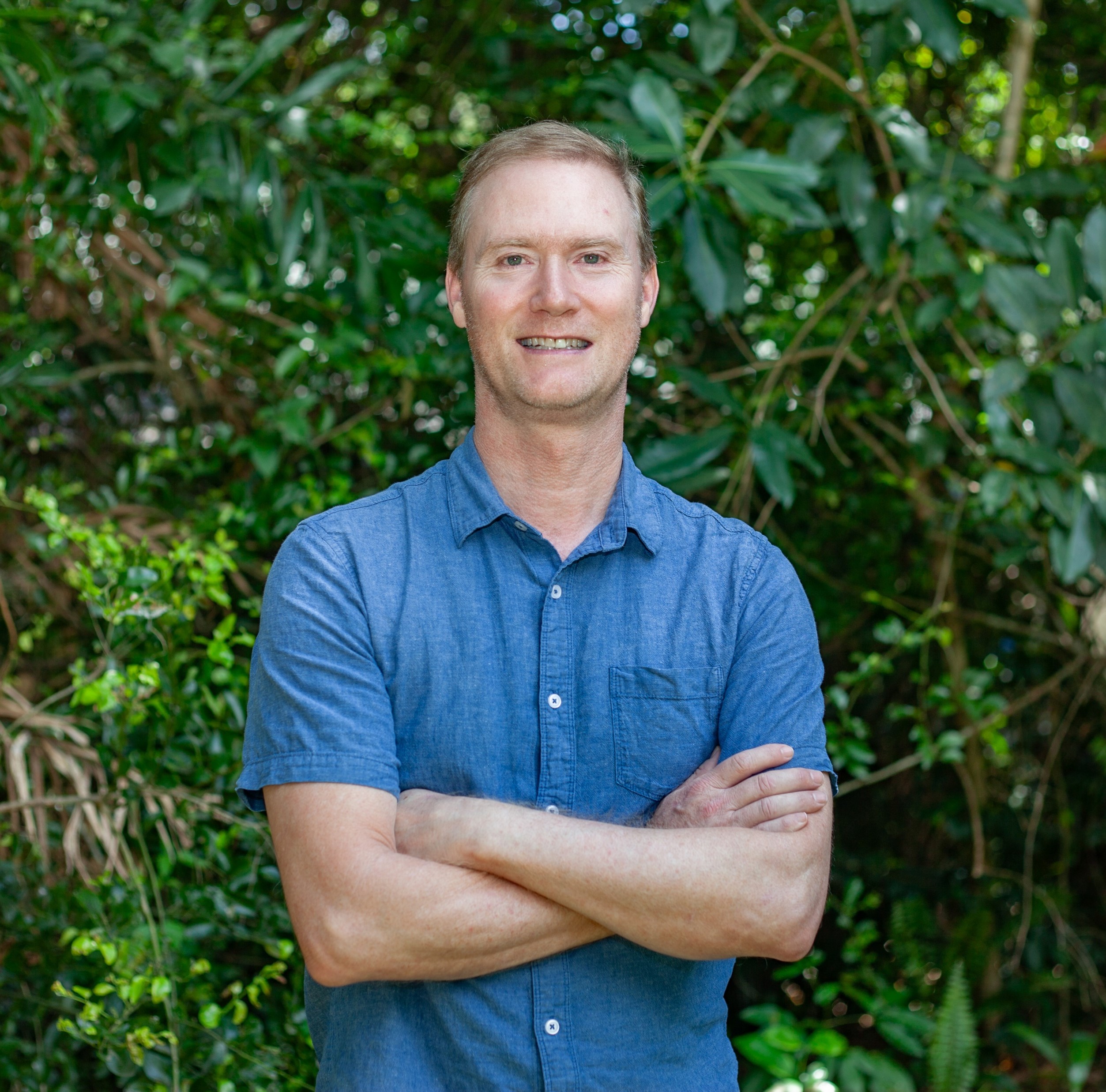
Lucas Cernusak
- Professor
- lucas.cernusak@jcu.edu.au
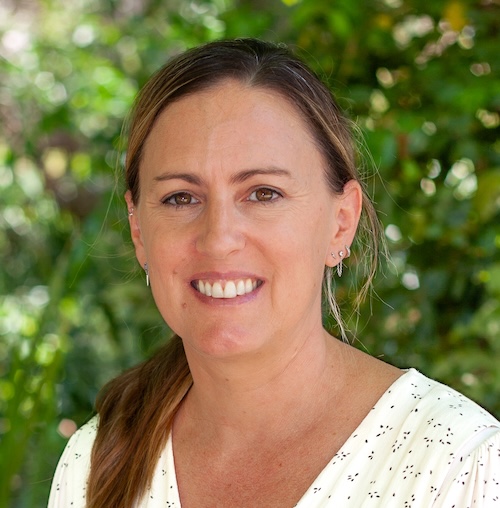
Amy Diedrich
- Professor
- amy.diedrich@jcu.edu.au
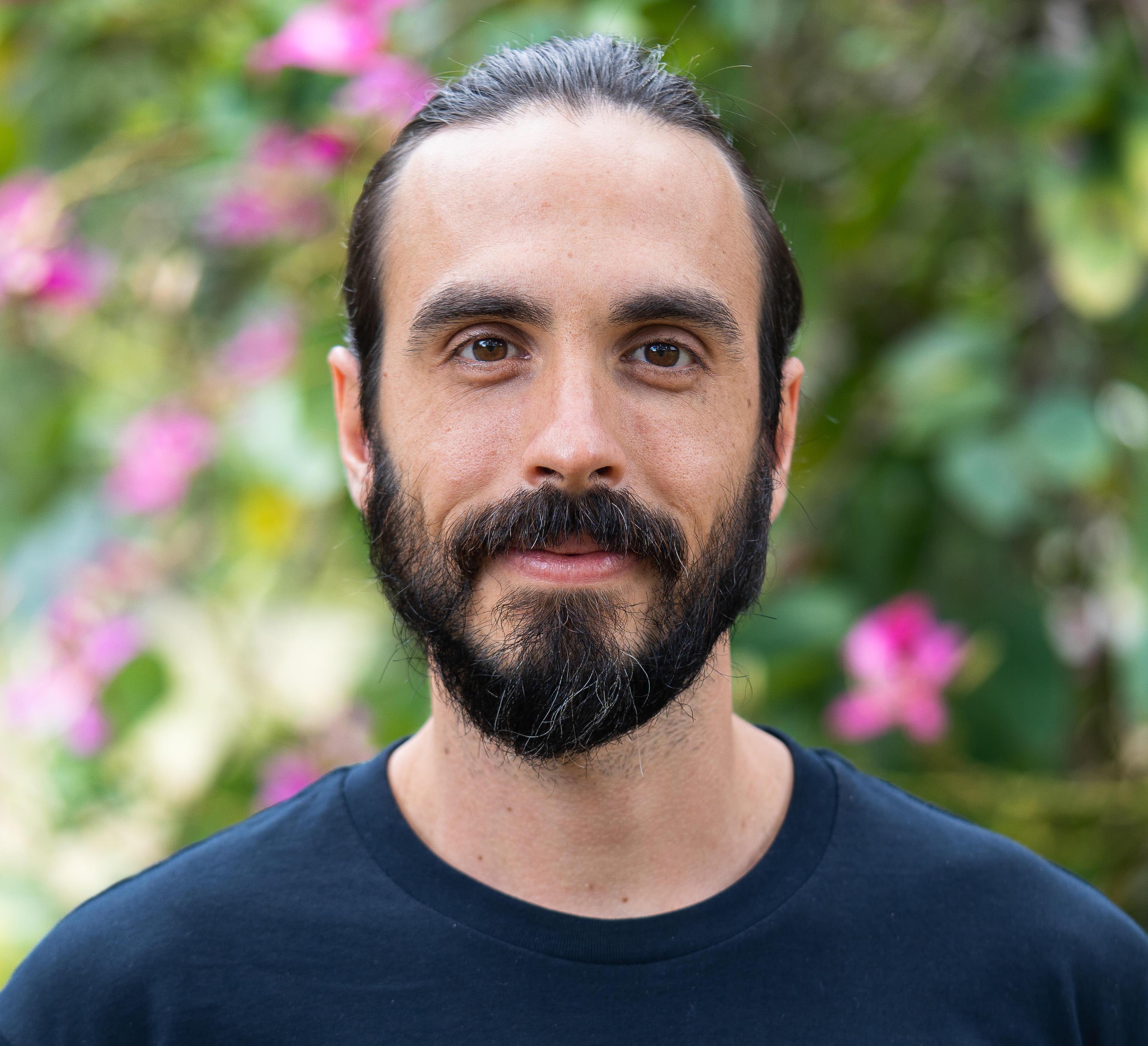
Alexandre Siqueira Correa
- Adjunct Research Fellow
- alexandre.siqueira@jcu.edu.au
Cu isotope characterization of waters in the Mt Windsor Sub-Province, NE QLD (Old ID 27379)
Minotaur Operations has received funding through the Geological Survey of Queensland (GSQ) for copper isotope characterisation of groundwater sampled from active bores in the immediate vicinity of its Windsor Project in NE Queensland. The Mount Windsor Subprovince terrane covers significant Volcanogenic Massive Sulphide (VMS) deposits and prospects, and VMS deposits in the district all contain New Economy Minerals including Cd, Cu, Au, In, Ag, and Zn. Building on existing JCU research findings, this collaborative project will characterize up to 50 water bores for major/trace elements and Cu isotopes, towards determining elemental/isotopic anomalies which may indicate mineralization and therefore aide Minotaur’s exploration program.
LEX/NG
Coral reefs face dual threats of climate change and local anthropogenic stressors, with losses of live corals often resulting in proliferated macroalgae (seaweeds). My previous National Geographic-funded research showed that a low-tech, simple approach of “sea-weeding” (i.e. removing seaweeds by hand) is effective in rehabilitating degraded, macroalgae-dominated reefs. Specifically, my 5-year research program resulted in a >600% increase in coral cover post-seaweed removal since 2018. These promising outcomes offer a cost-effective strategy for reef management, particularly for economically constrained island nations. However, the success of sea-weeding may be species-specific. On the studied reefs, Sargassum was the dominant genus of seaweed. Hence further research is required across diverse algal taxa to gauge the broader applicability of sea-weeding to improve coral reef resilience.
Many South Pacific island nations are facing increased seaweed abundance as reefs continue to degrade. The loss of corals is catastrophic, as reefs form an integral part of Pacific culture, providing a significant proportion of dietary protein through reef-associated fish. Additionally, coral reefs provide shoreline protection for low-lying islands, and losses of reefs could contribute to oceanic inundation. The PALA and PAPA voyage locations are ideal candidates for implementing sea-weeding as a low-cost restoration and management technique. However, these reefs are relatively unexplored, with little recent quantitative documentation of reef community composition. Indeed, even where surveys exist, the taxonomic resolution of seaweed communities is lacking (i.e., all algae are grouped together as “algae” rather than genus- or species-level observations). Hence, the primary objective of this project is to explore the distribution and diversity of reef communities around the tropical South Pacific. The data collected will form a baseline understanding over a large geographic area of w
Circular economy and feed management approaches for inclusive and sustainable development of marine aquaculture in Vietnam
Marine aquaculture in Vietnam has traditionally used low value ‘trash’ fish as a feed source, due to its low cost, relative nutrient completeness and ready availability. Trash fish is generally considered a high risk input as it can be a vector for disease entry into farms, and is often associated with a high degree of uneaten feed entering the environment, resulting in eutrophication. Formulated feeds result in better feed conversion and nutrient utilisation than trash fish, with lower nutrient output into the environment per unit fish produced. This project investigates feed management for optimised feed conversion, growth and lower environmental impact for marine fish aquaculture.
Herbert River Blue Carbon investigation Waltham
Working with landholders on floodplain to map out and identify suitable restoration project land suitable for environmental markets
Independent testing of solar panel cooling device (the B-Panel) (Old ID 23054)
Provide independent testing of a solar panel modification claiming to boost average power output by 30%. Testing will help progress the concept and current prototype further towards commercialisation. Test a collaboration model for new, early stage start-ups being trailed by JCU and iNQ. Aims to explore how access to JCU's technical skills, equipment and technical mentoring plus guided linkage with local entrepreneurial activities at iNQ e.g. Involvement in Start-Up weekends and membership of iNQ plus access to one-on-one entrepreneurial assessment, mentoring and training activities at iNQ improves the chances of success for micro and SMEs in commercialisation ideas.
Improving the accuracy of weed killing robots with new image processing algorithms and near infra-red spectroscopy techniques (Old ID 23146)
Automated weed species recognition remains a major obstacle to the development and industry acceptance of robotic weed control technology. Particular problems occur in rangeland applications, including high light variability and weed-camera distance variability, which cause camera dynamic range problems, image blurring, and occlusion by other plants. This project aims to develop robust image recognition systems combined with Near Infra-Red spectroscopic methods for these complex rangeland environments with special emphasis on the broad-acre grazing pastures in North Queensland. The developed imaging systems will be suitable for all weed killing applications with particular emphasis given to foliar spot-spraying and Herbicide Ballistic Technologies.
Genomics for Undiagnosed Infectious Disease Evaluation and Diagnosis in Northern Australia (Old ID 24759)
Diagnosis of scabies mostly relies on clinical symptoms as mites are extremely difficult to find in skin lesions of ordinary scabies (<20) which leads to under/misdiagnosis. This pilot project will address a long wanted need to develop a rapid diagnostic test for scabies. It is anticipated that this new DNA test will be highly sensitive and specific and will outperform standard microscopy. This will provide a powerful tool in scabies diagnosis particulary useful in clinical trials and epidemiologic studies.
Characterising IOCG and SEDEX deposits in the Mt Isa block with Cu-Zn isotopes (Old ID 26545)
The Economic Geology Research Centre (EGRU) at JCU has proposed to establish Cu and Zn isotope lines at JCU, and build a reference database for Cu-Zn isotopes from mineral deposits in the Mt Isa district, starting witht eh well-known Mt Isa deposit. It is proposed to conduct an exploratory, proof-of-concept study of limited initial scope and time, to assess the usefulness of Zn-Cu isotopes for exploration in the Mt Isa area. If initial results are promising, we intend to extend the study.
Elliot Springs – Offset Management Plan compliance for Black-throated Finch Scientific Study (Old ID 27038)
We will be determining the efficacy of using remote acoustic monitoring tools for black-throated finches (southern subspecies), by deploying automated recorders for one week each in a variety of locations around Qld where black-throated finches may occur, and manually surveying these areas once at the beginning of deployment and once at the end. Acoustic recordings will be analysed using human listening and automated artificial intelligence screening for black-throated finch calls. The results from the two methods will be compared to determine if acoustic monitoring is sufficient to monitor the occurrence of these finches in various locations.
An eDNA molecular diagnostic tool for soil microbial biosecurity (Old ID 27431)
We intend to sample sterilising footbath units on banana farms for the presence of a pathogenic soil-borne fungus that causes Panama disease in bananas. If successful this method would replace visual inspection of farms for biosecurity monitoring of the disease allowing for identification of farm infection long before traditional methods. We aim to adapt existing environmental DNA and quantitative PCR methods for this application.
Habitat and fishing control grazing potential on coral reefs
- 2020
- Wiley-Blackwell
- Researchers:Andrew Hoey
Young fishes persist despite coral loss on the Great Barrier Reef
- 2019
- Nature Publishing Group
- Researchers:Robert StreitDavid Bellwood
Start Date:
10 Nov 2024
Start Date:
31 Mar 2025
Title:
Bengali
Reseracher:
Khandakar Faisal Ibn Murad
(Doctor of Philosophy (Engineering and Related Technologies))
Title:
English
Reseracher:
Khandakar Faisal Ibn Murad
(Doctor of Philosophy (Engineering and Related Technologies))
Start Date:
01 Jan 2024
Start Date:
01 Jan 2024
End Date:
01 Jan 2027
Start Date:
01 Jan 2014
Start Date:
01 Jan 2003
Title:
PhD, James Cook University
End Date:
01 Jan 2010
End Date:
01 Jan 2003