
College of Science & Engineering

Sophia Love
- Doctor of Philosophy (Natural and Physical Sciences)
- sophie.love@jcu.edu.au
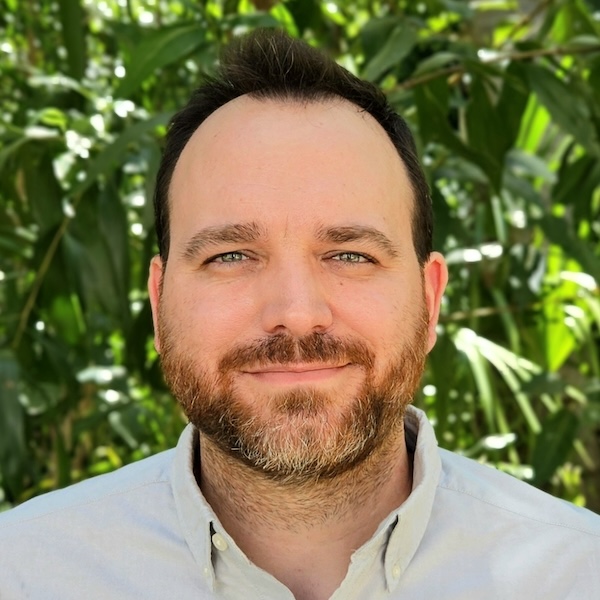
Romain Vaucher
- Senior Lecturer, Sedimentology
- romain.vaucher@jcu.edu.au
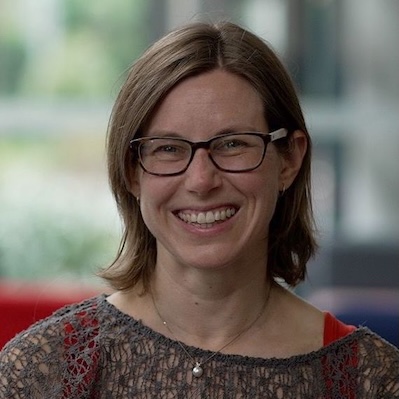
Jenny Fisher
- Associate Dean, Learning and Teaching
- jenny.fisher@jcu.edu.au
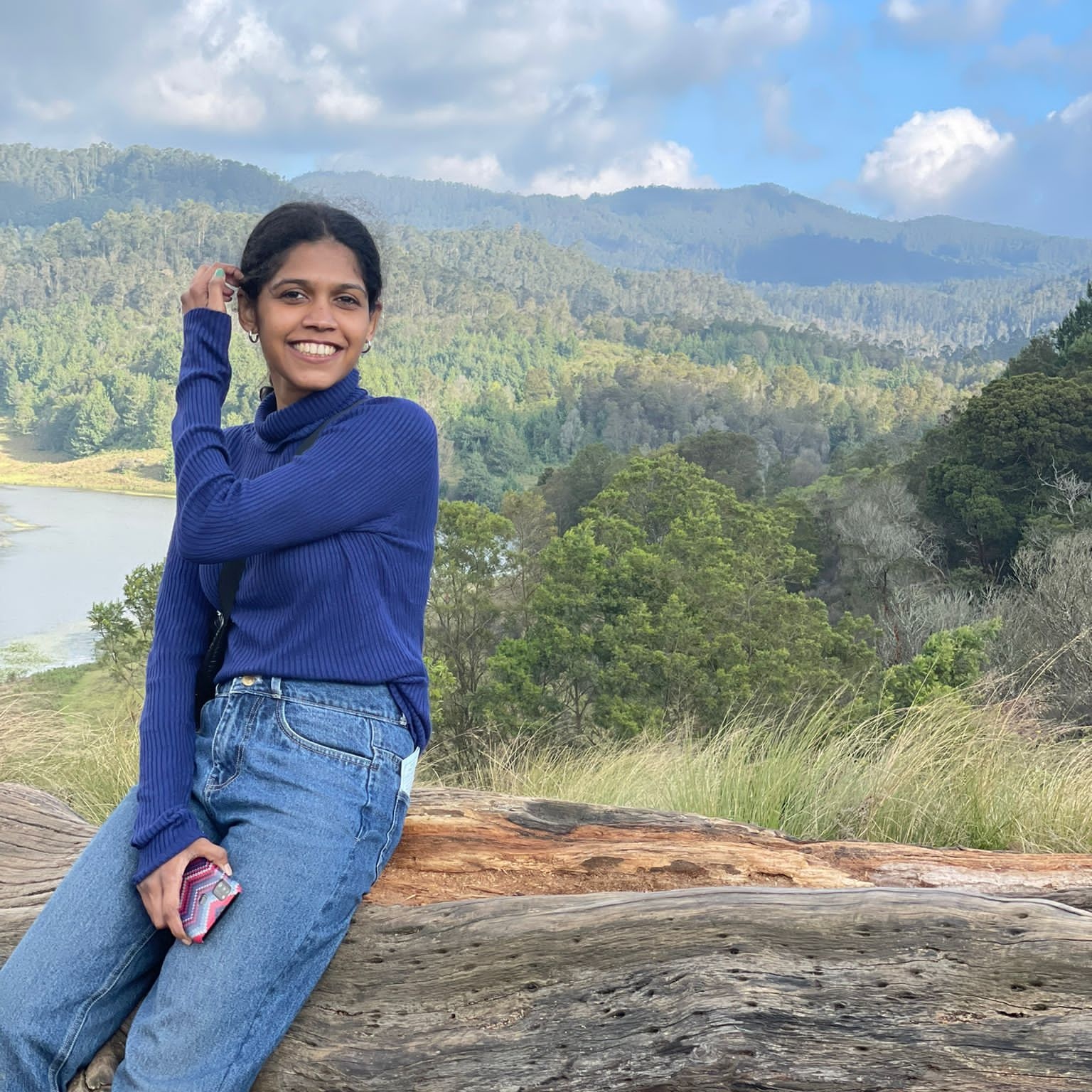
Ambili Narayanan
- Doctor of Philosophy (Natural and Physical Sciences)
- ambili.narayanan@my.jcu.edu.au

Sarfaraz Ali
- Postdoctoral Research Fellow
- sarfaraz.ali@jcu.edu.au
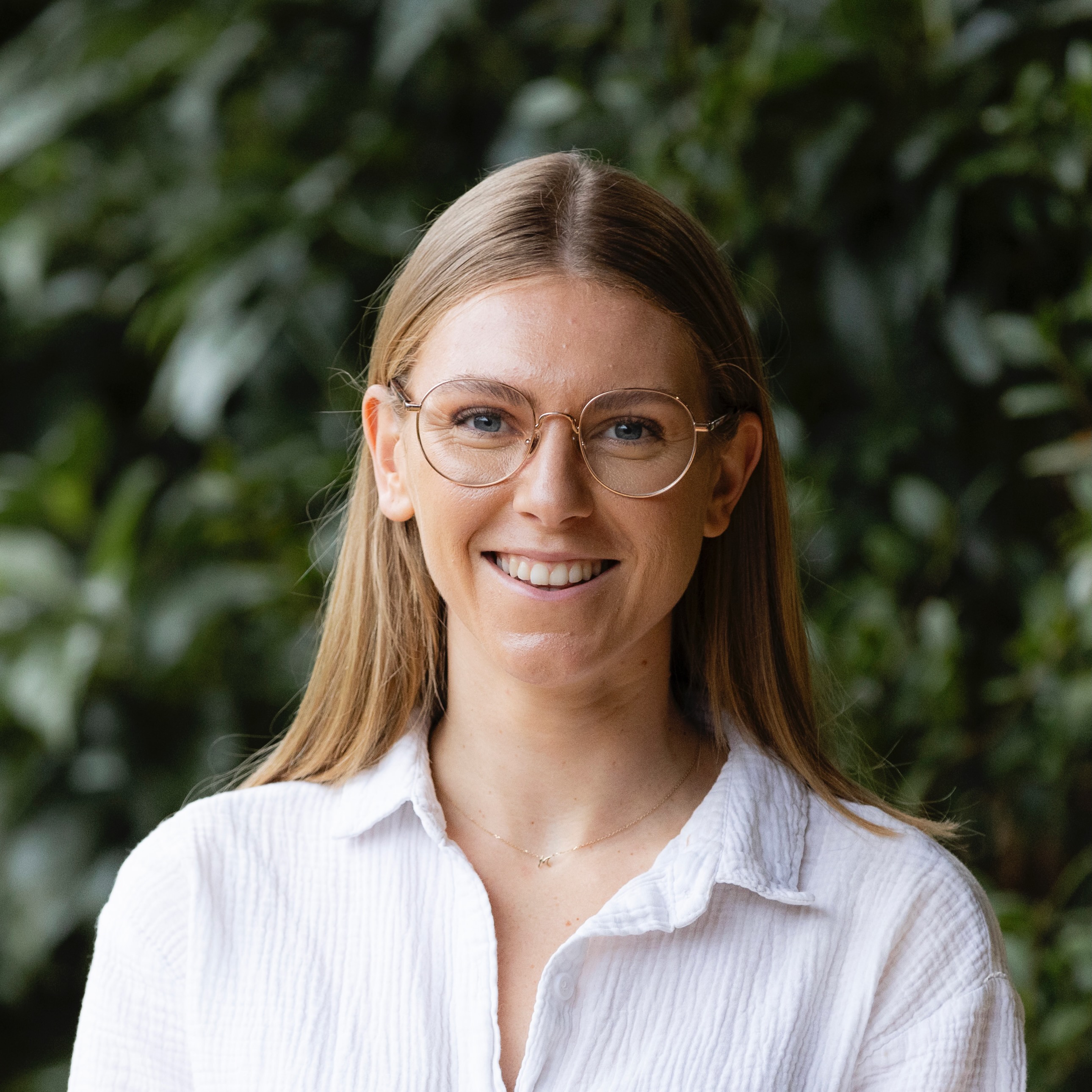
Mikaeylah Davidson
- Postdoctoral Research Fellow
- mikaeylah.davidson@jcu.edu.au
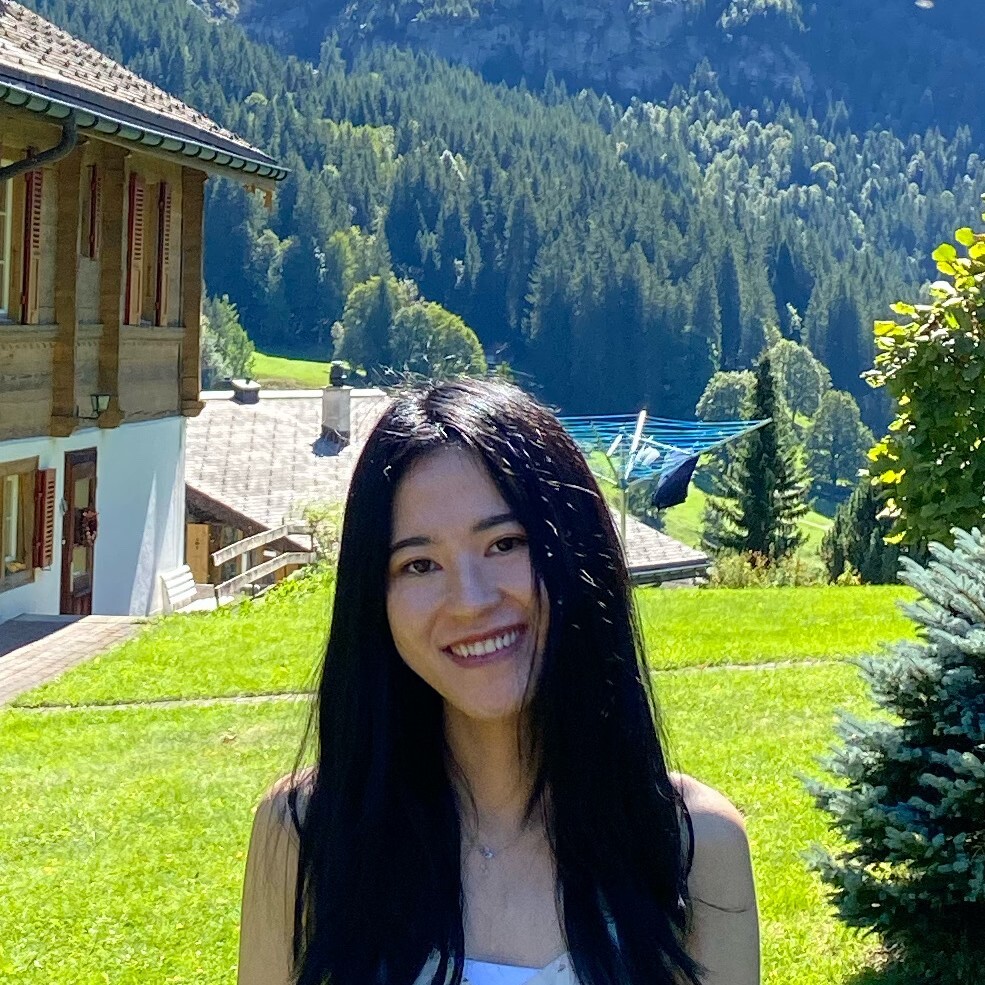
Liuxin Chen
- Lecturer
- liuxin.chen@jcu.edu.au
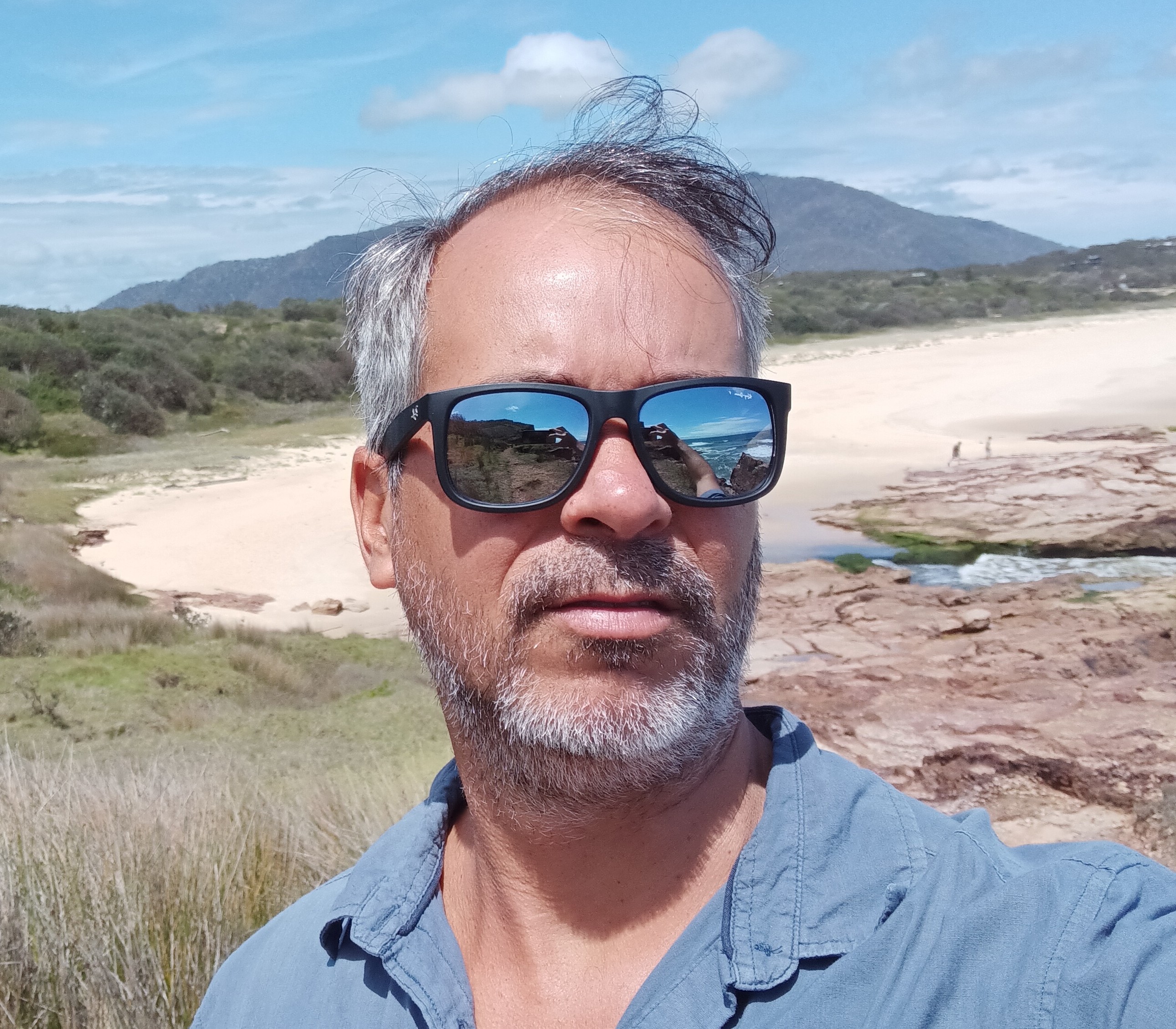
Rafael Cabral Carvalho
- Lecturer, Marine Geoscience
- rafael.cabralcarvalho@jcu.edu.au
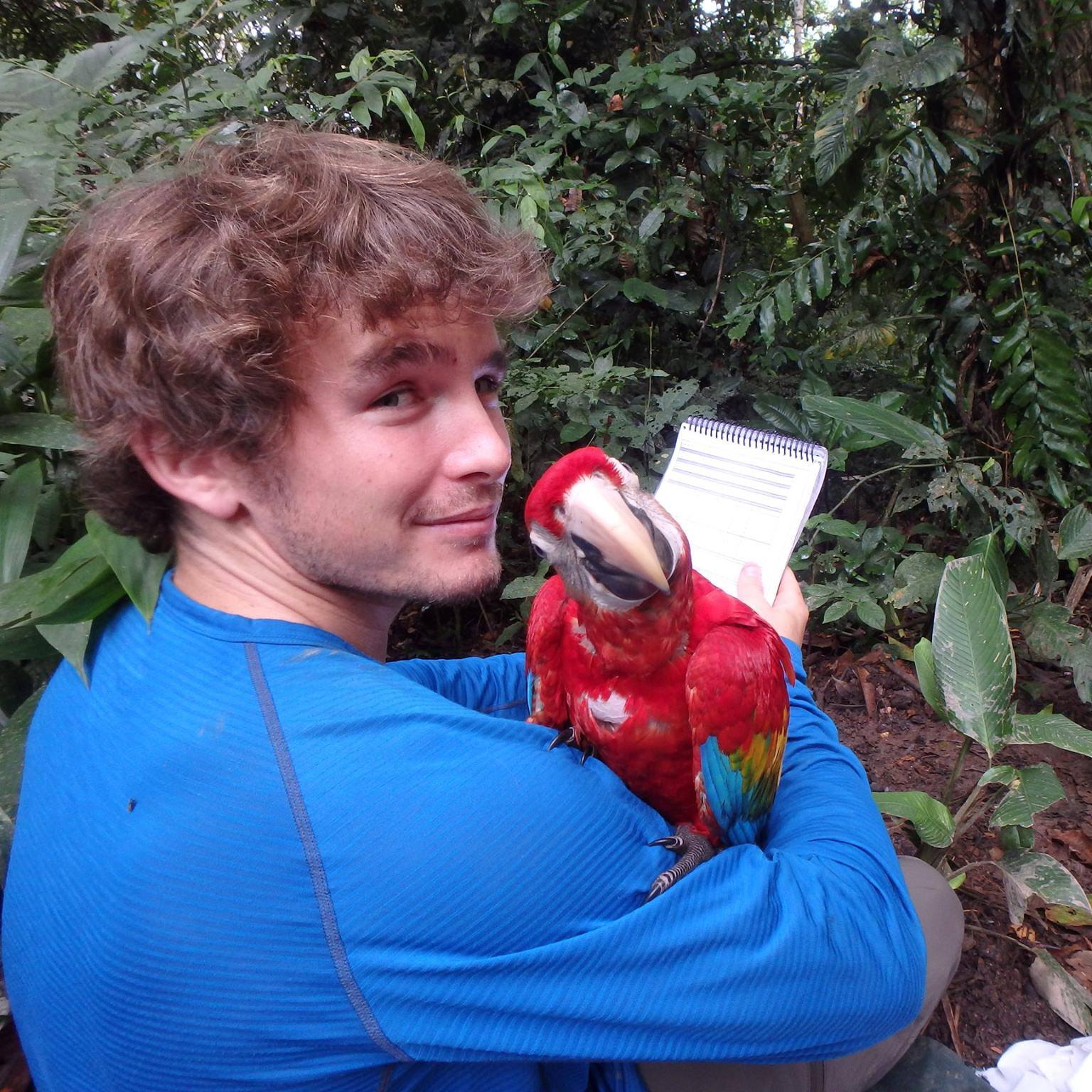
Tom Lloyd
- Postdoctoral Research Fellow, Global Ecosystems
- tom.lloyd@jcu.edu.au
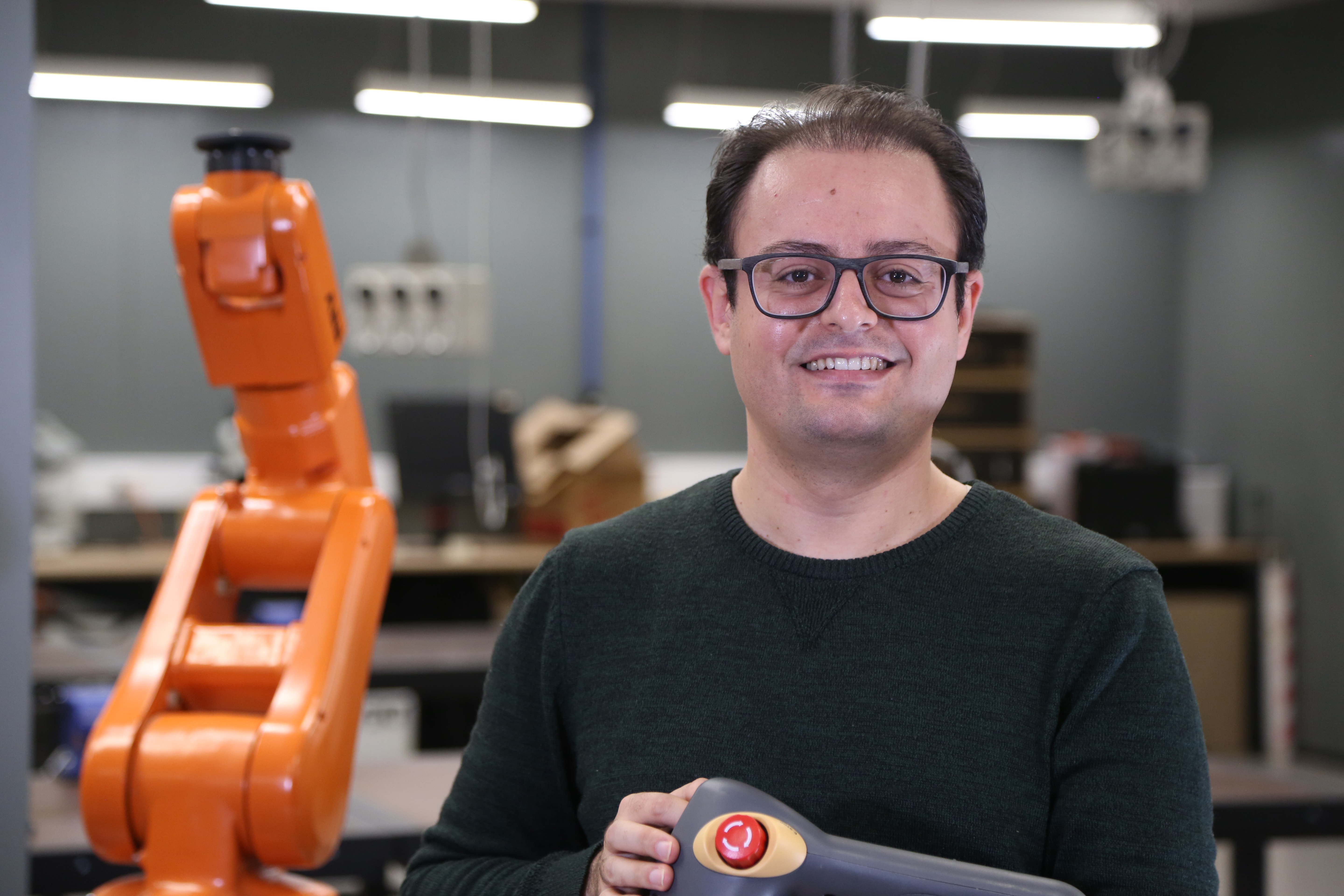
Mohamadreza Chalak Qazani
- Lecturer, Mechanical Engineering
- mohamadreza.chalakqazani@jcu.edu.au
FLARE – Federated Learning for AI-Based RRR Engagement
Adrian Shatte
01 Jul 2025 - 30 Jun 2026
FLARE – Federated Learning for AI-Based RRR Engagement, will develop a smartphone-based AI system for mental health support in RRR communities. FLARE will enable adaptive, privacy-preserving mental health support (screening, diagnosis, and treatment) on mobile devices, reducing barriers to access, stigma, and service availability in the regions JCU serves.
Southern Whiteface Research Project
Lyanne Brouwer
01 Jul 2025 - 01 Aug 2028
This project aims to monitor Southern Whiteface (SWF) populations to understand its genetic diversity, population size, and differentiation, and to clarify subspecies status using molecular genetics. It also investigates landscape-scale factors—such as vegetation and climate, including extremes—that influence SWF distribution. Additionally, it evaluates the health of populations by measuring parasite loads, nutritional condition, and body reserves.
Differential effects of sequential disturbances on the structure and function of reefs across the continental shelf (Old ID 27475)
Eva McClure
01 Apr 2022 - 31 Mar 2023
On the Great Barrier Reef, the greatest distinction in benthic composition and herbivorous fish assemblage structure and function is found across the continental shelf, among inner-, mid- and outer-shelf reefs. Yet our understanding of how these unique assemblages respond and re-form following disturbances is limited. This project investigates changes in benthic composition and the structure, function and behaviour of herbivorous fish assemblages on inner-, mid- and outer-shelf reefs following multiple cyclone and bleaching events from 2015-2017. In doing so, this project will provide the first longitudinal study of cross-shelf assemblages and processes and improve understanding of reef recovery.
Deployable Waste to Energy System (Old ID 27701)
Mohan Jacob
24 May 2022 - 31 Dec 2025
JCU has developed a customised microwave pyrolysis unit that can be used to conduct various experiments and control the pyrolysis conditions to convert different waste materials and generate by-products such as gas, oil and char. This project aims to develop a scale-up Deployable Waste to Energy processing unit that can process up to 50 kg of waste at a time. The project will be done in partnership with CUBIC, who will manage the project delivery.
Development of a Ground-Based AI Vision System for Fine-Scale Weed Detection in Tropical Reforestation
Tao Huang
09 Jan 2026 - 08 Jan 2027
Tropical reforestation initiatives face significant early-stage threats from fast-growing weed species that compete with young seedlings for sunlight, nutrients, and water. While drone-based monitoring provides valuable aerial perspectives, it often lacks the resolution needed to detect weeds growing in close proximity to seedlings or partially hidden by surrounding vegetation. To complement aerial detection, this project proposes the development of a ground-based computer vision system for fine-scale weed detection and growth dominance estimation, enabling precision weeding and decision support in reforestation programs. This first year of the TerraWeed project will focus on hardware setup, initial dataset creation, and the development of deep learning models for close-range classification and segmentation of weeds versus tree seedlings. This foundational work will provide a basis for deploying intelligent ground-based systems that support high-precision intervention in complex tropical environments.
Traps ‘n’ maps: collecting data today to better understand the past tomorrow. (Old ID 27767)
Cassandra Rowe
25 Jul 2022 - 31 Dec 2024
The study of pollen to reconstruct landscapes of the past plays an important role across many environmental research and management goals. However, more is being asked of this data, in particular, the need to better understand past plant abundance and land-cover changes. To achieve this, we need a quantified understanding of the relationship between modern day pollen and vegetation, which requires large-scale data collection. Here, we propose developing a comprehensive modern pollen-matching vegetation records across major climate and biogeographic zones in Australia by combining expertise in paleoecology and citizen science with nationally funded infrastructure, TERN (Terrestrial Ecosystem Research Network).
From reference genome to resilience: determining the future of Southern Ocean benthos in light of climatic change
Sally Lau
01 Sep 2025 - 01 Sep 2026
Climate change effects such as rising ocean temperatures, freshening of the ocean and altered current regimes will impact the dispersal, connectivity and subsequent genetic diversity of Southern Ocean benthic invertebrates. This project will utilize the most advanced DNA sequencing technology to investigate historical and contemporary connectivity (source sink dynamics) and population demography of the seastar Glabraster antarctica between East Antarctica and the Kerguelen Plateau. The outcome of this research will determine the susceptibility of benthic invertebrates to climate change impacts. These findings will inform future management of the Kerguelen Plateau.
From reference genome to resilience: determining the future of Southern Ocean benthos in light of climatic change
Edel Sheerin
01 Sep 2025 - 01 Sep 2026
Climate change effects such as rising ocean temperatures, freshening of the ocean and altered current regimes will impact the dispersal, connectivity and subsequent genetic diversity of Southern Ocean benthic invertebrates. This project will utilize the most advanced DNA sequencing technology to investigate historical and contemporary connectivity (source sink dynamics) and population demography of the seastar Glabraster antarctica between East Antarctica and the Kerguelen Plateau. The outcome of this research will determine the susceptibility of benthic invertebrates to climate change impacts. These findings will inform future management of the Kerguelen Plateau.
Expanding spiny lobster aquaculture in Indonesia (Old ID 21727)
Clive Jones
25 May 2015 - 31 Dec 2019
Project will provide research and extension to support expansion and increased productivity for spiny lobster aquaculture in Indonesia. Research will focus on improving survival and growth of lobsters from capture of natural seed through to market size, particularly through improved nutrition, husbandry and disease management. Extension will focus on demonstration of best practice to farmers. Impact will be on men, women and children in impoverished coastal communities. Some research will be conducted in Vietnam and Australia, with a view to improving sustainability of lobster farming in Vietnam and exploring opportunity for establishing Indigenous lobster aquaculture enterprises in Australia.
Scoping options for low-flying marginal cane land to reduce DIN in priority wet tropics catchments (Old ID 22528)
Nathan Waltham
01 Jan 2016 - 28 Feb 2017
The project will explore alternative land use options to reduce nitrogen losses from marginal sugarcane land in priority wet tropics catchments. The Wet Tropics Water Quality Improvement Plan identified that complete adoption of sugarcane best management practices would be insufficient to achieve the nitrogen load reductions needed to meet the Great Barrier Reef Water Quality guidelines. This project will map low-lying, marginal cane land with community and industry partners, identify possible alternative uses, quantify economic costs and benefits of land transition, identify constraints and opportunities for alternative land uses proposed.
Organic matter, sodicity and soil structure
- 1998
- Oxford University Press
- Researchers:Paul Nelson
Argument free clustering via boundary extraction for massive point-data Sets
- 2002
- Researchers:Ickjai Lee
Start Date:
01 Jan 2010
Title:
Postgraduate Research Student Support Conference Travel Grant (University of New South Wales)
Start Date:
01 Jan 2011
Start Date:
01 Jan 2011
Start Date:
01 Jan 1999
Start Date:
01 Jan 0200
Start Date:
01 Jan 1997
Start Date:
01 Jan 2010
End Date:
01 Jan 2013
Start Date:
01 Jan 2021
Start Date:
01 Jan 2020
Start Date:
01 Jan 1998