
College of Science & Engineering

Sophia Love
- Doctor of Philosophy (Natural and Physical Sciences)
- sophie.love@jcu.edu.au
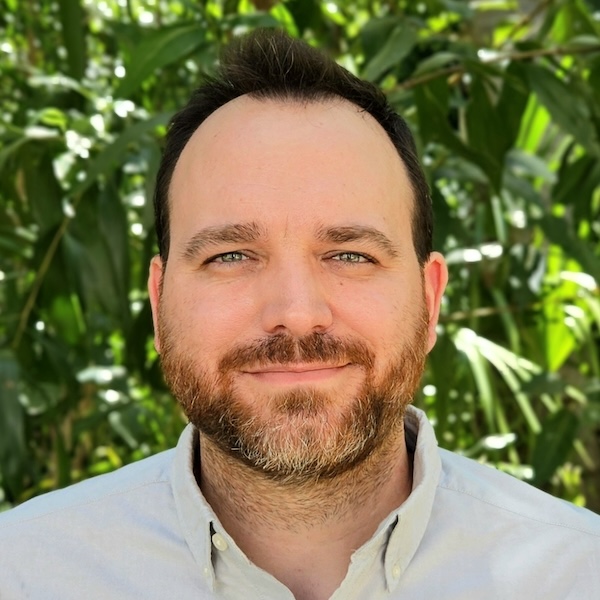
Romain Vaucher
- Senior Lecturer, Sedimentology
- romain.vaucher@jcu.edu.au

Jenny Fisher
- Associate Dean, Learning and Teaching
- jenny.fisher@jcu.edu.au

Ambili Narayanan
- Doctor of Philosophy (Natural and Physical Sciences)
- ambili.narayanan@my.jcu.edu.au

Sarfaraz Ali
- Postdoctoral Research Fellow
- sarfaraz.ali@jcu.edu.au

Mikaeylah Davidson
- Postdoctoral Research Fellow
- mikaeylah.davidson@jcu.edu.au

Liuxin Chen
- Lecturer
- liuxin.chen@jcu.edu.au

Rafael Cabral Carvalho
- Lecturer, Marine Geoscience
- rafael.cabralcarvalho@jcu.edu.au
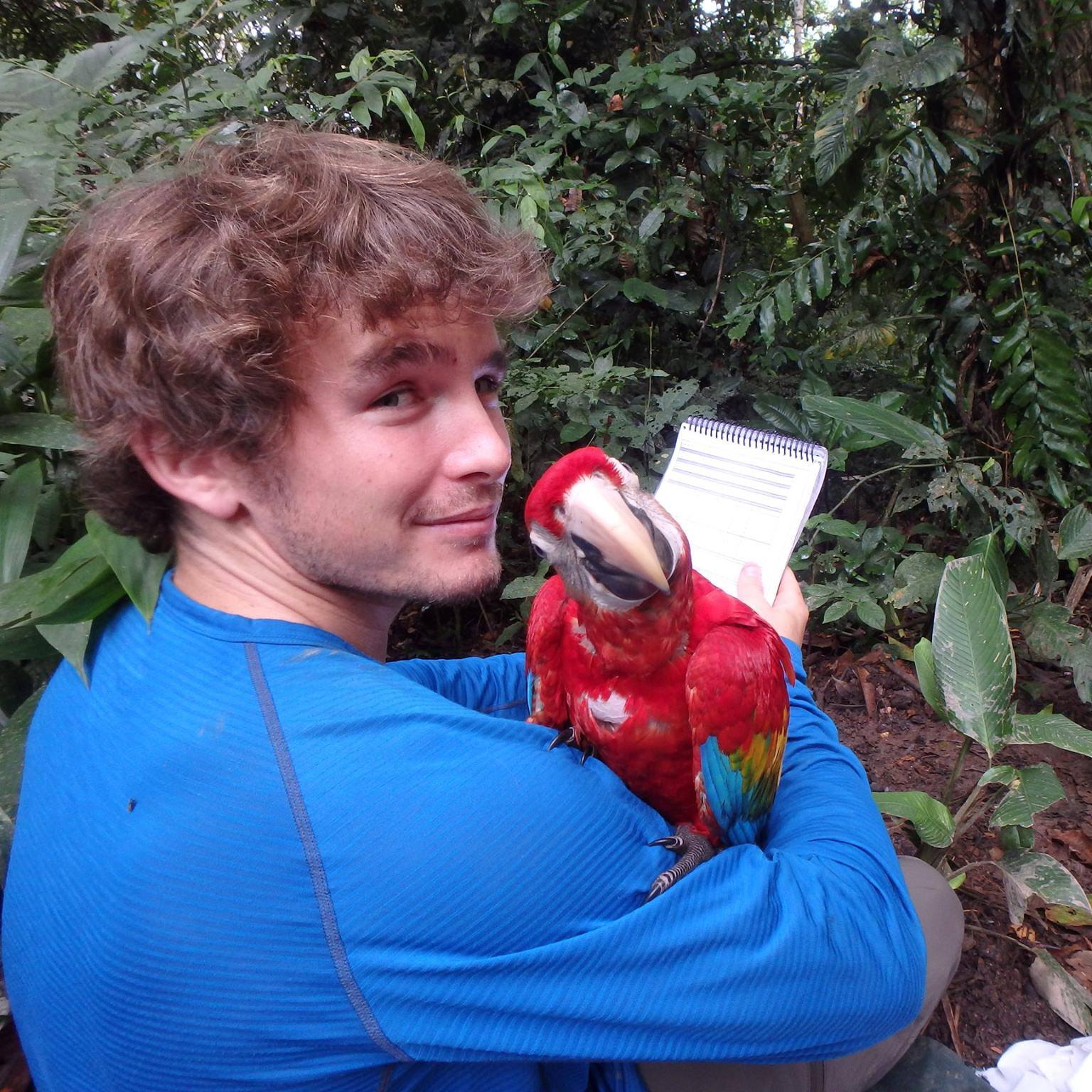
Tom Lloyd
- Postdoctoral Research Fellow, Global Ecosystems
- tom.lloyd@jcu.edu.au
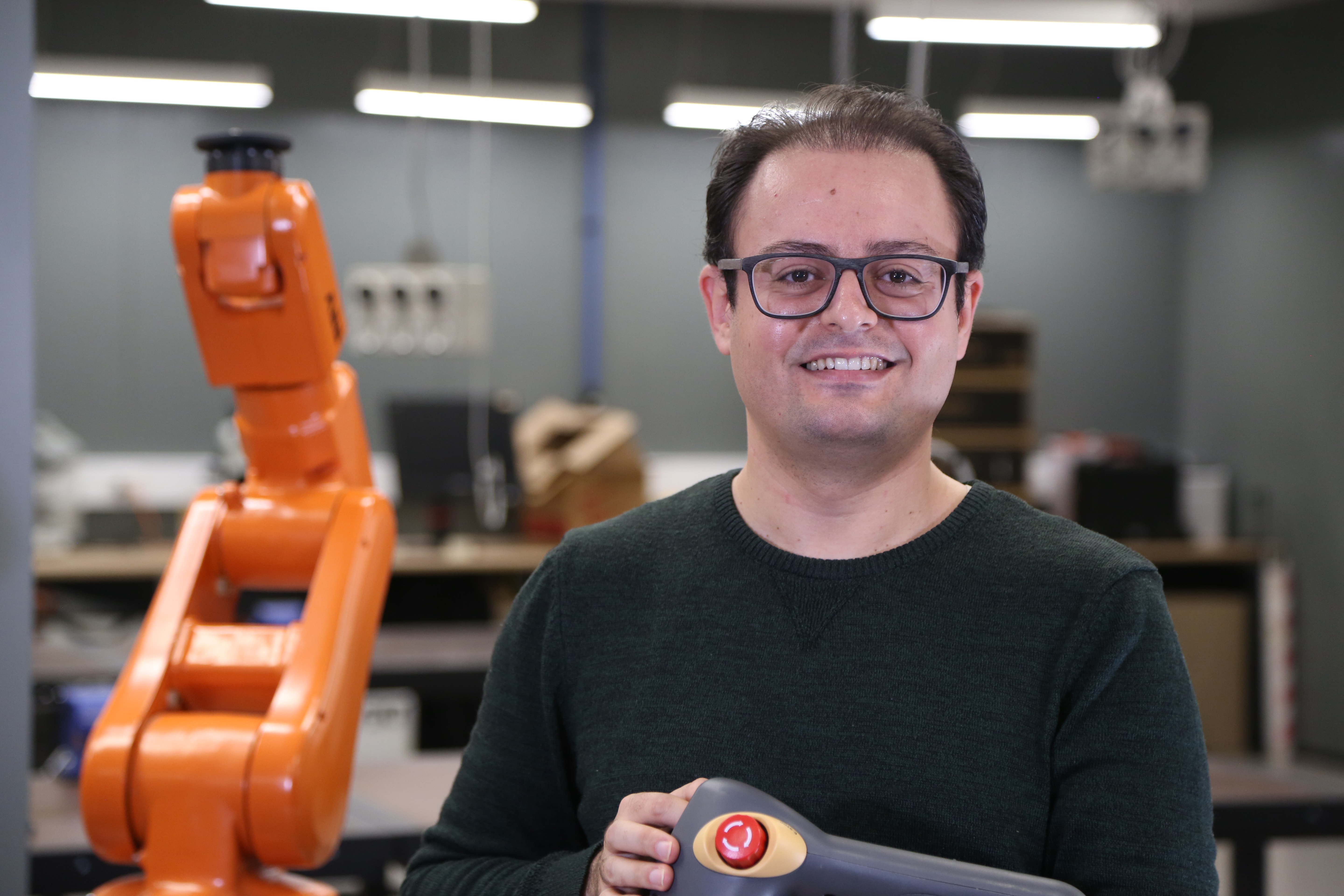
Mohamadreza Chalak Qazani
- Lecturer, Mechanical Engineering
- mohamadreza.chalakqazani@jcu.edu.au
Near-infrared spectroscopy to improve detection of the invasive yellow crazy ant, Anoplolepis gracilipes. (Old ID 28988)
Bronson Philippa
01 Apr 2023 - 30 Apr 2025
This project aims to develop a proof-of-concept device capable of distinguishing the invasive yellow crazy ant from native ants in the Wet Tropics World Heritage Area using a miniaturised near infrared (NIR) spectroscopic sensor. I will conduct an initial study into the variability of the yellow crazy ant NIR spectra then build a classification model to distinguish yellow crazy ants from common native ants using NIR spectra. These studies will be used to inform the prototype development. Prototype development will consist of the design and manufacture of a printed circuit board containing the NIR sensor and its support electronics. This prototype will be then validated using the same classification experiment of YCA against native ants.
Near-infrared spectroscopy to improve detection of the invasive yellow crazy ant, Anoplolepis gracilipes. (Old ID 28988)
Lori Lach
01 Apr 2023 - 30 Apr 2025
This project aims to develop a proof-of-concept device capable of distinguishing the invasive yellow crazy ant from native ants in the Wet Tropics World Heritage Area using a miniaturised near infrared (NIR) spectroscopic sensor. I will conduct an initial study into the variability of the yellow crazy ant NIR spectra then build a classification model to distinguish yellow crazy ants from common native ants using NIR spectra. These studies will be used to inform the prototype development. Prototype development will consist of the design and manufacture of a printed circuit board containing the NIR sensor and its support electronics. This prototype will be then validated using the same classification experiment of YCA against native ants.
Defining the values of the of the ecological systems that influence the GBR and lie outside the marine park and world heritage area boundaries (Old ID 23140)
Jon Day
01 Jan 2017 - 30 Jun 2018
The Great Barrier Reef World Heritage Area globally recognised for its outstanding universal value, is an integrated and highly connected part of a larger northeast Australia marine bioregion, which includes Torres Strait, the Coral Sea and the Great Sandy Marine Park (Hervey Bay). Understanding the values (ecological, cultural, social and economic) of these adjacent systems, and especially the connections and inter-dependencies between systems, is crucial to effective and efficient protection and management of the globally important natural and cultural values within each system. This project will identify and assess the values of these adjacent systems, and characterise the processes and attributes that influence the values and their connectivity at a regional scale, delivering a resource that can inform cross-jurisdictional planning and management.
Development and characterization of a Novel Zirconia Implant material with enhanced mechanical properties and bio-compatibility (Old ID 27124)
Elsa Antunes
01 Jan 2021 - 31 Dec 2021
Zirconia dental implants have been recently developed as a viable, aesthetic, non-metallic alternative for dental implant fabrication compared to the titanium implants. However, significant challenges have been encountered in acceptance of zirconia implants in clinical practice due to the low fracture resistance inherent within the zirconia material that can lead to structural failure of implant. This has created a need for further research into its crystalline composition and forms to further enhance the mechanical properties of zirconia making it more suitable for dental implants. This study will assess the mechanical and chemical properties of the novel zirconia material developed in our lab and evaluates the effect of various surface modifications on its mechanical properties. Furthermore, cellular interactions that play a vital role in wound healing after placement of implant will be ascertained to promote successful implant osseointegration of novel zirconia dental implants.
Denitrification bioreactor trial in the Russell catchment of the Wet Tropics (Old ID 23408)
HanShe Lim
01 Nov 2017 - 30 May 2020
This project will establish the effectiveness of denitrification bioreactors as an on-farm technology for removing dissolved inorganic nitrogen (DIN) in waters draining the Babinda Swamp Drainage Area. The region has been identified as a hotspot for DIN in the Great Barrier Reef catchment. This will be the first trial of denitrification bioreactors in the Wet Tropics. Denitrifying bioreactors route water through a high-carbon substrate under anaerobic conditions to encourage denitrification (the conversion of DIN to atmospheric N2). Two bioreactor configurations will be tested at two sites, and the potential for broader adoption will be assessed.
Denitrification bioreactor trial in the Russell catchment of the Wet Tropics (Old ID 23408)
Alex Cheesman
01 Nov 2017 - 30 May 2020
This project will establish the effectiveness of denitrification bioreactors as an on-farm technology for removing dissolved inorganic nitrogen (DIN) in waters draining the Babinda Swamp Drainage Area. The region has been identified as a hotspot for DIN in the Great Barrier Reef catchment. This will be the first trial of denitrification bioreactors in the Wet Tropics. Denitrifying bioreactors route water through a high-carbon substrate under anaerobic conditions to encourage denitrification (the conversion of DIN to atmospheric N2). Two bioreactor configurations will be tested at two sites, and the potential for broader adoption will be assessed.
Denitrification bioreactor trial in the Russell catchment of the Wet Tropics (Old ID 23408)
Nathan Waltham
01 Nov 2017 - 30 May 2020
This project will establish the effectiveness of denitrification bioreactors as an on-farm technology for removing dissolved inorganic nitrogen (DIN) in waters draining the Babinda Swamp Drainage Area. The region has been identified as a hotspot for DIN in the Great Barrier Reef catchment. This will be the first trial of denitrification bioreactors in the Wet Tropics. Denitrifying bioreactors route water through a high-carbon substrate under anaerobic conditions to encourage denitrification (the conversion of DIN to atmospheric N2). Two bioreactor configurations will be tested at two sites, and the potential for broader adoption will be assessed.
Exploratory study of effects of sample storage/stabilisation on Cu isotope compositions of groundwater, and linkage between groundwater and proximal soil profiles. (Old ID 29017)
Alex McCoy-West
16 Jun 2023 - 30 Sep 2023
The aims of this collaborative project between JCU and Geoscience Australia are simple. Geoscience Australia have legacy groundwater samples from active bores through their previous hydrogeochemical surveys (e.g. Northern Australia Hydrogeochemical Survey), where both acidified and unacidified samples have been kept in storage, some for up to several years. Copper concentrations measured at/near the time of sampling are variable, with some being in the sub-ppb range and others significantly higher. For some bores, proximal soil and rock samples are also available. This project will leverage all the above towards the following objectives: 1. Analyse Cu concentrations and isotope compositions for a small cohort of legacy groundwater samples (~10). 2. Analyse Cu isotope compositions in proximity-matched soil/rock samples. Where spatially matched soil and/or core rock samples are available, an additional subset of these solid samples will be processed and analysed to characterize their Cu isotope compositions and compare to that of matched groundwater samples. 3. Collate all results and jointly interpret with Geoscience Australia
Taxonomy of the reef-building corals of Lizard Island (Old ID 27561)
Peter Cowman
01 Apr 2022 - 31 Mar 2024
The short term aim of the project is to establish a curated collection of all scleractinian coral species from Lizard Island, including field and skeleton images plus tissue samples. This will allow for consistency in identification of corals among studies. The long term goal is a robust taxonomy for the corals of Lizard Island using an integrated approach that includes quantitative morphological analysis, molecular analysis and other lines of evidence, such as spawning times and breeding compatibilities.
Taxonomy of the reef-building corals of Lizard Island (Old ID 27561)
Tom Bridge
01 Apr 2022 - 31 Mar 2024
The short term aim of the project is to establish a curated collection of all scleractinian coral species from Lizard Island, including field and skeleton images plus tissue samples. This will allow for consistency in identification of corals among studies. The long term goal is a robust taxonomy for the corals of Lizard Island using an integrated approach that includes quantitative morphological analysis, molecular analysis and other lines of evidence, such as spawning times and breeding compatibilities.
Organic matter, sodicity and soil structure
- 1998
- Oxford University Press
- Researchers:Paul Nelson
Argument free clustering via boundary extraction for massive point-data Sets
- 2002
- Researchers:Ickjai Lee
Start Date:
01 Jan 2019
Start Date:
01 Jan 2017
Start Date:
01 Jan 2015
Title:
Ministry of Commerce, People’s Republic of China Scholarship for Post-Graduate Training Course
Start Date:
01 Jan 2015
Start Date:
01 Jan 2011
Start Date:
01 Jan 2007
Start Date:
01 Jan 2006
Start Date:
01 Jan 2023
Start Date:
01 Jan 1959
Start Date:
01 Jan 2021