
College of Science & Engineering

Sophia Love
- Doctor of Philosophy (Natural and Physical Sciences)
- sophie.love@jcu.edu.au
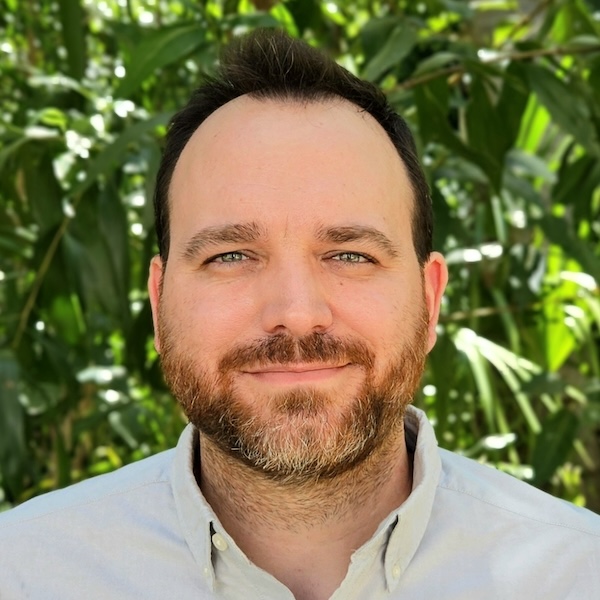
Romain Vaucher
- Senior Lecturer, Sedimentology
- romain.vaucher@jcu.edu.au
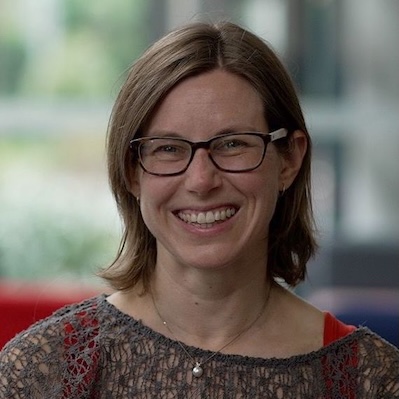
Jenny Fisher
- Associate Dean, Learning and Teaching
- jenny.fisher@jcu.edu.au

Ambili Narayanan
- Doctor of Philosophy (Natural and Physical Sciences)
- ambili.narayanan@my.jcu.edu.au

Sarfaraz Ali
- Postdoctoral Research Fellow
- sarfaraz.ali@jcu.edu.au
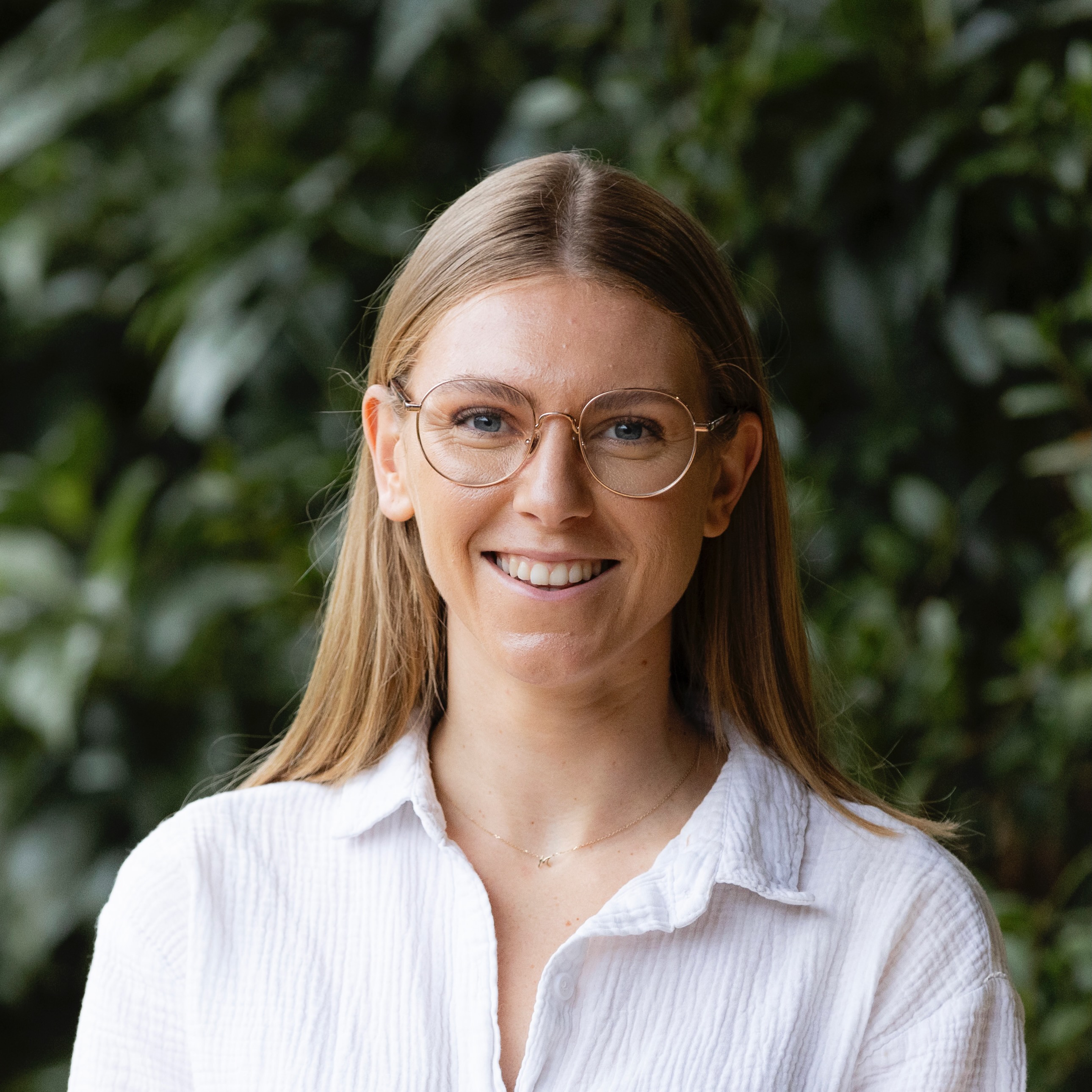
Mikaeylah Davidson
- Postdoctoral Research Fellow
- mikaeylah.davidson@jcu.edu.au
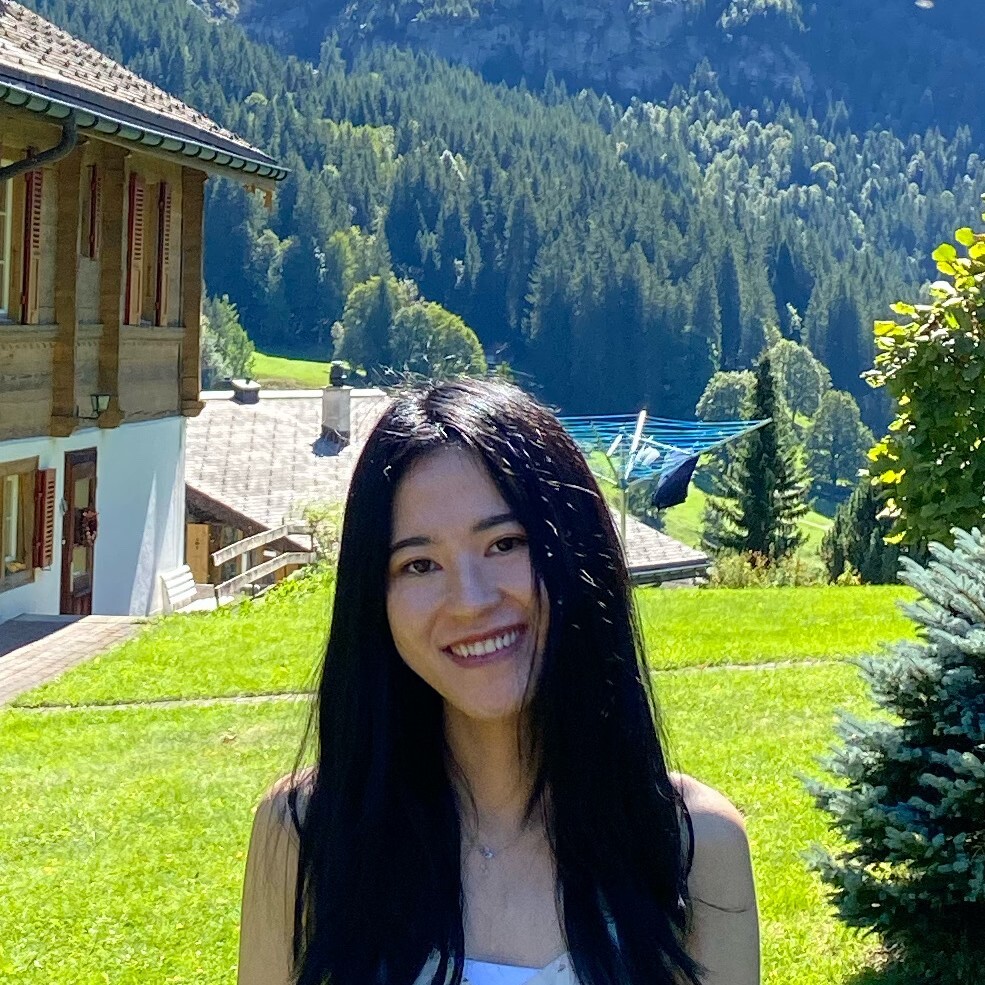
Liuxin Chen
- Lecturer
- liuxin.chen@jcu.edu.au
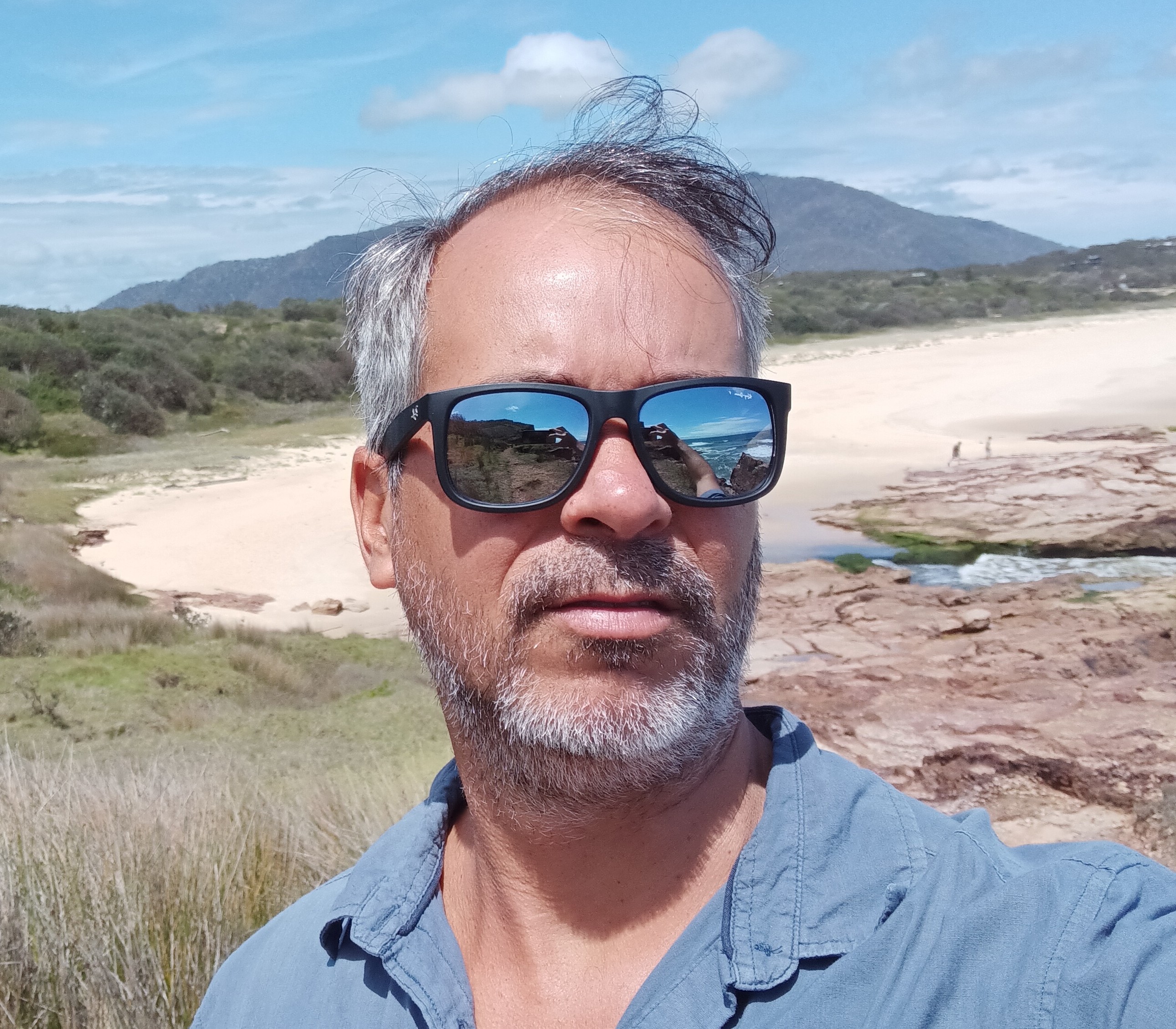
Rafael Cabral Carvalho
- Lecturer, Marine Geoscience
- rafael.cabralcarvalho@jcu.edu.au
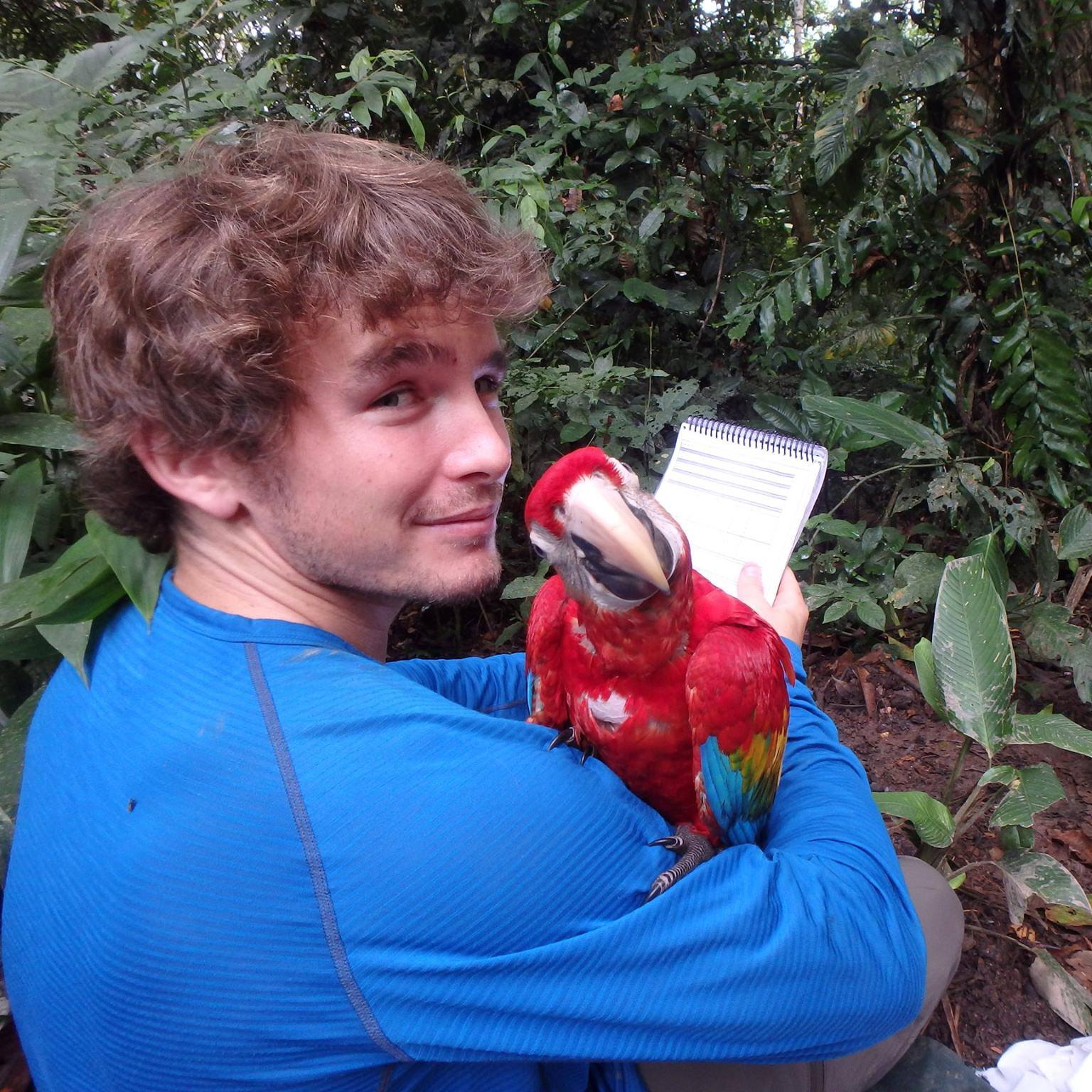
Tom Lloyd
- Postdoctoral Research Fellow, Global Ecosystems
- tom.lloyd@jcu.edu.au
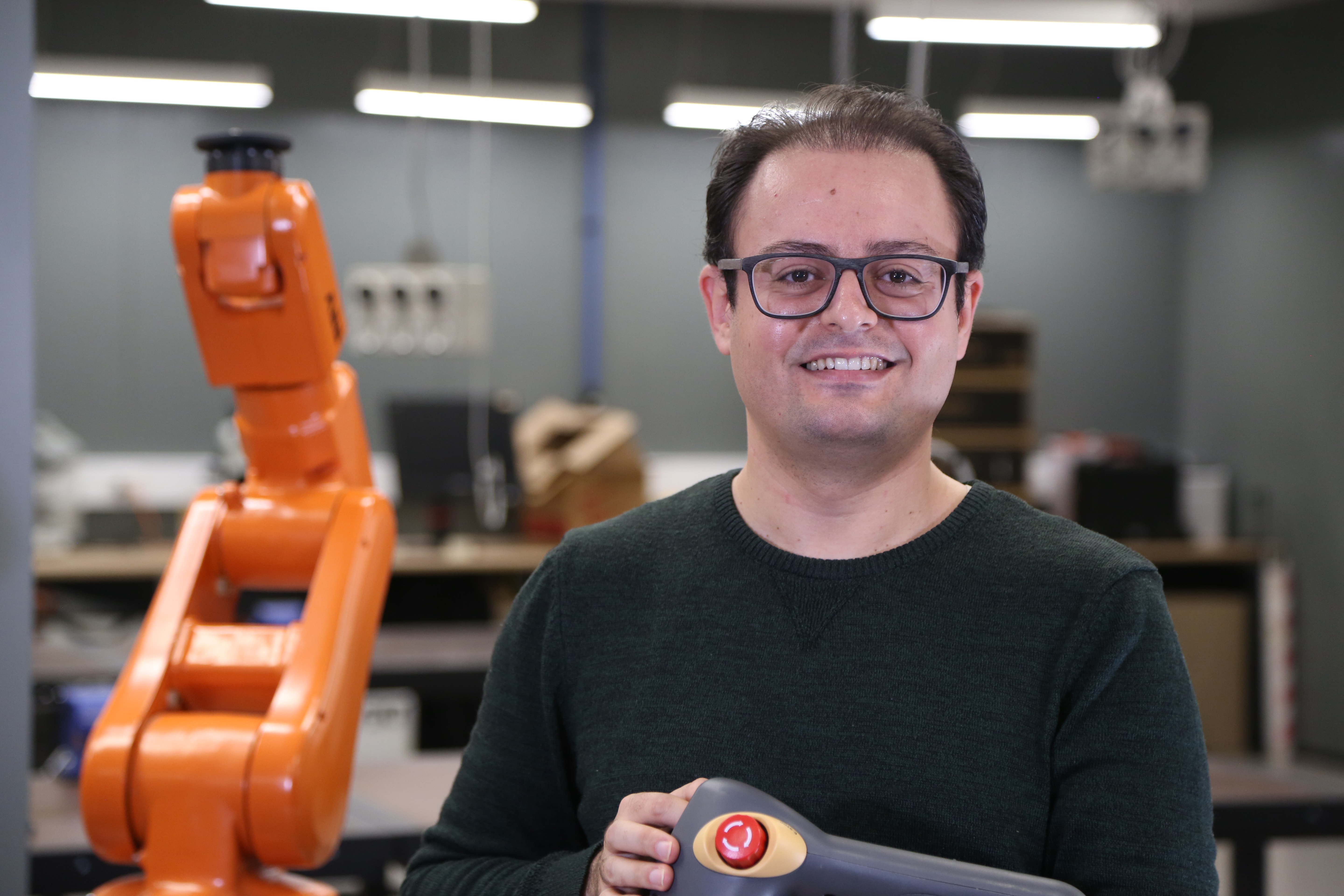
Mohamadreza Chalak Qazani
- Lecturer, Mechanical Engineering
- mohamadreza.chalakqazani@jcu.edu.au
Coastal restoration assessment and case studies to support the uptake of blue carbon. (Old ID 27611)
Nathan Waltham
20 Apr 2022 - 30 Jun 2022
Coastal wetlands are under threat from a range of past land use changes. Efforts to restore the value back into wetlands is underway in many places, and demonstrating the success of these efforts requires access to scientific data. This project will examine a range of restoration approaches and provide a summary matrix of learnings, land use tenure, and pathways to delivery. The outcomes of this project will be used in the preparation of case studies that will feature on the Land Restoration Fund Queensland Government website, so that future project proponents can use these to assist with preparing project funding grants.
Water resource development assessment in northern Australia. (Old ID 27758)
Nathan Waltham
01 Jun 2022 - 30 Aug 2024
This project investigates the potential for water resource development in several catchment areas in northern Australia. Specifically, we will provide technical expertise in estuarine habitat ecology analysis, modelling and provide regional context to analysis outcomes and scenario analysis. Working in a large multidisciplinary team, we will also attend workshops and assist the project team more broadly to deliver the final reports to the Australian Government.
Safeguarding New Caledonia from insect-borne diseases: sustainable production of insect repellent from native plants (Old ID 22661)
Michael Oelgemoeller
01 May 2016 - 31 Dec 2018
The public debate about climate change and pollution has seen some major shifts in community thinking in regards to sustainability and environmental resilience. These changes in public attitude have placed significant pressure on the chemical industry to move to using renewable energy sources and sustainable starting materials. The tropical region is rich in natural resources, especially biomass from tropical plants and sunlight. At the same time, insect-bone diseases such as dengue and malaria hamper the tropics, causing significant health, economic and social stresses. Following the 'prevention is better than cure' approach, this project will develop economically viable green manufacturing processes for potent insect repellents from local New Caledonian plants.
The geochemistry of rare earth elements in carbonate melts. (Old ID 24862)
Carl Spandler
28 Jun 2019 - 27 Jun 2022
This project aims to determine why deposits of rare earth elements, which are critical for modern devices and technologies, such as phones, tablet and plasma screens, are associated with carbonate magmas. The global supply of these critical metals is geopolitically unstable and although Australia has significant reserves there is very limited production. By improving our understanding of the geochemical behaviour of the rare earths we aim to develop new reverse-engineering methods for their extraction, which will improve the security of supply of these elements and enhance Australia's role in high-tech industries.
Australian Acoustic Observatory: A Network to Monitor Biodiversity (Old ID 22643)
Lin Schwarzkopf
17 May 2017 - 31 Dec 2024
Acoustic sensing is transforming environmental science by recording vocal species 24 x 7, providing data of unparalleled spatial and temporal resolution for ecosystem monitoring and research. This is particularly relevant to Australia's fragile and mega-diverse environment and Australia has leading research expertise in this emerging field. The proposed observatory will be the world's largest terrestrial acoustic sensor network comprising 450 listening stations deployed across Australia. Funds will purchase autonomous sound recorders and online storage and processing hardware. Data will be freely available to all online, enabling new science in understanding ecosystems, long-term environmental change, data visualisation and acoustic science.
Investigating trophic partitioning in planktivorous reef fishes (Old ID 26411)
Victor Huertas Martin
09 May 2019 - 08 May 2020
Plankton-feeding fishes are a major presence on coral reefs, and they are assumed to feed indiscriminately on plankton. Although research on herbivores and corallivores has revealed numerous distinct feeding behaviours and food p0references in these groups, planktivores continue to be perceived as generalists. This project will determine the breadth of planktivore diets using stable isotope analysis. This method can determine the abundance of carbon and nitrogen isotopes in fish tissues, allowing us to work out the origin of different types of plankton that each planktivorous fish eats. I expect this study will reveal a previously-undiscovered diet partitioning within planktivorous fishes.
An Innovative approach to documenting the largest floods in the Wet Tropics catchments and determining their effects on pollutant fluxes to the Reef. (Old ID 27515)
HanShe Lim
16 Feb 2022 - 15 Jun 2022
The project examines the magnitude and impacts of past extreme floods in the Barron and Daintree Rivers using a wide range of information types that includes geomorphic evidence (slackwater deposits), historical documents and indigenous knowledge. This information will be used to estimate the impacts of these extreme floods on material fluxes that are of concern for reef health. It also extends our knowledge of flooding impacts on the environment and societies beyond the modern gauged record. The outcomes of the project form the basis of a larger DES grant application aimed at modelling the impact of extreme floods in the Wet Tropics.
Project 3.7 Managing and monitoring resilience in Australia’s national parks (Old ID 27892)
Lin Schwarzkopf
01 Feb 2023 - 30 Dec 2024
This project will build on existing research in acoustic monitoring by Roe and Schwarzkopf, and on survey design analysis by Southwell et al (in review).1 The results will directly inform decisions about future avian monitoring on Christmas Island and provide lessons that can be applied in other places.
Carbon sequestration via enhanced weathering of basalt applied to dry tropical rangeland
Paul Nelson
03 Jun 2024 - 02 Jun 2028
To meet climate targets carbon dioxide must be removed from the atmosphere in addition to reducing greenhouse gas emissions. A promising ‘negative emission technology’ is enhanced weathering of crushed basalt applied to land. Under suitable conditions, weathering reactions convert carbon dioxide gas to dissolved bicarbonate, which accumulates as bicarbonate or carbonate in soil or the sea. Grazed dry tropical rangelands provide a vast area where enhanced weathering might be deployed. In this project we will measure the amount of carbon sequestered in a dry tropical rangeland soil to which crushed basalt has been applied.
Trait plasticity and the maintenance of functional diversity (Old ID 23341)
Tom Bridge
15 May 2018 - 31 Dec 2022
This project aims to determine if trait plasticity mediates functional degradation of coral reefs by using natural environmental gradients to identify mechanisms that enable corals to persist in marginal habitats. The project will use innovative 3D imaging to measure how intraspecific variability in traits influences functional redundancy, facilitating better predictions of the effects of environmental change on reef systems. Expected outcomes include improved understanding of the response of coral reef ecosystems to environmental change and a framework for predicting reefs at risk of functional degradation, providing benefits to both global biodiversity conservation and the provision of ecosystem services in reef dependent communities
Organic matter, sodicity and soil structure
- 1998
- Oxford University Press
- Researchers:Paul Nelson
Argument free clustering via boundary extraction for massive point-data Sets
- 2002
- Researchers:Ickjai Lee
Start Date:
01 Jan 2018
End Date:
01 Jan 2024
Start Date:
01 Jan 2010
End Date:
01 Jan 2020
Start Date:
01 Jan 2004
End Date:
01 Jan 2008
Start Date:
01 Jan 1999
End Date:
01 Jan 2001
Start Date:
01 Jan 2002
End Date:
01 Jan 2002
Title:
MSc, University of Auckland
Start Date:
01 Jan 2008
End Date:
01 Jan 2009
Start Date:
01 Jan 2022
End Date:
01 Jan 2024
Start Date:
01 Jan 2019
End Date:
01 Jan 2022
Start Date:
01 Jan 2017
End Date:
01 Jan 2021