
College of Science & Engineering

Sophia Love
- Doctor of Philosophy (Natural and Physical Sciences)
- sophie.love@jcu.edu.au
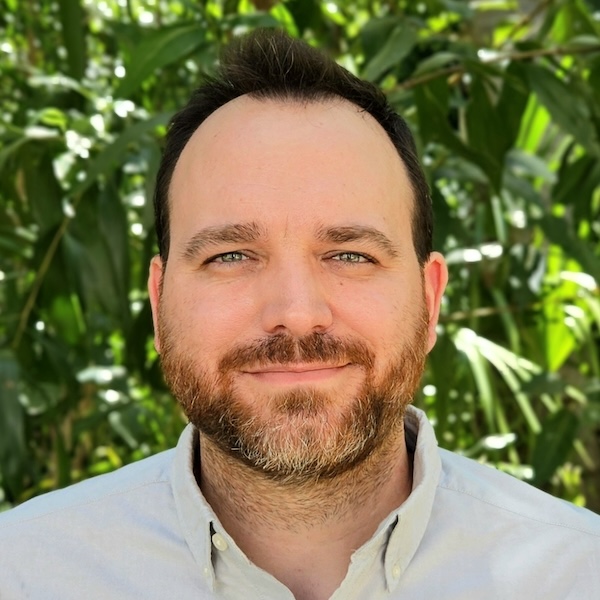
Romain Vaucher
- Senior Lecturer, Sedimentology
- romain.vaucher@jcu.edu.au

Jenny Fisher
- Associate Dean, Learning and Teaching
- jenny.fisher@jcu.edu.au
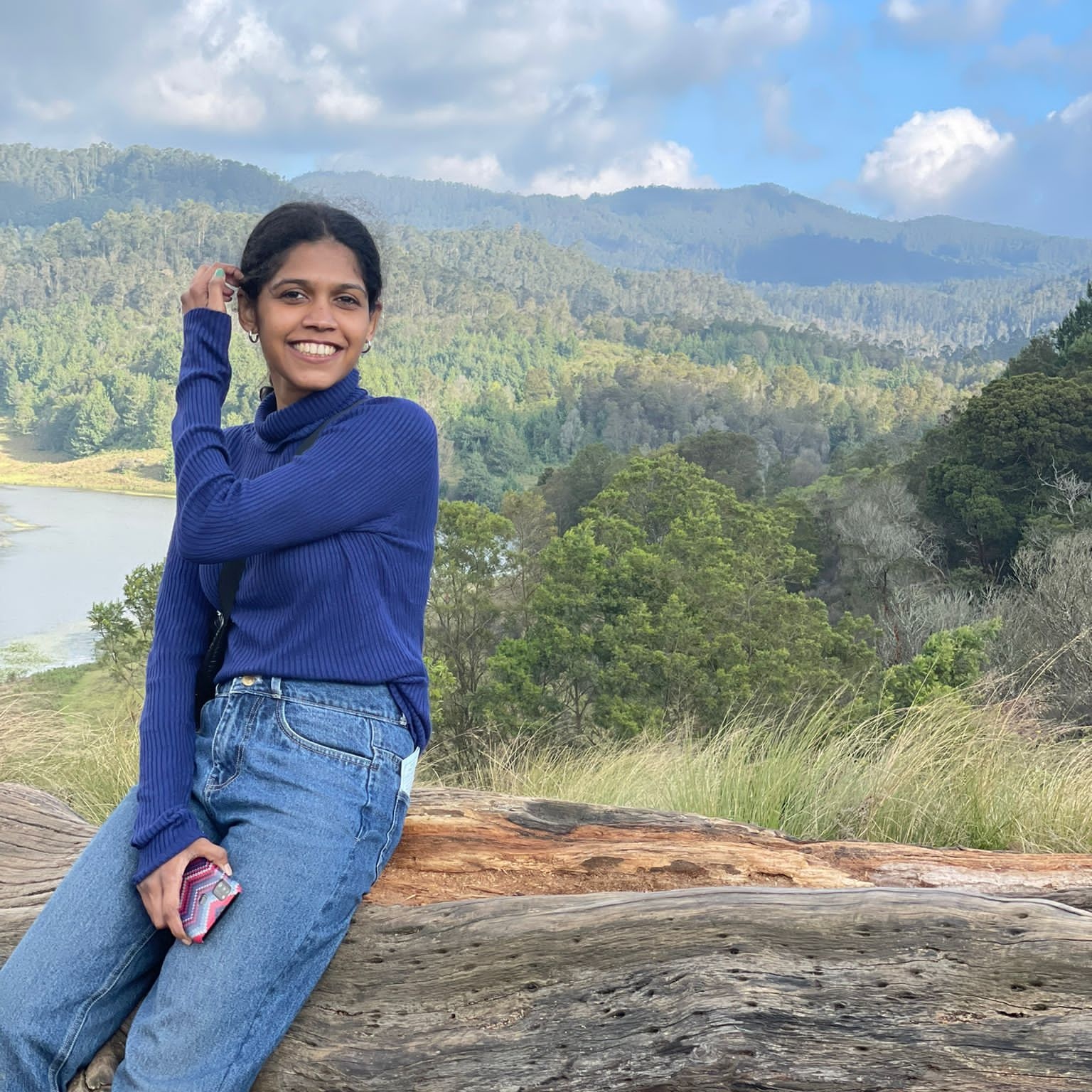
Ambili Narayanan
- Doctor of Philosophy (Natural and Physical Sciences)
- ambili.narayanan@my.jcu.edu.au

Sarfaraz Ali
- Postdoctoral Research Fellow
- sarfaraz.ali@jcu.edu.au
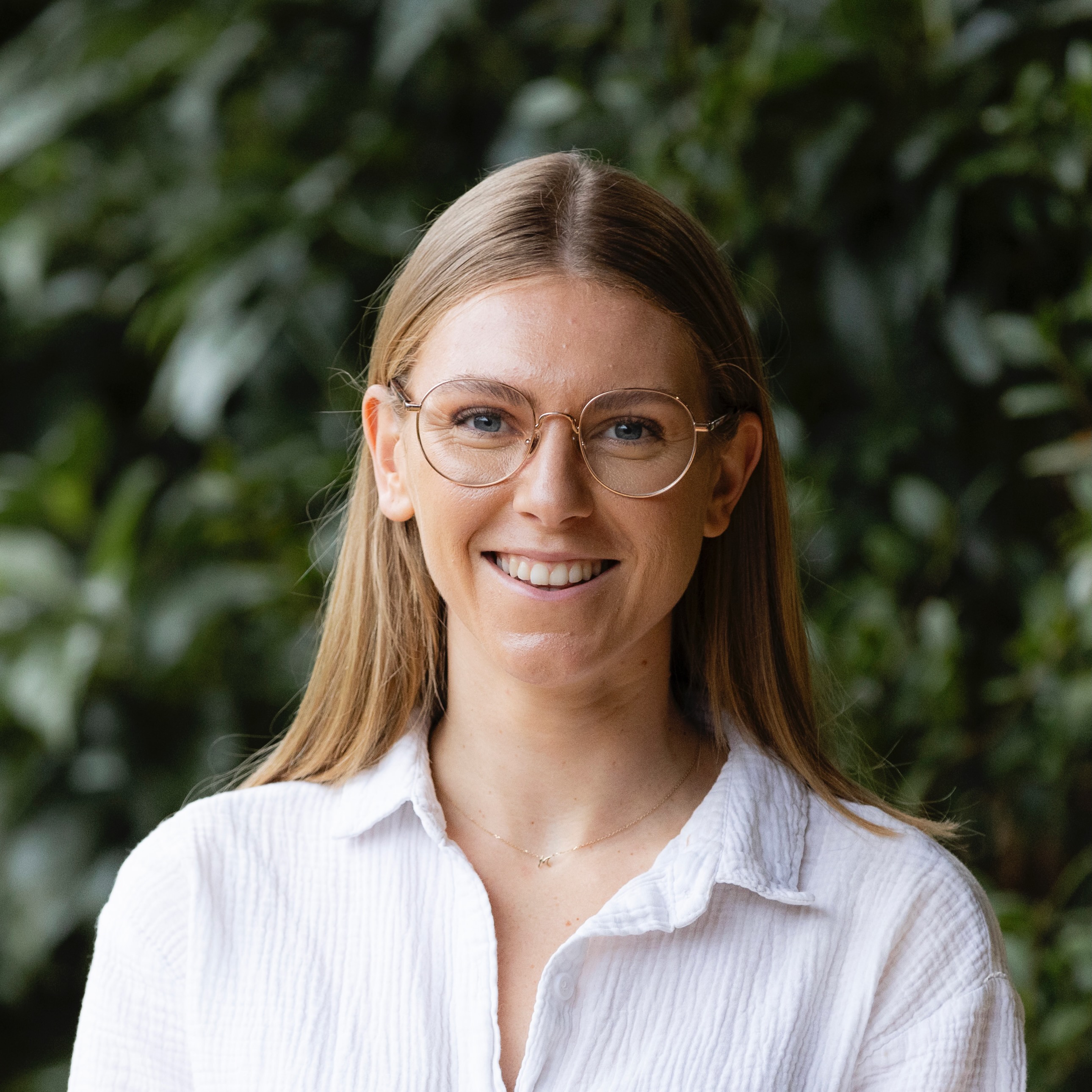
Mikaeylah Davidson
- Postdoctoral Research Fellow
- mikaeylah.davidson@jcu.edu.au
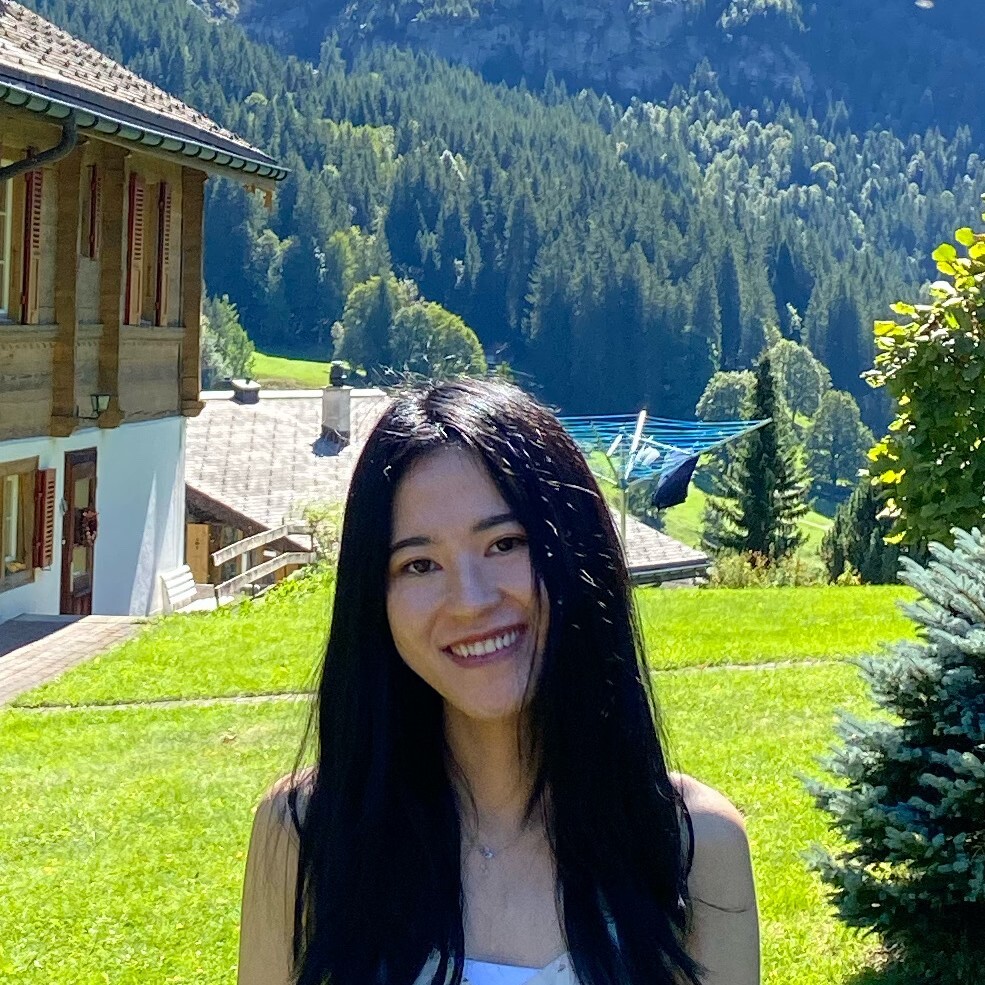
Liuxin Chen
- Lecturer
- liuxin.chen@jcu.edu.au
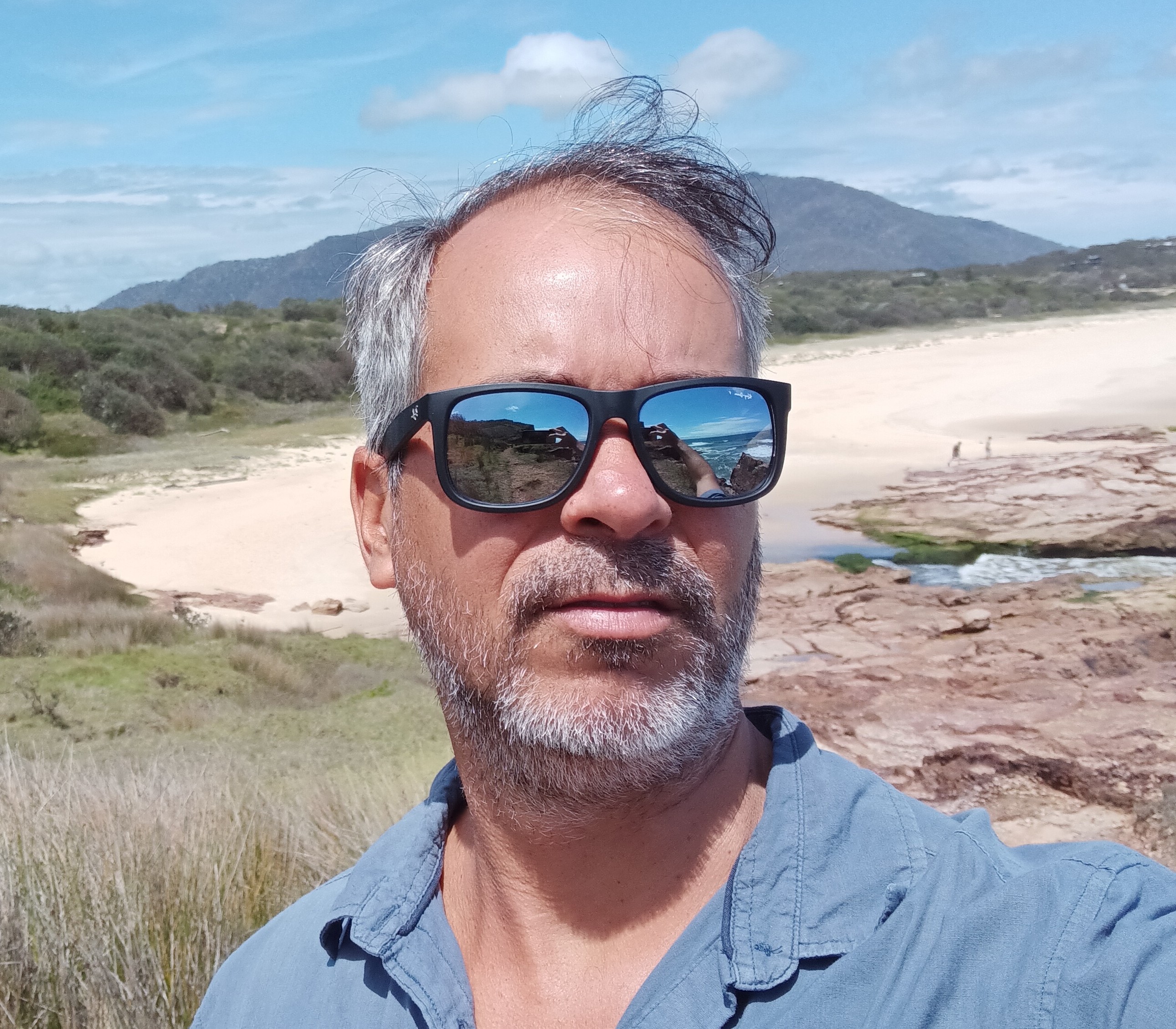
Rafael Cabral Carvalho
- Lecturer, Marine Geoscience
- rafael.cabralcarvalho@jcu.edu.au
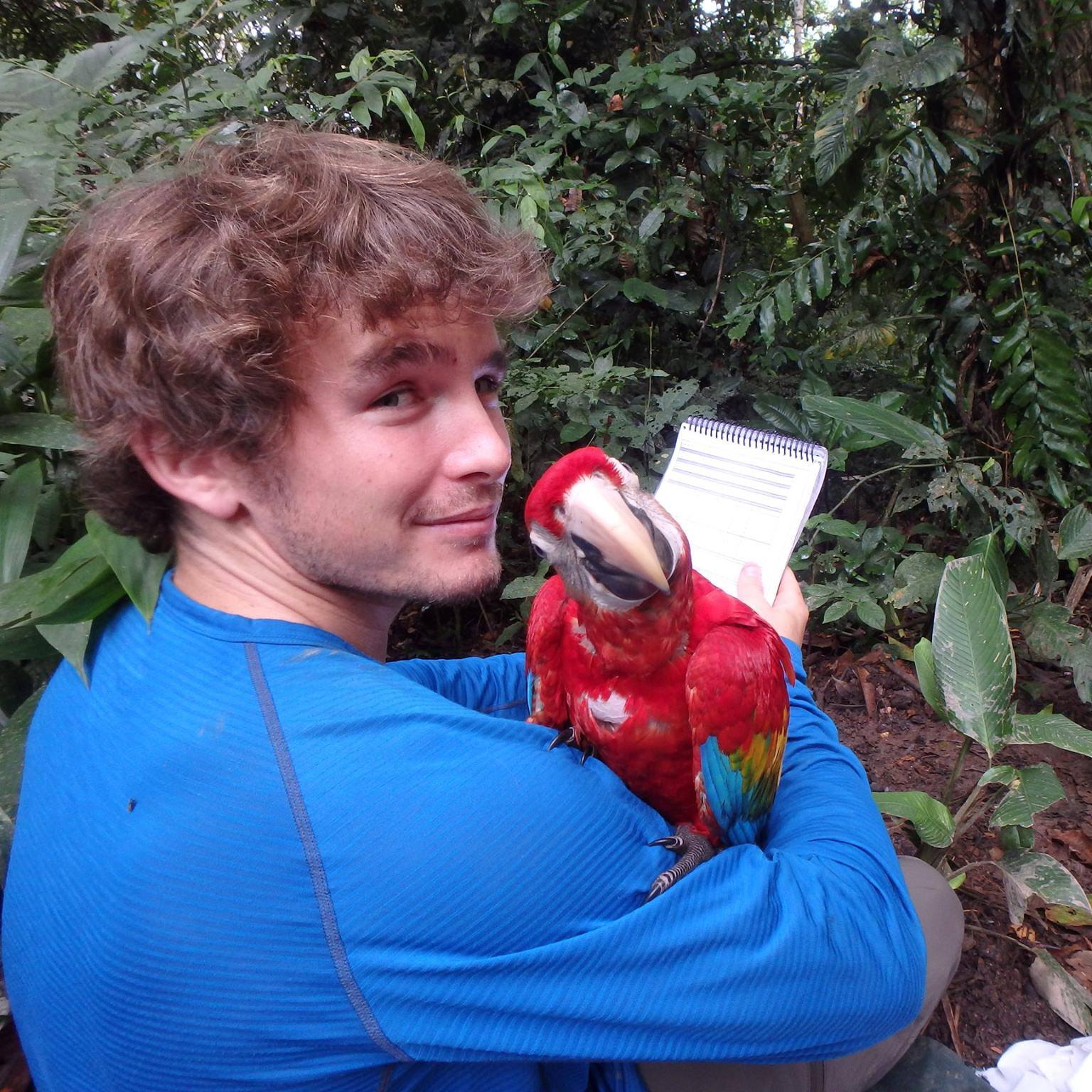
Tom Lloyd
- Postdoctoral Research Fellow, Global Ecosystems
- tom.lloyd@jcu.edu.au
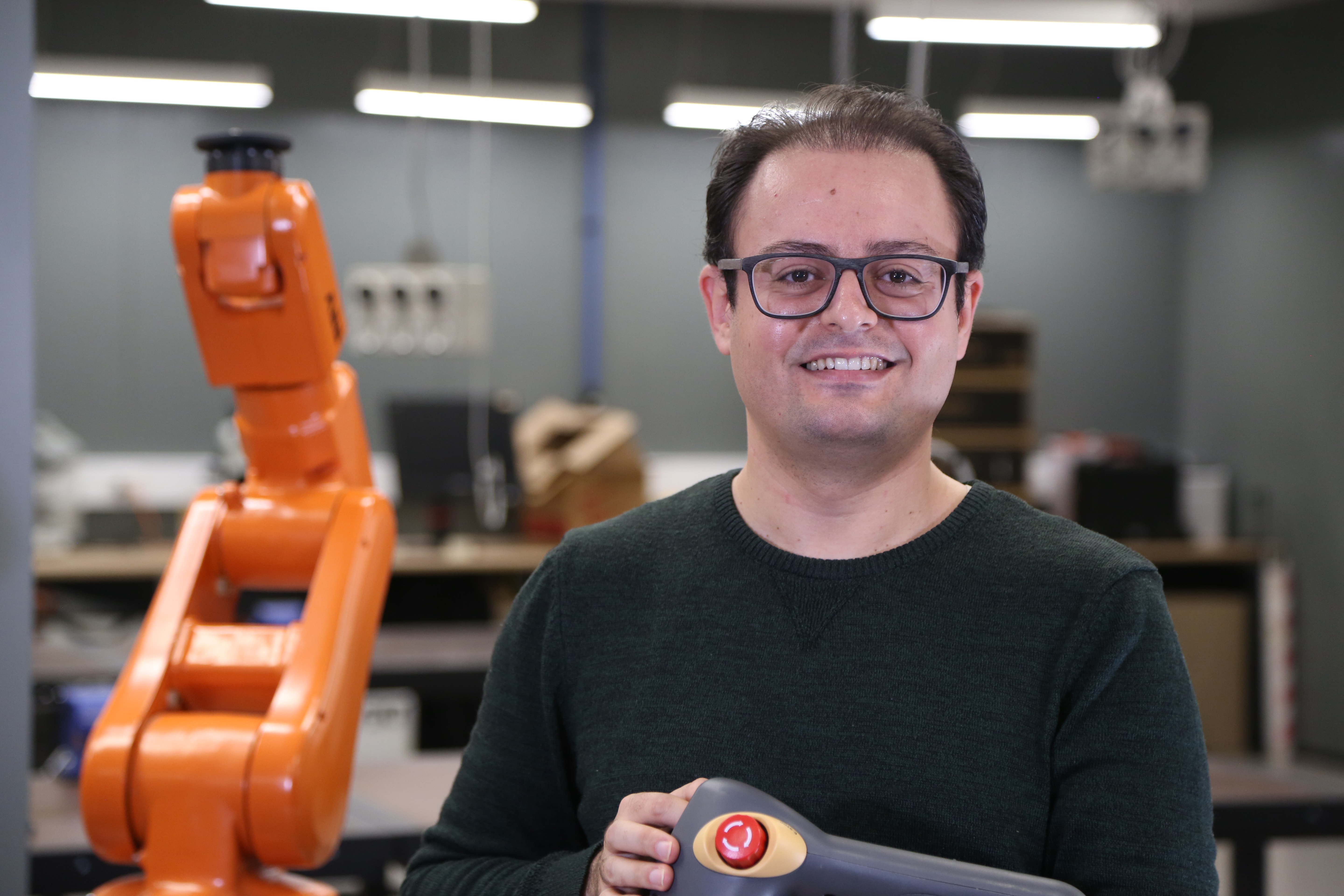
Mohamadreza Chalak Qazani
- Lecturer, Mechanical Engineering
- mohamadreza.chalakqazani@jcu.edu.au
Vibration analysis of mining industry conveyor belt systems: validation of method and pathways to improvement (Old ID 26579)
Bruce Belson
19 Aug 2019 - 19 Feb 2020
Equipment failures in the mining industry can cause serious safety hazards and substantial financial losses. An automated, cost-effective monitoring system that could be retrofitted to existing equipment would provide advance warning to operators and reduce the likelihood of unscheduled outages. This project will test and validate a vibration-based monitoring system for conveyor belts and associated equipment. It will also identify improved methods to analyse the vibration data to increase the sensitivity and/or accuracy of the alerts that are generated.
Modelling the net growth of coral reefs under climate change: the neglected role of bio-eroding sponges (Old ID 21423)
Mia Hoogenboom
01 Jan 2014 - 31 Dec 2017
The project will investigate the hypothesis that under climate change, sponges will erode coral reefs at a faster rate than corals can form reefs. If true, sponge bioerosion may make it more difficult for corals to sustain reefs under climate change. The project will use controlled experiments to determine how sponge reproduction and fitness are affected by predicted climate change conditions. These data will then be used to develop models to predict sponge fitness, sponge-coral competition, reef erosion patterns, and overall reef resilience under climate change scenarios.
Coral resilience and the optimal management of biodiversity (Old ID 23498)
Ira Cooke
15 Nov 2017 - 14 Nov 2020
One of the most pressing questions facing coral reef managers is "Will reef-building corals survive climate change?" To answer this, managers need to know how coral biodiversity responds to climatic disturbances; the potential for acclimation and adaptation; and the best ways to monitor, manage and restore biodiversity. This project will examine the resilience of coral biodiversity to disturbances and build on recently developed genomic resources to explore the genotypic traits that confer thermal tolerance. Working with government, regulatory sectors and an industry group, we aim to generate tangible outcomes and strategies to optimise the management of Australia’s coral biodiversity while engaging the public through museum-based outreach.
Developmental and labile plasticity in mating displays (Old ID 26296)
Megan Higgie
01 Jan 2019 - 31 Dec 2019
Species interactions can alter the direction of evolution of sexual traits through reproductive interference. This project will look at how male pheromone displays in the presence and absence of reproductive interference may differ after being reared under experimental sympatry and allopatry conditions. I predict that being reared in a sympatric environment will influence differing mate display pheromones and will improve the ability plastically alter pheromones when reproductive interference is present. The ability to plastically alter mate displays to avoid the negative effects of reproductive interference is highly beneficial for population viability in a changing world.
Predicting habitat vulnerable to invasion: Diet and body condition of introduced chital deer (Axis axis) in the Australian dry tropics (Old ID 27884)
Lin Schwarzkopf
09 Nov 2022 - 09 Nov 2023
This project aims to detail the dietary richness of chital deer diet, and explore the association between individual dietary quality and body condition. This will be achieved utilising faecal sample DNA metabarcoding techniques to sequence and analyse the dietary items consumed by chital deer, in combination with faecal chromatography techniques to estimate dietary quality, and exploration of animal morphometric data to investigate the variance in body condition among individuals. My results will detail the dietary items that are associated with chital deer of higher body condition, and more importantly, the dominant vegetation communities that chital deer may utilise to facilitate further range expansion.
Improving outcomes for patients with muscle wasting disease and liver cancer - SERTA Capacity Research Grant. (Old ID 28986)
Matt Field
31 Oct 2023 - 31 Oct 2025
The funding of a Research Assistant and the performance of work by the Research Assistant in connection with a program of work undertaken by the Cancer and Metabolism Group within the College of Public Health, Medicine and Veterinary Science aimed at improving outcomes for patients with muscle wasting disease and liver cancer.
2020 IBM PhD Fellowship (Old ID 26834)
Mostafa Rahimi Azghadi
01 May 2020 - 01 May 2022
To contribute to current efforts towards highly efficient hardware implementations of augmented neuromorphic architectures for edge devices using FPGAs and memristive devices.
Identification and Restoration of Intertidal Fish Nursery Habitat in the Baffle Catchment (Old ID 22982)
Nathan Waltham
01 Feb 2017 - 31 Mar 2019
This project aims to identify high intertidal fish nursery habitat pools in the Baffle Drainage Basin (BDB), assess their value to fish, evaluate the current state of their functionality, prioritise pools for restoration and identify viable restoration solutions. By involving local stakeholders, local government, regional NRM and State Government scientists and managers, a network of users will gain an understanding of how these habitats function and can be restored, based upon this baseline research.
Electron transport and scattering within the plasma-liquid interface (Old ID 27888)
Yang Liu
01 Jul 2023 - 30 Jun 2026
The synergistic interaction of low-temperature plasmas with liquids and biological matter has unearthed various technological applications in water treatment, agriculture, biofuels and medicine. Predicitive control of these multiphase plasmas is essential to unlocking the potential of these applications, and this requires predictive models. The absence of the relevant non-equilibrium transport theory describing electrons in these multiphase environments together with fundamental data describing electron interactions with biological and liquid matter severely limits this. The project will develop a state of the art transport model informed by world first measurements of electron cross-sections for biomolecules, radicals and liquids.
Improving water quality for the Great Barrier Reef and wetlands by better managing irrigation in the sugarcane farming system (Old ID 23136)
Bronson Philippa
01 Jan 2017 - 01 Apr 2020
This project will work in partnership with industry, extension, NRM, research and government organisations to develop and deploy an irrigation system that is automatically controlled by remotely accessing feedback from the IrrigWeb decision support tool. Irrigweb provides optimal irrigation schedules on a paddock-by-paddock basis by linking information abut climate, soils and management regimes. If new water quality targets as specified in the revised Burdekin Water Quality Improvement Plan are to by met by 2025, it will be critical to establish pathways that enable industry partners to capitalise on new technologies.
Organic matter, sodicity and soil structure
- 1998
- Oxford University Press
- Researchers:Paul Nelson
Argument free clustering via boundary extraction for massive point-data Sets
- 2002
- Researchers:Ickjai Lee
Start Date:
01 Jan 2019
Start Date:
01 Jan 2018
End Date:
01 Jan 2019
Start Date:
01 Jan 2015
End Date:
01 Jan 2017
Start Date:
01 Jan 2026
End Date:
01 Jan 2030
Start Date:
01 Jan 2006
End Date:
01 Jan 2008
Start Date:
01 Jan 2018
Start Date:
01 Jan 2013
End Date:
01 Jan 2014
Start Date:
01 Jan 2018
End Date:
01 Jan 2019
Start Date:
01 Jan 2014
Start Date:
01 Jan 2015