
College of Science & Engineering

Sophia Love
- Doctor of Philosophy (Natural and Physical Sciences)
- sophie.love@jcu.edu.au
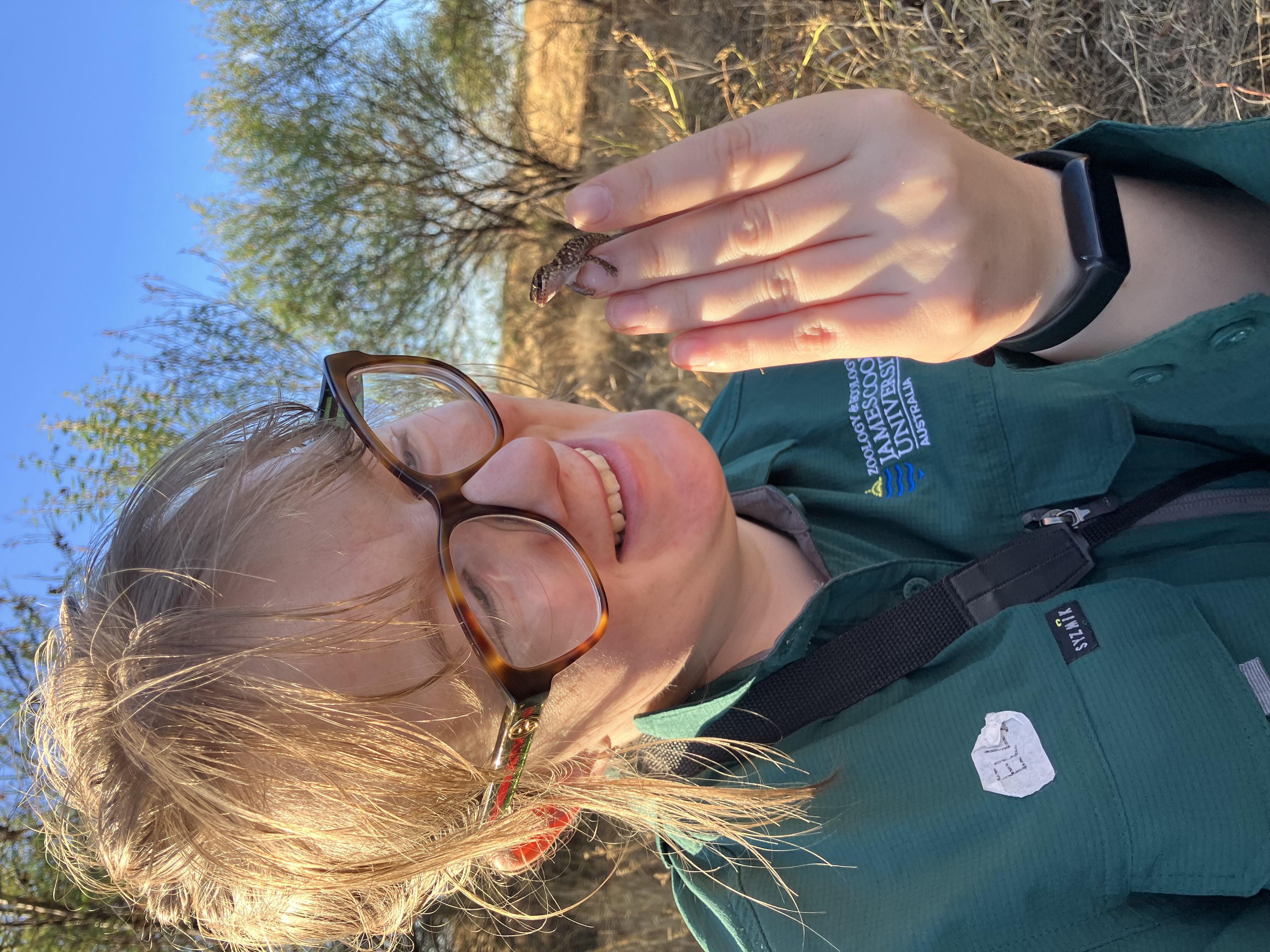
Elle Robertson
- Doctor of Philosophy (Agriculture, Environmental and Related Studies)
- elle.robertson@jcu.edu.au
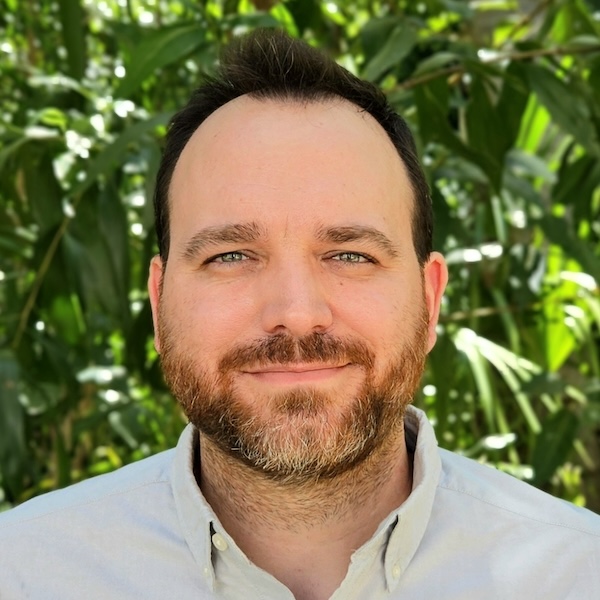
Romain Vaucher
- Senior Lecturer, Sedimentology
- romain.vaucher@jcu.edu.au

Jenny Fisher
- Associate Dean, Learning and Teaching
- jenny.fisher@jcu.edu.au

Ambili Narayanan
- Doctor of Philosophy (Natural and Physical Sciences)
- ambili.narayanan@my.jcu.edu.au

Sarfaraz Ali
- Postdoctoral Research Fellow
- sarfaraz.ali@jcu.edu.au
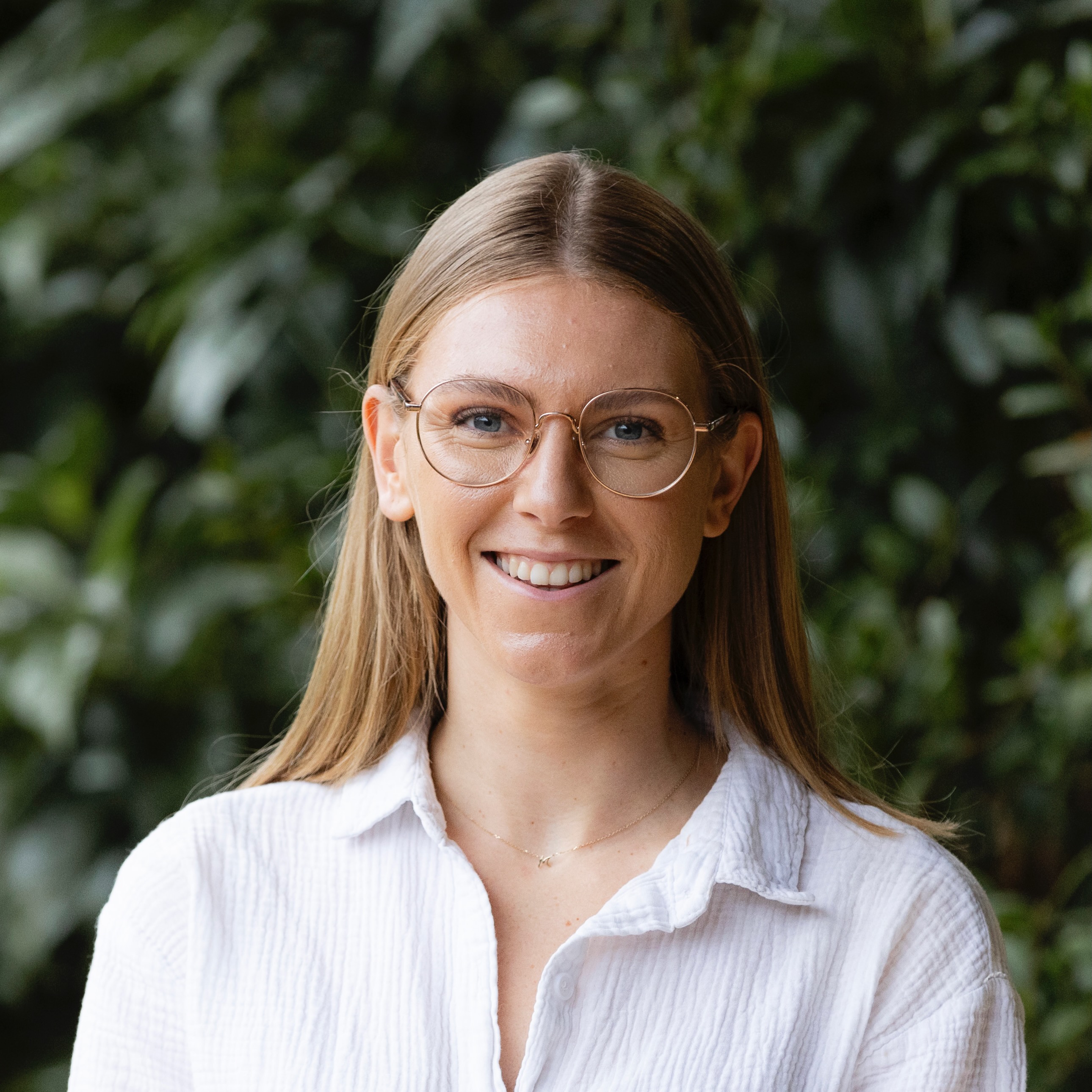
Mikaeylah Davidson
- Postdoctoral Research Fellow
- mikaeylah.davidson@jcu.edu.au
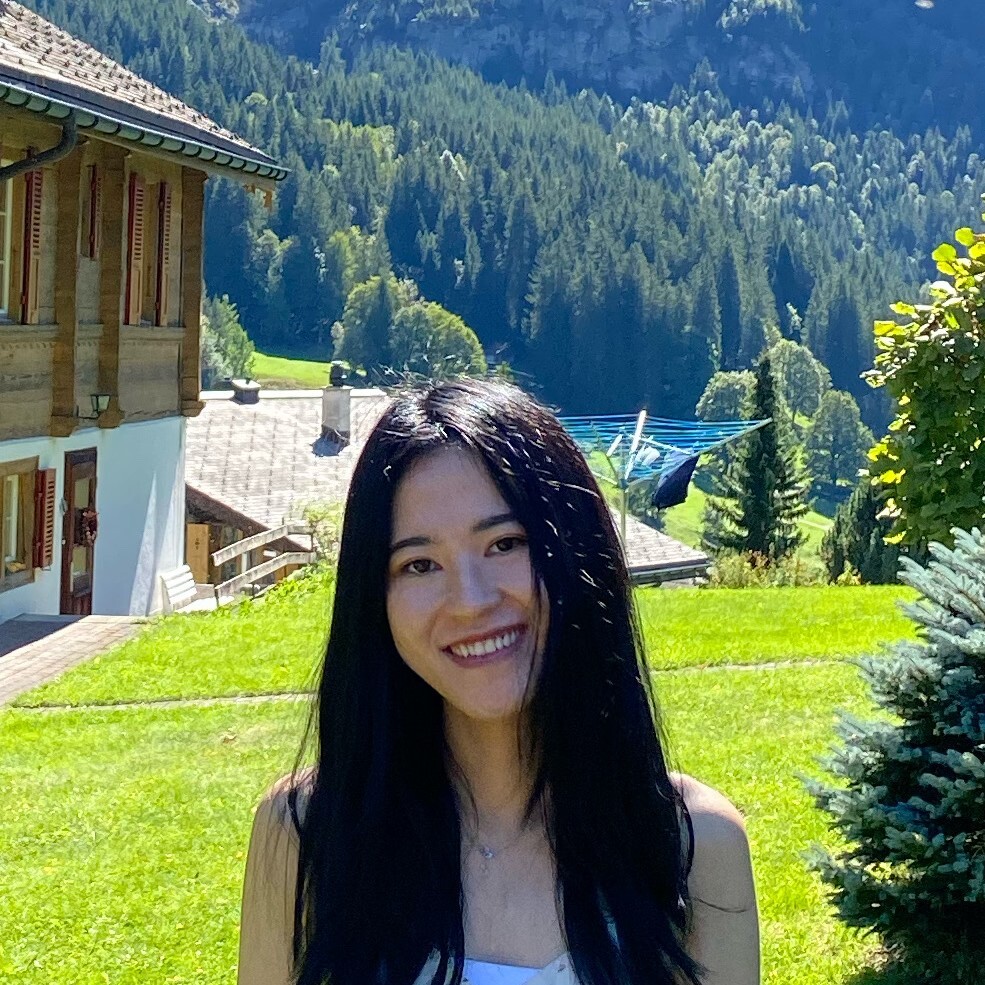
Liuxin Chen
- Adjunct Lecturer
- liuxin.chen@jcu.edu.au

Rafael Cabral Carvalho
- Lecturer, Marine Geoscience
- rafael.cabralcarvalho@jcu.edu.au
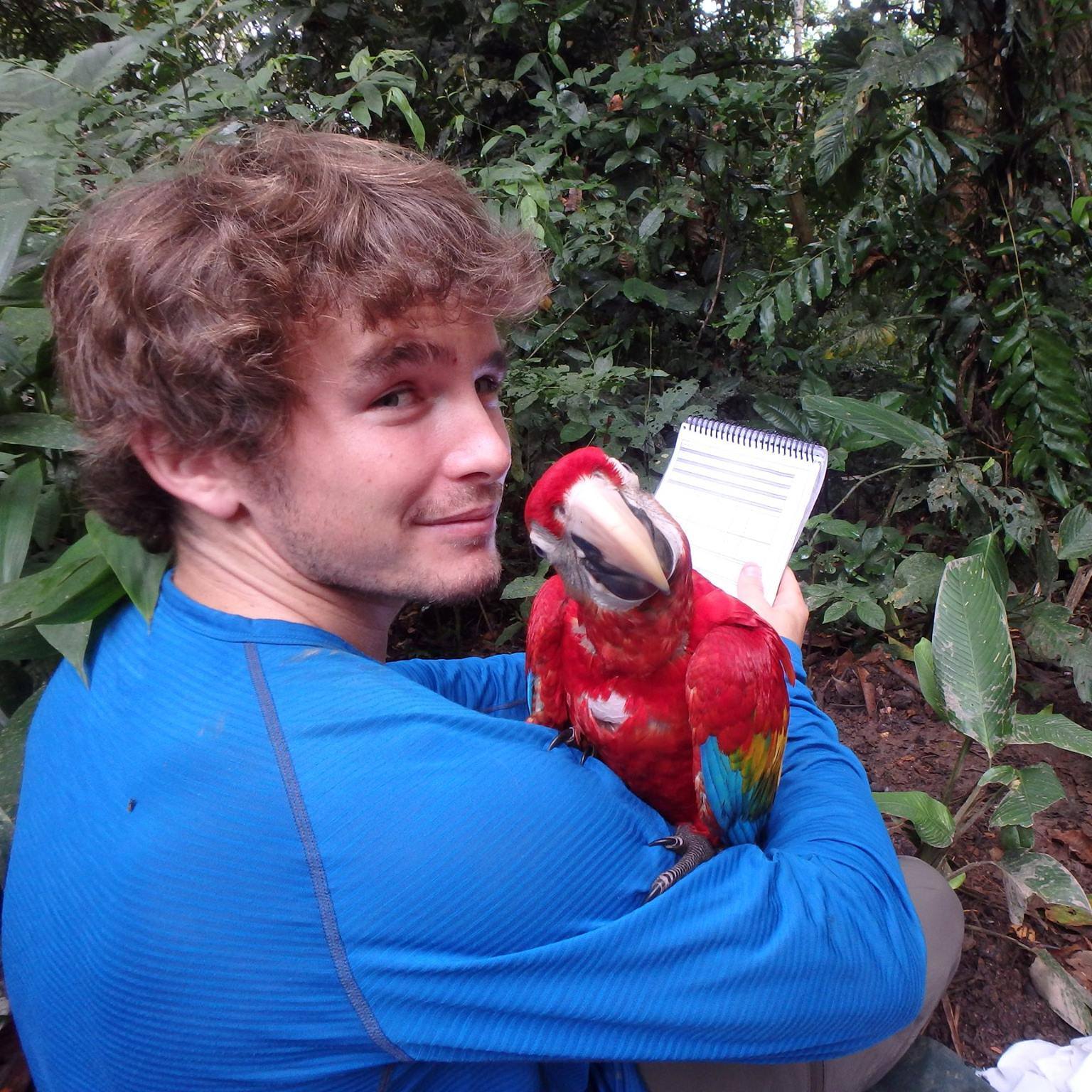
Tom Lloyd
- Postdoctoral Research Fellow, Global Ecosystems
- tom.lloyd@jcu.edu.au
Weed impacts on ten of the most threatened plant species of the Australian wet tropics
One commonly stated threat to plant species conservation is displacement by invasive plants. However, very little quantitative information is available about the actual presence, abundance, and impact of invasives on individual threatened plant species. We have selected ten of the most threatened plant species of the wet tropics for which there are anecdotal reports of threats by invasives, as reported by the Species Profile and Threats Database. This project will remove or minimise immediate weed threats for ten of the most threatened species in the wet tropics, it will also establish a baseline for measuring impacts of invasive plants on plant conservation, for which there is currently a dearth of quantitative information, and it will develop a weed risk assessment tool to prioritize management interventions for weed threats.
Decoding the genomic basis underpinning Southern Ocean ecosystem resilience to change
This project applies traditional and latest genome sequencing technologies to advance the knowledge of nature's natural evolutionary solutions against climate changes. Expected outcomes of this project include uncovering novel genome structures and gene functions that underpin Southern Ocean species’ adaptation capabilities to climate changes.
Restoration Grassroots ACRN
Working with community groups to examine restoration outcomes and approaches by grass root groups
Restoration Grassroots ACRN
Working with community groups to examine restoration outcomes and approaches by grass root groups
Sustainable REE extraction from Australian ores using environmentally friendly reagents, advanced characterisation techniques and geological knowledge
This project aims to improve the sustainable extraction of rare earths from Australian ores using environmentally friendly reagents.
Sustainable REE extraction from Australian ores using environmentally friendly reagents, advanced characterisation techniques and geological knowledge
This project aims to improve the sustainable extraction of rare earths from Australian ores using environmentally friendly reagents.
Sustainable REE extraction from Australian ores using environmentally friendly reagents, advanced characterisation techniques and geological knowledge
This project aims to improve the sustainable extraction of rare earths from Australian ores using environmentally friendly reagents.
Sustainable REE extraction from Australian ores using environmentally friendly reagents, advanced characterisation techniques and geological knowledge
This project aims to improve the sustainable extraction of rare earths from Australian ores using environmentally friendly reagents.
Optimising the geophysical ore body model to aid in the discovery of new critical mineral deposits
This project aims to develop advanced geophysical tools that can help exploration companies identify critical mineral resources. Current geophysical exploration methods—such as magnetic, electric, gravimetric, magnetotelluric, radiometric, and seismic surveys—are commonly used in the industry to detect geophysical anomalies. However, many detected anomalies do not contain mineralization due to a lack of tools to identify the specific geophysical signatures of ore bodies.
Our goal is to create tools that enable explorers to distinguish between barren and mineralized anomalies, enhancing the accuracy of mineral discovery. Currently, there is limited knowledge on the specific geophysical responses of mineralized ore bodies. Some preliminary research by CSIRO on IOCG deposits in Cloncurry suggests that combining geological and petrophysical data can model an ore body's geophysical response.
Organic matter, sodicity and soil structure
- 1998
- Oxford University Press
- Researchers:Paul Nelson
Start Date:
01 Jan 2023
Start Date:
01 Jan 2014
Start Date:
01 Jan 2026
Reseracher:
Ioan Sanislav
(Associate Professor and Director, Resources and Critical Minerals Trailblazer)
Start Date:
01 Jan 2026
Start Date:
01 Jan 2023
End Date:
01 Jan 2023
Start Date:
01 Jan 2021
End Date:
01 Jan 2021
Start Date:
01 Jan 2026
Start Date:
01 Jan 2026
Start Date:
01 Jan 2026
Title:
Overall Winner James Cook University Citation for Outstanding Contributions to Student Learning
Start Date:
01 Jan 2022