
College of Science & Engineering

Sophia Love
- Doctor of Philosophy (Natural and Physical Sciences)
- sophie.love@jcu.edu.au
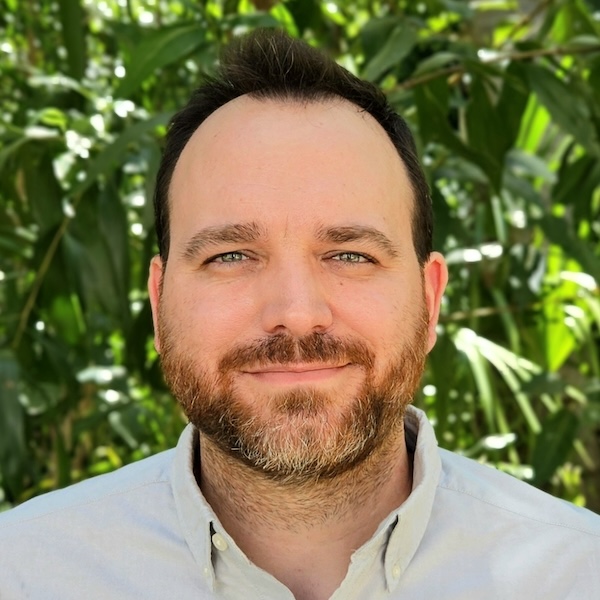
Romain Vaucher
- Senior Lecturer, Sedimentology
- romain.vaucher@jcu.edu.au
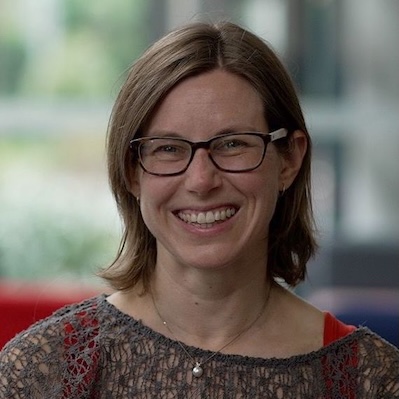
Jenny Fisher
- Associate Dean, Learning and Teaching
- jenny.fisher@jcu.edu.au

Ambili Narayanan
- Doctor of Philosophy (Natural and Physical Sciences)
- ambili.narayanan@my.jcu.edu.au

Sarfaraz Ali
- Postdoctoral Research Fellow
- sarfaraz.ali@jcu.edu.au
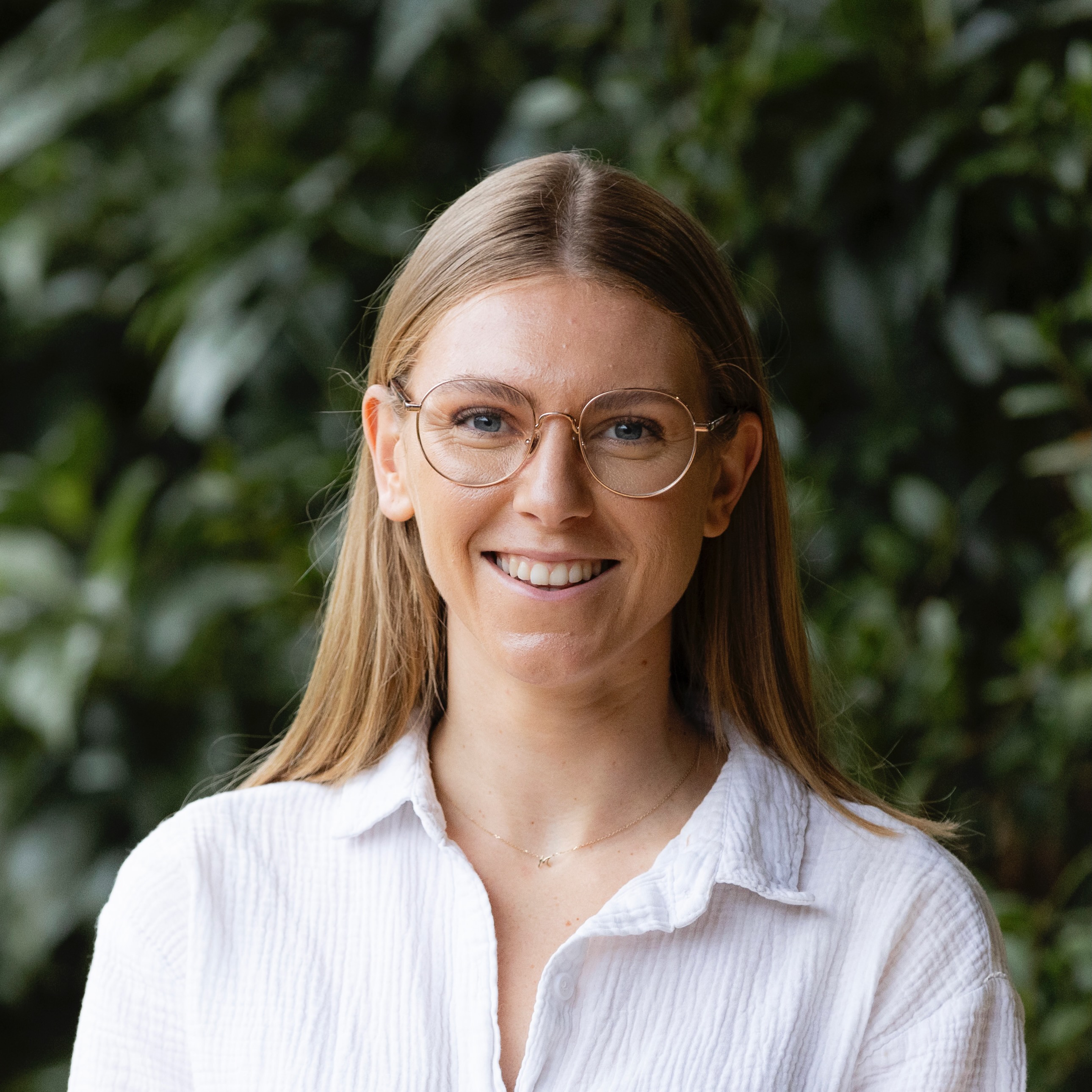
Mikaeylah Davidson
- Postdoctoral Research Fellow
- mikaeylah.davidson@jcu.edu.au
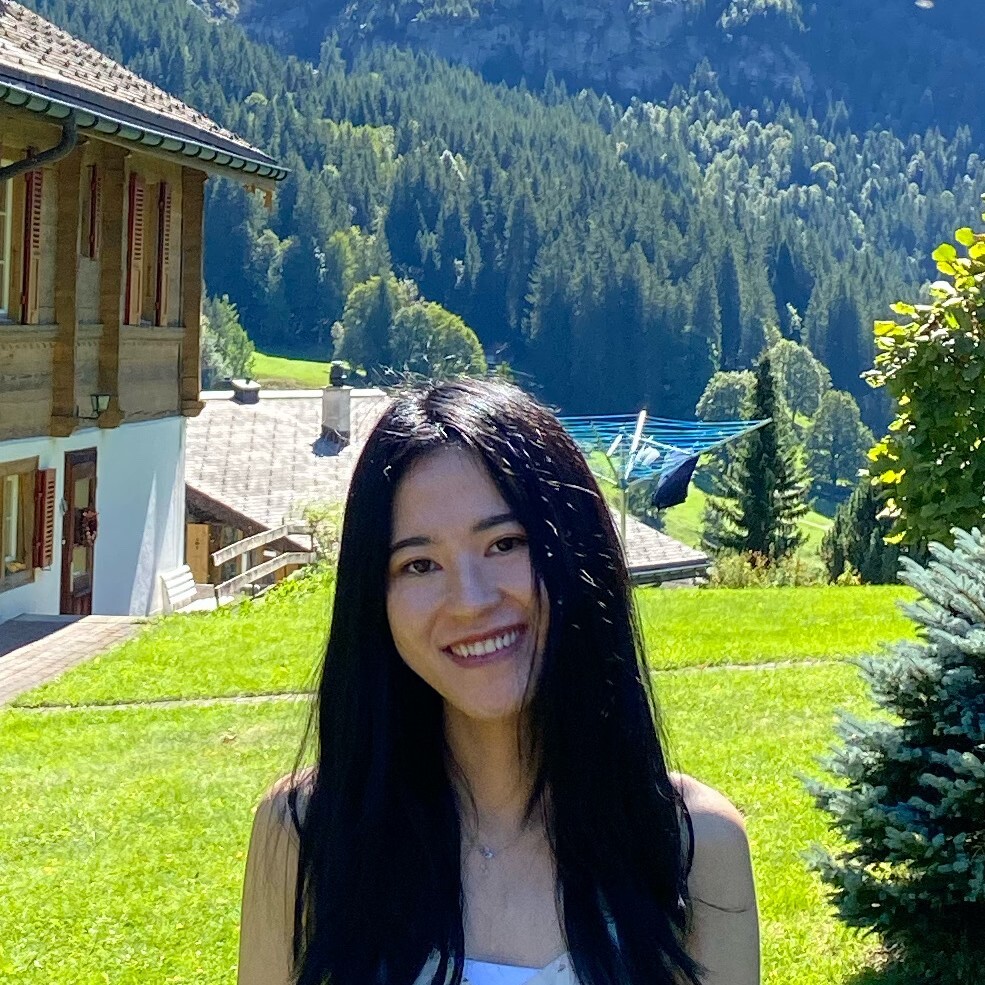
Liuxin Chen
- Lecturer
- liuxin.chen@jcu.edu.au
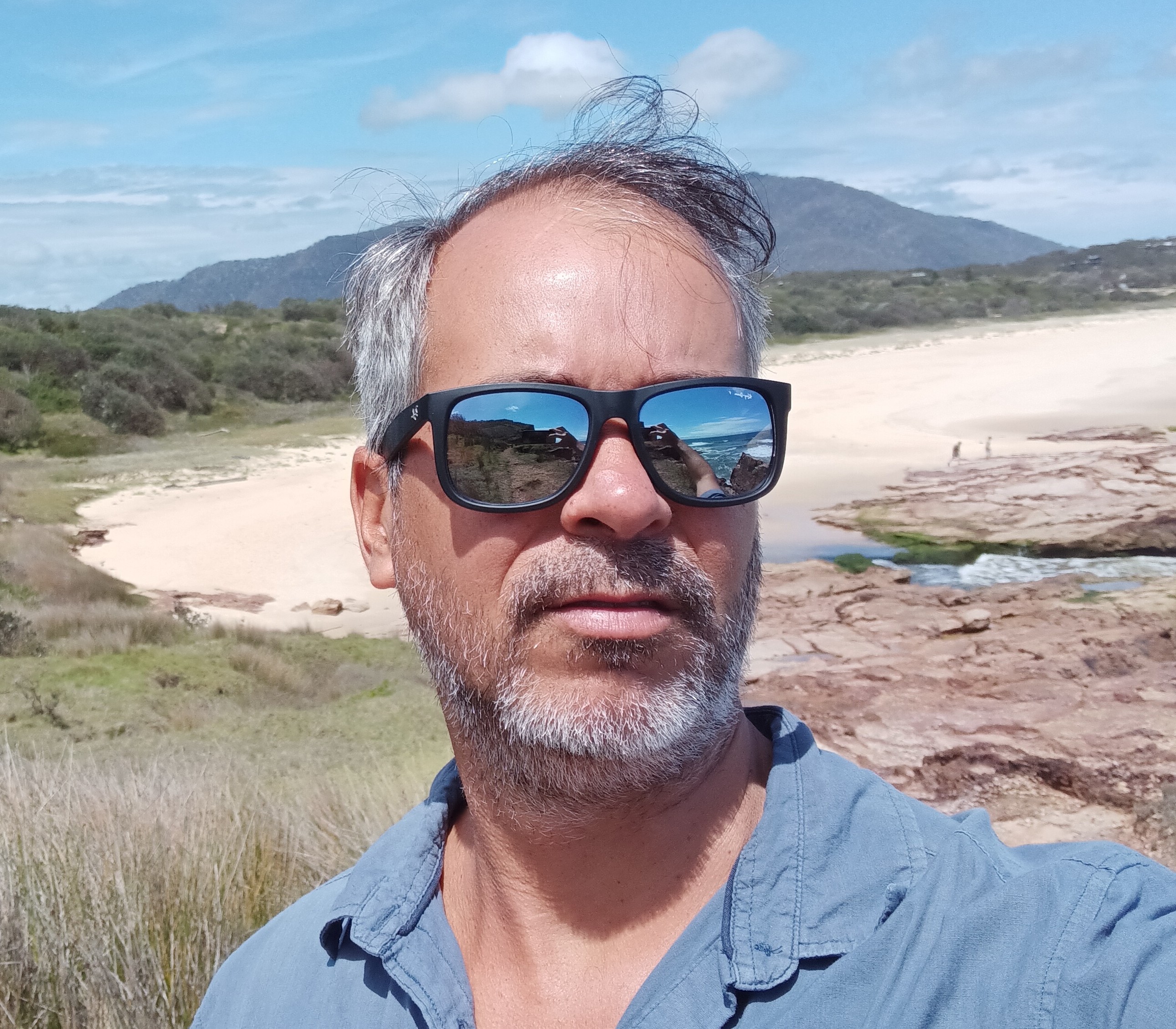
Rafael Cabral Carvalho
- Lecturer, Marine Geoscience
- rafael.cabralcarvalho@jcu.edu.au
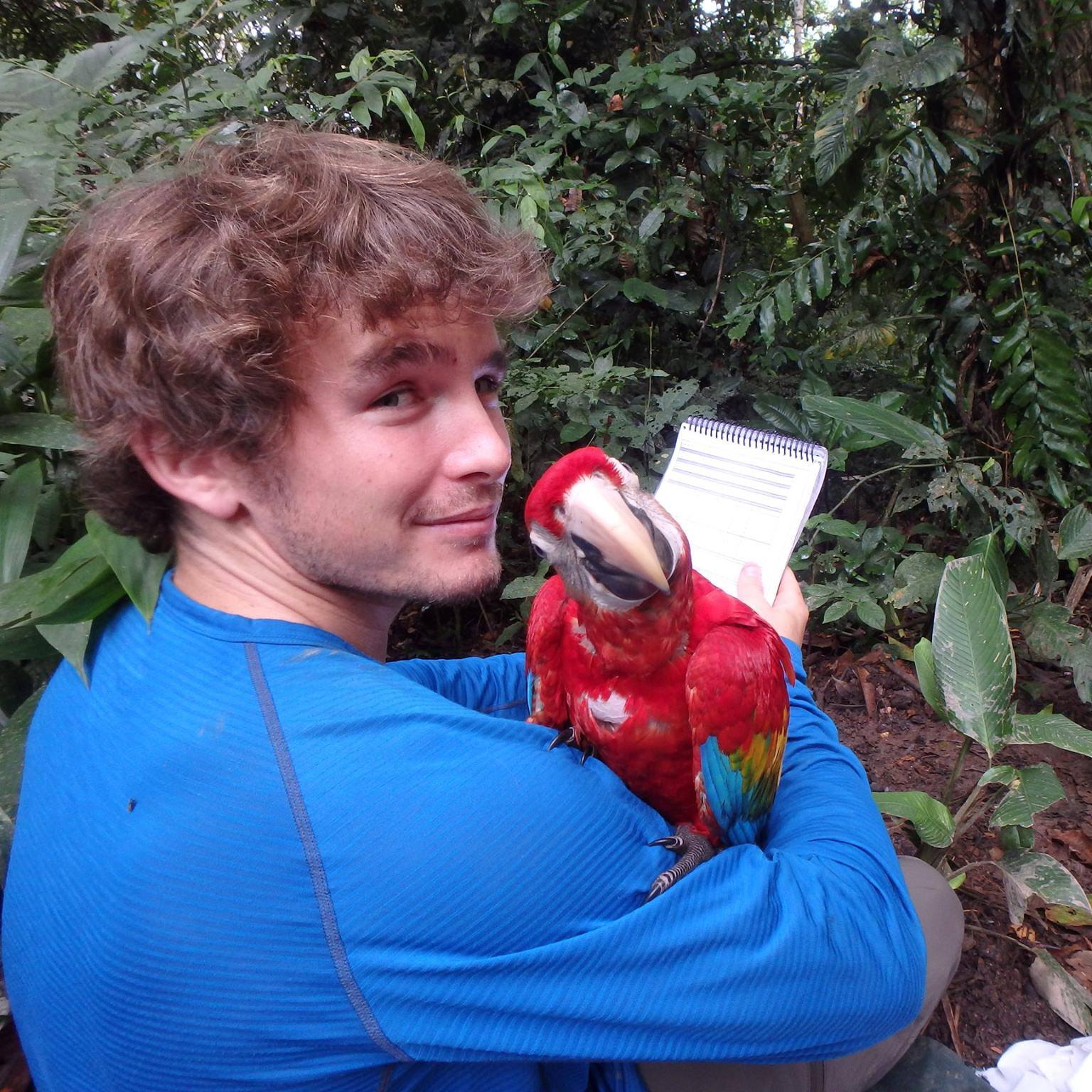
Tom Lloyd
- Postdoctoral Research Fellow, Global Ecosystems
- tom.lloyd@jcu.edu.au
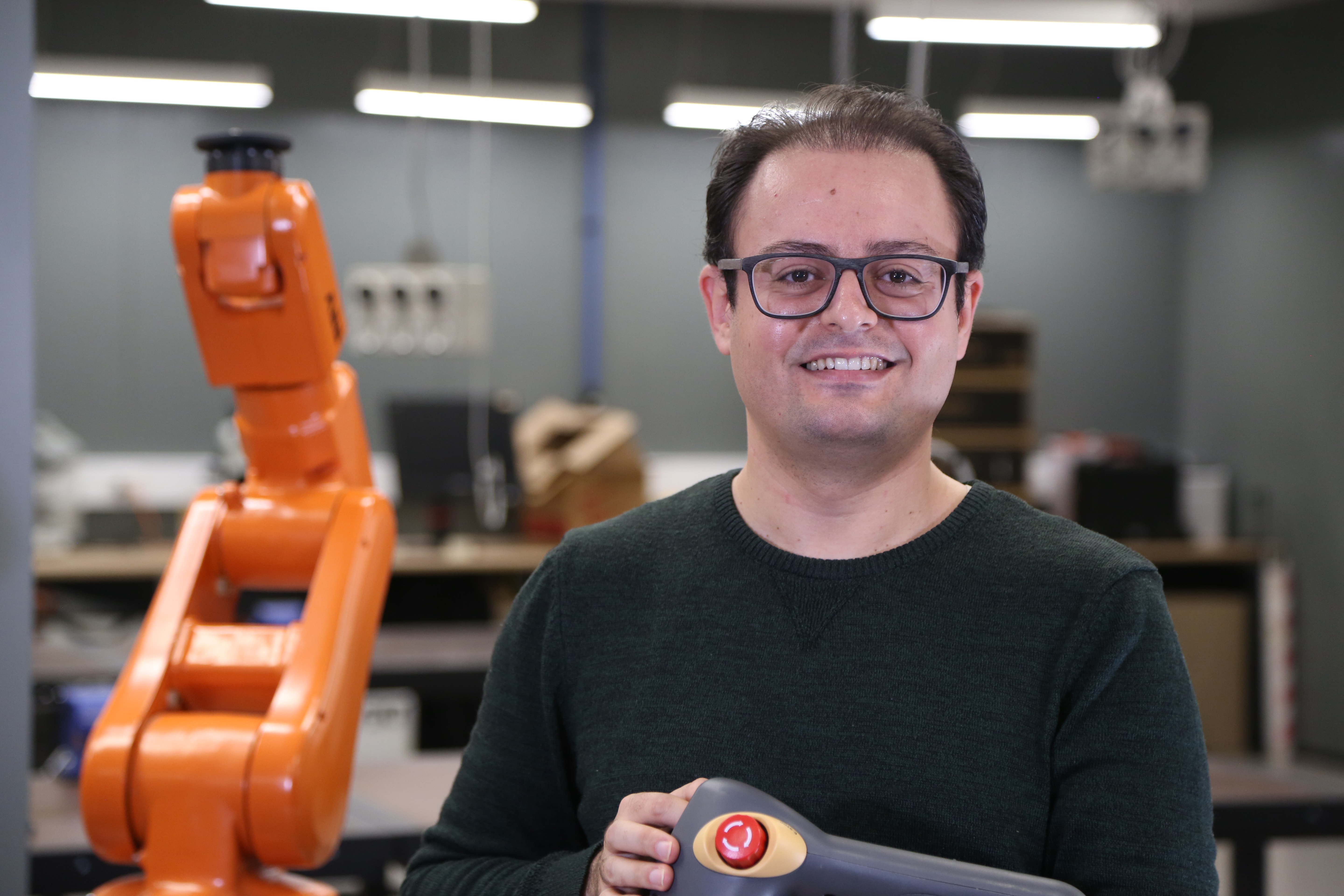
Mohamadreza Chalak Qazani
- Lecturer, Mechanical Engineering
- mohamadreza.chalakqazani@jcu.edu.au
CABAH Cadetship Scheme: Research management cadetship (Old ID 28930)
Michael Bird
05 Apr 2023 - 10 Jan 2024
Magdalena will be trained in research management at the Reef and Rainforest Research Centre (RRRC), a non-profit organisation in Cairns. She will gain experience in research-informed conservation, government policy development, and community economic development in the tropics (Northern Australia, the Torres Strait Islands, and Papua New Guinea).
Distribution, ecology and conservation of the Magnificent Broodfrog (Pseudophryne covacevichae) in the mountains of north Queensland (Old ID 30045)
Conrad Hoskin
15 Apr 2023 - 15 Apr 2025
This project aims to resolve the knowledge gaps surrounding the ecology and key threatening processes to the Magnificent Broodfrog, Pseudophryne covacevichae (MBF). We will do this by determining appropriate survey methods, investigating aspects of breeding behaviour and the associated climatic conditions; resolving the fine-scale distribution, determining connectivity among the known populations, and determining genetic diversity within populations.
Intensification of the redclaw crayfish (Cherax quadricarinatus) industry: the importance of sperm quality and male fertility to productivity. (Old ID 27082)
Leo Nankervis
14 Jan 2021 - 31 Dec 2024
Expansion of the redclaw aquaculture industry is limited by suboptimal methods to produce fertilized eggs and craylings for pond production. Improvement of reproductive efficiency is dependent on several factors as well as understanding the underlying causes of subfertility. This project seeks to develop advanced reproductive technologies to characterise sperm quality; establish optimal diets; and develop artificial fertilization and sperm cryopreservation techniques for superior male broodstock to accelerate selective breeding.
Intensification of the redclaw crayfish (Cherax quadricarinatus) industry: the importance of sperm quality and male fertility to productivity. (Old ID 27082)
John Cavalieri
14 Jan 2021 - 31 Dec 2024
Expansion of the redclaw aquaculture industry is limited by suboptimal methods to produce fertilized eggs and craylings for pond production. Improvement of reproductive efficiency is dependent on several factors as well as understanding the underlying causes of subfertility. This project seeks to develop advanced reproductive technologies to characterise sperm quality; establish optimal diets; and develop artificial fertilization and sperm cryopreservation techniques for superior male broodstock to accelerate selective breeding.
Ecological implications of macroalgal removal for localised inshore reef restoration (Old ID 27319)
Hillary Smith
30 Jul 2021 - 30 Jul 2022
The growing dominance of fleshy macroalgae in many inshore coral reef ecosystems is recognised as a threat to ecosystem functioning and people dependent on coral reefs for their livelihoods. Physically removing macroalgae is proposed as an approach to free up space for coral recovery on algal-dominated reefs. The current state of knowledge surrounding macroalgal removal (reviewed in 2018) highlighted knowledge gaps related to physical and ecological consequences of macroalgal removal. This project aims to improve understanding of the ecosystem-wide impacts of macroalgal removal and determine its potential as a localised restoration strategy for inshore reefs increasingly impacted by anthropogenic threats.
North Queensland Proterozoic Metallogenesis (Old ID 27601)
Helen McCoy-West
06 Jun 2022 - 05 Jun 2024
This project will assess the metallogenic potential of the Croydon and southern Etheridge provinces including their potential to host critical mineral resources
FIS/2013/015 Sustainable Management of Sport Fisheries for Communities in Papua New Guinea (Old ID 21249)
Amy Diedrich
01 Mar 2014 - 30 Nov 2018
The project aims to conduct the ecological, fisheries, social, business and tourism research needed to develop a viable local-based sport fishery for Black Bass in Papua New Guinea that can provide alternative livelihoods for local people.
Applying environmental DNA (eDNA) methods for Yellow crazy ant detection, a sensitive and less labour-intensive approach to invasive ant detection. (Old ID 27191)
Lori Lach
16 Apr 2021 - 30 Apr 2025
Invasive invertebrates in Australia are estimated to impact agricultural production losses by $4.7 billion annually and cost up to $8 billion annually considering all impacts and expenses. More specifically, invasive ants are a significant threat to agricultural production, biodiversity, tourism, personal property, and local business and industry. Current methods for invasive ant detection (i.e. baited traps or cards, pitfall traps, and detection dogs) rely on trapping, smelling, or sighting active individuals and are therefore labour-intensive, costly, and highly reliant on weather conditions. The proposed project will apply environmental DNA methods for yellow crazy ant (YCA) detection. YCA has been listed as a high priority species under the National Invasive Ant Biosecurity Plan 2018-2028, and will be used as a case study. The proposed methodology could be applied to the existing infestations and taken up by farmers, as well as being applied to other terrestrial pests.
Supply of Impact Resistance (part 2) (Old ID 23212)
John Ginger
01 Mar 2017 - 31 Jan 2018
Collaborative project with Queensland Government to determine defining properties of variability and risk of wind driven debris impact testing in order to develop uniform code / standard for assessment of materials for cyclone shelters etc.
Smart Ear Tag for Livestock (Old ID 23414)
Bronson Philippa
29 Sep 2017 - 31 Mar 2021
CeresTag is investing in the development of a smart ear tag for livestock to enable near real-time geo-location and health monitoring. The developed ear tag will be compliant with the current NLIS identification system and cost only marginally more than existing tags. This technology will revolutionise the industry through enhanced animal welfare, improved land management practices and increased profitability. It will form the starting point of block chain traceability that will underpin the continued success of this important component of the Australian economy and help maintain the premium status of Australian livestock products.
Organic matter, sodicity and soil structure
- 1998
- Oxford University Press
- Researchers:Paul Nelson
Argument free clustering via boundary extraction for massive point-data Sets
- 2002
- Researchers:Ickjai Lee
Start Date:
01 Jan 2006
Start Date:
01 Jan 2015
End Date:
01 Jan 2017
Title:
Best Research Paper Award
Start Date:
01 Jan 2018
Start Date:
01 Jan 2020
Start Date:
01 Jan 2022
Start Date:
01 Jan 2022
Start Date:
01 Jan 2021
Start Date:
01 Jan 2018
Start Date:
01 Jan 2014
Start Date:
01 Jan 2013