
College of Science & Engineering

Sophia Love
- Doctor of Philosophy (Natural and Physical Sciences)
- sophie.love@jcu.edu.au

Romain Vaucher
- Senior Lecturer, Sedimentology
- romain.vaucher@jcu.edu.au

Jenny Fisher
- Associate Dean, Learning and Teaching
- jenny.fisher@jcu.edu.au

Ambili Narayanan
- Doctor of Philosophy (Natural and Physical Sciences)
- ambili.narayanan@my.jcu.edu.au

Sarfaraz Ali
- Postdoctoral Research Fellow
- sarfaraz.ali@jcu.edu.au

Mikaeylah Davidson
- Postdoctoral Research Fellow
- mikaeylah.davidson@jcu.edu.au

Liuxin Chen
- Lecturer
- liuxin.chen@jcu.edu.au
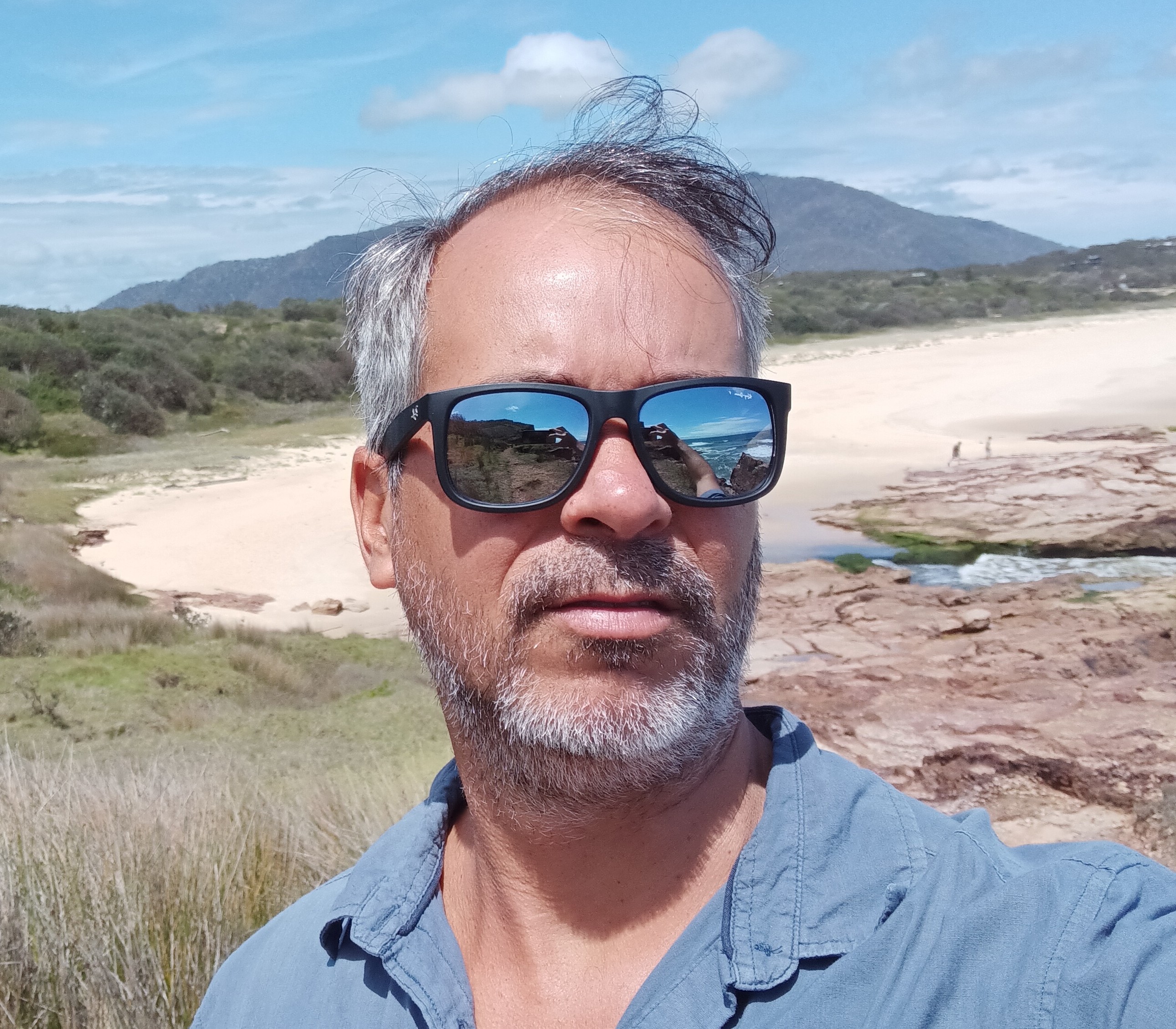
Rafael Cabral Carvalho
- Lecturer, Marine Geoscience
- rafael.cabralcarvalho@jcu.edu.au
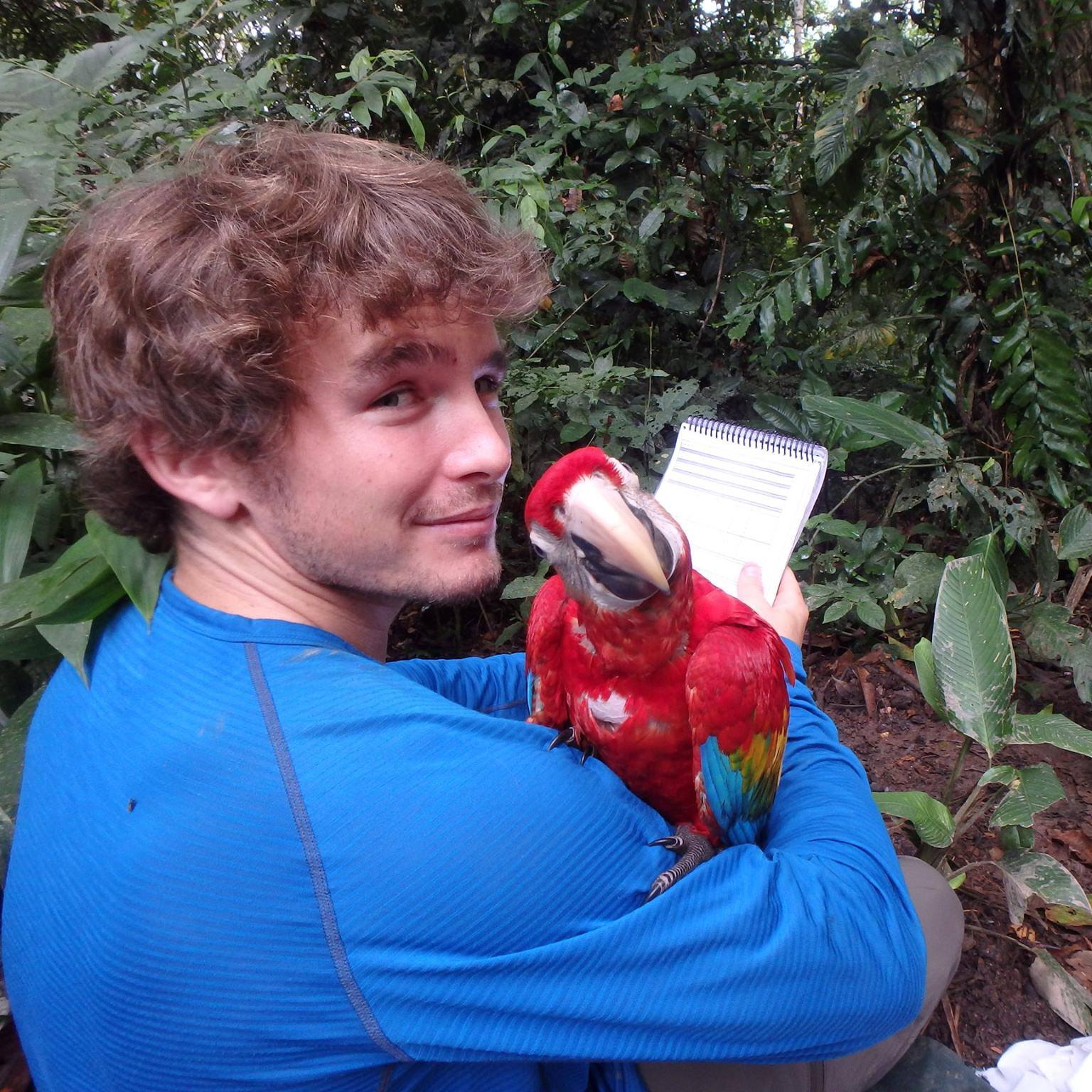
Tom Lloyd
- Postdoctoral Research Fellow, Global Ecosystems
- tom.lloyd@jcu.edu.au
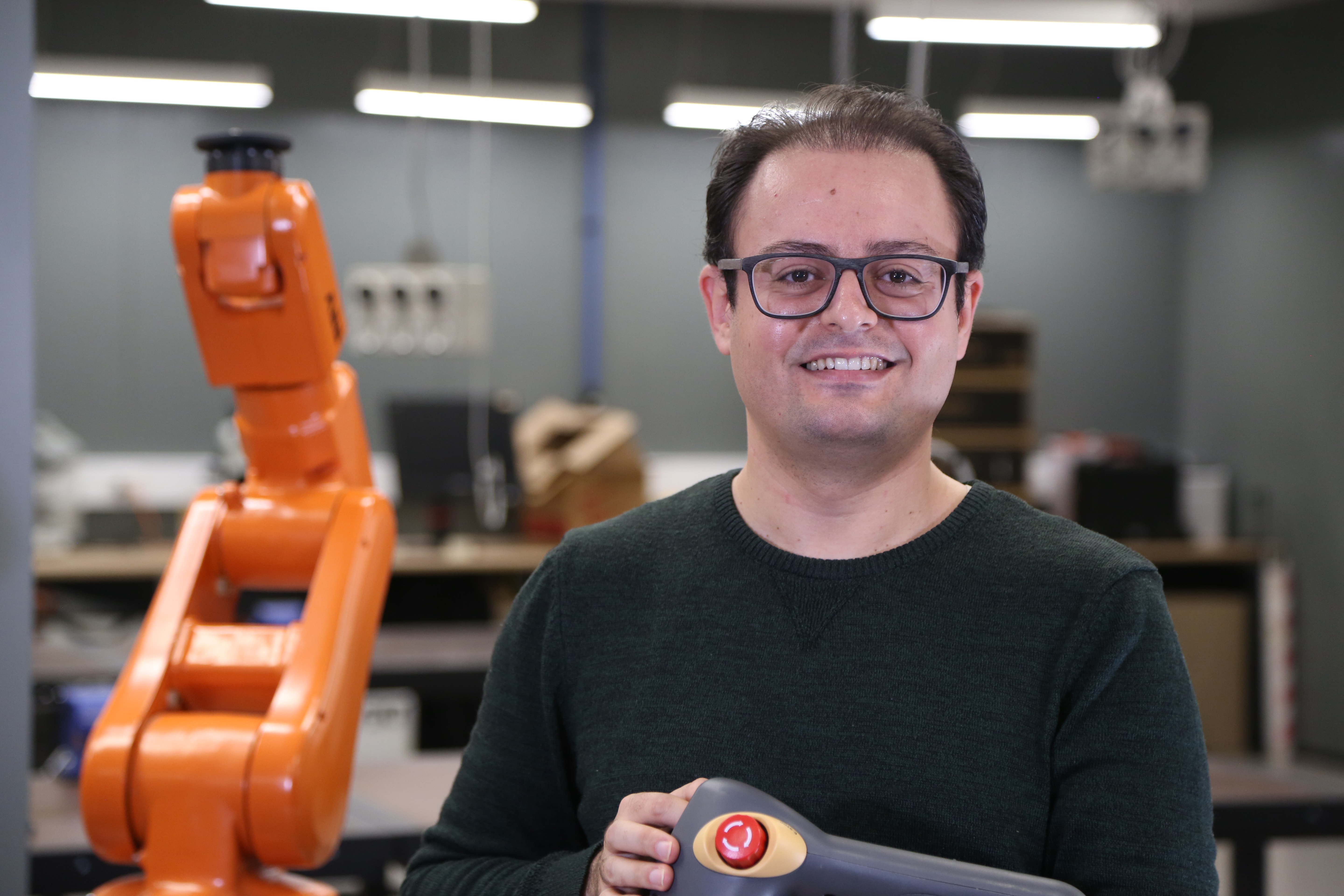
Mohamadreza Chalak Qazani
- Lecturer, Mechanical Engineering
- mohamadreza.chalakqazani@jcu.edu.au
Probiotic Egg Allergen Immunotherapy for Treatment of Egg Allergy (Old ID 26604)
Ludwig Lopata
01 Jan 2018 - 12 Dec 2021
Eight percent of children have a food allergy and prevalence is increasing. There is no cure so management requires food avoidance which is difficult to achieve. Accidental ingestion of allergen is common, and can result in life-threatening anaphylaxis of death. A curative treatment is vital to improve management. We recently developed a novel treatment of peanut allergy that resulted in the best response rates yet reported for any therapy in development - a combination treatment comprising Probiotics and Peanut Oral Immunotherapy (PPOIT). It is now essential to conduct a larger trial to enhance the study design and confirm these findings in order to progres this treatment to practice, which is the focus of this research.
Pyrogenic Carbon Sequestration in Australian Soils (Old ID 26923)
Michael Bird
01 Jan 2021 - 31 Dec 2023
Pyrogenic Carbon (PyC; 'charcoal') is a porrly understood component of the global carbon cycle. It is important because it is resistant to degradation and hence has potential soil carbon sequestration benefits. This project applies a new technique (hydrogen pyrolysis) in combination with spectroscopic techniques to quantify PyC in a pan-Australian soil sample set, collected using uiniform stratified sampling and preparation protocols. This will enable the mapping of soil PyC stocks in relation to environmental and soil variables across Australia. The results will enable the understanding of the controls on PyC sequestration potential in Australian soils and contriobute to ongoing efforts to quantify soil stocks and dynamics globally.
Biosecurity in northern Australian prawn aquaculture (Old ID 25021)
Dean Jerry
01 Jul 2018 - 30 Jun 2020
This project addresses biosecurity risk through conducting the first comprehensive and widespread biosecurity audit of Australian prawn farms. This project has two components. The first is to conduct a biosecurity metanalysis using traditional and molecular diagnostic tools to establish what pathogens currently occur on prawn farms and how they relate to productivity. Secondly, once the pathobiome is established the project will formulate a risk management strategy for industry and provide on-farm biosecurity training. Understanding the risk of disease, and increased capacity to detect and monitor on-farm, will lead to more effective management practices for northern Australian prawn aquaculture.
Geology and ore genesis of the Dover Castle Sn + polymetallic ore field, North Queensland (Old ID 26398)
Carl Spandler
01 Apr 2019 - 28 Oct 2019
Recent exploration work in the Dover Castle mining district in North Queensland has defined economically significant polymetallic (Sn-W-Zn-Ag-Pb-In) resources. Geological understanding of how these diverse metal associations occur at economic levels is currently poor, as is the knowledge of potential for further minerlisation at depth. This project will provide crucial baseline geological data, including geochronology, mineralogy, geochemistry, and igneous and hydrothermal alternation characterisation, to better understand the origin of the mineralisation, and the geological controls on its location. This project outcomes will allow more focussed mineral exploration targeting to improve the probability of discovery of further economically significant resources.
On the evolutionary rescue of Antarctic marine fauna – did the IPCC AR6 get it right? (Old ID 29003)
Sally Lau
22 May 2023 - 22 May 2025
The Intergovernmental Panel on Climate Change Sixth Assessment Report (IPCC-AR6) proposed Southern Ocean biodiversity to be rescued under designated refugia with assisted migration. These arbitrary refugia are defined by areas south of 70°S in West Antarctica, and Prydz Bay in East Antarctica. The decisions should instead be informed via species’ current genetic fitness across the Southern Ocean, a direct measure of extinction risk and success potential for assisted migration. By quantifying genetic fitness, this project 1) demonstrates whether IPCC-AR6’s conservation proposal accelerates species extinction, and 2) establishes genetic-informed refugia and translocation pathways that ensures animal evolutionary resilience under climate change.
Improving capacity for emerging infectious diseases research and surveillance in the Indo-Pacific (Old ID 29009)
Paul Horwood
01 Jun 2023 - 31 Dec 2027
Through this initiative, a One-Health approach will be used to improve emerging infectious diseases research and surveillance in a selected country in the Indo-Pacific, thereby improving national and regional biosecurity. In collaboration with an identified regional partner, a Research Fellow will be recruited to be embedded in the partner organisation to progress a co-designed research agenda, and help develop local capacity.
Invasive Fish in Aquatic Habitats, Torres Strait Island (Old ID 21581)
Nathan Waltham
01 May 2014 - 10 Dec 2016
This project will assess and evaluate movement of invasive freshwater fish species from PNG to Torres Strait Islands. This project aims to understand the mechanisms of this migration (people, or environmental), and will examine ways to reduce the risk of pest freshwater fish species reaching northern Australian waters. A large component of this project is to prepare education material (websites, brochures) and conduct a range of workshops with Rangers community and schools. The success of this project is through a combination of scientific surveys and education.
Research to inform yellow crazy ant management in the Wet Tropics (Old ID 26714)
Lori Lach
01 Apr 2020 - 30 Jun 2025
Continuation and consolidation of four years of scientific activities to support yellow crazy ant eradication in the Wet Tropics (data analysis, monitoring non-target effects of baiting, probability of detection).
On the physiology of plant transpiration (Old ID 27163)
Lucas Cernusak
01 Jan 2021 - 31 Dec 2024
The aim is to better understand plant water use (transpiration): to determine the relative roles of the environment, both aerial [absorbed radiation, both long and short wave, humidity, windspeed and temperature] and below ground [e.g. soil moisture content and resistance to root penetration], and of the plant [stomata, water pathways inside the leaf, and root water status] in controlling transpiration rate. The project will improve formulae describing the environmental and biological aspects of transpiration. A novel technique will be developed to measure the water potential distribution within the leaf. Results will inform breeders of the abilities of different plants to transpire rapidly when demand is high, or to conserve water.
National Assessment of Climate-Driven Species Redistribution using Citizen Science Data (Old ID 27400)
Jan Strugnell
11 Oct 2021 - 31 May 2022
This project will develop a report card assessing Australian marine species to determine species that have undergone recent changes in distribution, either shifting into each State, or into new areas within States. This report card will draw upon citizen science databases and use a robust decision tree analysis developed by our team to outline which species are shifting, and with what degree of certainty. Project objectives are to 1. draw upon citizen scientists to identify climate-driven changes within the Australian marine estate; and 2. communicate to and engage with the public on issues of climate change and biodiversity using their own citizen science information. The report card can be used to drive public interest in the NESP Hub and in the status of biodiversity in Australia.
Organic matter, sodicity and soil structure
- 1998
- Oxford University Press
- Researchers:Paul Nelson
Argument free clustering via boundary extraction for massive point-data Sets
- 2002
- Researchers:Ickjai Lee
Start Date:
01 Jan 2006
End Date:
01 Jan 2006
Start Date:
01 Jan 2000
End Date:
01 Jan 2003
Start Date:
01 Jan 2010
Title:
Reperio Innovation Award
Start Date:
01 Jan 2018
Title:
IEEE
Start Date:
01 Jan 2023
Start Date:
01 Jan 2021
End Date:
01 Jan 2024
Start Date:
01 Jan 2018
End Date:
01 Jan 2021
Start Date:
01 Jan 2016
End Date:
01 Jan 2018
Start Date:
01 Jan 2013
End Date:
01 Jan 2016
Start Date:
01 Jan 2013