
College of Science & Engineering

Sophia Love
- Doctor of Philosophy (Natural and Physical Sciences)
- sophie.love@jcu.edu.au
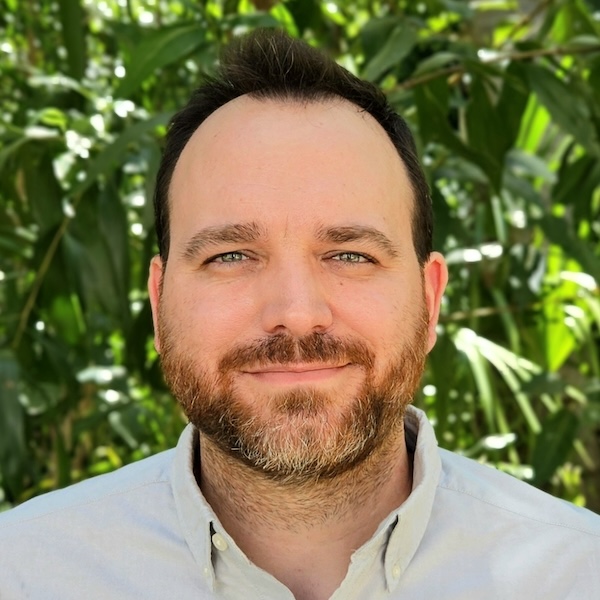
Romain Vaucher
- Senior Lecturer, Sedimentology
- romain.vaucher@jcu.edu.au

Jenny Fisher
- Associate Dean, Learning and Teaching
- jenny.fisher@jcu.edu.au

Ambili Narayanan
- Doctor of Philosophy (Natural and Physical Sciences)
- ambili.narayanan@my.jcu.edu.au

Sarfaraz Ali
- Postdoctoral Research Fellow
- sarfaraz.ali@jcu.edu.au

Mikaeylah Davidson
- Postdoctoral Research Fellow
- mikaeylah.davidson@jcu.edu.au
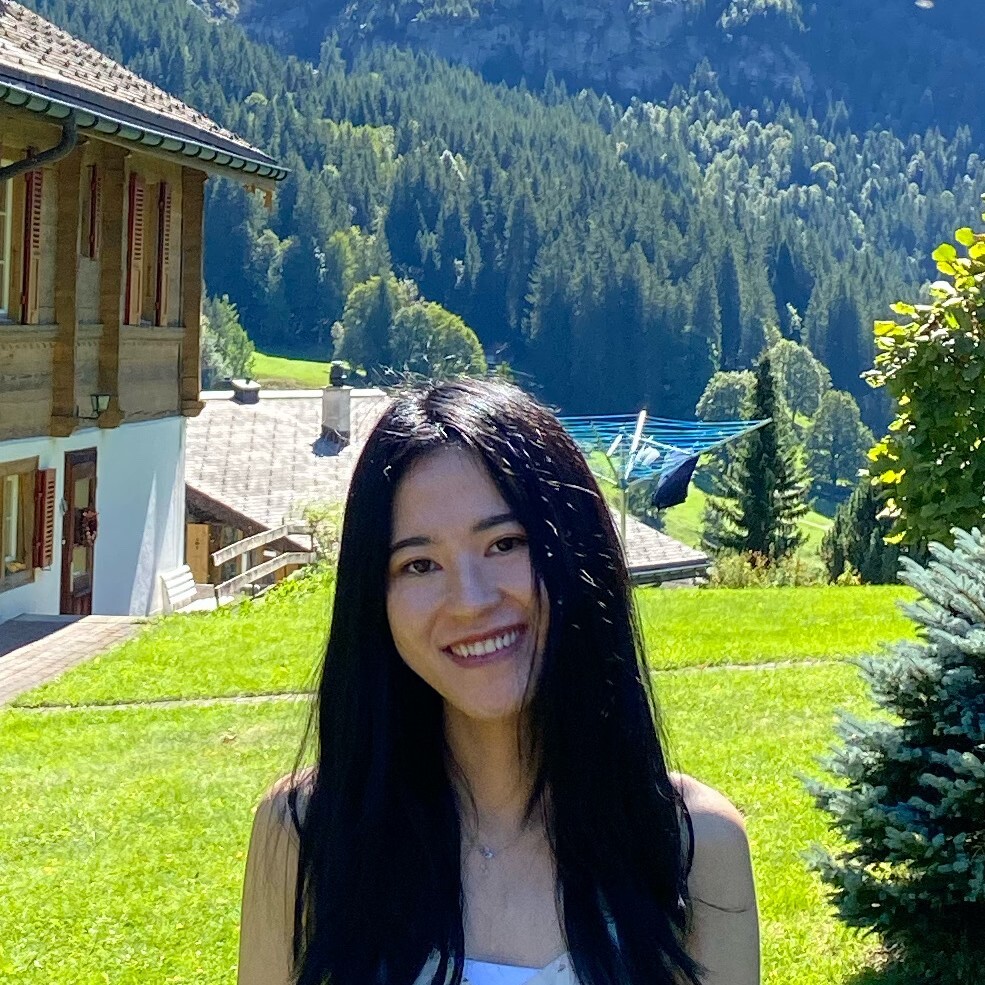
Liuxin Chen
- Lecturer
- liuxin.chen@jcu.edu.au

Rafael Cabral Carvalho
- Lecturer, Marine Geoscience
- rafael.cabralcarvalho@jcu.edu.au
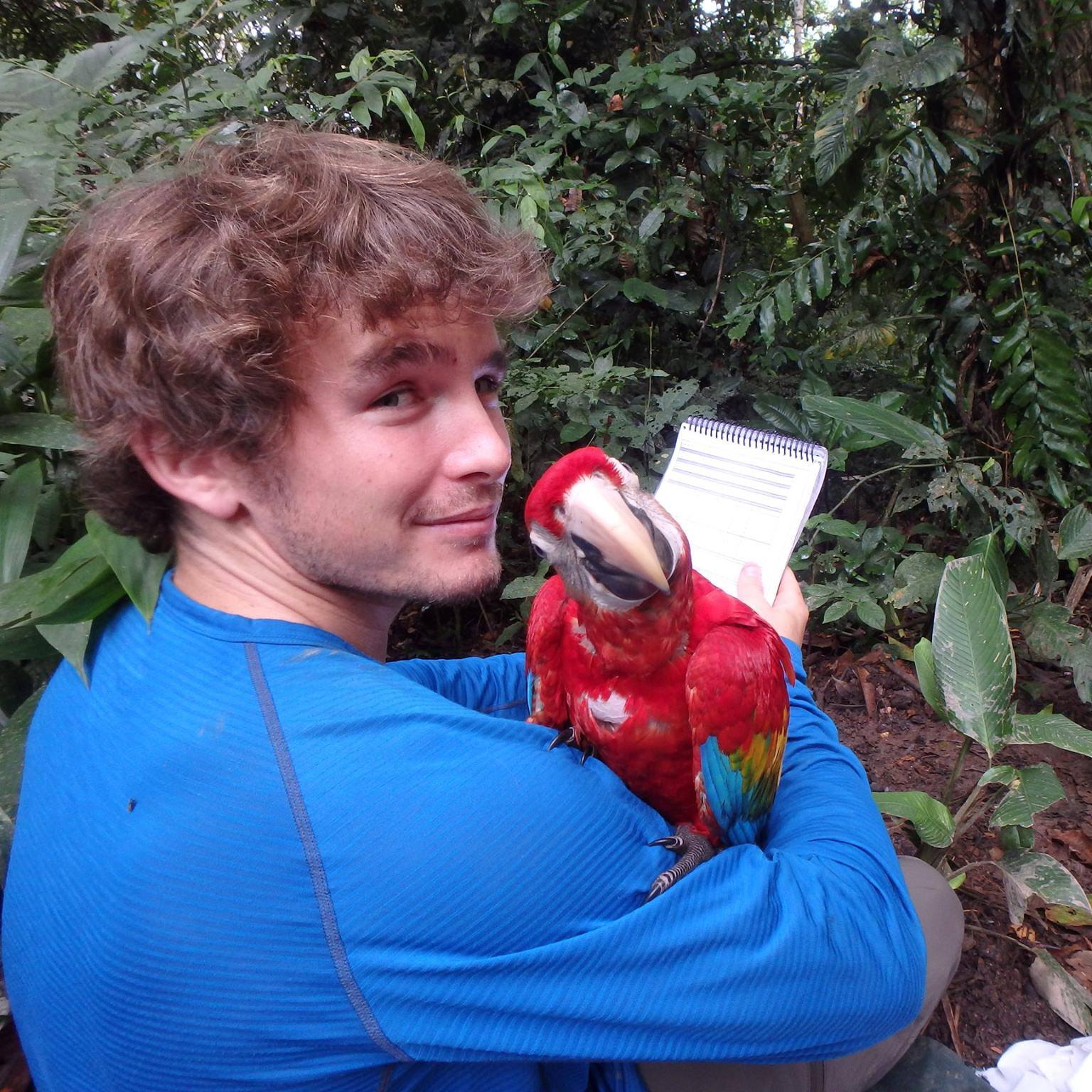
Tom Lloyd
- Postdoctoral Research Fellow, Global Ecosystems
- tom.lloyd@jcu.edu.au
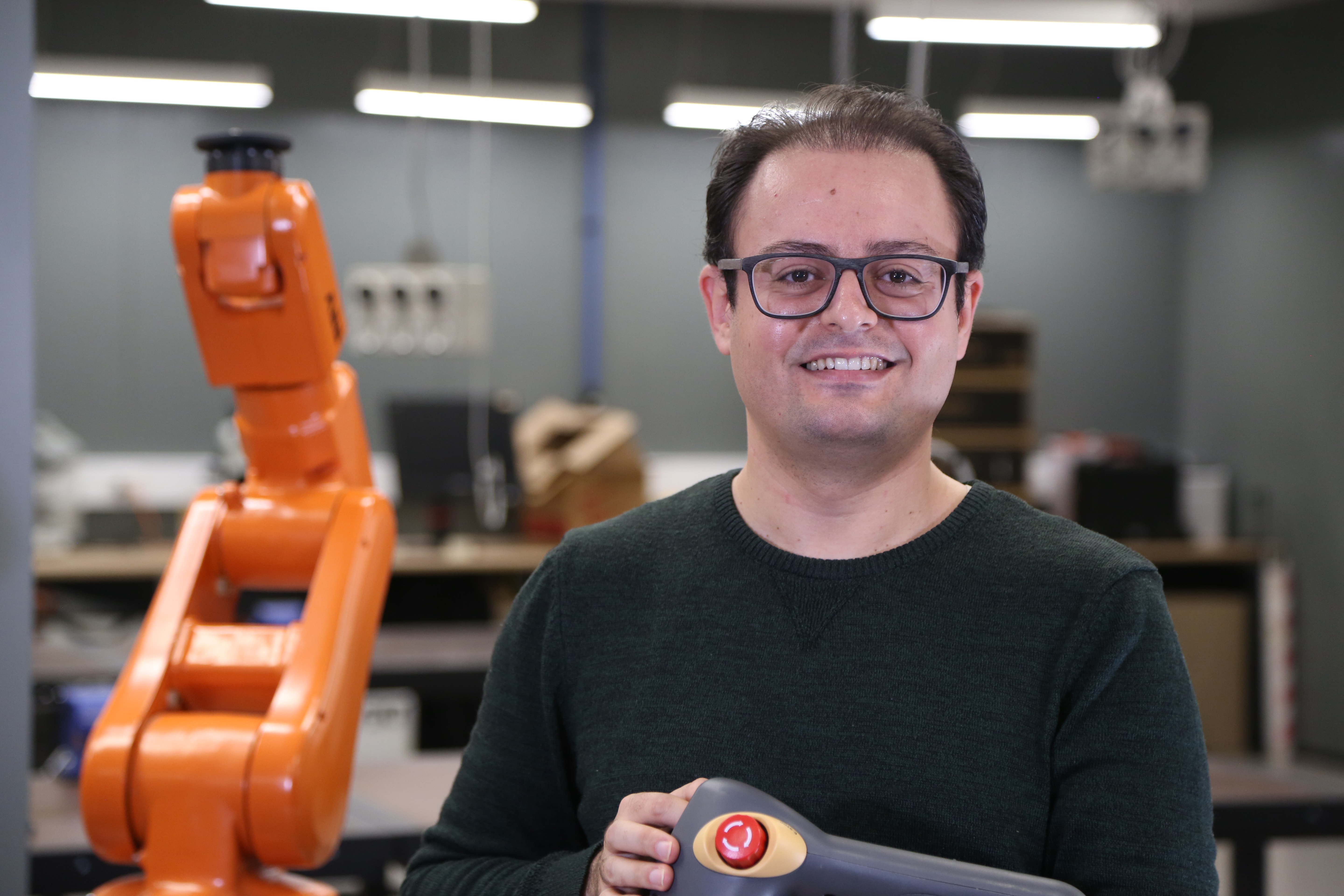
Mohamadreza Chalak Qazani
- Lecturer, Mechanical Engineering
- mohamadreza.chalakqazani@jcu.edu.au
Investigating the pitfalls of bee hotels (Old ID 30046)
Peter Yeeles
01 Jul 2023 - 31 Dec 2026
Concern for bees among the public has led to the augmentation of habitat for bees including the addition of bee hotels. Bee hotels are often claimed to increase bee diversity and abundance. However, they artificially aggregate nesting sites above densities naturally available for bees, which could lead to increased prevalence of pathogens, viruses and parasitism, and higher predation rates. Properly controlled experiments to investigate these threats are limited, and none have been conducted in the tropics. This project investigates whether the density of nesting spaces in bee hotels affects predation rates and pathogen and parasite prevalence in cavity nesting bees.
Investigating the pitfalls of bee hotels (Old ID 30046)
Lori Lach
01 Jul 2023 - 31 Dec 2026
Concern for bees among the public has led to the augmentation of habitat for bees including the addition of bee hotels. Bee hotels are often claimed to increase bee diversity and abundance. However, they artificially aggregate nesting sites above densities naturally available for bees, which could lead to increased prevalence of pathogens, viruses and parasitism, and higher predation rates. Properly controlled experiments to investigate these threats are limited, and none have been conducted in the tropics. This project investigates whether the density of nesting spaces in bee hotels affects predation rates and pathogen and parasite prevalence in cavity nesting bees.
Geological characteristics, genesis and ore controlling factors of the Tick Hill Au deposit, Dajarra District, NW Queensland, Australia (Old ID 24727)
Ioan Sanislav
27 Nov 2017 - 31 Jan 2021
The project aims to: 1. investigate and document the geological and geochemical features of the Tick Hill gold deposit, including understanding the structural evolution lmagmaticl history, alteration style andl mineralisation; 2. classify the deposit and improve the understanding of the genesis; 3. identify the factors controlling the locationh and formation of the deposits such as structural architecture, controls of host rocks and intrusions; and 4. discover lmineralogical, textural and geochemical zoning patterns that could gbe used as vectors to ore. A geological model will be developedfor use in exploration targeting.
Integrating climate adaptation into rainforest restoration (Old ID 27288)
Lucas Cernusak
01 Jul 2021 - 30 Jun 2024
Rainforest restoration aims to develop self-sustaining ecosystems, resilient to the potential negative effects of climate change. Key to this is identifying the physiological limitations and adaptive capacity of woody tree species used in revegetation plantings. Recent, albeit limited, research suggests that across species higher leaf thermal tolerance could be an adaptation to leaf temperature extremes. To improve our understanding on how tropical tree species will respond to current and future warming we need accurate estimates of leaf temperature extremes, as well as research into within-species variation in leaf thermal tolerance. I will address these knowledge gaps by combining measurements of leaf thermal tolerance and functional traits across a species distribution, with leaf energy balance modelling paramaterised during glasshouse experiments and field campaigns. These findings will aid in identifying vulnerable populations to climate change which will inform conservation and restoration efforts.
Enhancing AI detection of dugong and other marine megafauna species (Old ID 30032)
Mohammad Jahanbakht
15 Jun 2023 - 01 May 2024
Standardised aerial surveys have been conducted across northern Australia for over three decades to monitor dugong populations. JCU is currently monitoring dugongs across the entire eastern Queensland coast using conventional observer survey approach. In parallel to the monitoring work, JCU is experimenting the use of aerial images to conduct these large scales surveys. Preliminary results from the image processing work reveals that substantial efforts need to be put in to streamline and fast-track the processing of large image datasets to make imagery survey a cost-effective approach in the future. An AI for detecting dugongs is available but was developed based on images collected in Western Australian waters, a different habitat compared to eastern Queensland inshore waters. Preliminary tests ran by our team suggest that the current AI requires additional research work to improve its level of precision while other competitive AIs also need to be investigated. Upon completion of our tests, our team will outline steps toward the improvement of the current AI and/or exploration of alternative methods with the end goal of producing an automated approach that fast-tracks the processing of large image datasets collected during large-scale marine wildlife surveys.
Going feral: The colonisation of natural environments by Asian house geckos (Old ID 21725)
Conrad Hoskin
01 Aug 2014 - 31 Mar 2016
Asian house geckos (Hemidactylus frenatus) were accidentally introduced to Australia in the 1960s and are now common across the tropics. They commonly establish in towns, leading to the belief that this introduced species is benign. However, surveys conducted in the Townsville region revealed high-density populations of Asian house geckos in natural environments. This is very concerning given that Australia is a global centre of gecko diversity and endemism. My project will investigate the extent of Asian house gecko invasion in natural environments and highlight factors that might contribute to this range expansion.
Can experimental hookworm infection prevent metabolic disease/Type 2 diabetes? (Old ID 24710)
Matt Field
01 Jan 2018 - 01 Jun 2019
We will conduct a world-first clinical trial in Cairns testing the safety and efficacy of experimental hookworm infection in women at risk of getting Type 2 diabetes. For this application we will examine how worm infection alters the microbiome, a potental mechanism of how worms control metabolism.
A temperature and humidity analysis of the Golden-shouldered parrot (Psepholus chrsoterygius) nest chambers: implications in a changing climate? (Old ID 27245)
Susan Laurance
01 May 2021 - 01 May 2022
The Golden-shouldered Parrot (Psepholus chrsoterysius) is an endangered species endemic to Cape York, Queensland. This bird has particular significance to the Olkola People, an important totem, called Alwal in language. Bush heritage have been working in partnership with Olkola rangers for the last 5 years to protect and recover this endangered species. Alwal has particular nesting habits; it nests in specific chronical termite mounds constructed by Amitermes scolpulus. The Parrot is very particular in mound choice, only selecting those of certain size and width (170cm height to 70 cm width). This is believed to provide optimum incubation temperatures. Nest success is also thought to be reliant upon a symbiotic relationship with an Australian mallee motth (Trisyntopa scatophaga) which feeds on the parrots droppings and therefore keeps the nest clean, preventing risk of infections. This study eill assess nest chamber and ambient temperatures and humidity across the breeding season of 2021, using Hydrochron humidity and temperature loggers (DS1923), which will be placed inside and outside selected nests. FLIR heat sensing cameras will also be used to take pictures of all active and non active nests and their nearest neighbours. The data will be compared to early nest research carried out by Weaver (1986) who assessed nest temperatures in the 1970s. This study will provide insight into nest chamber thermal changes, and create a more reliable baseline longer term, due to the technnological constrictions when this study was first carried out in the 1970s.
Microanalytical Facility Supporting Resources Development and Manufacturing (Old ID 27524)
Michael Bird
20 Jul 2022 - 30 Jun 2023
The project aims to establish a state-of-the-art electron probe microanalysis facility enabling accurate chemical analysis to be undertaken at the micro-scale. It is expected to provide new knowledge and support applied research on a range of natural, synthetic and processed materials that will deeply impact advancements in the fields of metals processing and recycling, Earth and environmental science, and the development of materials for a healthier society. It will support ARC funded and industry engaged research enhancing the minerals exploration, mining and metallurgical industries and inform sustainable practice. It will also provide the key research infrastructure to enhance Australia’s research leadership in these fields.
JCU Spawning Potential app development (Old ID 27727)
Ickjai Lee
28 Jun 2022 - 30 Jul 2022
The central biological measure of success for the “Community- Based Sustainable Development in Solomon Island and PNG Coastal Communities” projects are trends in the Spawning Potential Ratio (SPR) of key target species. This Project seeks to refine the Spawning Potential Survey (SPS) App (JCU FISH) to include spatial reporting tools that can be utilised by survey participants to monitor spatial and temporal trends in SPR. This project extends from an earlier “proof of concept” project funded by the WWF Ocean Practice where the potential for automatic identification and measurement of target species from a single image was realised.
Organic matter, sodicity and soil structure
- 1998
- Oxford University Press
- Researchers:Paul Nelson
Argument free clustering via boundary extraction for massive point-data Sets
- 2002
- Researchers:Ickjai Lee
Start Date:
01 Jan 1996
End Date:
01 Jan 2016
Start Date:
01 Jan 2020
Title:
Australia’s nominee for the APEC Science Prize for Innovation, Research and Education (ASPIRE Prize)
Start Date:
01 Jan 2019
Start Date:
01 Jan 2019
Start Date:
01 Jan 2016
Start Date:
01 Jan 2015
Start Date:
01 Jan 2011
End Date:
01 Jan 2013
Start Date:
01 Jan 2022
Start Date:
01 Jan 2023
Start Date:
01 Jan 2023