
College of Science & Engineering

Sophia Love
- Doctor of Philosophy (Natural and Physical Sciences)
- sophie.love@jcu.edu.au
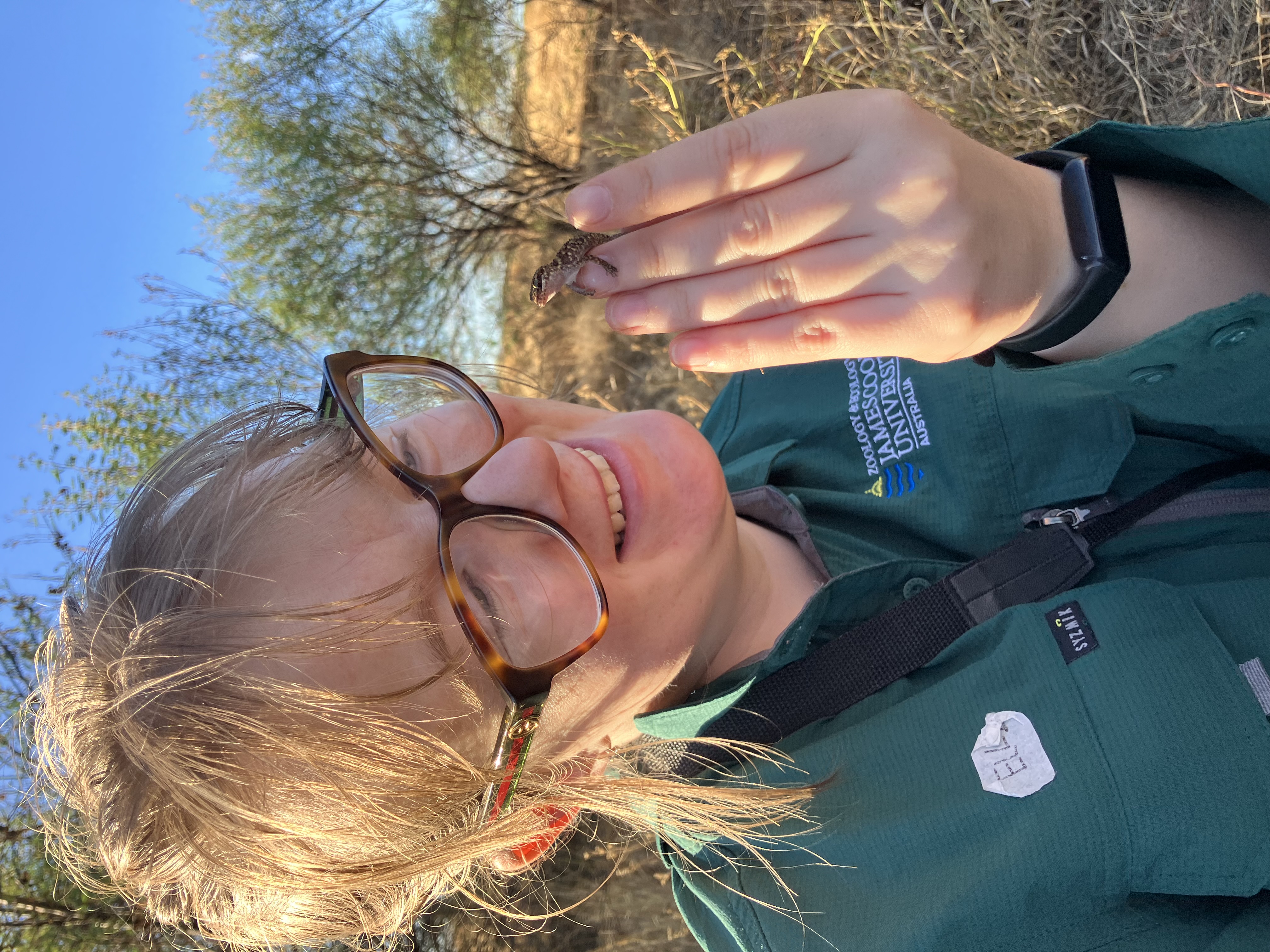
Elle Robertson
- Doctor of Philosophy (Agriculture, Environmental and Related Studies)
- elle.robertson@jcu.edu.au
Romain Vaucher
- Senior Lecturer, Sedimentology
- romain.vaucher@jcu.edu.au
Jenny Fisher
- Associate Dean, Learning and Teaching
- jenny.fisher@jcu.edu.au
Ambili Narayanan
- Doctor of Philosophy (Natural and Physical Sciences)
- ambili.narayanan@my.jcu.edu.au

Sarfaraz Ali
- Postdoctoral Research Fellow
- sarfaraz.ali@jcu.edu.au
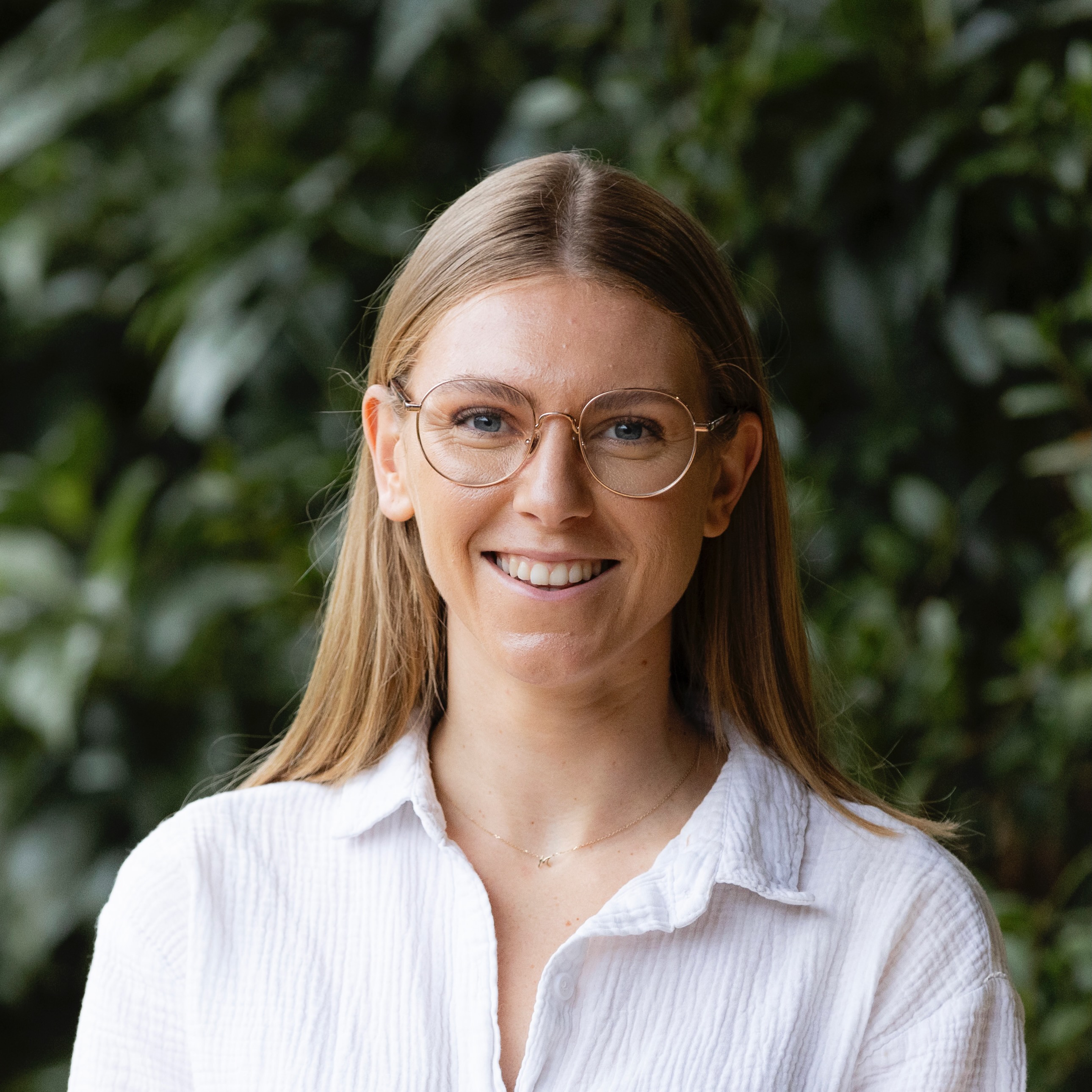
Mikaeylah Davidson
- Postdoctoral Research Fellow
- mikaeylah.davidson@jcu.edu.au
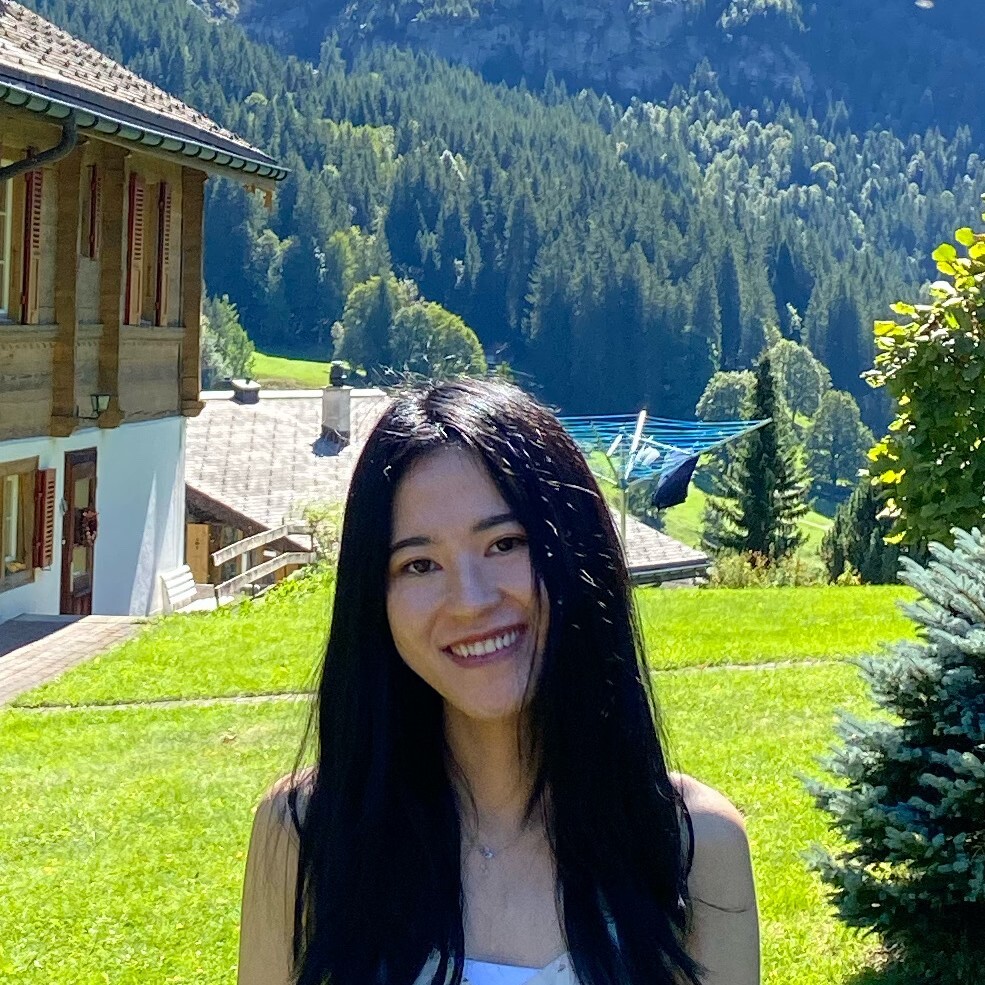
Liuxin Chen
- Lecturer
- liuxin.chen@jcu.edu.au
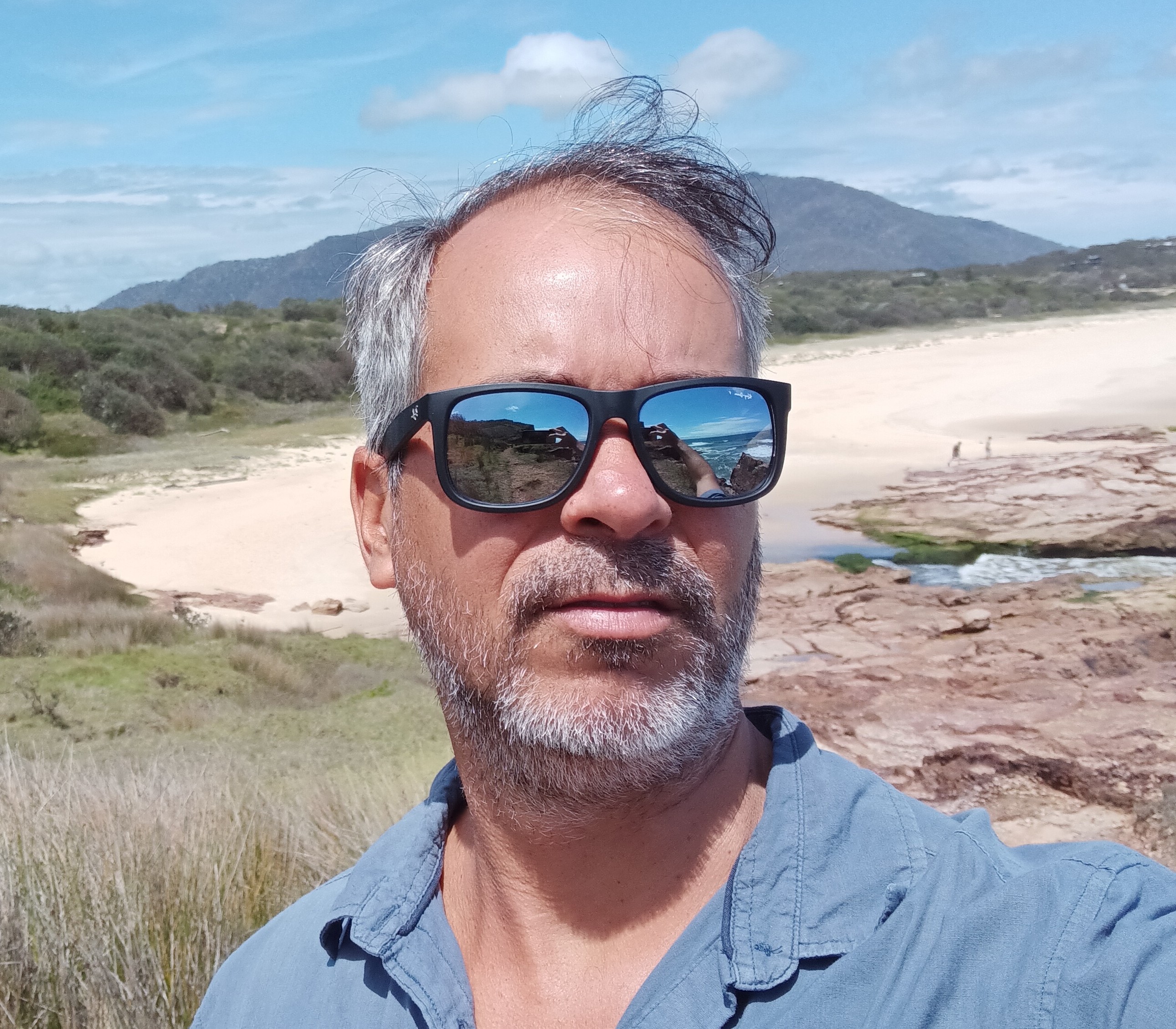
Rafael Cabral Carvalho
- Lecturer, Marine Geoscience
- rafael.cabralcarvalho@jcu.edu.au
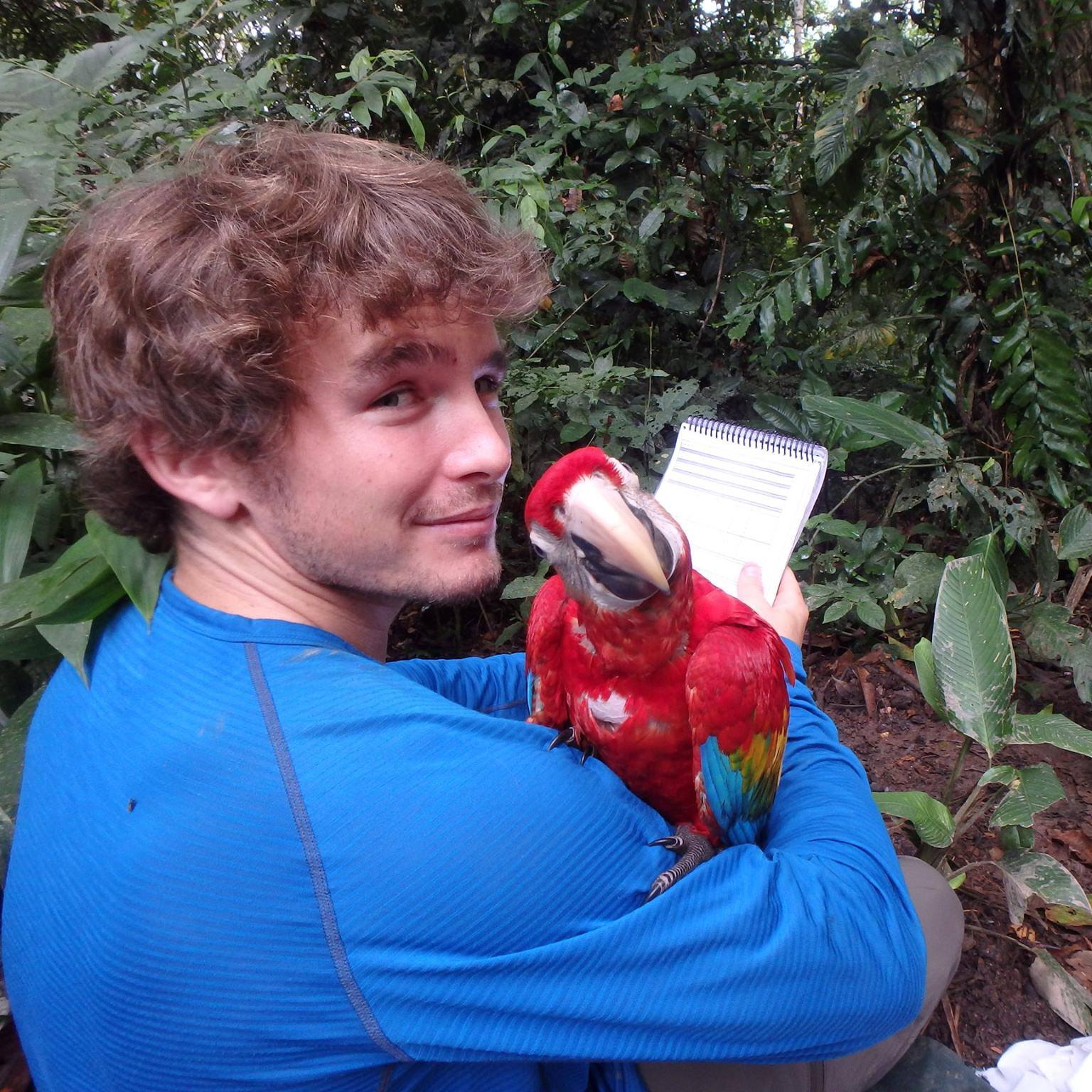
Tom Lloyd
- Postdoctoral Research Fellow, Global Ecosystems
- tom.lloyd@jcu.edu.au
Develop an autonomous AI vehicle damage assessment tool (Phase II) (Old ID 27223)
Improvement upon the project 1 developed method for automated detection, identification and categorisation of vehicle panel damage by developing a user interface and video vision. Semantic segmentation and deep learning networks will be further refined and developed for the next evolution/iteration of the software platform.
Advanced manufacturing of Antennas and Microwave Components for Radio Astronomy and Space Applications (Old ID 27259)
An investigation into advanced manufacturing methods such as additive manufacturing and the use of conventional and novel materials. Thus, this project will investigate the optimum design conditions for manufacture of microwave components such as antenna and feed system components to exploit the performance benefits available. The study will also investigate the feasibility of using conventional and novel materials and the material manufacturing process. The outcomes of this research will be useful in several communication applications including satellite communication and space research.
The future of urban roosts of the Spectacled Flying-fox in North Queensland (Old ID 27817)
In partnership with Cairns Council and Bat & Tree Society, I have collected data on bat temperatures and microclimate at 20 urban roosts, including the two remnant forests. I have undertaken field surveys of vegetation structure, but these methods may not accurately estimate the top down perspective of canopy organisms. Hence, the next step is to estimate the three dimensional space of bat roosts. Using terrestrial laser scanning (TLS), I will quantify the volume of vegetation at different heights and correlate with microclimate conditions in order to rank the thermal insulation of roost sites to protect bats during heatwaves.
Water security for Northern Australian - Implementation Phase (Old ID 28971)
This Water Security for Northern Australia program has identified 4 key focal nodes where pressure for increased water utilisation is high - Ord (WA), Daly-Katherine (NT), Gilbert (QLD) and lower Fitzroy (QLD) - to be the focal nodes for this research program. To determine the most appropriate research questions for each focal node, we undertook a co-design phase with relevant regional stakeholders in each focal node. This co-design phase and its outcomes have resulted in the generation of 15 research projects that are now proposed for funding under the Water Security for Northern Australia program -implementation phase outlined in this research program.
Can species interactions drive rapid niche evolution? (Old ID 23572)
Climate change can alter the distribution of species and cause novel interactions. This project will test whether such interactions can actually drive adaptation to the changing environment. Two Australian fruitfly species will be lab-reared separately and together along a thermal resource gradient. Estimates of each species' niche will be obtained. Using experimental evolution, resource space will then be manipulated to create competition and test whether either species' niche will evolve into new space. A shift of either species beyond its former niche limits would provide evidence of the potential for evolutionary rescue via rapid adaptation to changing environmental conditions.
Can species interactions drive rapid niche evolution? (Old ID 23572)
Climate change can alter the distribution of species and cause novel interactions. This project will test whether such interactions can actually drive adaptation to the changing environment. Two Australian fruitfly species will be lab-reared separately and together along a thermal resource gradient. Estimates of each species' niche will be obtained. Using experimental evolution, resource space will then be manipulated to create competition and test whether either species' niche will evolve into new space. A shift of either species beyond its former niche limits would provide evidence of the potential for evolutionary rescue via rapid adaptation to changing environmental conditions.
Understanding population growth time lags in invasive species: Chital deer as a model system. (Old ID 26559)
Lags in population growth of introduced species are common, but poorly understood. Chital deer (Axis axis) are an invasive species introduced to Australia over 130 years ago, but their numbers have only increased dramatically in the past 30-40 years. We will use data collected from wild animals, landholder surveys, and computer simulation models to clarify causes of sudden population expansion in more detail. Understanding lags will allow us to understand their causes, and better control populations of invasive species. By predicting drivers of rapid population growth, we can better mitigate the associated economic and environmental costs of invasive species.
Systematics, biogeography, and evolutionary history of black corals. (Old ID 26866)
This proposed research project has two main aims within the study site Heron Island, Great Barrier Reef (GBR): 1) to quantify the biodiversity of black corals; and, 2) to formally describe undescribed species. These aims will be addressed by collecting black corals from four Heron Island reefs that contain cryptic habitats (e.g., caves, overhangs, and coral rubble), which typically host diverse black coral assemblages and have a high likelihood of hosting undescribed species.
SahulSED Radiocarbon, SahulCHAR, and OCTOPUS Future Proofing (Old ID 27819)
The project will engage a full-time postdoctoral fellow for 12 months to compile fire proxy data for the new data collection SahulCHAR, to oversee the data collection of environmental radiocarbon ages for SahulSED, and to lead the development of resources for the maintenance and community-led updates of these collections. The postdoctoral fellow will lead the E&E activities and support the RT&E activities described below and will update existing collections as needed. Results will be included in a series of planned papers to coincide with the launch of the new collections.
Determining the role of a novel gene in liver cancer. (Old ID 27055)
Liver cancer incidence is increasing dramatically in Australia. Through a genetic screen we have found a novel gene that associates with liver cancer cell DNA damage and metabolism. To investigate its function, we will perform cellular assays and tumour experiments to test how this gene regulates liver cancer growth. The proposed research will provide a better understanding of the factors that promote liver cancer and allow the development of new therapies to treat this devastating disease.
A cross-sectional, population-based study on the prevalence of food allergies among children in two different socio-economic regions of Vietnam
- 2019
- Wiley-Blackwell
- Researchers:Thimo RuethersLudwig Lopata
Surface-modified fibrous membranes for fuel cell application
- 2019
- EDP Sciences
- Researchers:Mohan Jacob
Performance review of prefabricated building systems and future research in Australia
- 2019
- M D P I AG
- Researchers:David Henderson
Exploring sustainable land use in forested tropical social-ecological systems: a case-study in the Wet Tropics
- 2019
- Academic Press
- Researchers:Iain GordonRosemary Hill
Title:
BSc, University of Tehran
Start Date:
01 Jan 2005
End Date:
01 Jan 2009
Title:
Spanish; Castilian
Title:
MSc, University of Tehran
Start Date:
01 Jan 2009
End Date:
01 Jan 2012
Start Date:
23 Oct 2019
Title:
French
Start Date:
01 Jan 2013
End Date:
01 Jan 2017
Start Date:
28 Sep 2018
Start Date:
02 Mar 2020
Start Date:
01 Jan 2023
End Date:
01 Jan 2026
Start Date:
31 Aug 2016