
College of Science & Engineering

Sophia Love
- Doctor of Philosophy (Natural and Physical Sciences)
- sophie.love@jcu.edu.au
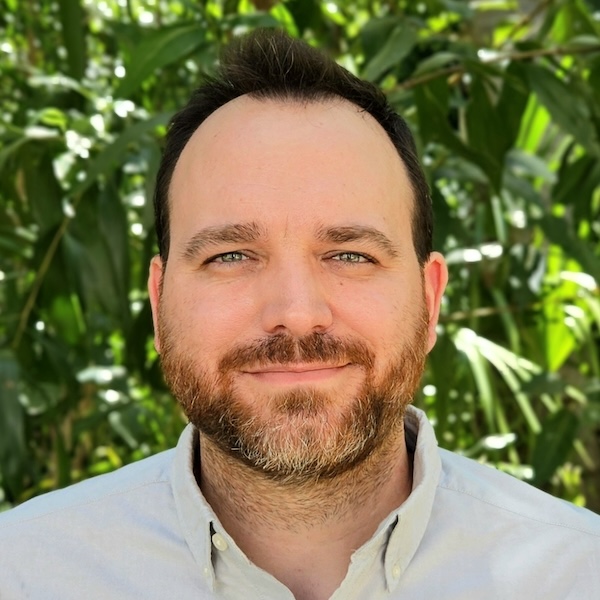
Romain Vaucher
- Senior Lecturer, Sedimentology
- romain.vaucher@jcu.edu.au
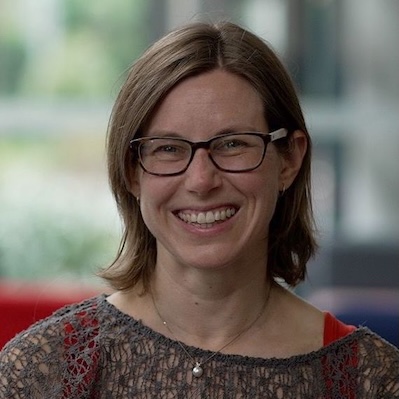
Jenny Fisher
- Associate Dean, Learning and Teaching
- jenny.fisher@jcu.edu.au
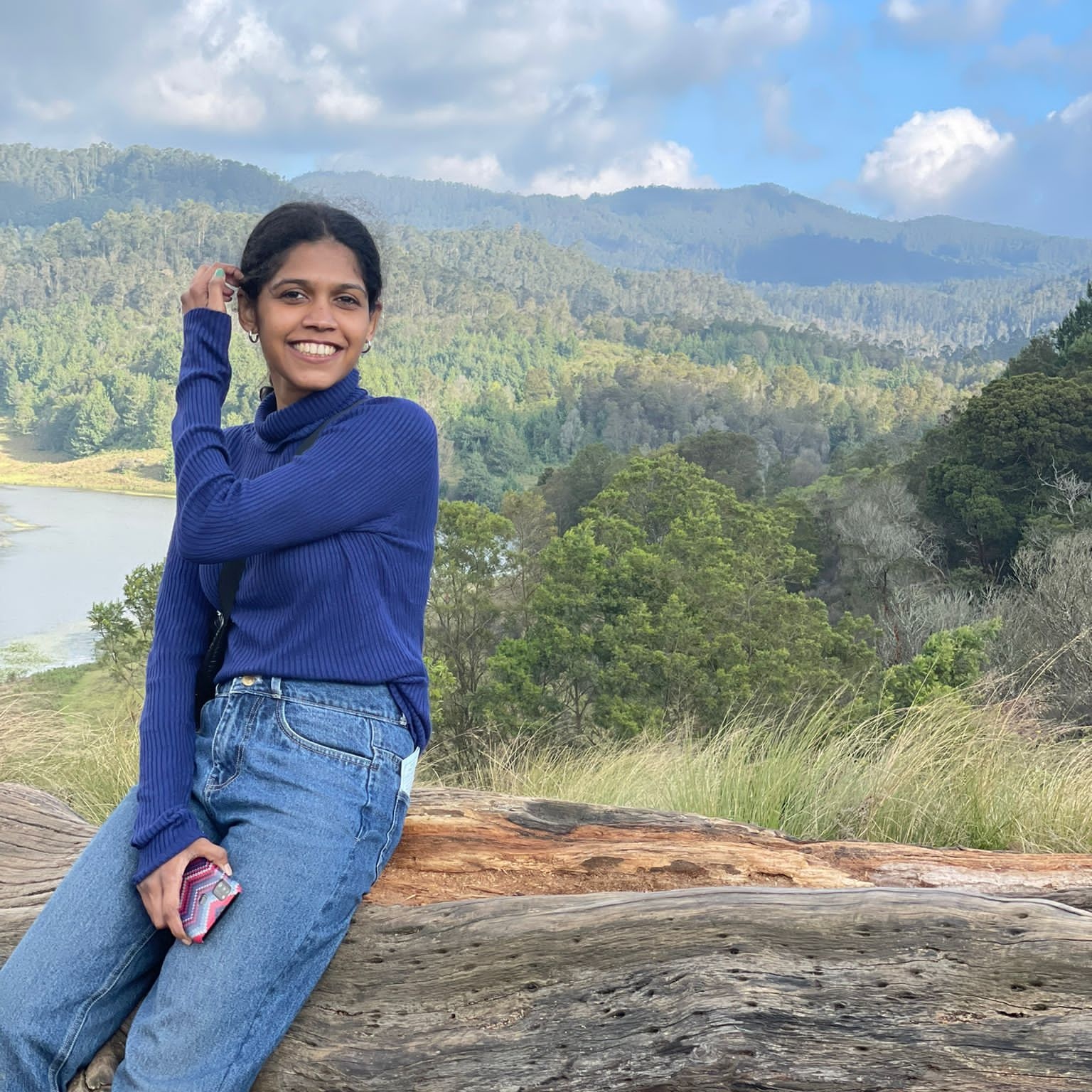
Ambili Narayanan
- Doctor of Philosophy (Natural and Physical Sciences)
- ambili.narayanan@my.jcu.edu.au

Sarfaraz Ali
- Postdoctoral Research Fellow
- sarfaraz.ali@jcu.edu.au
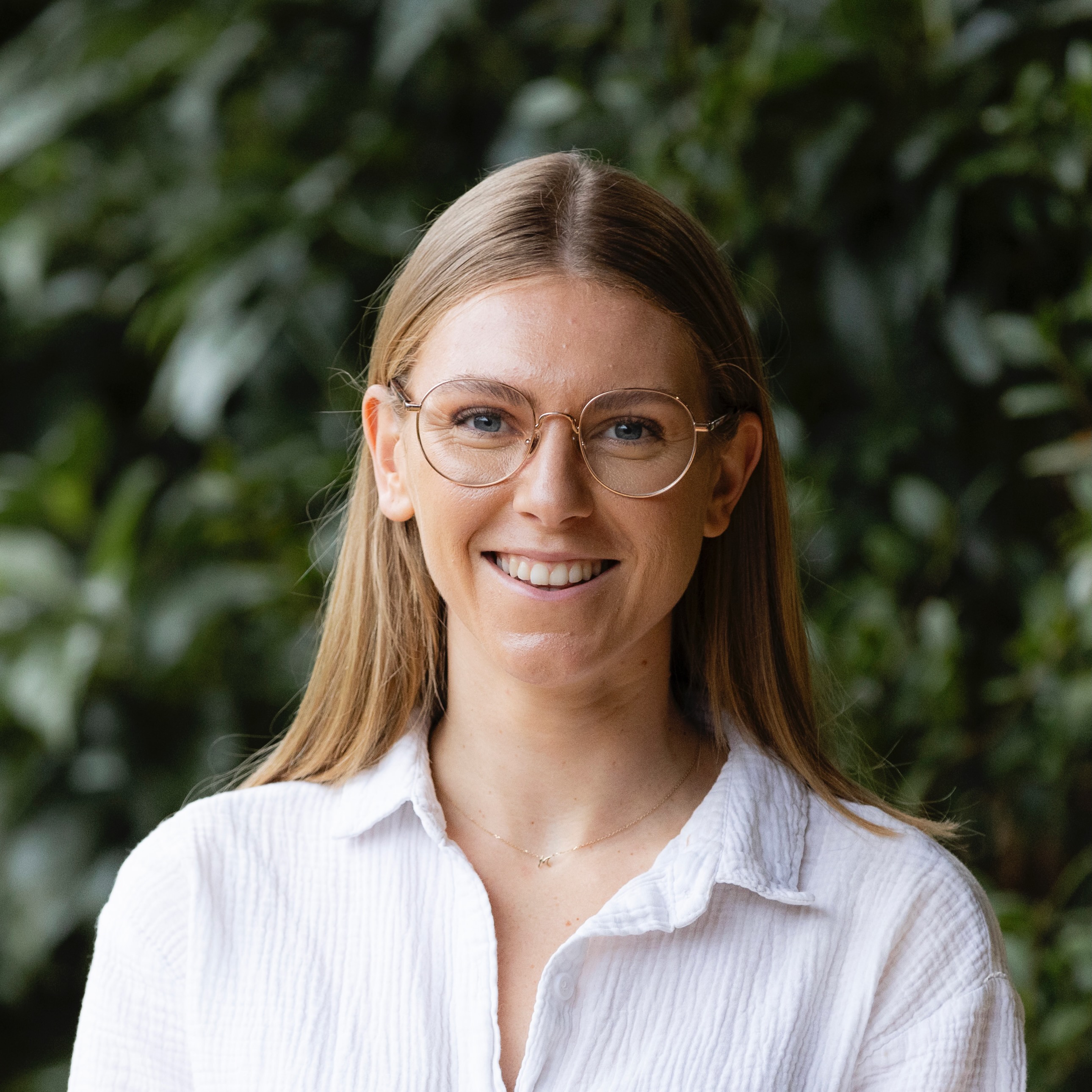
Mikaeylah Davidson
- Postdoctoral Research Fellow
- mikaeylah.davidson@jcu.edu.au
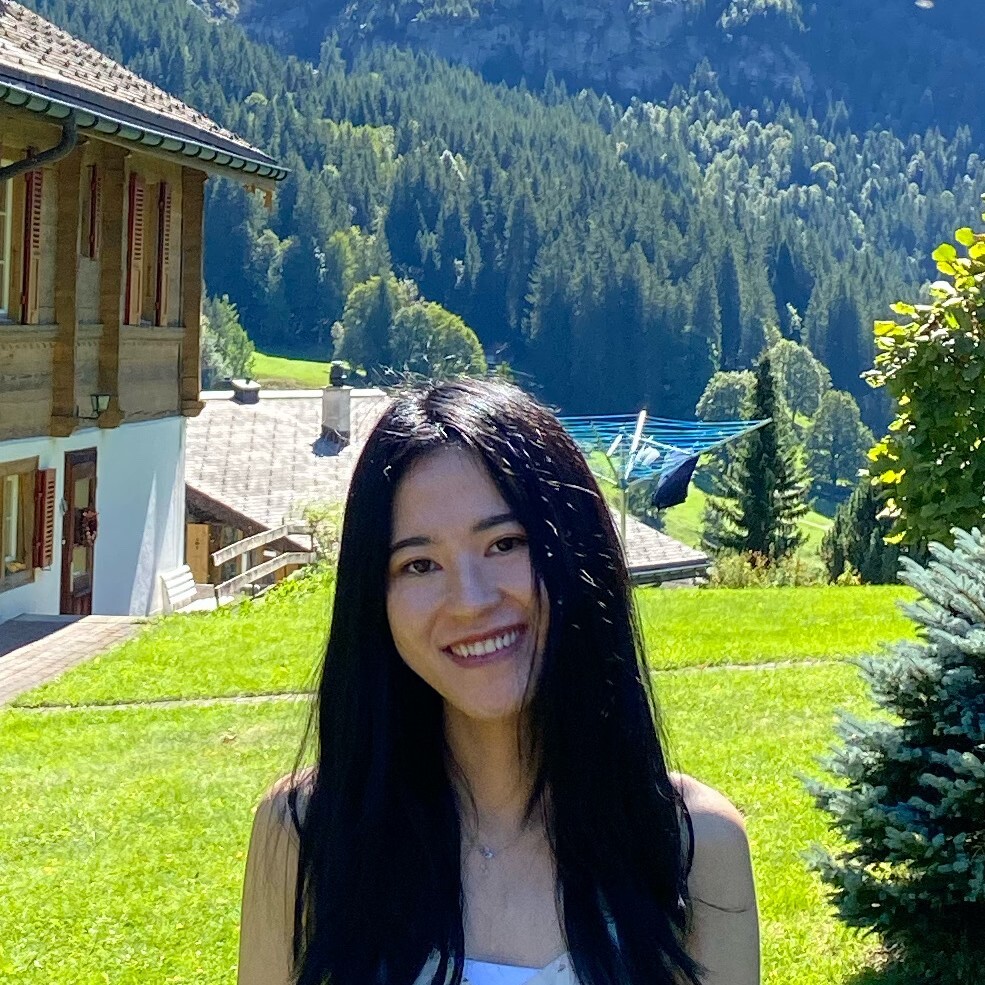
Liuxin Chen
- Lecturer
- liuxin.chen@jcu.edu.au
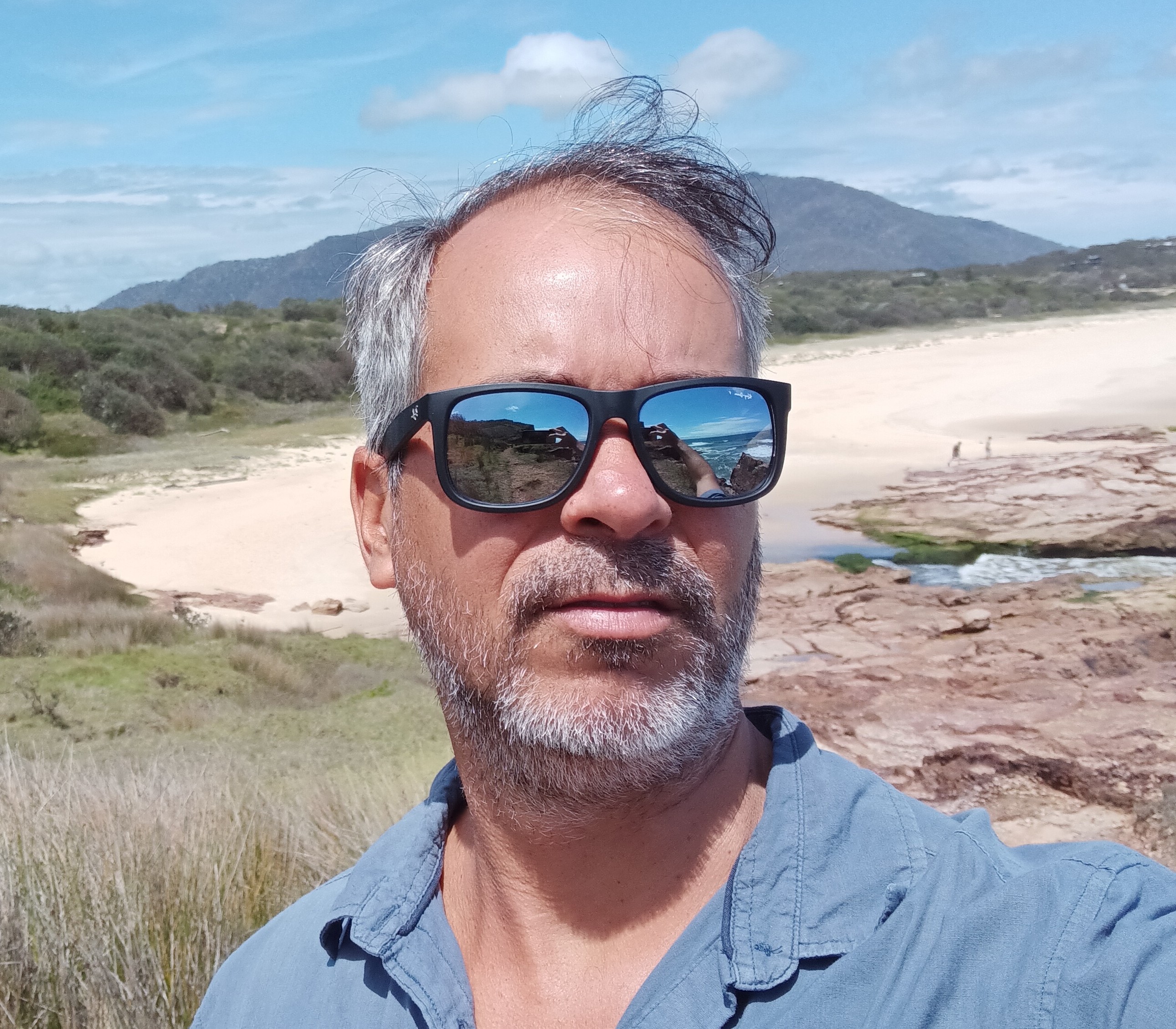
Rafael Cabral Carvalho
- Lecturer, Marine Geoscience
- rafael.cabralcarvalho@jcu.edu.au
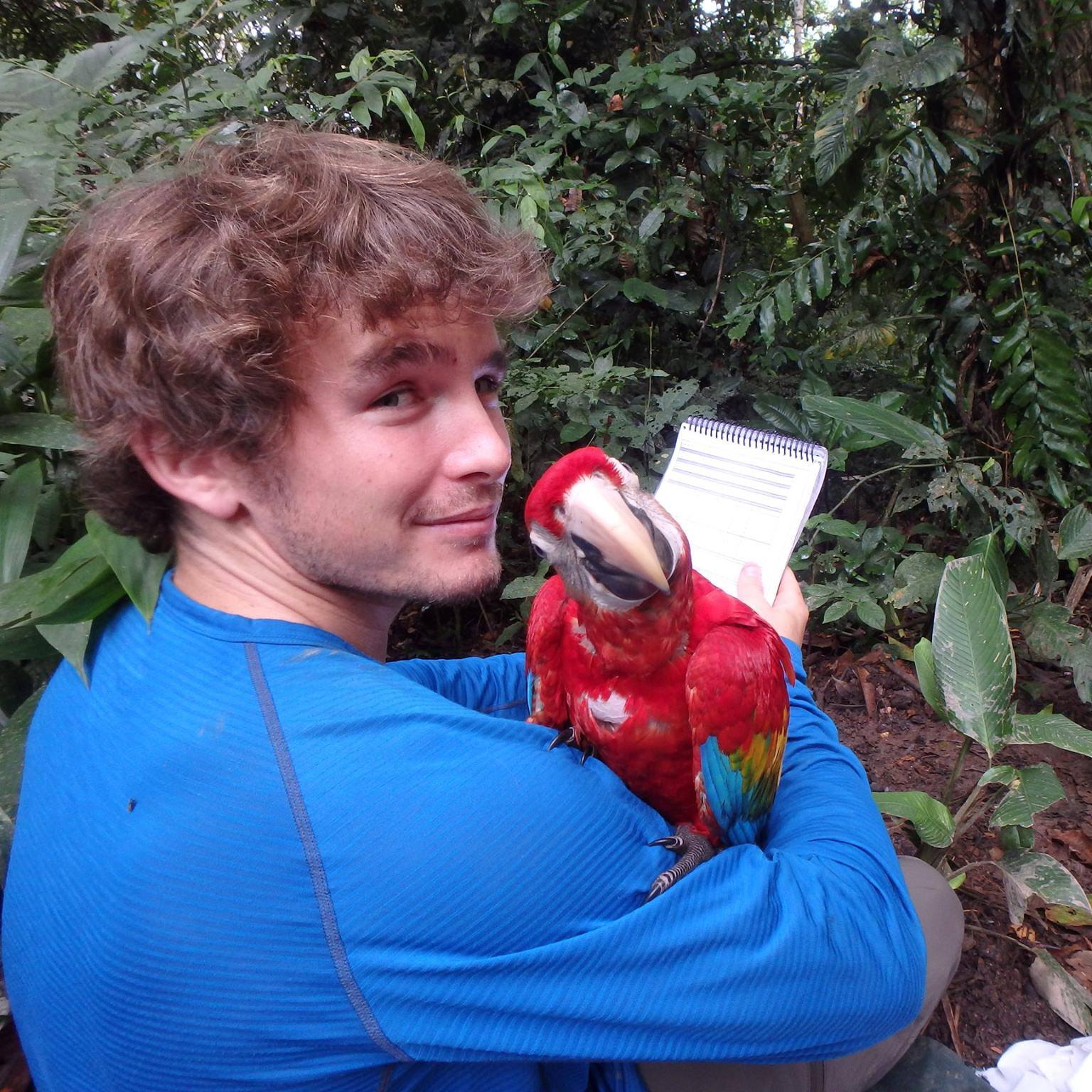
Tom Lloyd
- Postdoctoral Research Fellow, Global Ecosystems
- tom.lloyd@jcu.edu.au
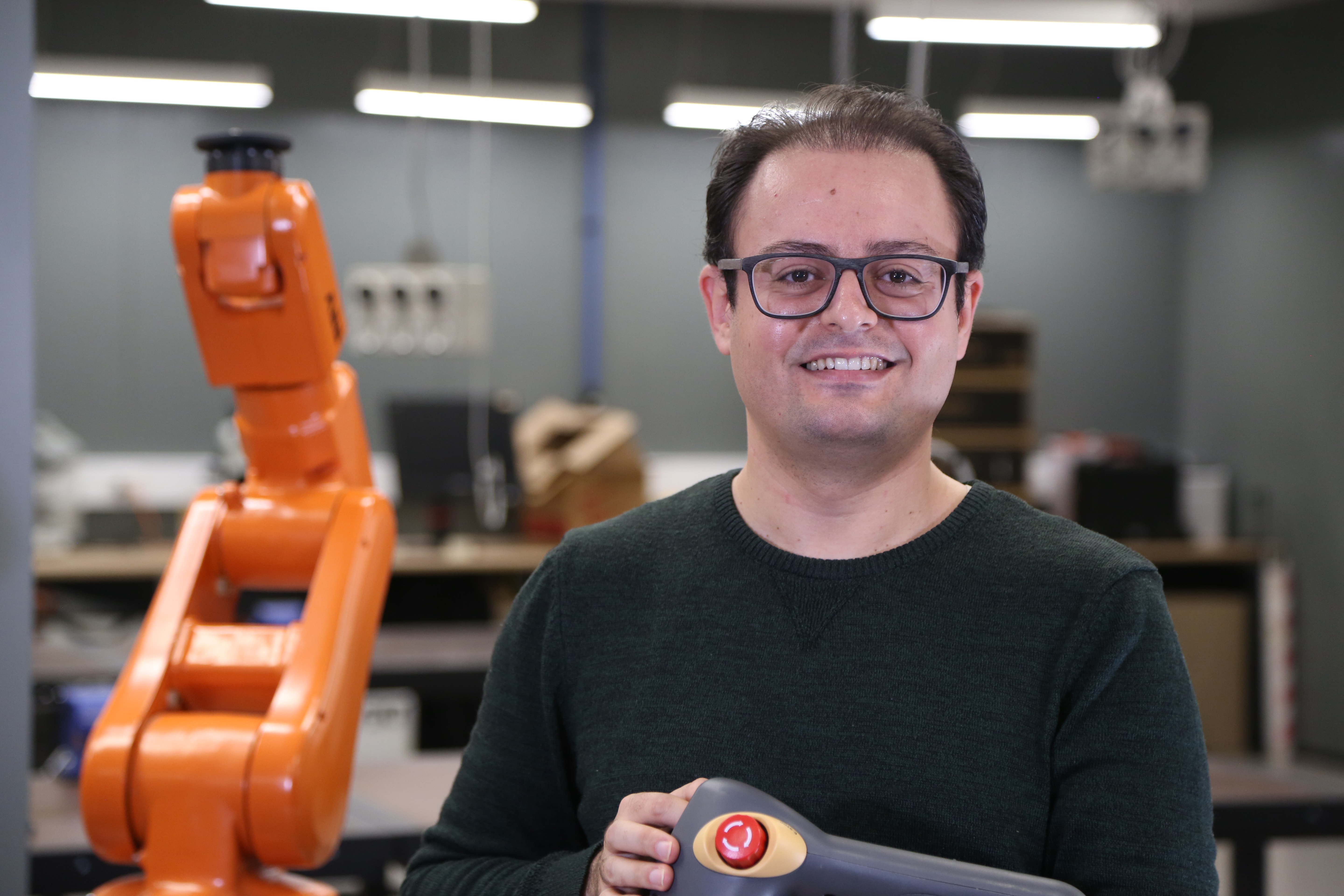
Mohamadreza Chalak Qazani
- Lecturer, Mechanical Engineering
- mohamadreza.chalakqazani@jcu.edu.au
Applications for Magnetic Resonance Image Guidance in Radiation Therapy in Prostate Cancer. (Old ID 27208)
Febrio Lunardo
29 Mar 2021 - 30 Sep 2024
Prostate cancer is a serious disease with a large burden on the Australian health system, often treated with radiation therapy (RT). A specific RT treatment called Magnetic resonance image-guided radiation therapy (MRIgRT) combines imaging with therapy to provide potentially superb targeting. In this project, technical machine learning solutions for novel applications of MRIgRT will be explored.
Portable genome sequencing as a point-of-care diagnostic test in remote tropical Australia. (Old ID 26407)
Matt Field
01 Aug 2019 - 31 Jul 2020
Respiratory disease, fevers, and sepsis are common in tropical northern Australia, and treatment often requires admission to hospital. We will trial new portable genome sequencing technology as a point-of-care diagnostic test for fever, sepsis, and pneumonia at Thursday Island Hospital in Far North Queensland. We will test the hypothesis that this new approach will increase the proportion of infections that are diagnosed and reduce the time it takes to achieve a diagnosis. Throughout the course of this project, clinical staff and health workers will have the opportunity to be trained in specimen preparation, genome sequencing, and data interpretation.
Tackling long-term food allergy among children to recurrent tropical allergens (Old ID 21737)
Ludwig Lopata
01 Jul 2014 - 31 Dec 2019
The aim of this research is to study the reactivity of allergens found in commonly consumed tropical foods by Australian children, for the development of improved allergy point-of-care diagnostic platforms for paediatric allergy in the tropics.
Jaragun Wetland Restoration (Old ID 27070)
Mostafa Rahimi Azghadi
30 Nov 2020 - 30 Nov 2021
A small wetland will be targeted for weed removal and replanting along Babinda Creek in this project. These restoration works will be monitored using a high-tech surveillance camera to live stream images from Jaragun’s website that track wetland restoration over time and its value to our birdlife. Overall, this project kick starts a struggling local community nestled in the heart of the wet tropics. This project is about creating green jobs and building a pathway for long term strategic investment into restoration and rehabilitation of the Russell River catchment.
Using novel eDNA technology to identify pollinators in tropical cocoa (Old ID 22911)
Megan Higgie
01 Sep 2016 - 31 Dec 2017
I am developing a career focused on identifying roles insects have in ecosystems, and methods to improve the services provided by insects to improve food production. To this end, I have paired in the proposed research two aims with different risk reward ratios focussed on insect pollination generally and pollination of cacao specifically. The first aim, to use molecular techniques to identify pollinators in Australian cocoa, includes very little risk and will serve to improve global relevance of my research and provide a basis for increased funding of cocoa research in Far North Queensland. This is because we have demonstrated tremendous potential to increase yields by providing pollinator habitat, but without identification of the pollinator species it is difficult to apply our research to other growing regions around the world. Demonstrating applicability of research conducted in Australian cocoa for other growing regions will allow me to apply for international aid grants and funding from international companies for research that uses JCU Cairns facilities for mechanistic studies paired with international fieldwork. I have already developed a relationship with Mars Chocolate, which benefit from this demonstration, and will expand my funding through ACIAR and ARC Linkage grants. The second aim of the study, to develop eDNA methods has a higher risk associated with it than Aim 1, given that we may not be able to identify pollinator presence from traces left behind on flowers. However, if we are successful, it will completely change the way pollination biology is researched, putting myself at the forefront of this new technology. One of the key questions remaining in ecology is what species provide pollination of crops and wild plants, and where in the landscape those services are provided. This technique will allow anyone, anywhere to identify which pollinators have visited which flowers in any type of flowering plant. Pioneering this broadly applicable methodology will put me in an ideal and unique position for funding and collaboration opportunities.
Geology and Ore Potential of the Tommy Creek Block, Mount Isa Inlier (Old ID 22960)
Ioan Sanislav
01 Sep 2016 - 31 Dec 2018
The objective of the proposal is to establish a new research project to understand the geological evolution of the prospective Tommy Creek Block, located near Cloncurry, utilising the expertise of geological staff and research facilities / resources at JCU, Cardiff University, and our industry partners Mount Isa Mines (MIM - Glencore and GBM Resources. These research partnerships will be further strengthened through this project. The project is designed to deliver benefits to the industry partners by providing an improved understanding of the geology of an active mineral exploration region, which will directly lead to better strategies for exploration and hence, enhanced prospects of exploration success. Such future mineral resource discovery is crucial to sustain the economic prosperity of Queensland. The project will provide industry with highly trained graduates with the specific skills sets needed to develop successful career paths in the minerals industry.
Coral Reef Health in the Coral Sea Marine Park (Old ID 24771)
Tom Bridge
05 Mar 2018 - 05 Jul 2020
A number of coral reefs occur in the Australian Marine Parks estate, particularly within the Coral Sea Marine Park (CSMP). In 2016 and 2017, coral reefs in the Great Barrier Reef Marine Park and CSMP were impacted by a mass global coral bleaching event. Regular surveys of coral bleaching and associated reef health in the CSMP are needed to inform future marine park management over the next three years to either enable comparisons against historical baselines where bleaching has previously occurred, or set new baselines for areas that aren’t bleached but may be in the future.
GBRF EOI Island Monitoring (Old ID 27698)
Nicholas Murray
01 Jun 2022 - 30 Jun 2024
The more than 1000 islands and cays in the Great Barrier Reef (GBR) World Heritage Area (GBRMPA spatial data, 2019) support a diverse range of ecological, cultural and economic values. Many are threatened by climate change, but monitoring and management is difficult as many cays are remote and difficult to access. This project will develop and implement an efficient drone-based hierarchical monitoring protocol based on the recognition and use of ‘natural ground control points’ that will enable more rapid and resource efficient capture of reef island status to inform management decisions.
GBRF EOI Island Monitoring (Old ID 27698)
Stephanie Duce
01 Jun 2022 - 30 Jun 2024
The more than 1000 islands and cays in the Great Barrier Reef (GBR) World Heritage Area (GBRMPA spatial data, 2019) support a diverse range of ecological, cultural and economic values. Many are threatened by climate change, but monitoring and management is difficult as many cays are remote and difficult to access. This project will develop and implement an efficient drone-based hierarchical monitoring protocol based on the recognition and use of ‘natural ground control points’ that will enable more rapid and resource efficient capture of reef island status to inform management decisions.
Enhanced weathering for carbon dioxide removal under tropical soil conditions
Michael Bird
01 Jul 2024 - 30 Dec 2027
To meet climate targets we must drastically reduce greenhouse gas emissions, but we will also need to remove carbon dioxide from the atmosphere. A novel ‘negative emission technology’ showing considerable promise is enhanced weathering. This involves applying crushed weatherable rock such as basalt to topsoil, where weathering reactions convert carbon dioxide gas to dissolved bicarbonate, which then flows to the sea where it is stored as bicarbonate or carbonate. In this project we will test the effect of soil properties and management factors on carbon dioxide removal via enhanced weathering in a tropical agricultural environment.
Complex growth rate evolution in a latitudinally widespread species
- 2004
- Wiley-Blackwell
- Researchers:Lin Schwarzkopf
Coral bleaching, reef fish community phase shifts and the resilience of coral reefs
- 2006
- Blackwell Publishing
- Researchers:David BellwoodAndrew Hoey
Regional-scale assembly rules and biodiversity of coral reefs
- 2001
- American Association for the Advancement of Science
- Researchers:David BellwoodTerry Hughes
Start Date:
01 Jan 2022
Start Date:
01 Jan 1987
Start Date:
01 Jan 2018
End Date:
01 Jan 2021
Start Date:
01 Jan 2011
End Date:
01 Jan 2022
Start Date:
01 Jan 2023
Title:
Topics board editor: Cancers
Start Date:
01 Jan 2021
Start Date:
01 Jan 2024
Start Date:
01 Jan 2015
Start Date:
01 Jan 2022