
College of Science & Engineering

Sophia Love
- Doctor of Philosophy (Natural and Physical Sciences)
- sophie.love@jcu.edu.au
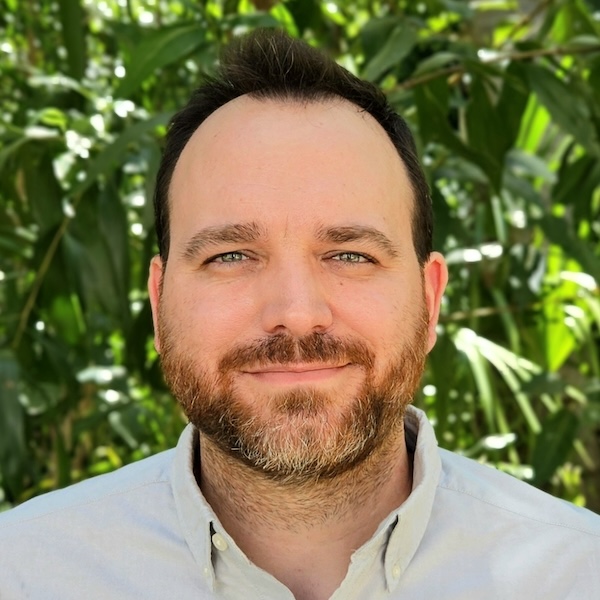
Romain Vaucher
- Senior Lecturer, Sedimentology
- romain.vaucher@jcu.edu.au

Jenny Fisher
- Associate Dean, Learning and Teaching
- jenny.fisher@jcu.edu.au

Ambili Narayanan
- Doctor of Philosophy (Natural and Physical Sciences)
- ambili.narayanan@my.jcu.edu.au

Sarfaraz Ali
- Postdoctoral Research Fellow
- sarfaraz.ali@jcu.edu.au

Mikaeylah Davidson
- Postdoctoral Research Fellow
- mikaeylah.davidson@jcu.edu.au

Liuxin Chen
- Lecturer
- liuxin.chen@jcu.edu.au
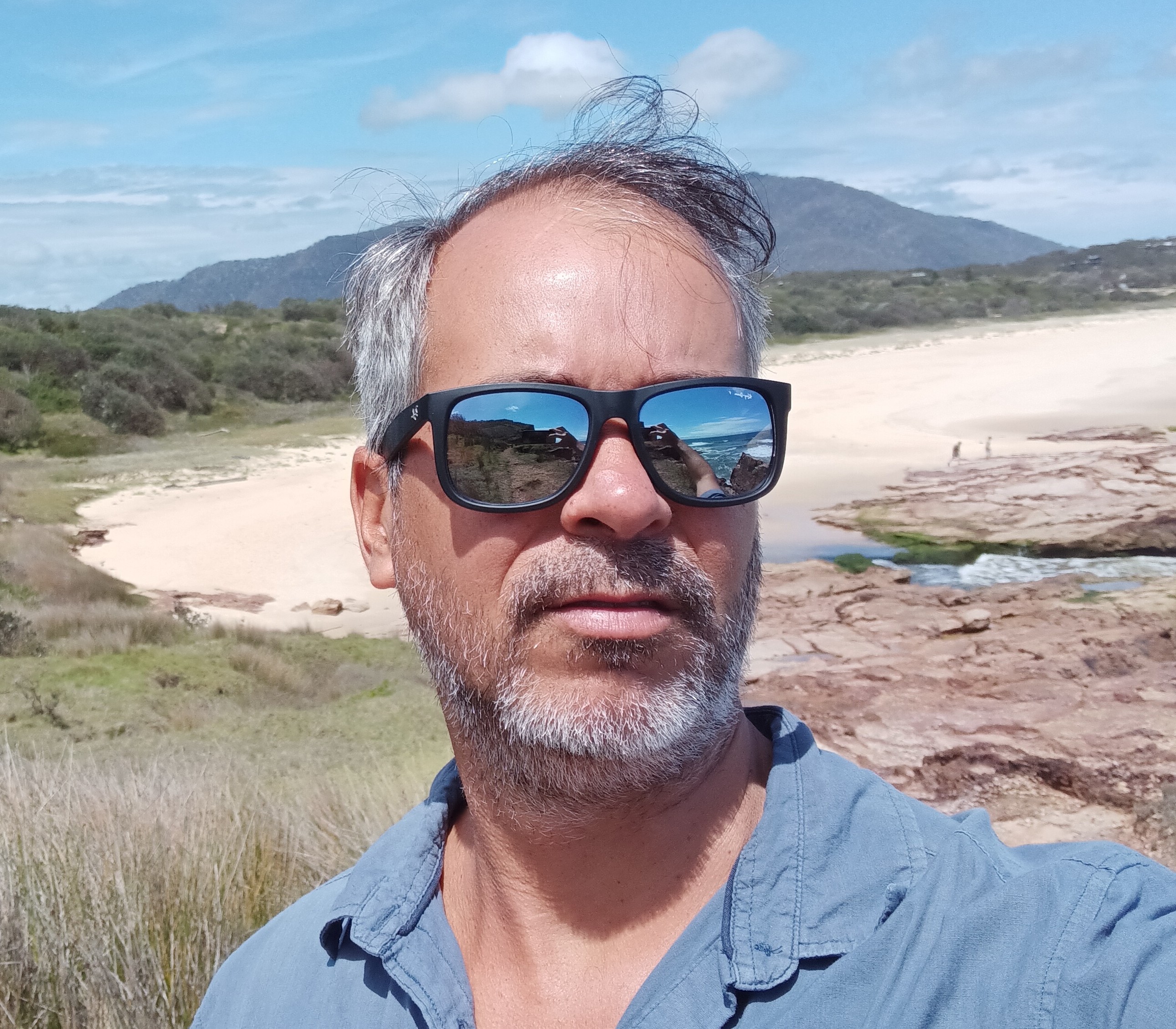
Rafael Cabral Carvalho
- Lecturer, Marine Geoscience
- rafael.cabralcarvalho@jcu.edu.au
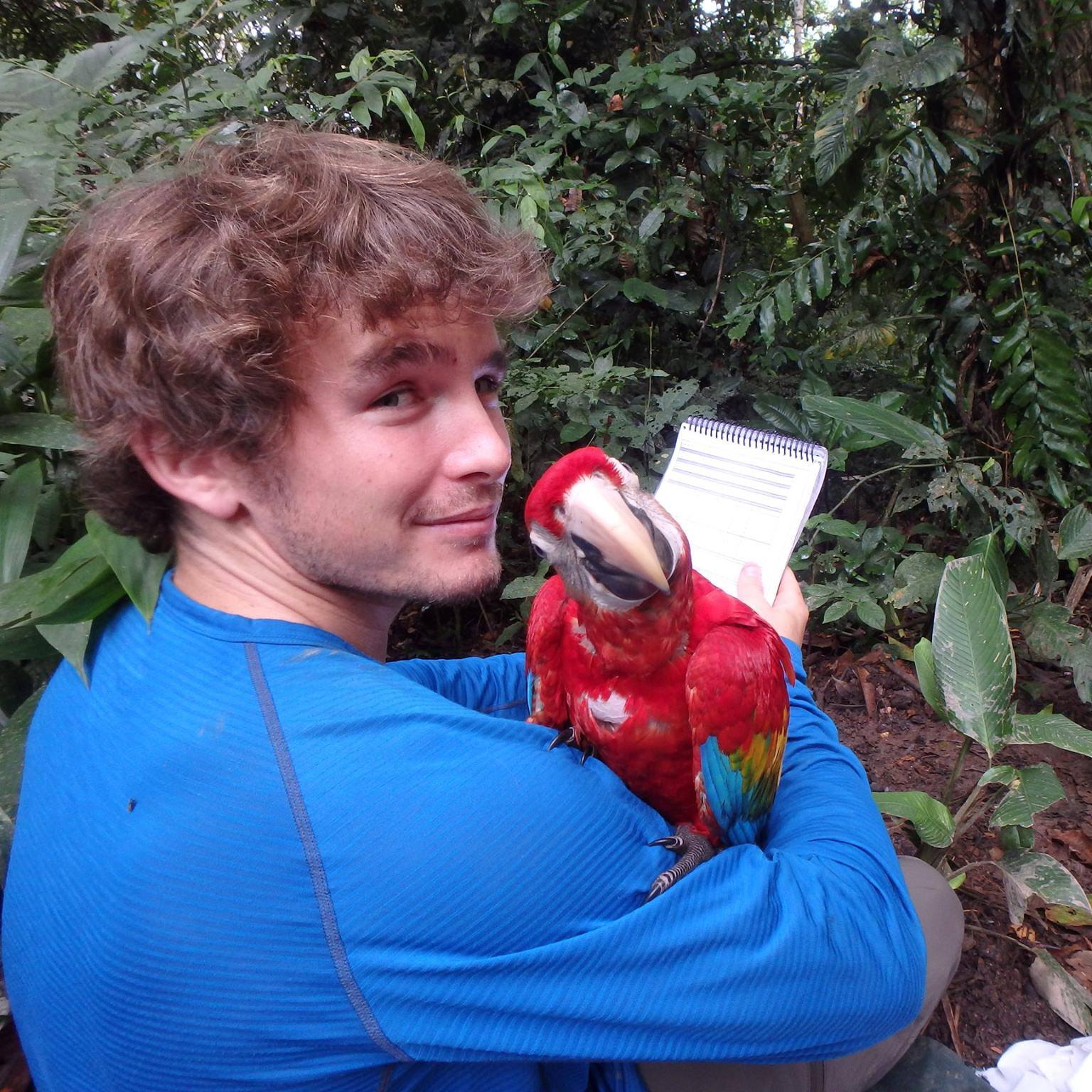
Tom Lloyd
- Postdoctoral Research Fellow, Global Ecosystems
- tom.lloyd@jcu.edu.au
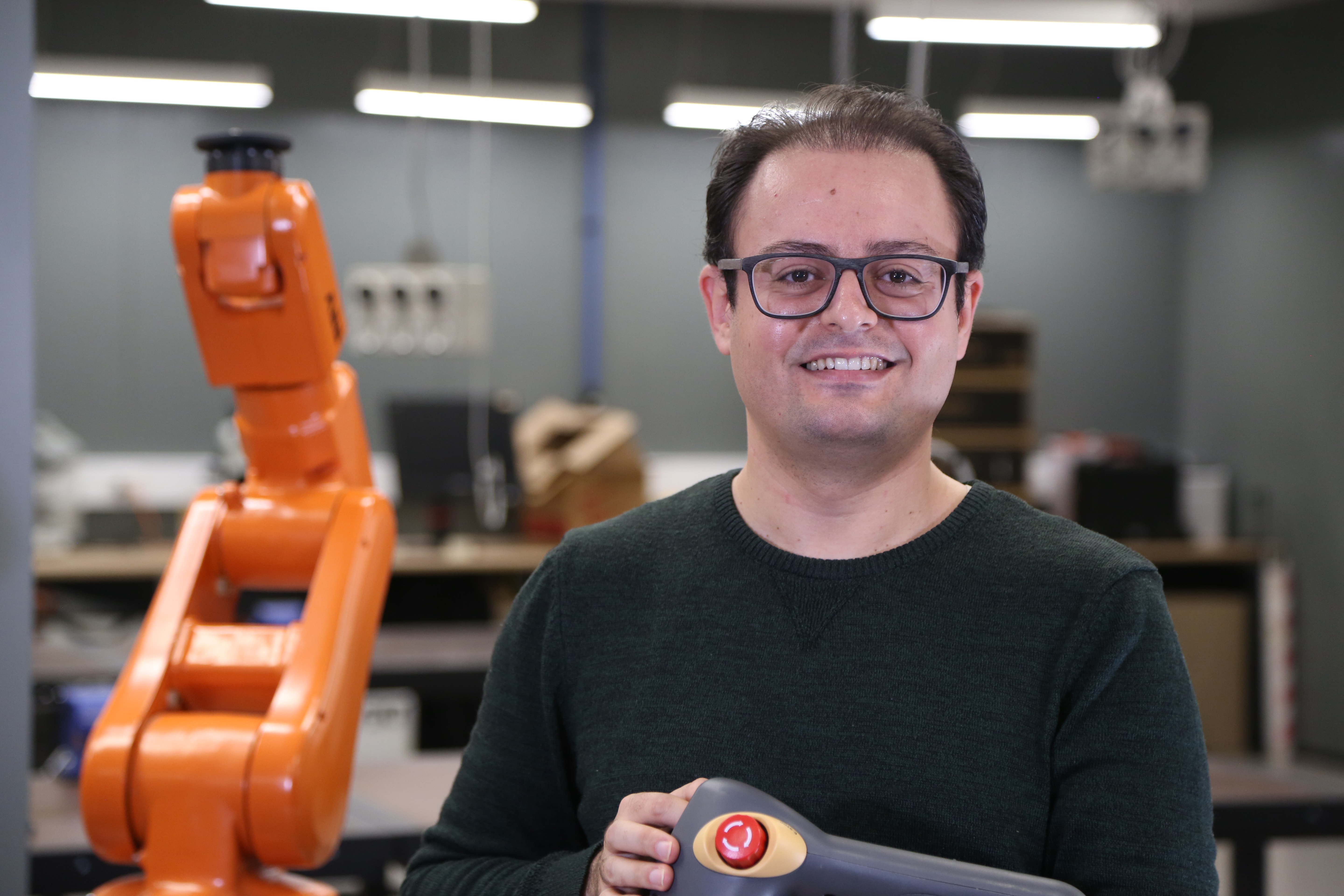
Mohamadreza Chalak Qazani
- Lecturer, Mechanical Engineering
- mohamadreza.chalakqazani@jcu.edu.au
Rebuilding with Nature - Japan
Nathan Waltham
30 Sep 2025 - 30 Sep 2026
Rebuilding with Nature is a company in Japan looking to partner with JCU to explore research capabilities and areas in the marine and coastal ecosystem space. The Non-Disclosure Agreement will commence discussions and to explore research opportunities.
Study of circulating human papillomavirus (HPV) DNA in HPV-related oropharyngeal squamous cell carcinoma (HPV-OPSCC)
Ludwig Lopata
07 Oct 2025 - 07 Oct 2026
Background: HPV is an established cause of the majority of oropharyngeal cancer cases in Australia, with incidence rates continuing to rise. Despite its favourable prognosis with current treatments, post-treatment surveillance for HPV-OPSCC remains challenging, requiring frequent visits to tertiary hospitals for clinical assessments and imaging. This imposes a significant burden on patients in terms of time and cost, as well as on the healthcare system.
Models suggest that incorporating circulating tumour biomarkers into surveillance protocols offers a more cost-effective alternative while maintaining clinical efficacy. The detection of HPV DNA in the blood (circulating HPV DNA, or cHPV-DNA) has shown promise as a non-invasive biomarker that can reliably identify disease recurrence before clinical symptoms or imaging abnormalities arise [2]. This early detection has the potential to enable timely salvage treatments, improving survival rates and reducing treatment-associated morbidity. This research also explores the integration of cHPV-DNA testing into current surveillance frameworks, with the goal of reducing patient visits and reliance on resource-intensive imaging. Additionally, the project has the potential to contribute to the development of personalized, response-adapted treatment strategies for HPV-OPSCC, by identifying patients at higher risk of recurrence or those who may benefit from de-escalated therapy.
Dating West Antarctic ice sheet collapse using molecular sequence data (Old ID 24850)
Jan Strugnell
01 Jan 2019 - 31 Dec 2022
This project aims to investigate the past stability and configuration of the West Antarctic Ice Sheet by examining genomic signatures in present day bottom-dwelling Antarctic marine animals. By employing this novel biological approach to address a key question for physical scientists, this project will provide an independent test of the hypothesis that the West Antarctic Ice Sheet collapsed during the most recent interglacial and formed a transAntarctic seaway. Expected project outcomes include increased resolution of the most recent collapse of the West Antarctic Ice Sheet. This should provide significant benefits in predicting future collapse and its impact on sea level rise which is a key uncertainty resulting from climate change.
Breeding Biology, Movement Ecology, and Conservation Genetics of the Endangered Black-throated Finch
Lyanne Brouwer
21 Oct 2025 - 21 Oct 2027
This research project aims to conserve the endangered Southern Black-throated Finch by using a comprehensive methodological approach. Utilizing automated radio telemetry, the study will track the finch's movement patterns and habitat utilization. Observations of breeding behavior will identify reproductive constraints and factors influencing nesting success. Additionally, population genetics will be analyzed through whole-genome sequencing of both new and historic samples to assess genetic diversity and trends. This integrative study will provide vital ecological insights and inform effective conservation actions in the bird's remaining habitats in the Townsville Coastal Plains.
Testing established methods of early prediction of genetic merit in abalone broodstock (Old ID 24872)
Jan Strugnell
04 Jun 2018 - 31 Dec 2020
There is a need in the abalone industry to improve production animals. However, abalone are relatively slow growing animals and take several years to reach harvest size. This means that during the establishment of foundation broodstock populations it may be several years before the relative genetic merit of each of the broodstock can be determined and the first selection decisions made. Researchers at JCU have addressed this time-lag problem of obtaining accurate genetic estimated breeding values (gEBV) in other species. They have shown that broodstock gEBV can be estimated accurately from larvae as early as 18 days through the targeting of growth processes at the cellular level that predict genetic-determined long-term growth. This method is as yet untested in abalone, but if successful, has great potential in helping screen broodstock. This project will test the efficacy of this early prediction method in abalone. The impact of this early detection method would be to save costs by assisting in the selection of superior broodstock individuals which would produce faster growing offspring. Currently new broodstock animals are unevaluated with regard to their genetic merit.
Method Development Support Initiative: Feral Ungulate Management
Nathan Waltham
28 Mar 2025 - 30 Jun 2026
A research contract for Method Development Support Initiative: Feral Ungulate Management with a focus on assisting in the development of an initial draft method, including spatial and aquatic indicators and remote sensing methods, followed by stakeholder workshops and fieldwork verification.
LoRaWAN Rain Gauge Prototype Field Testing (Old ID 26229)
Wei Xiang
01 Oct 2018 - 23 Nov 2018
This project involves conducting field testing of a LoRaWAN rain gauge prototype that was developed collaboratively between JCU and CSIRO. The prototype system uses cutting-edge low-power long-range IoT communications technology to transmit rainfall data from rain gauges in to a cloud system designed by CSIRO. The objective of the field testing is to determine whether the developed prototype is suitable for a deployed system in the Wet Tropics.
Understanding the hydrology and water quality of a natural tropical wetland
HanShe Lim
01 Oct 2025 - 30 Sep 2028
This is a non-funded project done in collaboration with QLD DETSI, DPI and Terrain NRM to examine the hydrology and water quality behaviour of a natural wetland in tropical Far North Queensland. We will use tracers and extensive field monitoring to determine the water budget, residence time and dominant flow pathways of water through the wetland. We will also calculate nutrient/carbon/pesticide/herbicide load reductions from this natural wetland. These aims are achieved via multi-approach field data collection that includes water and soil sampling for nutrients, pesticides/herbicides, carbon and eDNA. This project represents a crucial collaboration between Queensland Government (DETSI) and important NRM group in our region and has the potential to secure future funding from the Federal Government.
Understanding population growth time lags in invasive species: Chital deer as a model system. (Old ID 26559)
Ben Hirsch
11 Oct 2019 - 09 Oct 2025
Lags in population growth of introduced species are common, but poorly understood. Chital deer (Axis axis) are an invasive species introduced to Australia over 130 years ago, but their numbers have only increased dramatically in the past 30-40 years. We will use data collected from wild animals, landholder surveys, and computer simulation models to clarify causes of sudden population expansion in more detail. Understanding lags will allow us to understand their causes, and better control populations of invasive species. By predicting drivers of rapid population growth, we can better mitigate the associated economic and environmental costs of invasive species.
Harnessing animal genomes to understand East Antarctic Ice Sheet melt history
Sally Lau
03 Nov 2025 - 31 Dec 2027
The East Antarctic Ice Sheet (EAIS) holds enough water to raise global sea levels by 19m, yet its sensitivity to warming is
deeply uncertain. This project aims to understand whether the EAIS experienced significant melting during the unusually
warm periods in the last one million years, when average temperatures reached ~0.5-5°C warmer than today, with global sea
levels up to 20m higher. It does so by investigating marine animal evolutionary history restricted along the EAIS margin,
which can reveal the sizes of the available seafloor habitat in the last one million years, to reconstruct the EAIS extent
through time. Understanding whether the EAIS experienced mass loss during past warm periods, the sensitivity of the ice
sheet to warming can be established. By providing empirical evidence pinpointing the thresholds of EAIS instability, this
project will benefit the ability of policymakers to plan and mitigate against impending global sea level rise.
Organic matter, sodicity and soil structure
- 1998
- Oxford University Press
- Researchers:Paul Nelson
Argument free clustering via boundary extraction for massive point-data Sets
- 2002
- Researchers:Ickjai Lee
Title:
Mandarin Chinese
Start Date:
01 Jan 2019
Title:
JCU Biosafety Committee
Start Date:
01 Jan 2017
End Date:
01 Jan 2019
Start Date:
01 Jan 2016
Start Date:
01 Jan 2015
End Date:
01 Jan 2020
Start Date:
01 Jan 2012
End Date:
01 Jan 2015
Start Date:
01 Jan 2013
End Date:
01 Jan 2014
Start Date:
01 Jan 2021
Start Date:
15 Jul 2026
Start Date:
01 Jan 2014