
College of Science & Engineering

Sophia Love
- Doctor of Philosophy (Natural and Physical Sciences)
- sophie.love@jcu.edu.au
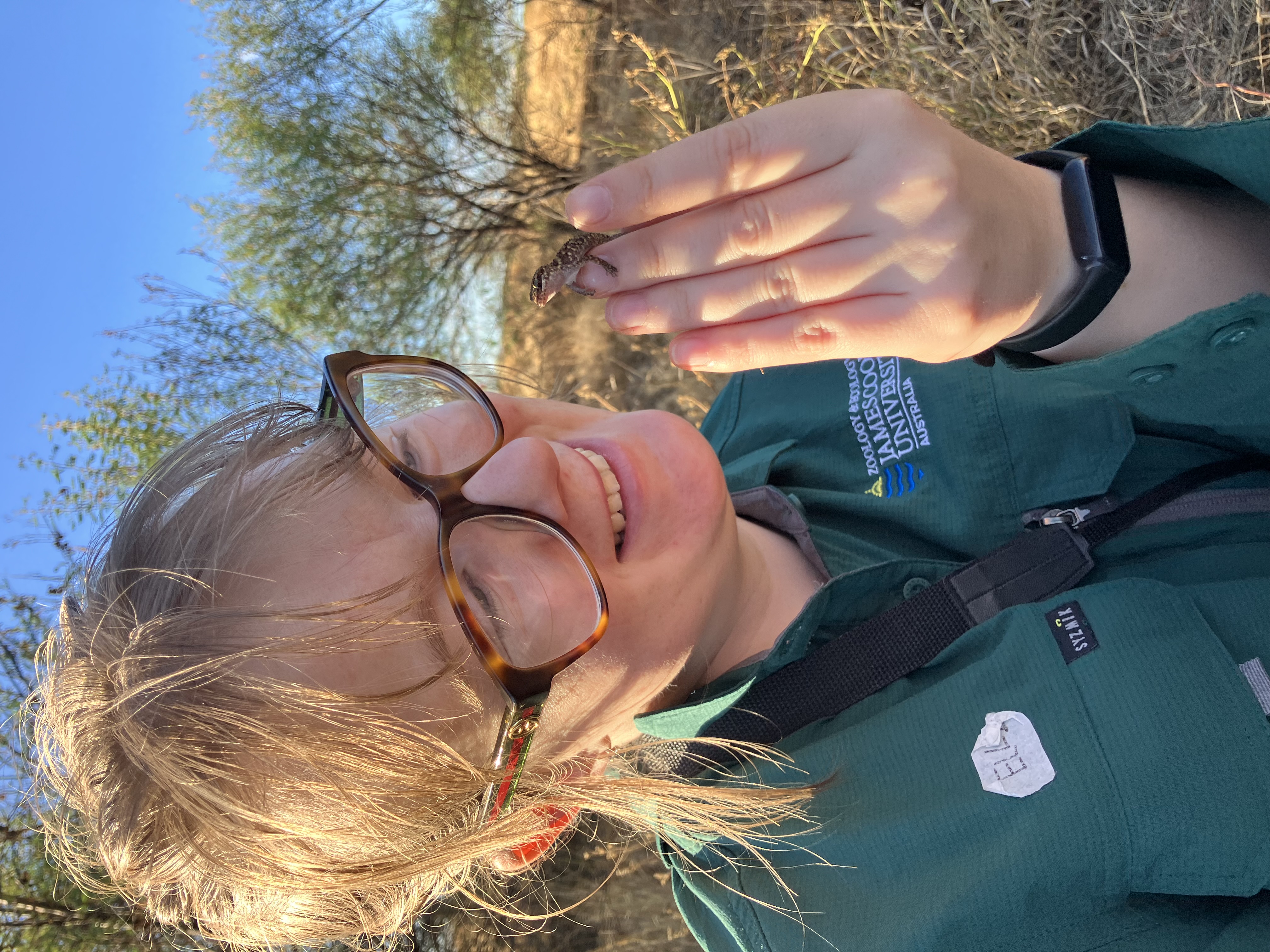
Elle Robertson
- Doctor of Philosophy (Agriculture, Environmental and Related Studies)
- elle.robertson@jcu.edu.au
Romain Vaucher
- Senior Lecturer, Sedimentology
- romain.vaucher@jcu.edu.au
Jenny Fisher
- Associate Dean, Learning and Teaching
- jenny.fisher@jcu.edu.au

Ambili Narayanan
- Doctor of Philosophy (Natural and Physical Sciences)
- ambili.narayanan@my.jcu.edu.au

Sarfaraz Ali
- Postdoctoral Research Fellow
- sarfaraz.ali@jcu.edu.au
Mikaeylah Davidson
- Postdoctoral Research Fellow
- mikaeylah.davidson@jcu.edu.au
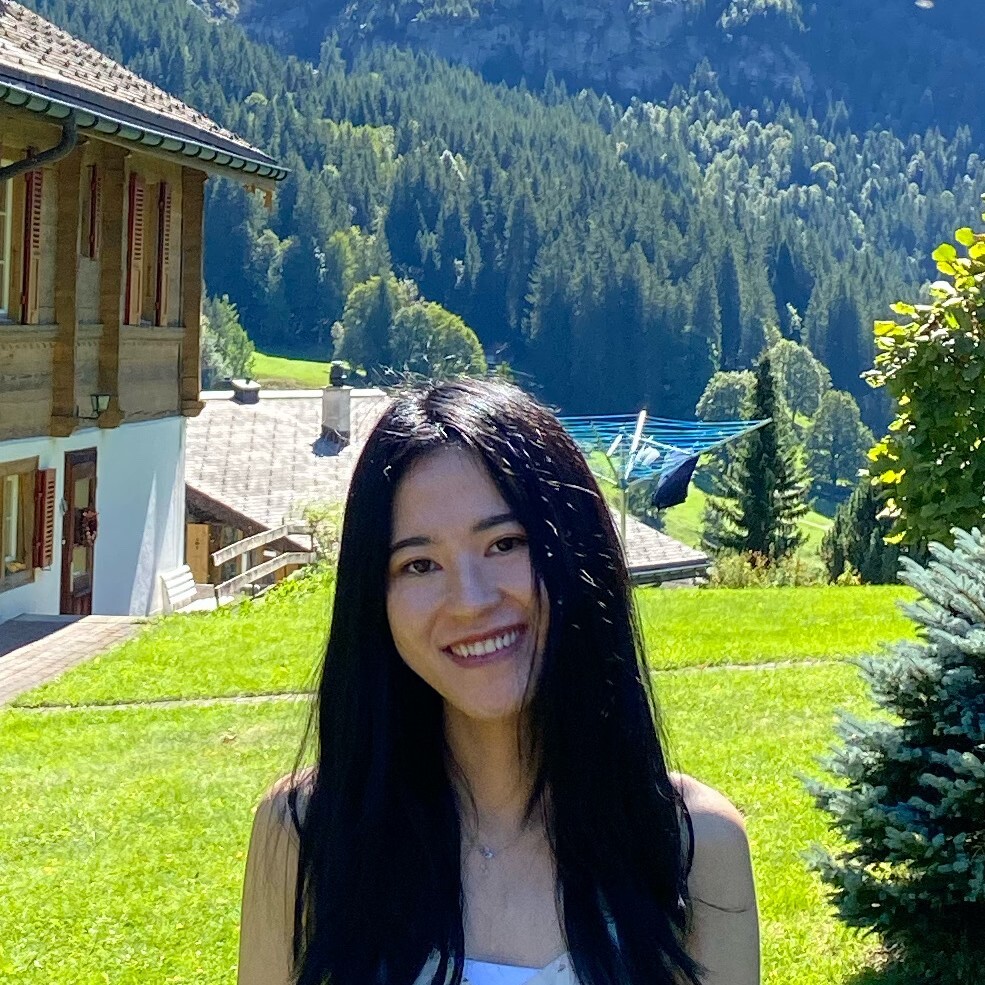
Liuxin Chen
- Lecturer
- liuxin.chen@jcu.edu.au
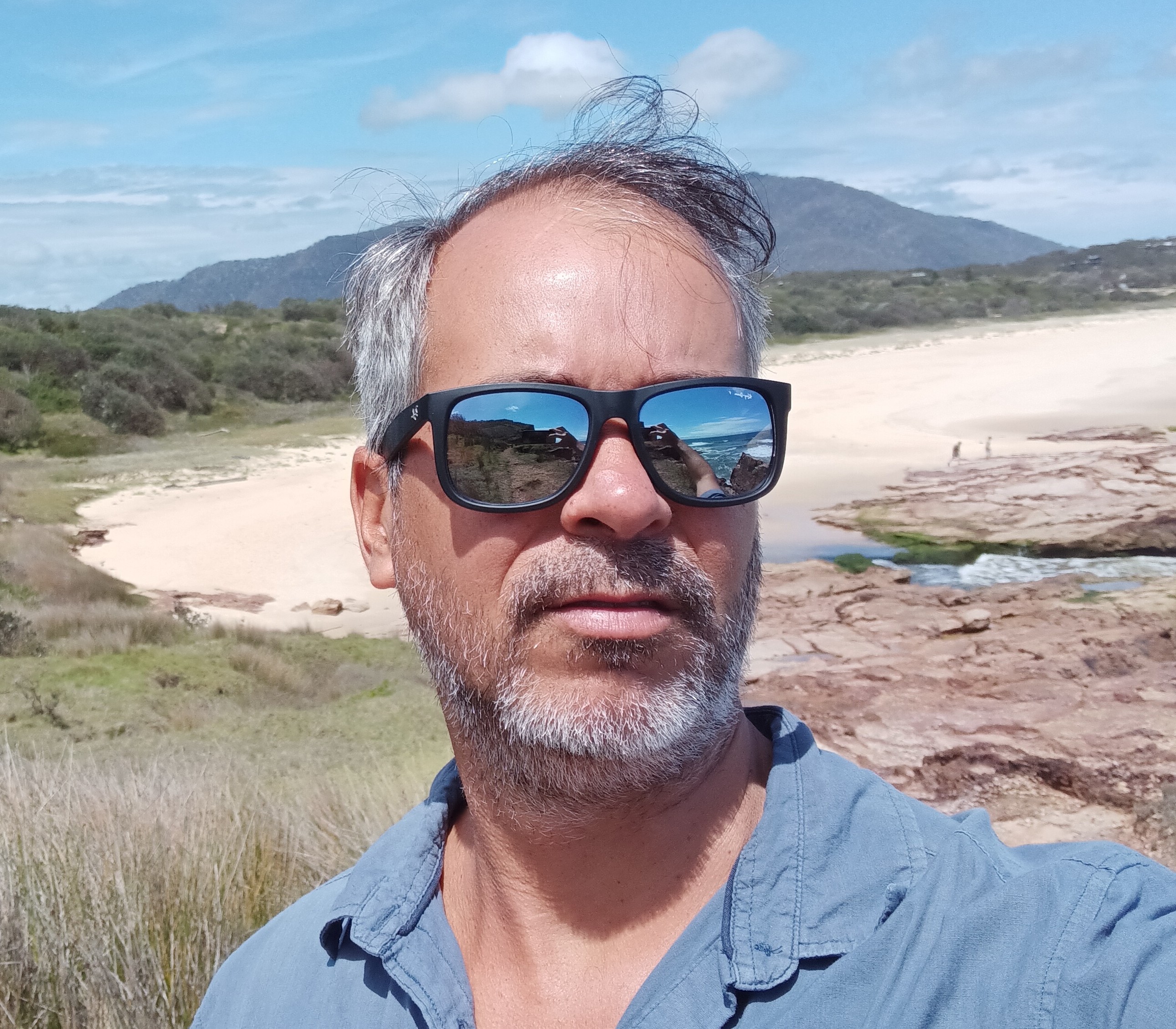
Rafael Cabral Carvalho
- Lecturer, Marine Geoscience
- rafael.cabralcarvalho@jcu.edu.au
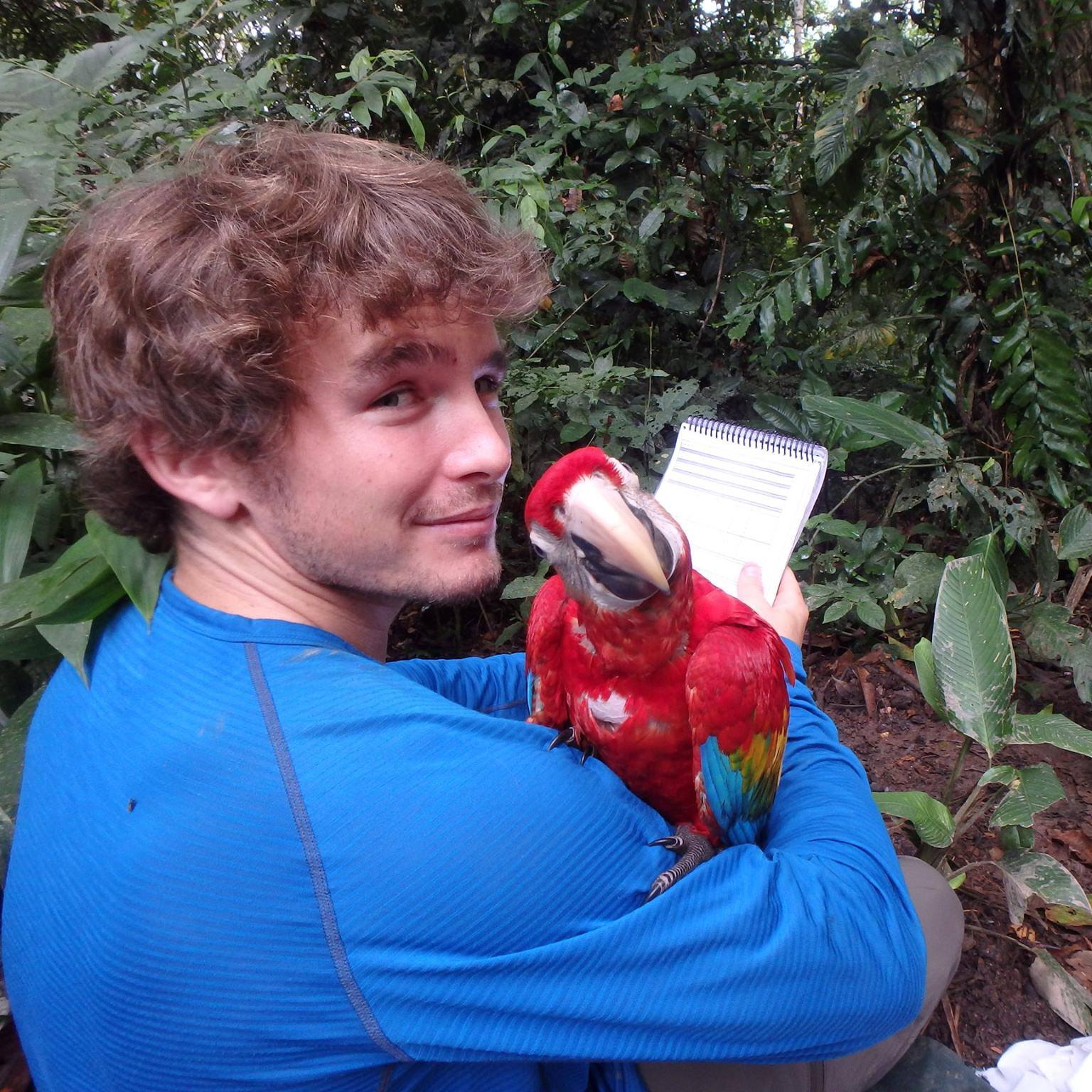
Tom Lloyd
- Postdoctoral Research Fellow, Global Ecosystems
- tom.lloyd@jcu.edu.au
Optimising the geophysical ore body model to aid in the discovery of new critical mineral deposits
This project aims to develop advanced geophysical tools that can help exploration companies identify critical mineral resources. Current geophysical exploration methods—such as magnetic, electric, gravimetric, magnetotelluric, radiometric, and seismic surveys—are commonly used in the industry to detect geophysical anomalies. However, many detected anomalies do not contain mineralization due to a lack of tools to identify the specific geophysical signatures of ore bodies.
Our goal is to create tools that enable explorers to distinguish between barren and mineralized anomalies, enhancing the accuracy of mineral discovery. Currently, there is limited knowledge on the specific geophysical responses of mineralized ore bodies. Some preliminary research by CSIRO on IOCG deposits in Cloncurry suggests that combining geological and petrophysical data can model an ore body's geophysical response.
Genetic sequencing analysis of Nangur spiny skink tissue samples to inform the captive breeding program
This project will be undertaken as laboratory analysis of genetic sequencing data of 41 captive N. spinosa tissue samples that will inform pairing for the captive breeding program at the Walkabout Creek Discovery Centre captive breeding facility.
Genetic sequencing analysis of Nangur spiny skink tissue samples to inform the captive breeding program
This project will be undertaken as laboratory analysis of genetic sequencing data of 41 captive N. spinosa tissue samples that will inform pairing for the captive breeding program at the Walkabout Creek Discovery Centre captive breeding facility.
Emerging technologies for advanced geochemical exploration undercover
Isotope geochemistry can provide powerful insights to the sources or process involved in the formation of an ore deposit. Weathering ore bodies produce unique isotopic fingerprints which can be tracked by using groundwater to undertake exploration undercover. There has been increasing commercial interest in searching for Cu a critical element for the green energy transition through this sustainable technique. However, current approaches suffer from several limitations due to the saline nature of groundwater which limits the sample size that can be routinely processed. This project will use automated separation techniques to achieve greater enrichment factors to enable high precision isotope measurements.
Emerging technologies for advanced geochemical exploration undercover
Isotope geochemistry can provide powerful insights to the sources or process involved in the formation of an ore deposit. Weathering ore bodies produce unique isotopic fingerprints which can be tracked by using groundwater to undertake exploration undercover. There has been increasing commercial interest in searching for Cu a critical element for the green energy transition through this sustainable technique. However, current approaches suffer from several limitations due to the saline nature of groundwater which limits the sample size that can be routinely processed. This project will use automated separation techniques to achieve greater enrichment factors to enable high precision isotope measurements.
Emerging technologies for advanced geochemical exploration undercover
Isotope geochemistry can provide powerful insights to the sources or process involved in the formation of an ore deposit. Weathering ore bodies produce unique isotopic fingerprints which can be tracked by using groundwater to undertake exploration undercover. There has been increasing commercial interest in searching for Cu a critical element for the green energy transition through this sustainable technique. However, current approaches suffer from several limitations due to the saline nature of groundwater which limits the sample size that can be routinely processed. This project will use automated separation techniques to achieve greater enrichment factors to enable high precision isotope measurements.
Emerging technologies for advanced geochemical exploration undercover
Isotope geochemistry can provide powerful insights to the sources or process involved in the formation of an ore deposit. Weathering ore bodies produce unique isotopic fingerprints which can be tracked by using groundwater to undertake exploration undercover. There has been increasing commercial interest in searching for Cu a critical element for the green energy transition through this sustainable technique. However, current approaches suffer from several limitations due to the saline nature of groundwater which limits the sample size that can be routinely processed. This project will use automated separation techniques to achieve greater enrichment factors to enable high precision isotope measurements.
High-throughput neutron tomography core scanner for critical minerals resources
This project aims to develop a drill core scanner based on neutron tomography technology.
High-throughput neutron tomography core scanner for critical minerals resources
This project aims to develop a drill core scanner based on neutron tomography technology.
High-throughput neutron tomography core scanner for critical minerals resources
This project aims to develop a drill core scanner based on neutron tomography technology.
The global distribution and trajectory of tidal flats
- 2019
- Nature Publishing Group
- Researchers:Nicholas Murray
Selecting and applying indicators of ecosystem collapse for risk assessments
- 2018
- Wiley-Blackwell
- Researchers:Nicholas Murray
Remap: An online remote sensing application for land cover classification and monitoring
- 2018
- Wiley-Blackwell
- Researchers:Nicholas Murray
The large-scale drivers of population declines in a long-distance migratory shorebird
- 2018
- Wiley-Blackwell
- Researchers:Nicholas Murray
Scaling range sizes to threats for robust predictions of risks to biodiversity
- 2018
- Wiley-Blackwell
- Researchers:Nicholas Murray
Biodiversity and China's new Great Wall
- 2018
- Blackwell Publishing
- Researchers:Nicholas Murray
The use of range size to assess risks to biodiversity from stochastic threats
- 2017
- Blackwell Publishing
- Researchers:Nicholas Murray
Start Date:
01 Jan 2004
End Date:
01 Jan 2006
Start Date:
01 Jan 2007
End Date:
01 Jan 2007
Title:
PhD, James Cook University
Start Date:
01 Jan 2002
End Date:
01 Jan 2005
Start Date:
01 Jan 1996
End Date:
01 Jan 1999
Start Date:
01 Jan 2003
End Date:
01 Jan 2004
Start Date:
01 Jan 2024
Start Date:
01 Jan 2013
End Date:
01 Jan 2016
Title:
PhD, University of Cape Town
Start Date:
01 Jan 2008
End Date:
01 Jan 2012
Start Date:
01 Jan 2012
End Date:
01 Jan 2012
Start Date:
01 Jan 2019