
College of Science & Engineering

Sophia Love
- Doctor of Philosophy (Natural and Physical Sciences)
- sophie.love@jcu.edu.au
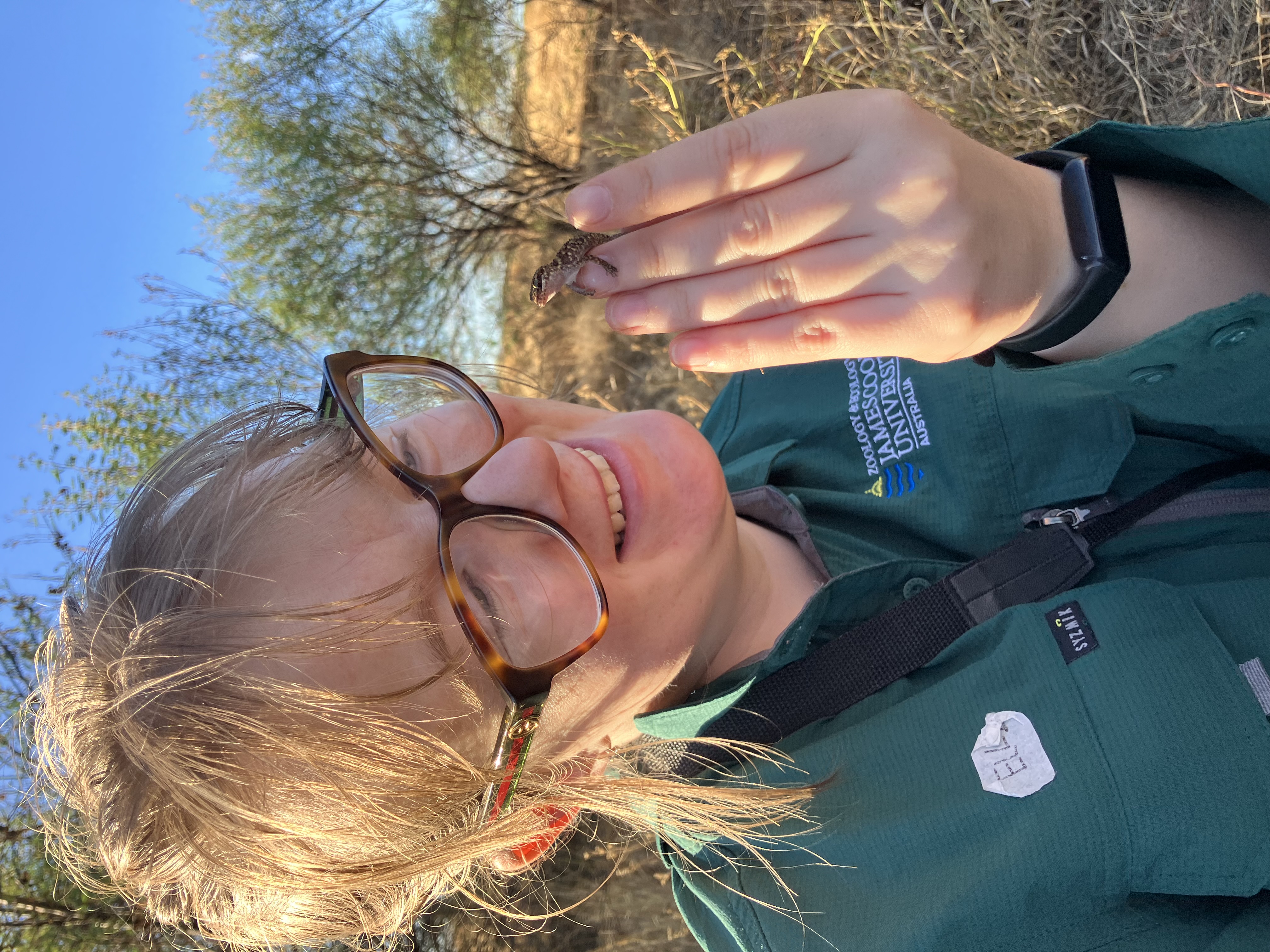
Elle Robertson
- Doctor of Philosophy (Agriculture, Environmental and Related Studies)
- elle.robertson@jcu.edu.au
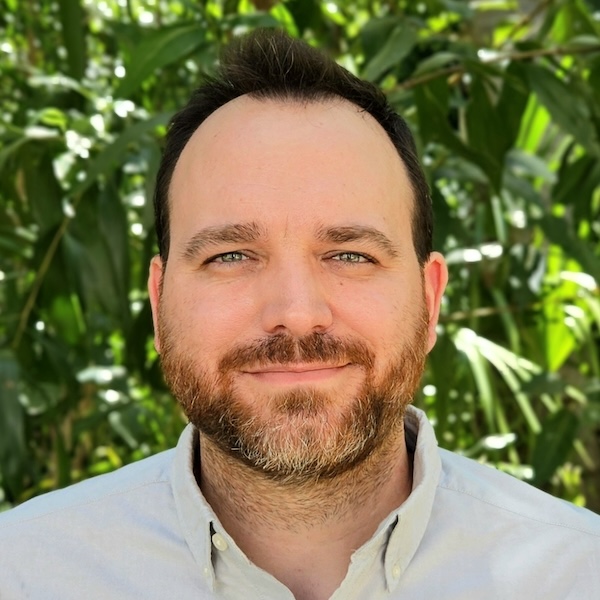
Romain Vaucher
- Senior Lecturer, Sedimentology
- romain.vaucher@jcu.edu.au

Jenny Fisher
- Associate Dean, Learning and Teaching
- jenny.fisher@jcu.edu.au

Ambili Narayanan
- Doctor of Philosophy (Natural and Physical Sciences)
- ambili.narayanan@my.jcu.edu.au

Sarfaraz Ali
- Postdoctoral Research Fellow
- sarfaraz.ali@jcu.edu.au
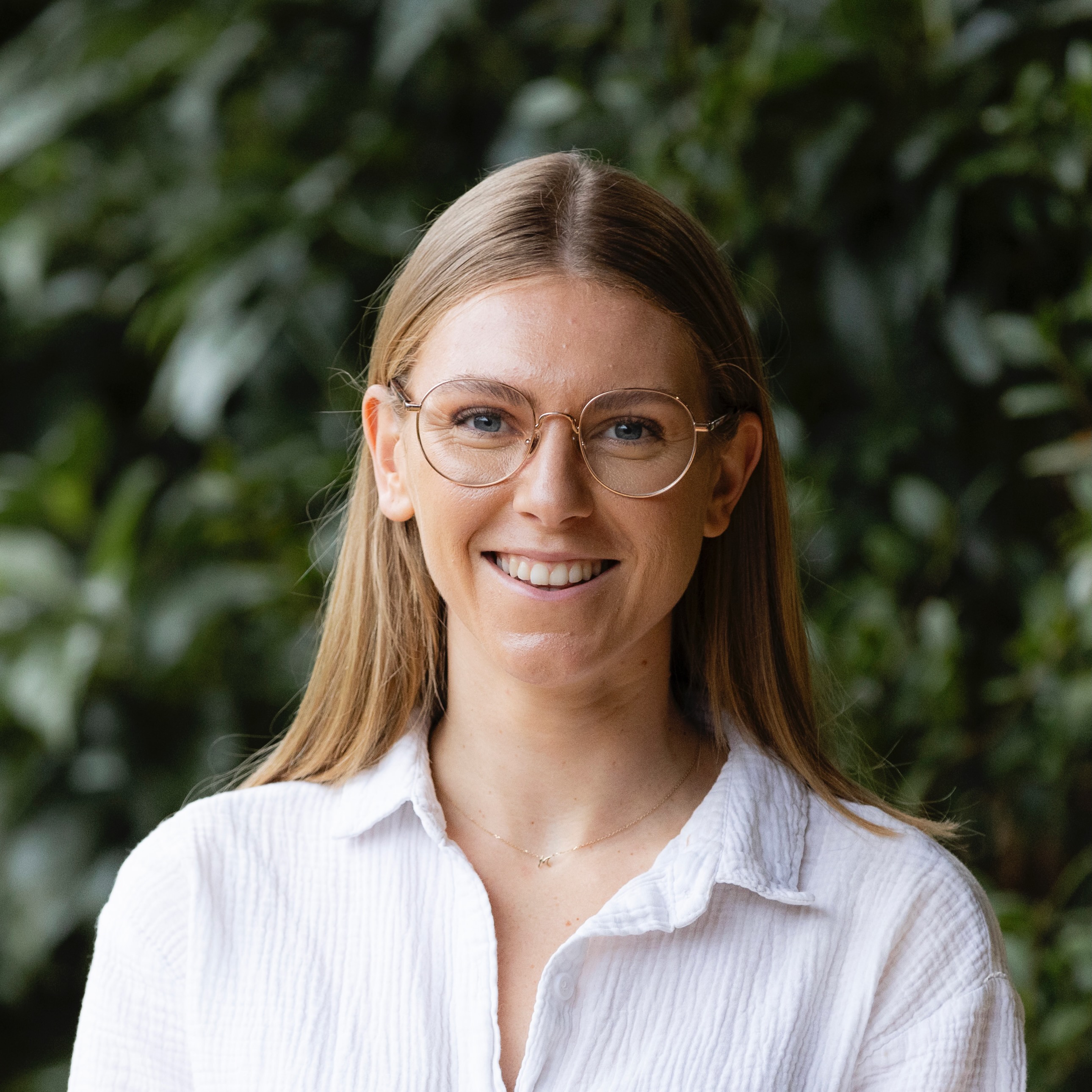
Mikaeylah Davidson
- Postdoctoral Research Fellow
- mikaeylah.davidson@jcu.edu.au
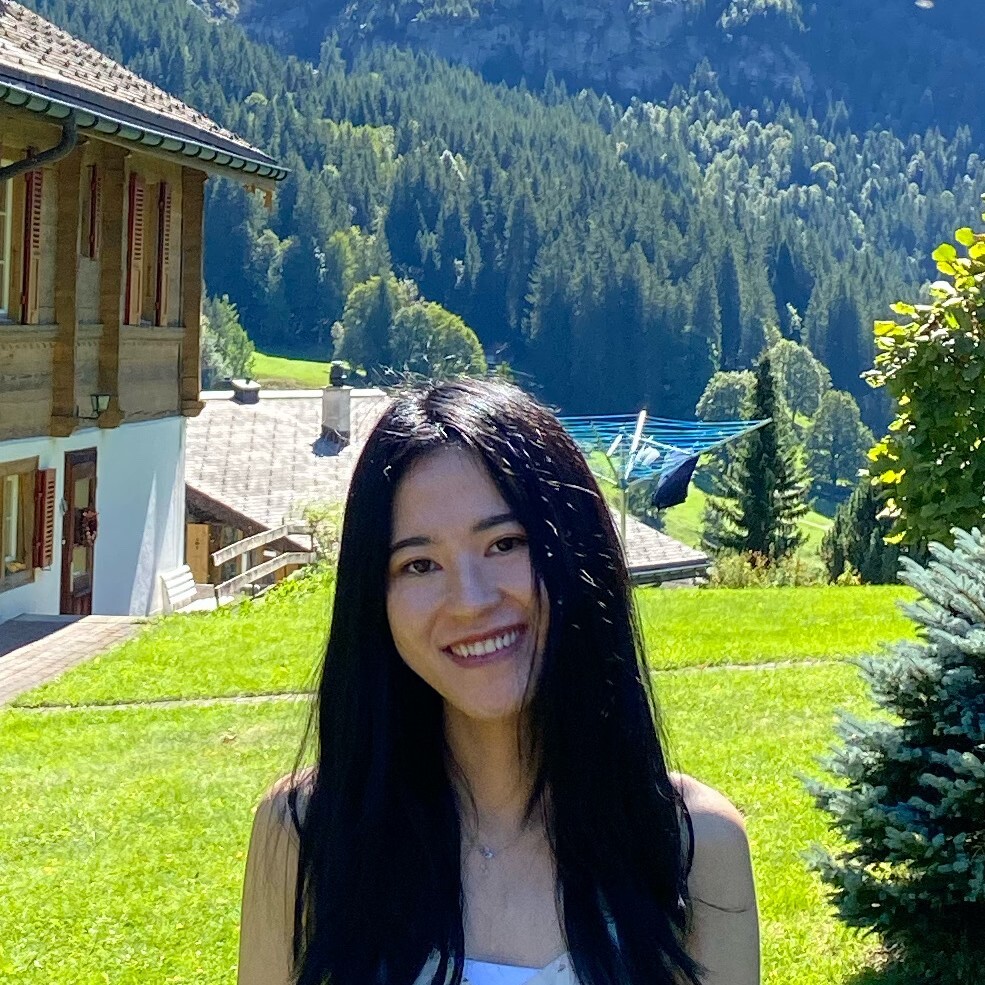
Liuxin Chen
- Lecturer
- liuxin.chen@jcu.edu.au
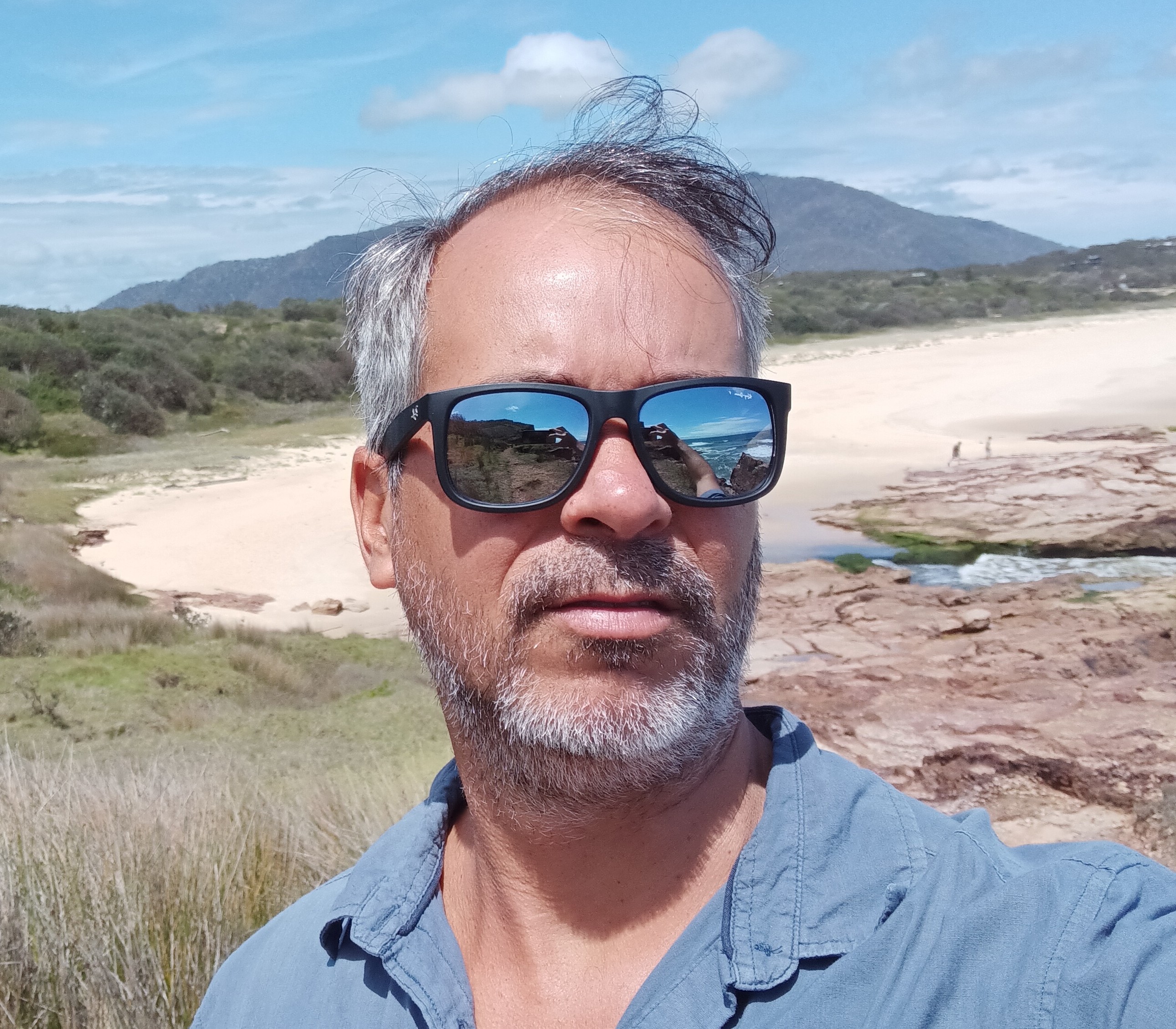
Rafael Cabral Carvalho
- Lecturer, Marine Geoscience
- rafael.cabralcarvalho@jcu.edu.au
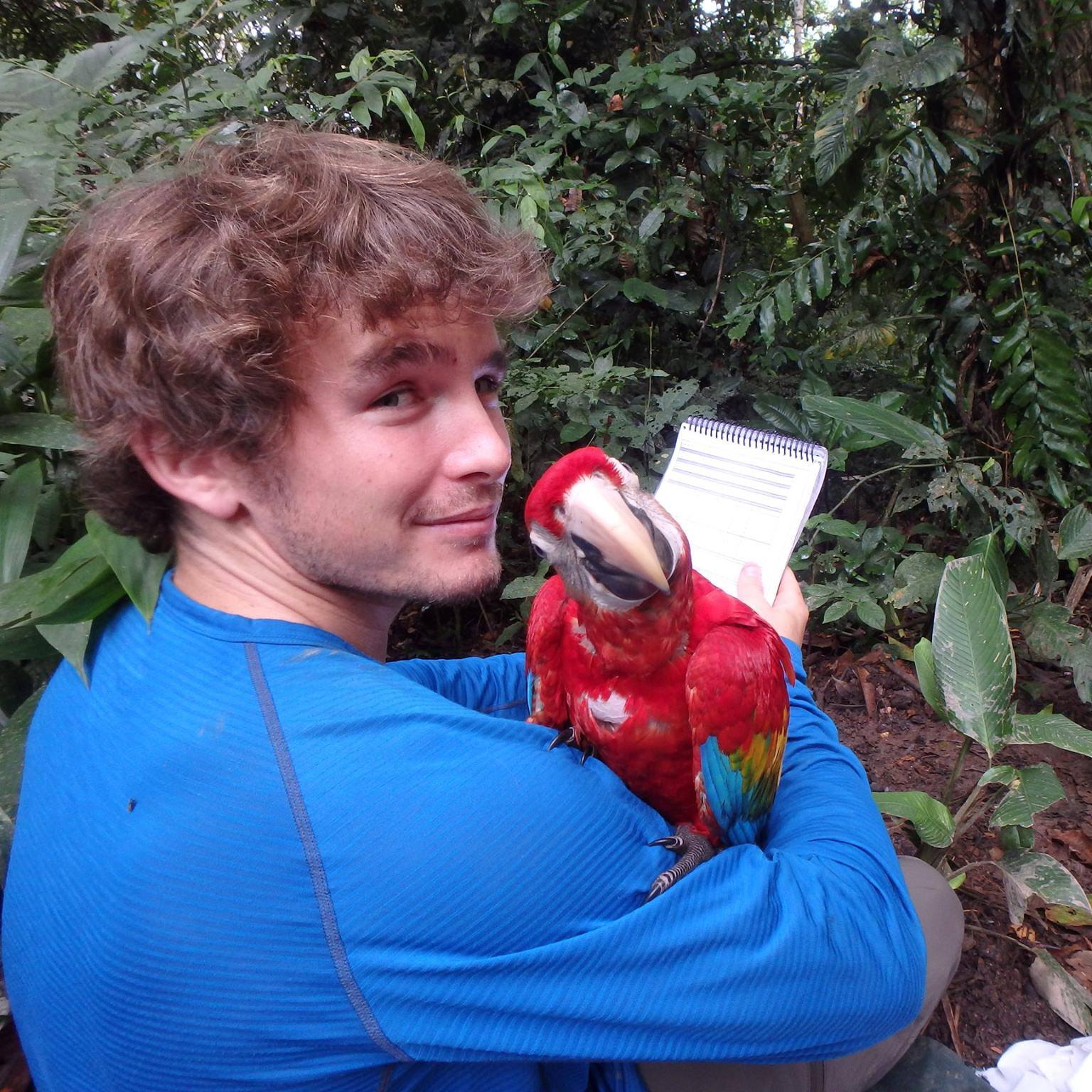
Tom Lloyd
- Postdoctoral Research Fellow, Global Ecosystems
- tom.lloyd@jcu.edu.au
Spatially integrated Portfolio Approach to support a portfolio of livelihoods. (Old ID 27105)
The Integrated Livelihoods Approach (ILA) provides an approach to diagnose and help navigate interrelated and cumulative impacts, trade-offs and co-benefits of interacting livelihood activities occurring in spatially defined coastal areas. Participatory and interdisciplinary research, integrated governance, negotiation, trust-building, ongoing conflict management, and cross-sectoral and political engagement are central to the ILA. This project will establish the mechanisms for achieving the strengthened networks, integrated governance and policy, and improved planning required to implement an ILA in Western Province, Solomon Islands, with the potential to scale-up to other locations.
Waters of Jericho Part 2: Refining the Cu isotope characterization of waters overlying IOCG-style deposits in the Mt Isa Block (Jericho and Eloise deposits) (Old ID 27190)
The Department and JCU have an ongoing Project Schedule under the existing Umbrella Research Agreement ("Waters of Jericho: Characterizing the Cu isotope composition of waters overlying IOCG-style deposits in the Mt Isa Block (Jericho and Eloise deposits"). This project has produced significant initial results for ~40 borehole water samples that indicate a clear Cu isotope anomaly (higher 65Cu) proximal to known ore deposits within the field area (which drops off distal to deposits). These findings have led The Department and JCU to pursue an expansion of this investigation by re-sampling approximately 60-90% of the same boreholes as previously sampled (depending on field sampling availability/viability), and to characterize their Cu isotope composition, in order to test potential influences on Cu isotope compositions in groundwater by changes in season (e.g. late dry season vs post wet season).
Supporting grouper farming small holders in Vietnam to produce commercial feeds (Old ID 27286)
Developing key nutrient requirements for giant grouper in Australia for application to Australia and Vietnam. The project is based at JCU Townsville, with engagement from key stakeholders in the aquafeed industry in Vietnam through development of an Expert Working Group for dissemination and input into future research. It is aimed at developing feeds for grouper that enable smallholders to transition from ‘trash’ fish feeding to commercially produced feeds and to support the industry in R&D dissemination, implementation and feed supply debottlenecking.
Life and death of Australopithicus sediba: how a potential ancestor ended up dead in a cave in world heritage site in South Africa (Old ID 20796)
In August 2008 the remarkable Malapa fossil site was discovered with remains of the first and only fossils of Australopithecus sediba - a potential direct human ancestor. The fossils are in an exceptional state of preservation, and excavations will start in late 2013, creating a unique opportunity to develop a detailed understanding of the chemical, physical and biological factors that led to burial and fossilisation. This research will focus on the complex interplay between termites, sediment chemistry, landscape conditions and palaeo-climate as contributing factors to fossil preservation. Results will document the environment in which sediba lived and died, and assist future exploration for hominid fossils.
Maximising genetic growth potential of barramundi in different culture environments. (Old ID 22428)
Good Fortune Bay Fisheries (GFB) is Australia's largest farmed barramundi producer. GFB operates two farms, one located north of Bowen where barramundi are reared in a high density. Brackish water raceway culture system and the other in Kelso, where fish are reared in freshwater earthen ponds. The company holds the largest number of barramundi stock in the country and is Queensland's largest hatchery facility. Given a need to maintain domestic and international competitiveness GFB has identified genetic improvement of their stocks as the highest R&D priority for the company. Due to the unique culture systems they farm barramundi in, however, GFB recognise there are critical knowledge gaps that need to be overcome before they can produce an improved strain that maximises genetic gain under both culture environments (marine/freshwater & pond/raceway).
Portable Polycyclic Aromatic Hydrocarbon (PAH) Detection (Old ID 22435)
Polycyclic aromatic hydrocarbons (PAHs) are toxic contaminants in the Great Barrier Reef (GBR) especially in areas near industrial, port and shipping activities. PAH monitoring is costly and complex. A portable technology for the quick detection of environmentally persistent and toxic PAHs will be developed using a new colourimetric detection technology based on photochromic compounds. This technology has been successfully used for sensing nitroaromatic-based explosives and will here be applied to strongly UV-absorbing PAHs. This work will be performed in collaboration with an end-user: Australian Maritime Safety Authority (AMSA).
NESP 3.7 Barriers to Restoration and NbS (Old ID 28996)
Coastal and marine restoration in Australia has been hindered by the ability for project managers to obtain approval. This project examines the barriers and challenges presenting project managers keen to begin restoration projects. The project will work through a series of case studies from SA, Tasmania, NSW and QLD focusing on oyster and tidal ingress project approaches. The outcomes of this research will outline areas in policy requiring changes and identify a consistent approach for project managers working in several states across Australia.
Incorporating genome editing into the aquaculture industry in Australia (Old ID 29013)
Professor Jehee Lee from Jeju International University, South Korea has agreed to allow me to visit his lab and receive extensive training in genome editing. He has successfully genetically edited numerous species of fish to optimise and select for commercial traits valuable to the aquaculture industry. Visiting with Professor Lee, as well as with other members of his lab, would allow me to gain the techniques and skills necessary to develop a general protocol applicable for a variety of aquaculture species.
Lobster Aquaculture Groote Eylandt Phase 1 (Old ID 26976)
The project seeks to assess and develop tropical rock lobster aquaculture on Groote Eylandt. Phase 1 will quantitatively assess the local resource of naturally settling post-larval lobsters. If the seed lobsters are available, Phase 2 will comprise development of nursery and grow out of the lobsters. The project includes aspects of resource assessment, training, production technology extension, social science, economics and marketing.
Lobster Aquaculture Groote Eylandt Phase 1 (Old ID 27052)
The project follows a preliminary activity completed in September 2020, seeking to assess and develop tropical rock lobster aquaculture on Groote Eylandt. This project represents Phase 1 of 3 phases, that will quantitatively assess the local resource of naturally settling post-larval lobsters. If the seed lobsters are available, Phase 2 will comprise development of nursery and Phase 3 the growout of the lobsters. The project includes aspects of resource assessment, training, production technology extension, social science, economics and marketing.
Start Date:
01 Jan 2024
End Date:
01 Jan 2024
Start Date:
01 Jan 2011
Title:
Veterinary Home Group, JCU
Start Date:
01 Jan 2025
Start Date:
01 Jan 2006
Title:
PhD in Natural and Physical Sciences (Discipline of Ecology and Evolution), James Cook University
Start Date:
01 Jan 2020
End Date:
01 Jan 2024
Start Date:
01 Jan 2014
End Date:
01 Jan 2018
Start Date:
01 Jan 2014
Title:
Fellow, Advance HE
Start Date:
01 Jan 2022
Start Date:
01 Jan 2012
End Date:
01 Jan 2016
Start Date:
01 Jan 1991
End Date:
01 Jan 1996