
College of Medicine & Dentistry

Catrina Felton-Busch
- Deputy Head, School of Rural and Remote Health
- catrina.feltonbusch@jcu.edu.au
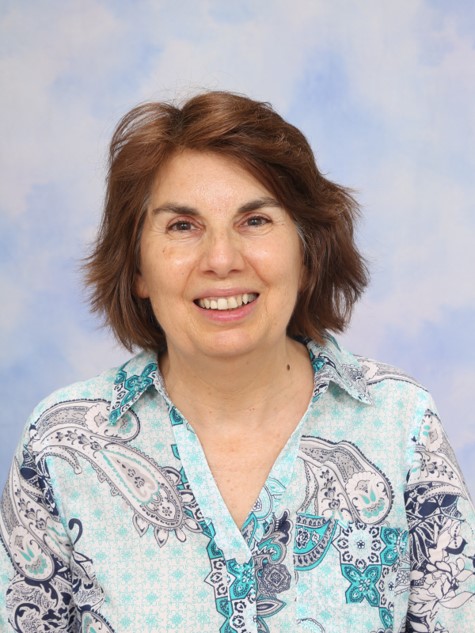
Julie Parison
- Associate Lecturer
- julie.parison@my.jcu.edu.au
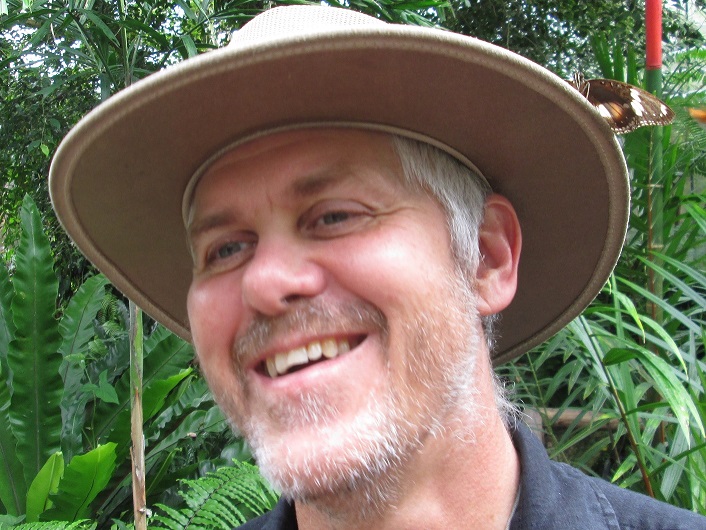
Ronny Gunnarsson
- Adjunct Professor
- ronny.gunnarsson@jcu.edu.au

Amy Brown
- JCU Research Fellow
- amy.brown1@my.jcu.edu.au


Faith Alele
- Adjunct Senior Lecturer
- faith.alele@jcu.edu.au

Sally West
- Associate Professor Nursing, Rural and Remote Health
- sally.west@jcu.edu.au

Subir Sarker
- Associate Professor, Microbiology
- subir.sarker@jcu.edu.au
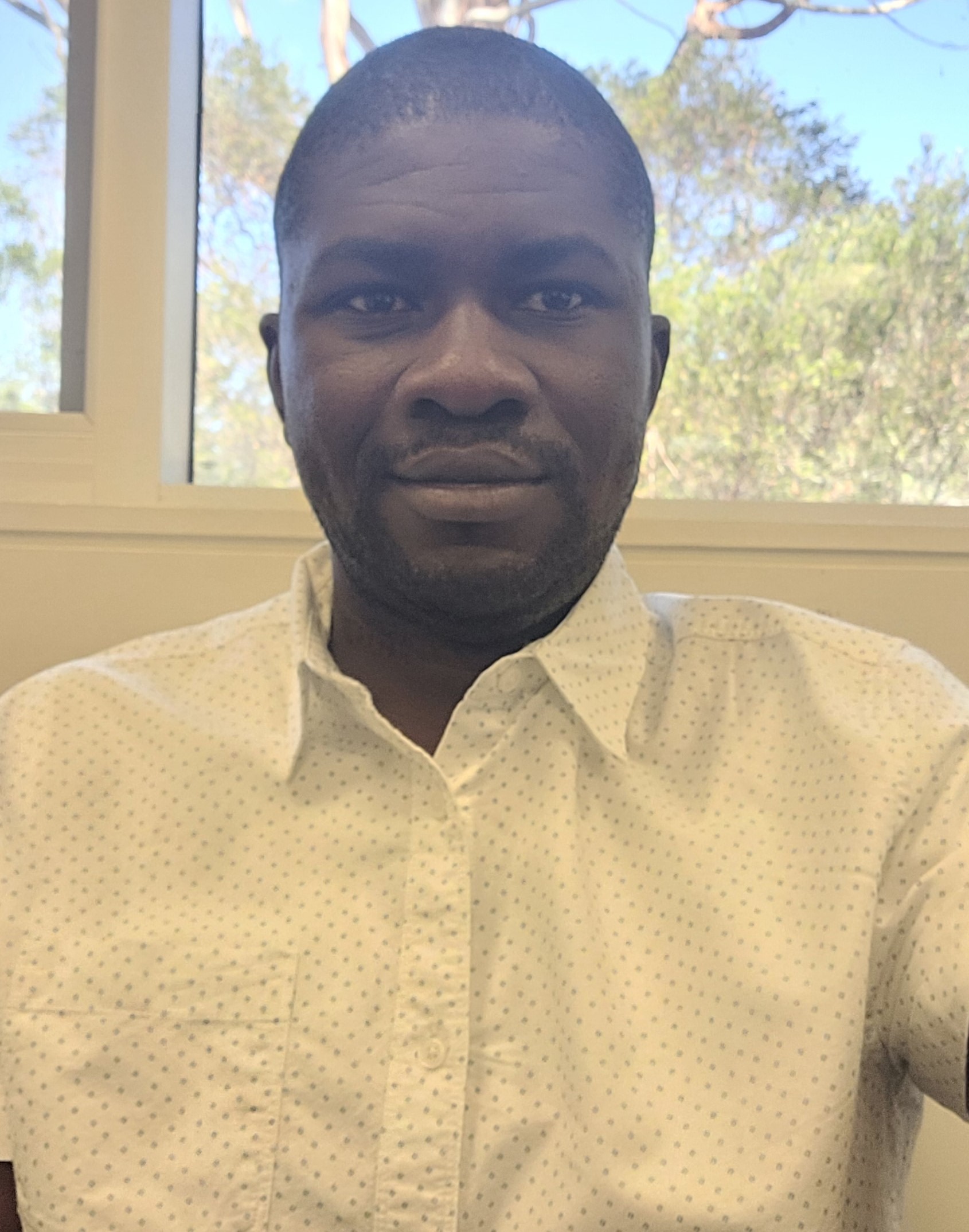
Kehinde Obamiro
- Centre Lead, Central Queensland Centre for Rural and Remote Health
- kehinde.obamiro@jcu.edu.au

Claire Poolman
- Senior Lecturer
- claire.poolman@jcu.edu.au
Leveraging NQ telehealth experience for contextually-informed process guidelines to optimise health service access, quality and safety in rural and remote Australia
Use of telehealth in north Queensland has evolved early and rapidly in response to the health service needs of a culturally diverse population spread over a large area. This project maps knowledge about existing telehealth usage, examines strategies for safe and high quality use, including cultural acceptability and co-develops guidelines for health care providers and consumers for the optimal usage of telehealth across north Queensland. This is likely to be applicable across other RRR areas.
Seed funding -improving stroke management by characterising the ischaemic penumrba proteome.
Current therapies for stroke work by restoring the blood supply to the brain to rescue oxygen-starved tissue at risk of dying (known as the ischaemic penumbra). Consumer groups highlight that therapies to slow the death of cells in the penumbra is a priority, however, surprisingly little is known about the biology of this tissue. This study will utilise laboratory models of stroke, and apply modern imaging, proteomic and bioinformatic approaches to characterise the major pathways driving penumbra phenotype. Generated data will provide a world's first perspective into penumbra biology as an important foundation for subsequent grants seeking to test potential therapuetic targets.
Documenting Indigenous Plant Knowledge to Strengthen Conservation Management in Kwaio, Solomon Islands (Old ID 22880)
The project is designed to deliver ongoing capacity-strengthening activities and training in project management, organizational governance and financial management to enhance local conservation efforts in the central mountains of the island of Malaita, Solomon Islands. Our larger goals include setting up a Kwaio CSO to manage conservation activities in the area (see “Project Objectives” below), protect and conserve priority species on Malaita, and in the longer-term, work toward creating Protected Areas to protect globally threatened species. We also hope the project will serve as a conservation model for other Malaitan and Solomon Islands communities. The project is taking place with people of the Kwaio language group. The mountain Kwaio people are the largest Solomon Islands group still practicing their indigenous ancestral religion. The biodiversity conservation project is documenting the deep local knowledge of medicinal plants and bush foods found in the rainforest of Malaita, and building capacity to undertake similar projects in the future.
Development of a preventive strategy for rheumatic heart disease using an experimental model (Old ID 19355)
Based on animal studies, we aim to demonstrate that the worsening of heart damage seen in patients with rheumatic heart disease (RHD) is due to repeated infections with bacteria (group A streptococci: GAS). The heart damage is caused by continual immune damage to the heart and valves and this has adverse effects on heart function. We will also investigate a novel way to prevent the development of RHD.
A randomised controlled trial of intravenous paracetamol and oral paracetamol to control acute pain (Old ID 21779)
The objective of this project is to provide evidence that intravenous paracetamol produces superior analgesia than oral paracetamol in the ED setting. Secondary objectives include providing evidence that IV paracetamol produces good patient satisfaction, few side effects and reduced length of hospital stay. The trial is designed as a prospective double blind randomised controlled trial with two parallel groups. 50 patients will receive placebo oral intervention and a 1g intravenous paracetamol formulation. The other 50 patients will receive 1g oral paracetamol and IV normal saline. Patients will be requested to chart their pain prior to analgesia and then at 15 minute intervals for the first hour and half hourly for the following 3 hours. Side effects, length of ED stay and patient satisfaction will also be recorded to assess the secondary objectives.
Evaluation of QAIHC Sexual Health and Wellbeing Project. (Old ID 27405)
The overall goal of the QAIHC Sexual Health and Wellbeing Project is to improve Sexually transmissible infection (STI) and blood borne virus (BBVs) services in QAIHC Member Services and to work towards reducing the number of Aboriginal and Torres Strait Islander positive notifications. To help achieve this, support is provided for Member Services to implement models of care aimed to increase client engagement, education opportunities, as well as improve screening, notification and treatment rates. Tools, resources and support are provided to participant health services to implement sexual health and wellbeing activities that are culturally safe, led by Aboriginal and Torres Strait Islander health workers and tailored to the Aboriginal and Torres Strait Islander model of care. The aim of this work is to evaluate the implementation, impact and outcomes of the QAIHC Sexual Health and Wellbeing Project.
Supervised Home Exercise for Peripheral Artery Disease (Old ID 27514)
1 million Australians have leg artery blockage (peripheral artery disease; PAD) and are at very high risk of major adverse cardiovascular events. Up to one-third of patients having an acute cardiac event or stroke have PAD, which limits their recovery. Randomised controlled trials (RCT) have established supervised exercise therapy substantially improves the functional impairment caused by PAD and reduces the risk factors of acute cardiovascular events. International guidelines recommend supervised exercise therapy sessions are performed at tertiary facilities three times weekly for three months. These programs have poor uptake and are not suited to equitable provision across Australia particularly for regional and remote communities who have the greatest burden from PAD. Our workshops with patients indicated the commonest challenges to taking part in supervised exercise was travelling. In partnership with patients, health professionals and other stakeholders we have co-designed the Supervised Home-based exercise progrAm for Peripheral artery diseasE (SHAPE). This 12-week supervised exercise program is delivered directly to and completely undertaken within the participant's home using telehealth supervision and monitoring from a wrist worn accelerometer
Developing research capacity in Weipa, Cape York (Old ID 27442)
This application is to support a program of health services and biomedical research in Weipa, Cape York. This encompasses 5 research projects that are active (3) or in development stages (2). Active projects: Implementation of Nasal High Flow in the Remote Context (PARIS-REMOTE), Evaluation of Cape York Kidney Care model of care, Evaluation of a student-assisted community rehabilitation service. Developing projects include: Implementation of chronic obstructive pulmonary disease and cardiac rehabilitation services across Cape York, and Identifying pathogenesis of middle ear disease, goal directed therapy and review of antibiotic resistance through in Cape York.
Knowledge Brokering from the Bottom Up: Co-designing Climate Information Products with the Kwaio people of Malaita Province, Solomon Islands (Old ID 28981)
Baru Conservation Alliance (BCA) and JCU successfully implemented the APCP funded “Traditional Knowledge about Climate and Food Security in Kwaio, Malaita, Solomon Islands” in 2021/22. This current “Knowledge Brokering from the Bottom Up: Co-designing Climate Information Products with the Kwaio people” project strengthens capacity built in 2021/22 to inform climate information products based on Kwaio traditional knowledge. The project will create communication products that utlise both western scientific and traditional Kwaio knowledge about the weather, how the weather is changing and what this means for people living on Malaita, Solomon Islands.
National Research Project on Remote Radiology Assessment Service Delivery (Old ID 23150)
This project will investigate outcomes of the BreastScreen Australia remote radiology assessment trial at sites through9out Australia. Engaging a remote radiologist may assist with overcoming many challenges associated with providing health services in a regional, rural or remote location. This project seeks to ensure that the alternative model of service delivery is appropriate for consumers, evidence-based and safe. Specifically, this project will assess how the new remote radiology model affects: - Patient safety - Patient acceptability - Staff acceptability of new model of service provision - The safe, efficient organisation of BreastScreen services
Title:
Men are shaving off their eyelashes on TikTok, here's why that might be a bad idea, The Conversation
Start Date:
14 May 2025
Start Date:
15 May 2025
Start Date:
03 Jun 2025
Start Date:
01 Jan 2012
Title:
Grants Review
Start Date:
01 Jan 2024
End Date:
01 Jan 2024
Title:
Public Health Advocacy
Start Date:
01 Jan 2024
End Date:
01 Jan 2024
Start Date:
16 Jun 2025