
Tropical Water & Ecosystems
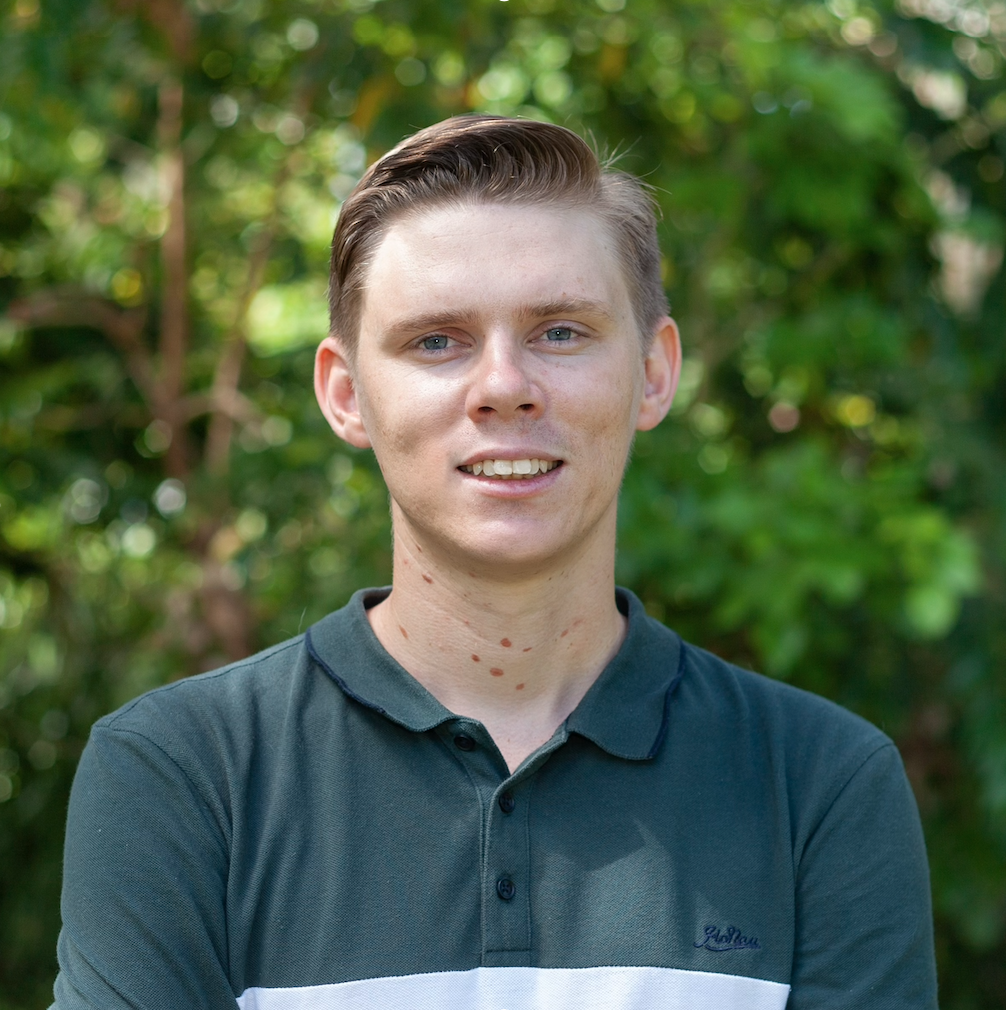
Scott Morrissey
- Research Officer
- scott.morrissey@jcu.edu.au
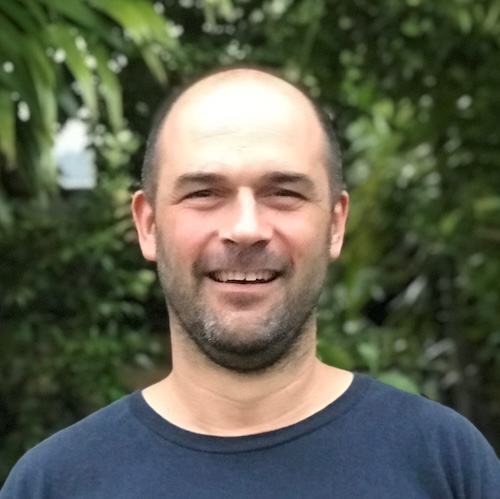
Tim Smith
- Senior Research Officer
- tim.smith2@jcu.edu.au
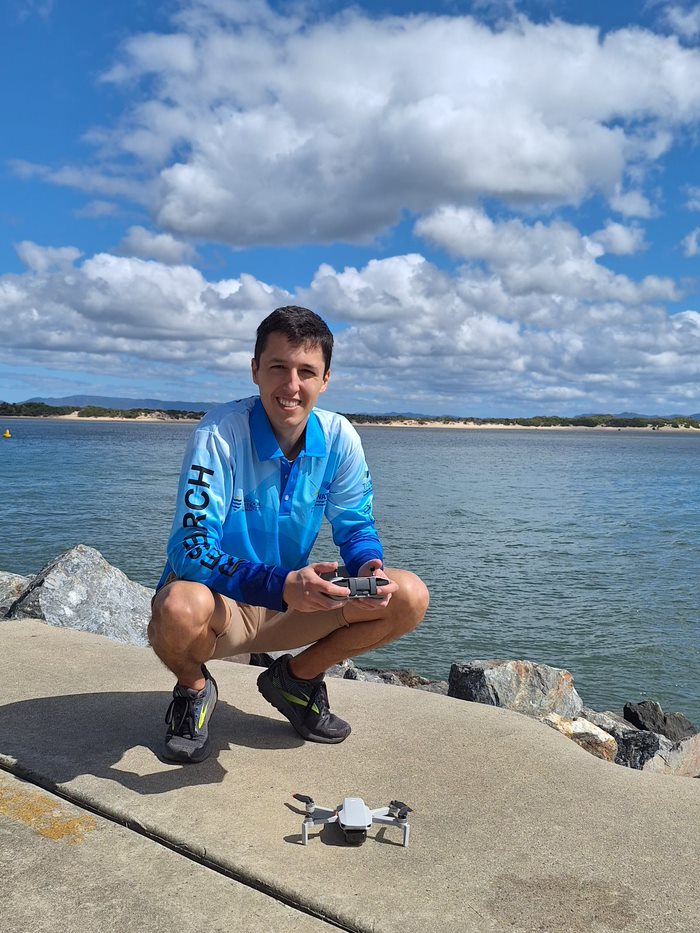
Alejandro Navarro Otero
- Casual Research Worker
- alejandro.navarrootero@jcu.edu.au
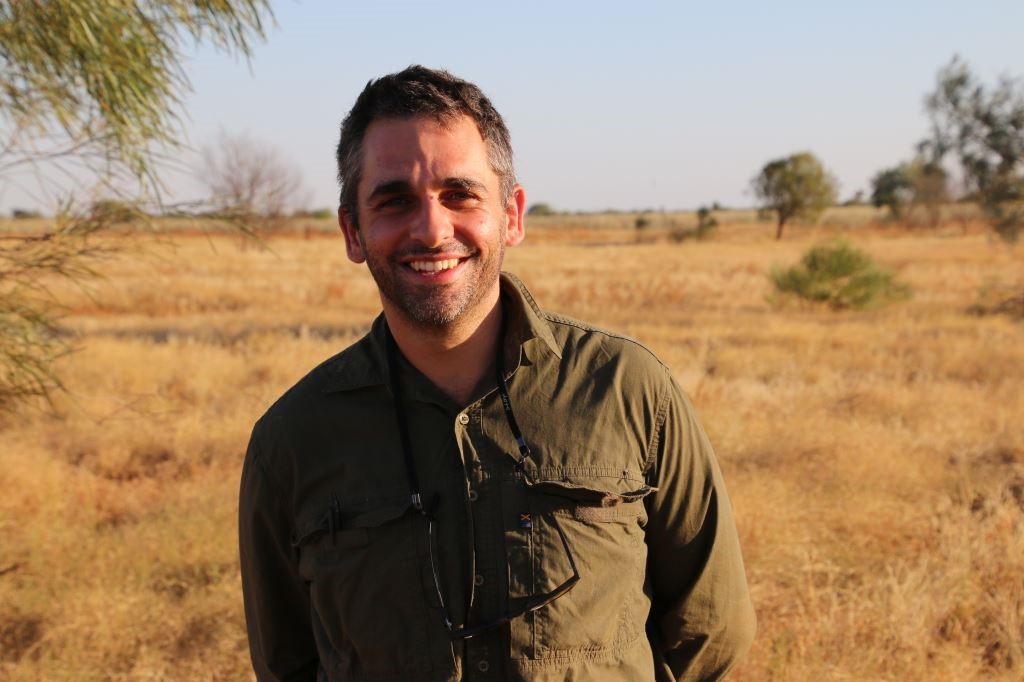
Jack Koci
- Principal Research Officer
- jack.koci1@jcu.edu.au
Sarah McDonald
- Senior Research Officer
- sarah.mcdonald@jcu.edu.au
Emily Webster
- Research Officer
- emily.webster1@jcu.edu.au

Abbi Scott
- Senior Research Officer
- abbi.scott1@jcu.edu.au

Catherine Collier
- Principal Research Officer
- catherine.collier@jcu.edu.au

Rob Coles
- Principal Research Scientist
- rob.coles@jcu.edu.au

Aaron Davis
- Principal Research Officer
- aaron.davis@jcu.edu.au
Monitoring seagrass habitat of Yanyuwa Sea Country using Drones and Remote sensing
The Yanyuwa people in the Gulf of Carpentaria are custodians of some of the most significant seagrass in the Northern Territory. This project will 1. provide training to li-Anthawirriyarra rangers for intertidal seagrass habitat mapping and monitoring of Yanyuwa Sea Country using drones and 2. Undertake intertidal seagrass monitoring using drones and remote sensing.
and 3. Undertake drop camera surveys in subtidal habitats.
Townsville City Council Saltmarsh Restoration
Undertake saltmarsh restoration trials with Townsville City Council within their estate.
Townsville City Council Saltmarsh Restoration
Undertake saltmarsh restoration trials with Townsville City Council within their estate.
Assessing seagrass distribution as habitat for dugong, turtle and fish on Mandubarra Sea Country
The Mandubarra Sea Country project aims to understand and manage crucial coastal habitats and the ecosystems they support. Focusing on expansive seagrass habitats, this initiative partners with TropWATER and involves comprehensive mapping and monitoring along the coast, including the South Barnard Islands. The project integrates high-intensity aerial surveys to study the usage of seagrass meadows by green sea turtles and dugongs, both vital to the ecosystem. Additionally, it includes baseline fish surveys and workshops training Mandubarra Rangers in drone usage and underwater video assessments to monitor and manage fish and megaherbivore populations effectively. This collaboration aims to enhance fisheries resilience and inform future conservation efforts within the Mandubarra Sea Country.
South East Arnhem Land seagrass surveys and development of ranger-led monitoring
Traditional Owners from South East Arnhem Land aspire for a healthy, managed Sea Country. South East Arnhem Land's Sea Country has high cultural and biodiversity significance, but this is poorly documented. The presence of important species such as dugong and turtle is known, but habitats important to these species has not been quantified. This project will map subtidal benthic habitats and design and implement a ranger-led monitoring program
Coral decline threatens fish biodiversity in marine reserves
- 2004
- National Academy of Sciences
- Researchers:Maya Srinivasan
Mid-late Holocene sea-level variability in eastern Australia
- 2008
- Wiley-Blackwell
- Researchers:Stephen Lewis
Start Date:
01 Jan 2009
End Date:
01 Jan 2026
Start Date:
01 Jan 2009
End Date:
01 Jan 2030
Start Date:
01 Jan 2014
End Date:
01 Jan 2030
Start Date:
01 Jan 2021
End Date:
01 Jan 2025
Start Date:
01 Jan 1981
End Date:
01 Jan 1984
Start Date:
01 Jan 1986
End Date:
01 Jan 1988
Start Date:
01 Jan 1973
End Date:
01 Jan 1973
Start Date:
01 Jan 2024
Start Date:
01 Jan 2022
End Date:
01 Jan 2023
Title:
Conference co-chair
Start Date:
01 Jan 2023
End Date:
01 Jan 2023