
JCU Singapore

Yuto Yasuda
- Lecturer Psychology
- yuto.yasuda@jcu.edu.au

Hina Munir
- Lecturer Business
- hina.munir@jcu.edu.au
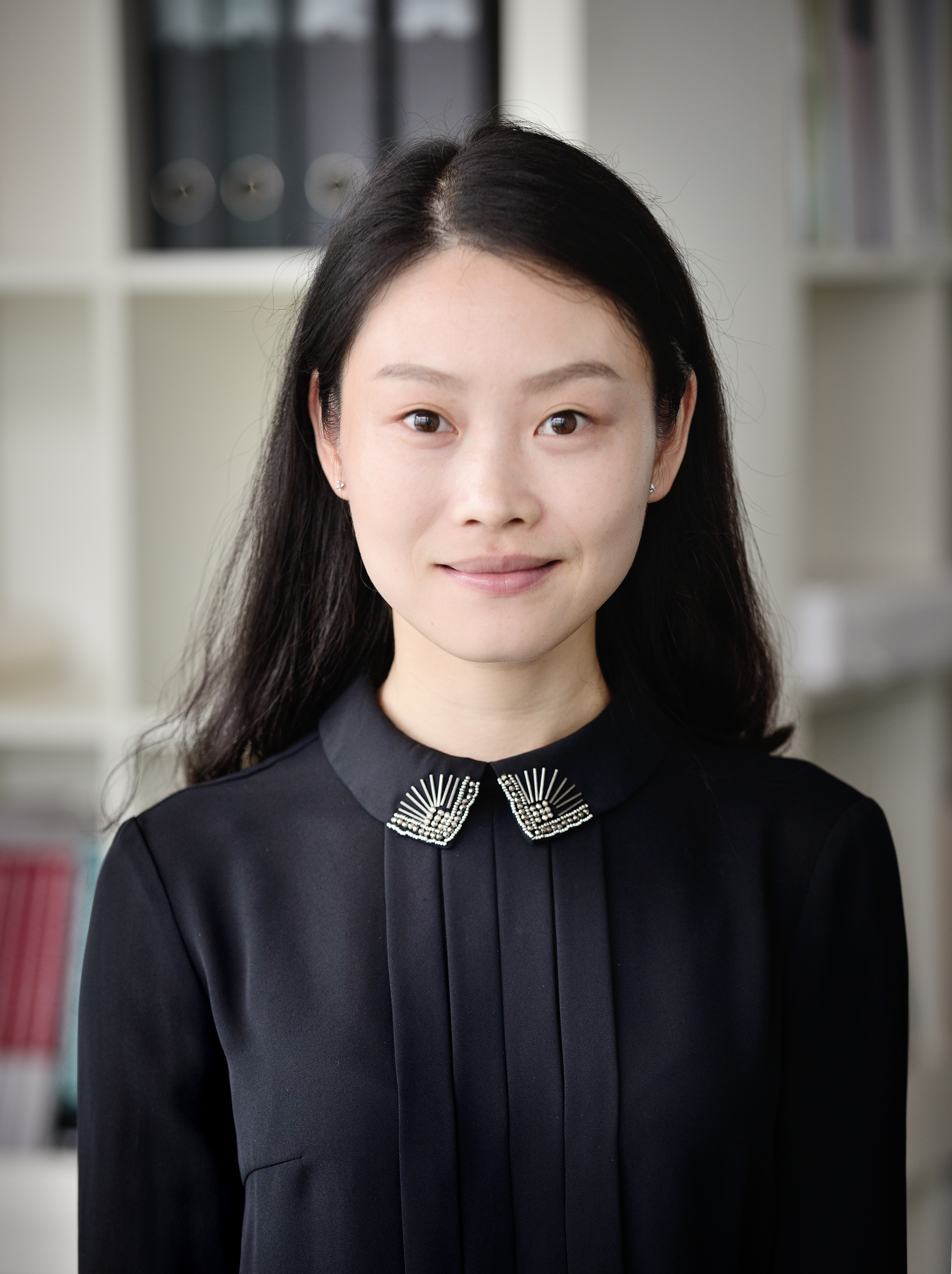
Lijuan Shen
- Senior Lecturer Information Technology
- lijuan.shen@jcu.edu.au
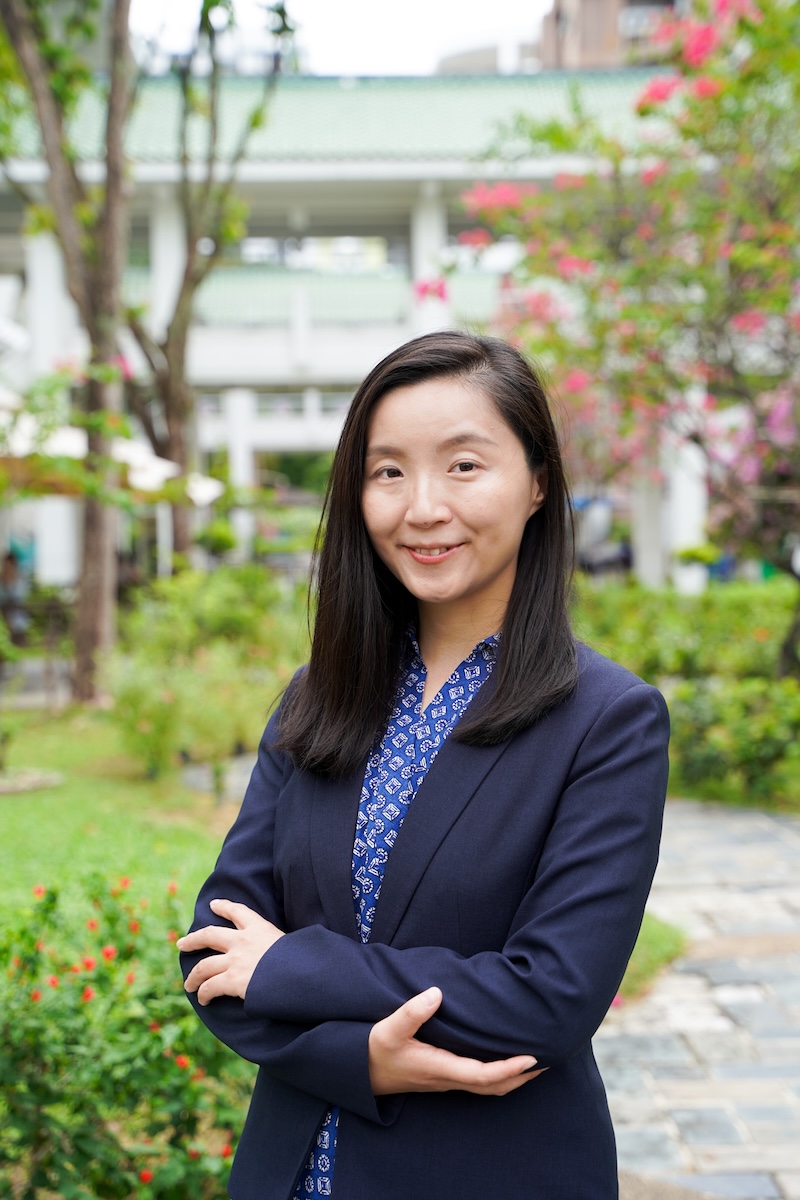
Cindy Liu
- Senior Lecturer (Business)
- cindy.liu@jcu.edu.au

Jonathan Chia
- Lecturer Psychology
- jonathan.chia@jcu.edu.au

Erik Hormann
- Lecturer Mathematics
- erik.hormann@jcu.edu.au

Jennifer Chong
- Lecturer Business (Accounting)
- jennifer.chong@jcu.edu.au

Barry Tse
- Sessional Lecturer
- barry.tse@jcu.edu.au
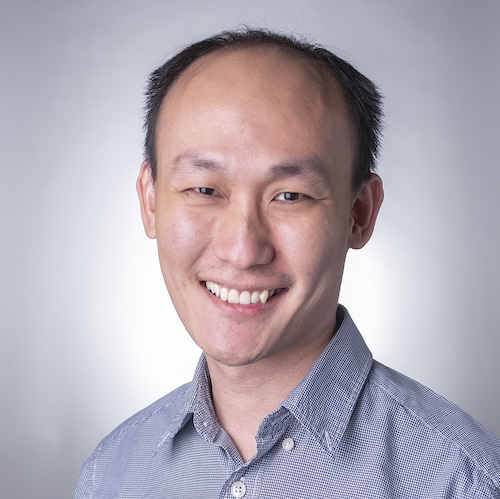
Kaiqin Chan
- Associate Professor
- kaiqin.chan@jcu.edu.au

Caroline Wong
- Associate Dean Learning & Teaching / Associate Professor
- caroline.wong@jcu.edu.au
Establishing blood biochemistry reference intervals for juvenile Asian Seabass
Asian Seabass, Lates calcarifer is one of the most important farmed fish species in Singapore and SE Asia. Like for many other intensively farmed animals, diseases remain one of the main threats to sustainable aquaculture of this species. Diseases are more prevalent in juvenile L. calcarifer due to less developed immunity. Histopathology is commonly used for screening fish for disease and health certifications. However, organ pathology maybe preceded by changes in blood biochemistry days to weeks ahead of clinical signs and visible pathology. In human and domesticated animal species, blood biochemistry has been established as a reliable and economical method to monitor organ function, general health, and guide disease management, but has yet to be established for aquaculture species. This study aims to build on the blood reference intervals published by Chew et al., 2023, and extend them to biochemical parameters indicative of organ function for important organs such as the liver and kidney. Biochemistry will be correlated to histopathological evaluations of healthy reference population of L. calcarifer, for a more robust evaluation of health status.
Educating diverse learners for local/global citizenship: Curriculum and pedagogical frameworks that bring global perspectives from the periphery to the core (Old ID 21948)
Securing enhanced student outcomes associated with global understandings and perspectives is this project's focus. It seek to ascertain how best to utilise and augment students' current service learning experiences in domestic and international settings to realise these outcomes through a process of identifying, analysing and evaluating existing curriculum and pedagogic practices.
Does Social Monitoring Reduce Procrastination? Findings from a Five-Day Study
I propose to attend the 33rd International Congress of Psychology that will be held between 21 and 26 July 2024 in Prague, Czech Republic. The conference is usually held once every four years by the International Union of Psychological Science, a global organization representing psychology associations from different countries. I will present a study that examines how a social monitoring approach could alleviate procrastination. The abstract is accepted for an oral presentation. The study was supported by a JCUS IRG grant (IRG20210012). The conference is a suitable platform to present the research findings because it is a reputable conference attracting scholars to attend (typically attracting over 6000 participants). It is a platform where I can gain feedback for my research and its applicability in various branches of psychology.
In the past 5 years, I have received a CPA grant to present my study at the 13th Biennial Conference of the Asian Association of Social Psychology. The study was published in 2022.
Supercharging barramundi production through advanced selective breeding for improved disease resistance, growth and fillet traits
Barramundi, or Asian seabass, Lates calcarifer, is the major aquaculture species farmed in Singapore and has wide consumer acceptance
due to its white, firm flesh. The barramundi currently farmed in Singapore, however, have not been significantly improved through
simultaneous selection to be resistant to major diseases (like scale drop disease), faster growth, or fillet characteristics. This project will use
gold standard breeding methodologies that utilise genomics, industrial-scale phenotyping and cutting-edge digital technologies to select for
barramundi that are more productive, have whiter flesh and possess a lower risk to farming due to disease in Singaporean waters.
Outcomes from the project will be barramundi that have average survival to scale drop disease of 60%, grow 15% faster, and have
increased fillet yields and white flesh colouration.
Southeast Asian shark and ray research and conservation capacity building workshop 2019 (Old ID 26392)
Capacity building workshop for South East Asian shark and ray researchers, NGOs, academics, fisheries officers and government agencies. The project will bring together participant from Malaysia, Singapore, Indonesia and the Philippines for a workshop at JCU-Singapore in shark field research techniques, analysis of movement data and fisheries risk assessment.
Life history and ecology analysis of the whitespotted whipray and sharpnose whipray: assessing vulnerability to fisheries.
The whitespotted whipray and sharpnose whipray (Endangered), are the preferred and most imported stingray species into Singapore for BBQ stingray. Understanding how vulnerable a species is to exploitation in relation to their ‘life history’ enables the creation of species-suitable fisheries management plans. A species’ life-history will answer questions such as: when do they reach maturity? How long do they live for? How many young do they have? While their ecology will give insight to their diet and habitat use. This information will enable understanding of their vulnerability, and help inform fisheries management and conservation throughout their range.
¬¬Mediating effect of capital flow between inter-state sanctions and economic growth: How successful is sanction in achieving its goals?
Asian Finance Annual Conference provides an open platform for finance scholars worldwide to present their recent research and exchange ideas on new developments in finance research. The majority of the sessions will include papers selected through open competition. The papers will be reviewed by a committee of established researchers. I will meet with journal editors of The Pacific Basin Finance Journal, the conference journal, to get an idea of how to increase my chance of getting my paper published in the Journal.
I am looking forward to seeking feedback for the paper that I am going to present in the conference.
Mind your own business, you are a pest! A study on workplace nosiness and its impact on employees
Workplace nosiness has been increasingly recognized as a detrimental factor affecting employee mental health and productivity. Studies have shown that intrusive behaviors lead to higher stress levels, decreased job satisfaction, and lower productivity. Despite this recognition, there is a lack of comprehensive research that systematically examines the antecedents, types, and impacts of workplace nosiness across different organizational contexts. This study aims to fill this gap by providing a detailed analysis of workplace nosiness and its effects. The research will contribute to the existing body of knowledge by identifying specific behaviors and practices that constitute workplace nosiness, demonstrating the direct and indirect impacts of nosiness on key employee outcomes, and offering practical recommendations for managers and organizations to address and reduce nosiness.
SEA shark conservation and management workshop (TOP UP FUNDING #2) (Old ID 31080)
JCUA and JCUS are running a capacity building workshop at JCU Singapore from 25 to 29 September 2023 for delegates across SE Asia in shark research and conservation. Unfortunately, costs have increased significantly post COVID, and these increases exceed the original budget. This funding from the Save Our Seas Foundation provides additional funds to support travel for delegates to attend the event.
SEA shark conservation and management workshop (Old ID 31101)
JCUA and JCUS are running a capacity building workshop at JCU Singapore from 25 to 29 September 2023 for delegates across SE Asia in shark research and conservation. This funding provides additional funds to support travel for delegates to attend the event.
Start Date:
01 Jan 2014
End Date:
01 Jan 2016
Start Date:
01 Jan 2022
End Date:
01 Jan 2026
Start Date:
01 Jan 2005
End Date:
01 Jan 2008
Start Date:
01 Jan 2018
End Date:
01 Jan 2021
Start Date:
01 Jan 2024
Start Date:
01 Jan 2024
Start Date:
01 Jan 2023
Start Date:
01 Jan 2024
Start Date:
01 Jan 2017
End Date:
01 Jan 2018
Start Date:
01 Jan 2023