
Tropical Water & Ecosystems

Christophe Cleguer
- Principal Research Officer
- christophe.cleguer@jcu.edu.au

Zoe Bainbridge
- Senior Research Fellow
- zoe.bainbridge@jcu.edu.au

Nicolas Lubitz
- Research Officer
- nicolas.lubitz@jcu.edu.au
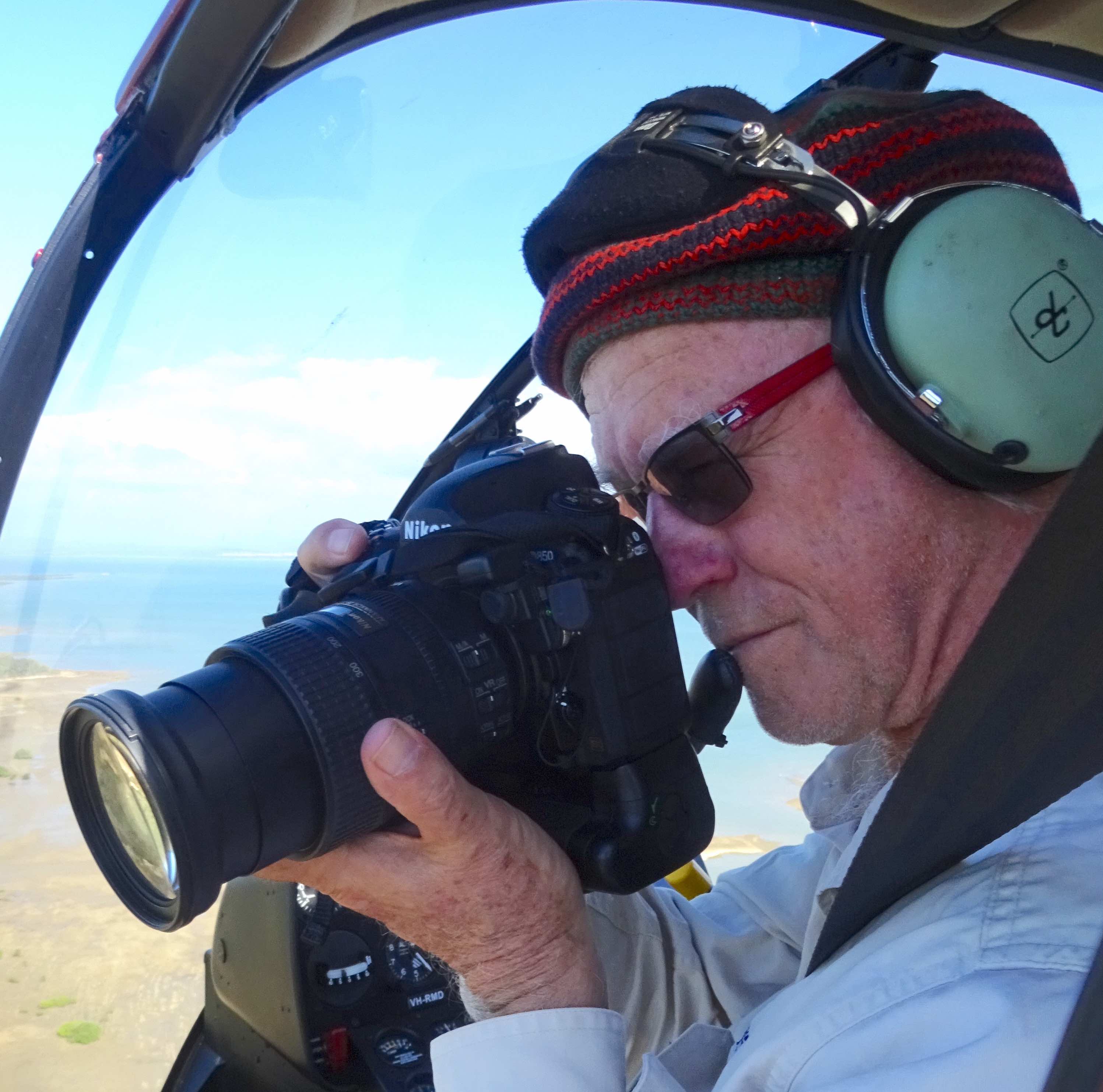
Norm Duke
- Senior Research Scientist
- norman.duke@jcu.edu.au
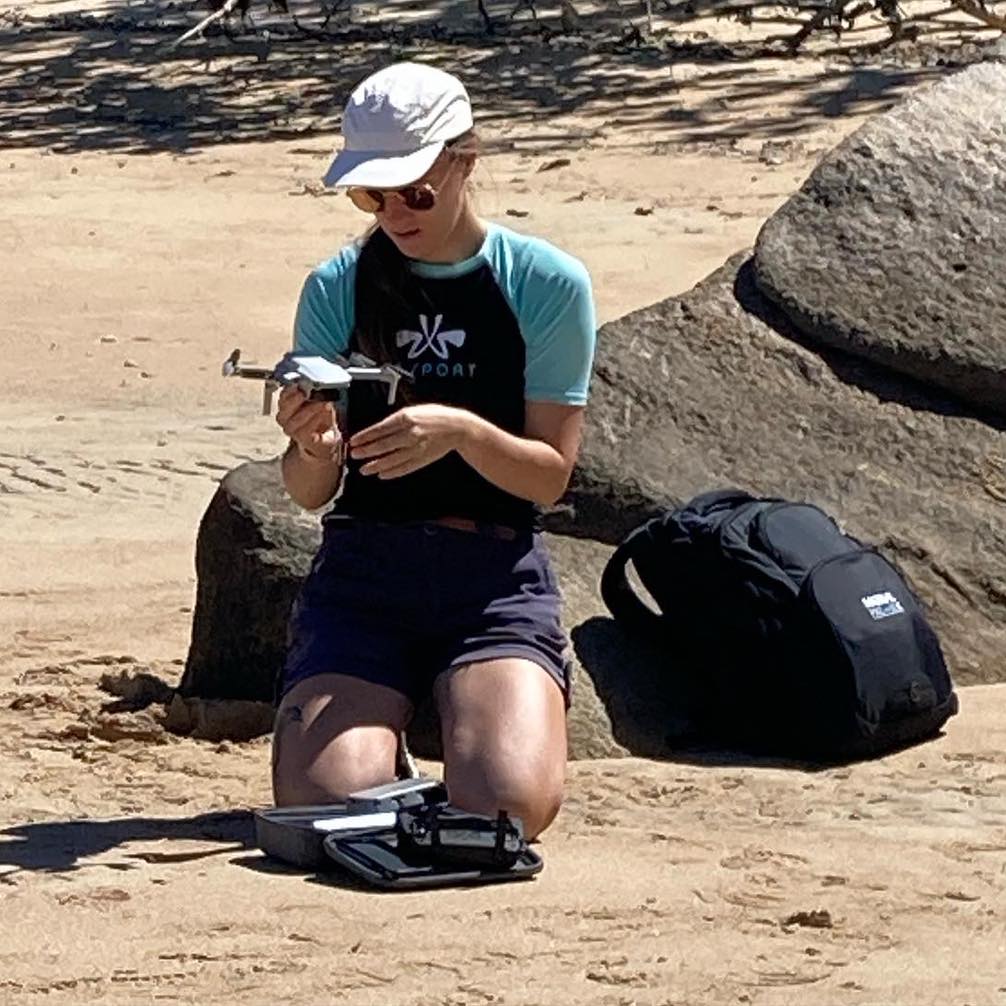
Jaelen Myers
- Research Officer, Seagrass Restoration
- jaelen.myers@jcu.edu.au

Amrit Mishra
- Senior Research Officer
- amrit.mishra@jcu.edu.au

Samantha Tol
- Senior Research Officer
- samantha.tol@jcu.edu.au

Hector Barrios-Garrido
- Adjunct Senior Research Fellow
- hector.barriosgarrido@jcu.edu.au

Len McKenzie
- Principal Research Officer
- len.mckenzie@jcu.edu.au

Stephen Lewis
- Senior Principal Research Officer
- stephen.lewis@jcu.edu.au
Beneath your feet (Farmacist)
A focus on local water quality issues and behaviour insights through tailored engagement and cooperative regional partnerships will aim to maximise community engagement with water quality data, increase trust in Reef and water quality science, increase a willingness to undertake actions that will improve water quality in local waterways and the GBR lagoon, and encourage stakeholders to work collectively to improve waterway outcomes.
Assessing impacts of extreme events on inshore coastal habitats in the northern Great Barrier Reef
This project aims to assess the impacts of Tropical Cyclone Jasper and associated flooding on inshore coastal habitats (i.e. mangroves, seagrass, coral) in the northern GBR. This project will provide a current consolidated asset assessment that will be compared against previous monitoring/assessment data to determine any impacts of TC Jasper. This will be achieved through high-resolution imagery, rapid on-ground aerial surveys, subtidal surveys using underwater camera systems, and consolidating other available information (i.e., anecdotal/private records). Understanding the impact of TC Jasper on inshore coastal habitats is essential as extreme climate events can cause significant and enduring changes to the condition and resilience of critical habitats of key species, such as dugongs and turtles.
Do green sea turtle faeces increase seagrass seed germination and seedling success through fertilisation (Old ID 31172)
This project will measure if seagrass seed germination and seedling growth is enhanced by the addition of nutrients from sea turtle faeces. Seagrass meadows are experiencing a global decline, and therefore an increase in restoration efforts. Restoration by seeds has not yielded a high rate of success in Australia, primarily due to low germination rates. Recent research has found that seed coat scarification or passage through a dugong and green sea turtle enhances seed germination. Manual scarification of seeds is time consuming but adding sea turtle faeces to the seeds before dispersal would be a simple and cost-effective alternative.
Herbert Integrated Program - comms support
Provide communication support for Terrain's Herbert Integrated Program
Herbert Integrated Program - comms support
Provide communication support for Terrain's Herbert Integrated Program
Feral Pig Reduction for Improved Wetland Health in the Southern Gulf Region
The Southern Gulf NRM are conducting wild pig control works to protect wetlands across the Southern Gulf region. JCU will develop and implement a Wetland Health Report Card. This will involve establishing a monitoring program to collect and analyse data on wetland and riverine health across the Southern Gulf of Carpentaria. Monitoring will include assessing water quality, biodiversity via eDNA metabarcoding, and conducting aquatic habitat assessments.
Coral decline threatens fish biodiversity in marine reserves
- 2004
- National Academy of Sciences
- Researchers:Maya Srinivasan
Mid-late Holocene sea-level variability in eastern Australia
- 2008
- Wiley-Blackwell
- Researchers:Stephen Lewis
Start Date:
01 Jan 2009
End Date:
01 Jan 2026
Start Date:
01 Jan 2009
End Date:
01 Jan 2030
Start Date:
01 Jan 2014
End Date:
01 Jan 2030
Start Date:
01 Jan 2021
End Date:
01 Jan 2025
Start Date:
01 Jan 1981
End Date:
01 Jan 1984
Start Date:
01 Jan 1986
End Date:
01 Jan 1988
Start Date:
01 Jan 1973
End Date:
01 Jan 1973
Start Date:
01 Jan 2024
Start Date:
01 Jan 2022
End Date:
01 Jan 2023
Title:
Conference co-chair
Start Date:
01 Jan 2023
End Date:
01 Jan 2023