
Engineering
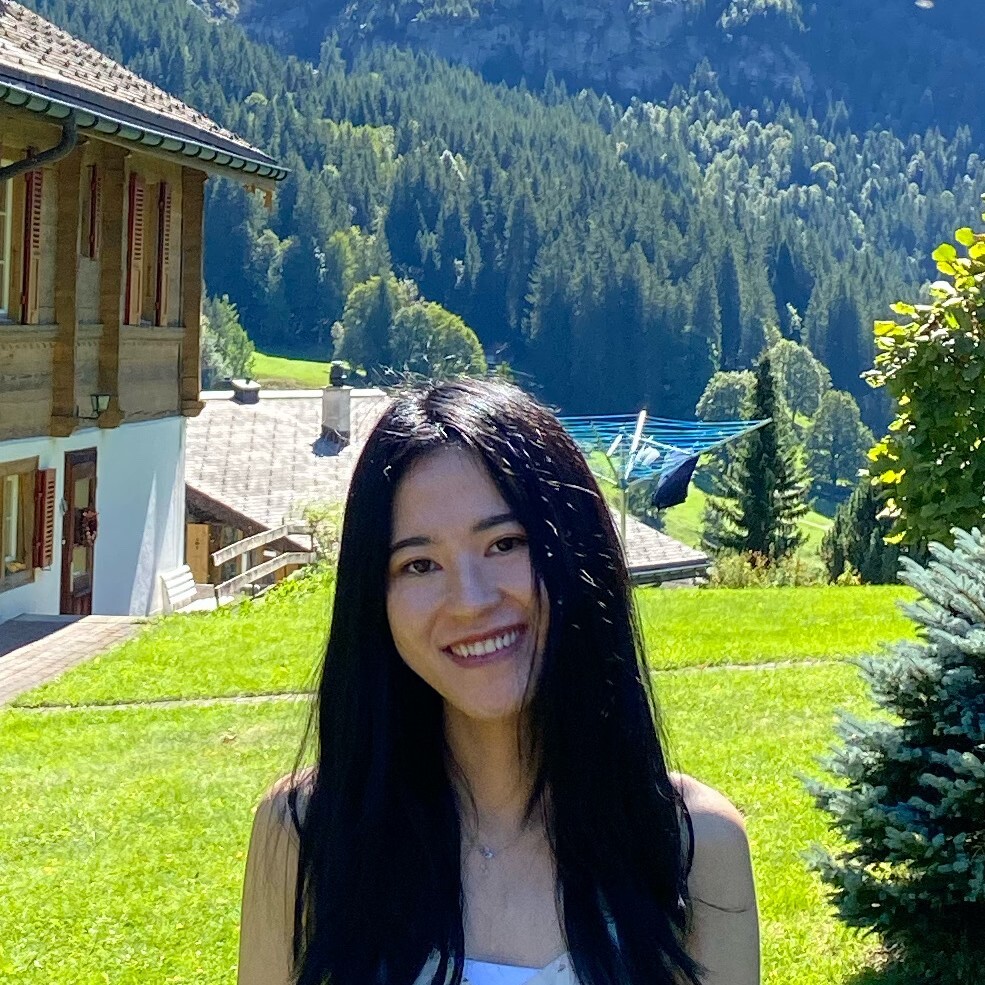
Liuxin Chen
- Lecturer
- liuxin.chen@jcu.edu.au
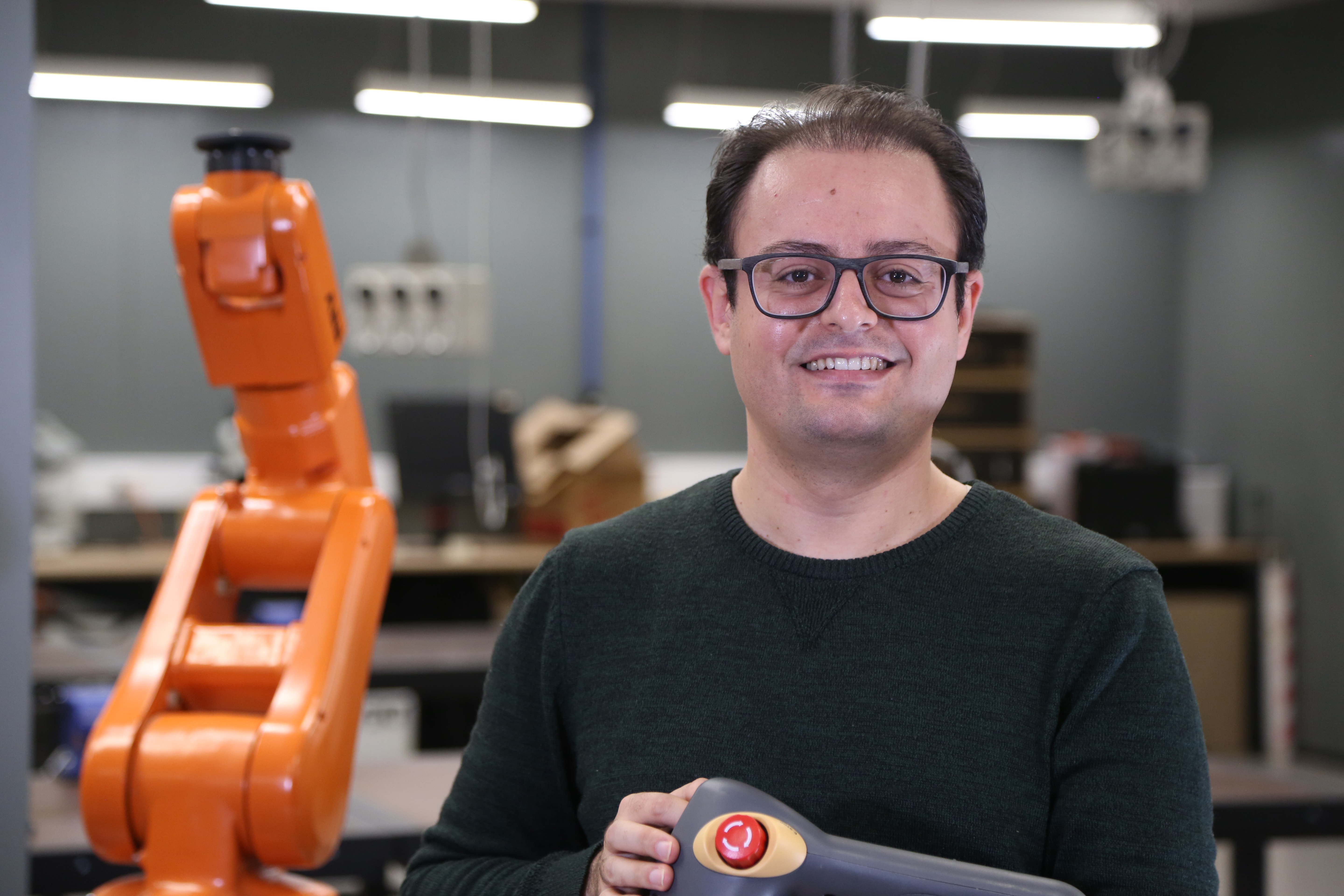
Mohamadreza Chalak Qazani
- Lecturer, Mechanical Engineering
- mohamadreza.chalakqazani@jcu.edu.au
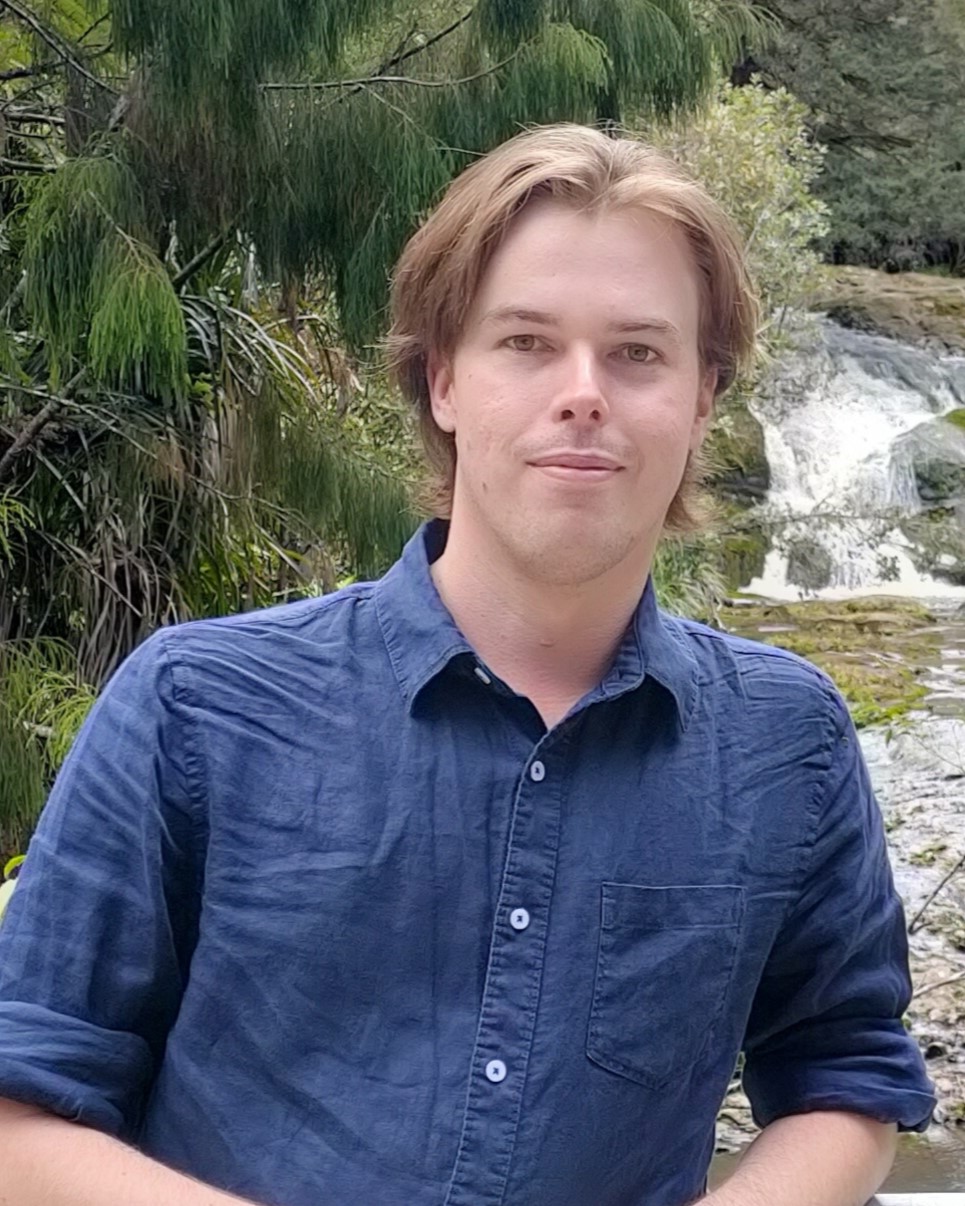
Lewis Gooch
- Lecturer
- lewis.gooch@jcu.edu.au
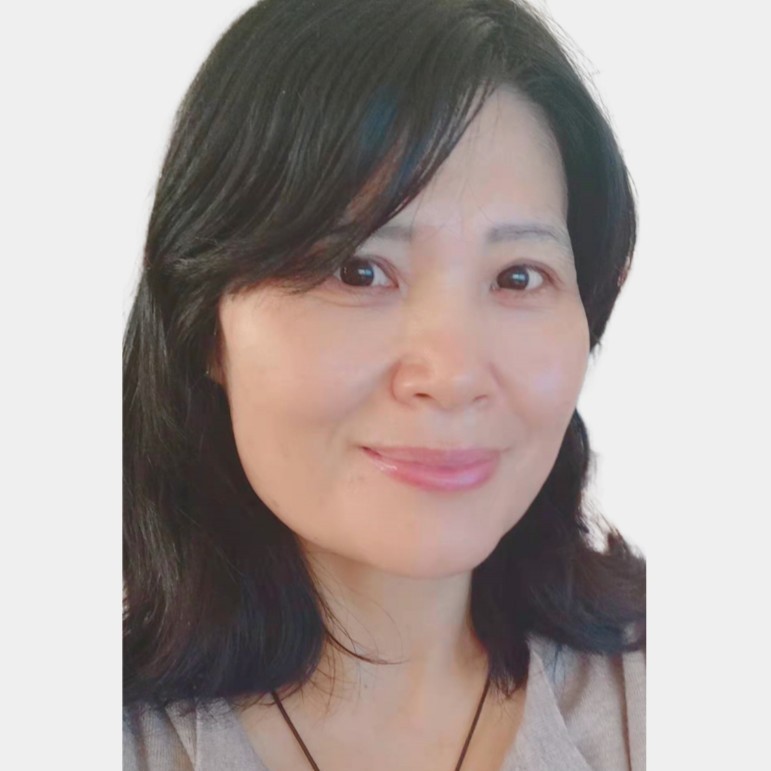
Judy Yang
- Postdoctoral Research Fellow, Applied AI for Forestry Weed Detection and Mapping
- judy.yang@jcu.edu.au

Bouchra Senadji
- Head, Engineering
- bouchra.senadji@jcu.edu.au
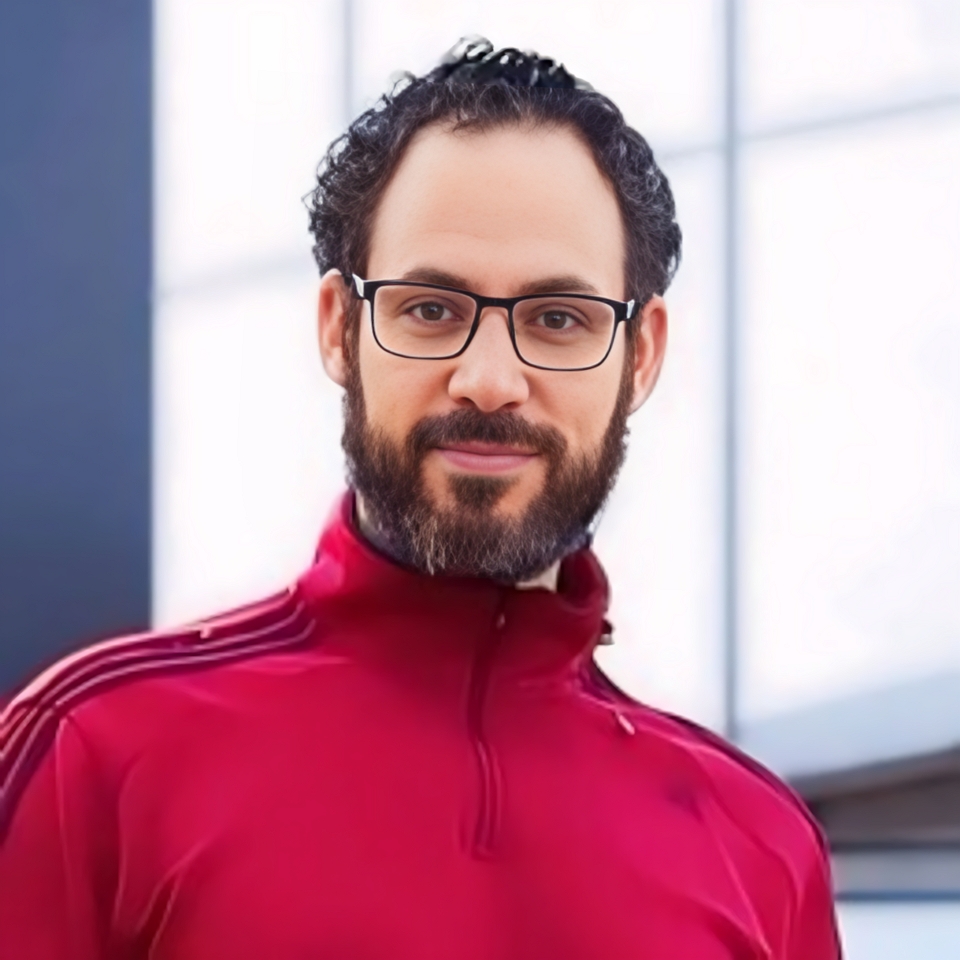
Alzayat Saleh
- AIMS@JCU Postdoctoral Research Fellow, Marine Science Technology
- alzayat.saleh@jcu.edu.au
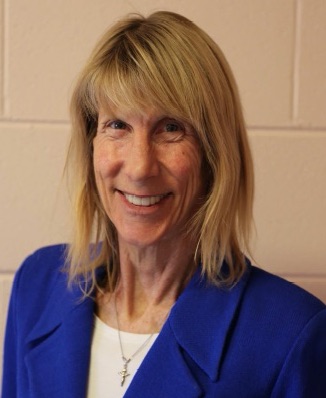
Anne Steinemann
- Adjunct Professor
- anne.steinemann@jcu.edu.au

Nico Adams
- Professor, Electronic Systems & IoT Engineering
- nico.adams@jcu.edu.au
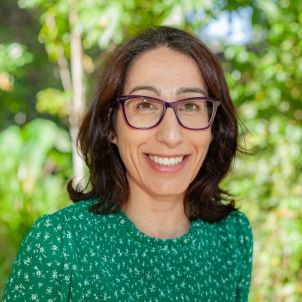
Elsa Antunes
- Associate Professor, Mechanical Engineering
- elsa.antunes1@jcu.edu.au

Eric Wang
- Senior Lecturer, Electronic Systems and IoT Engineering
- eric.wang@jcu.edu.au
Improving the efficiency of genomic selection for meat yield, product quality and environmental resilience through digital phenotyping in the Akoya oyster
Mostafa Rahimi Azghadi
30 Sep 2024 - 30 Jun 2026
The Akoya pearl oyster has historically been farmed for production of pearls. However, in recent times due to its rapid growth rate there is interest in farming this species as a new edible oyster commodity. Broken Bay Pearls is a company situated in Broken Bay, NSW that is currently farming Akoya pearl oysters to sell oyster meat into the Sydney market. They are interested in increasing their production and quality of products through a genomics-informed selective breeding program. For a selective breeding program to be feasible two core components of large-scale data streams need to be acquired (precise measurements on phenotypes of interest to select, and genomic-based SNP genotypes of oysters). Due to the cost and difficulty in measuring growth, meat quality (ie glycogen content) and meat yield at the industrial-scales required, computervision of growth traits trained through machine learning, near-infrared spectroscopy to measure flesh quality, and SNP genomic genotyping platform have enormous potential to revolutionise the conduct of a breeding program and maximise efficiency and quality output of production. Tools also will allow rapid grading of product and possible creation of new niche product lines for sale. The proposed product will develop AI/ML based non-invasive phenotype methods along with a genomic platform to allow a selective breeding program for the Akoya pearl oyster to be implemented.
The Queensland Decarbonisation Knowledge Translation Hub Collaborative Research Agreement
Nico Adams
02 Feb 2024 - 31 Dec 2026
Under a Grant agreement between UQ and the Queensland Government, the Queensland Government is establishing a 3 year approach to developing stronger relationships with Queensland Universities to progress decarbonisation of the State’s economy. This sub-agreement underpins JCU contribution in demonstrating that the parties wish to work together in The Queensland Decarbonisation Knowledge Translation Hub (Hub) and engage with each other on various research Projects from time to time relating.
Closing the circular food economy: Advanced technologies to optimise black soldier fly (BSF) larvae nutritional composition for inclusion in aquafeed
Bronson Philippa
10 Oct 2024 - 30 Jun 2026
Black soldier fly (BSF) biomass is a highly valuable source of nutrients for terrestrial and aquatic animals and has shown to include health promoting compounds that enhances animal production. However, the quality and composition of BSF biomass depends on numerous factors including the BSF stocks, rearing conditions including waste stream diets, post-harvest processing methods and storage conditions. To-date, there is currently little information available on the optimum post-harvest processing technologies and real-time on farm monitoring systems to maximise black soldier fly protein profiles for inclusion in aquafeeds. The objective of this study is to generate on-farm data to improve the nutritional profile of BSF larvae for their application as a substitute component in aquafeed. To achieve this aim, three main studies will be conducted, the first one will focus on generating optimum BSF larvae nutritional data through post-harvest technologies to enhancing BSF larvae composition for aquafeed, the second will focus on the development of a rapid digital diagnostic NIR tool for the real-time evaluation of organic waste streams and BSF larvae composition, and the final study will generate critical data on the effects of feeding BSF larvae on growth performance, gut health and product quality of black tiger marine shrimp.
JCU-NEEPU joint PhD program-MOU
Jiajia Yang
08 Oct 2024 - 08 Oct 2027
James Cook University and Northeast Electric Power University intend to work towards the establishment of an exchange and training program for postdoctoral and Ph.D. candidates in electrical power systems, renewable energy and electronic information.
JCU-NEEPU joint PhD program-MOU
Jiajia Yang
08 Oct 2024 - 08 Oct 2027
James Cook University and Northeast Electric Power University intend to work towards the establishment of an exchange and training program for postdoctoral and Ph.D. candidates in electrical power systems, renewable energy and electronic information.
Emerging technologies for advanced geochemical exploration undercover
Mahmood Sadat Noori
01 Jan 2025 - 01 Jan 2029
Isotope geochemistry can provide powerful insights to the sources or process involved in the formation of an ore deposit. Weathering ore bodies produce unique isotopic fingerprints which can be tracked by using groundwater to undertake exploration undercover. There has been increasing commercial interest in searching for Cu a critical element for the green energy transition through this sustainable technique. However, current approaches suffer from several limitations due to the saline nature of groundwater which limits the sample size that can be routinely processed. This project will use automated separation techniques to achieve greater enrichment factors to enable high precision isotope measurements.
High-throughput neutron tomography core scanner for critical minerals resources
Bronson Philippa
01 Jan 2025 - 30 Jan 2029
This project aims to develop a drill core scanner based on neutron tomography technology.
An Artificial Intelligence Enabled Automatic Detection of Estuarine Crocodiles in Queensland Waterways Using Digital Video
Tao Huang
22 Jan 2025 - 22 Mar 2027
This is a collaborative project between James Cook University (JCU) and the Department of Environment, Science, and Innovation (DESI) to develop an artificial intelligence (AI) based software that leverages digital video for the detection of estuarine crocodiles (C. Porosus) in Queensland's waterways. Building on previous research and utilizing extensive footage from Hartley’s Crocodile Adventures, this project aims to create an AI-based pilot detection system operational in both day and night settings to enhance safety around high-risk waterways.
High shear fluid flow driving carbon foundry for advanced manufacturing (Old ID 28965)
Elsa Antunes
01 Jan 2023 - 31 Dec 2025
The project aims to develop versatile continuous flow film microfluidic device technology by harnessing the contact electrification generated by sub-micron high shear topological flow, for fabricating novel nano-carbon material for which current methods are ineffective or of limited utility. This technology incorporates optional external electric and magnetic fields, and textured surfaces in the rapidly rotating tube, which will allow exquisite control, with real time monitoring, on reforming of carbon into functional material with tunable properties and fabricating hetero-structures of nano-carbon. Understanding their fundamental properties will be targeted for leveraging them in applications to generate new processes and products.
Develop an AI based zero-lag flood monitoring and reporting system (Old ID 29019)
Nico Adams
01 Jul 2023 - 30 Jun 2024
The project will marshall appropriate flood relevant data including images and process it accordingly to facilitate model building. We will then move to the development of statistical models that optimise data capture locations, accuracy, low latency through asset location while minimising deployment costs. We will subsequently design an AI means to improve current flood mapping models based on actual Lixia field water level sensor data utilising ensemble optimisatin, leading to the development of online toolsets to transmit flood level prediction information. We will also engage with regional local governments water and emergency agencies as appropriate to test and qualify minimum viable products and processes.
Review on Recycling of Cross-Linked Polyethylene
- 2024
- American Chemical Society
- Researchers:Mohan Jacob
Start Date:
01 Jan 2010
End Date:
01 Jan 2015
Start Date:
01 Jan 2004
End Date:
01 Jan 2006
Start Date:
01 Jan 2010
Title:
Senior Member, IEEE
Start Date:
01 Jan 2012
Title:
Reperio Innovation Award
Start Date:
01 Jan 2015
Start Date:
01 Jan 2015
Start Date:
01 Jan 2013
Start Date:
01 Jan 2010
Start Date:
01 Jan 2006
Start Date:
01 Jan 2006