
Marine Biology & Aquaculture
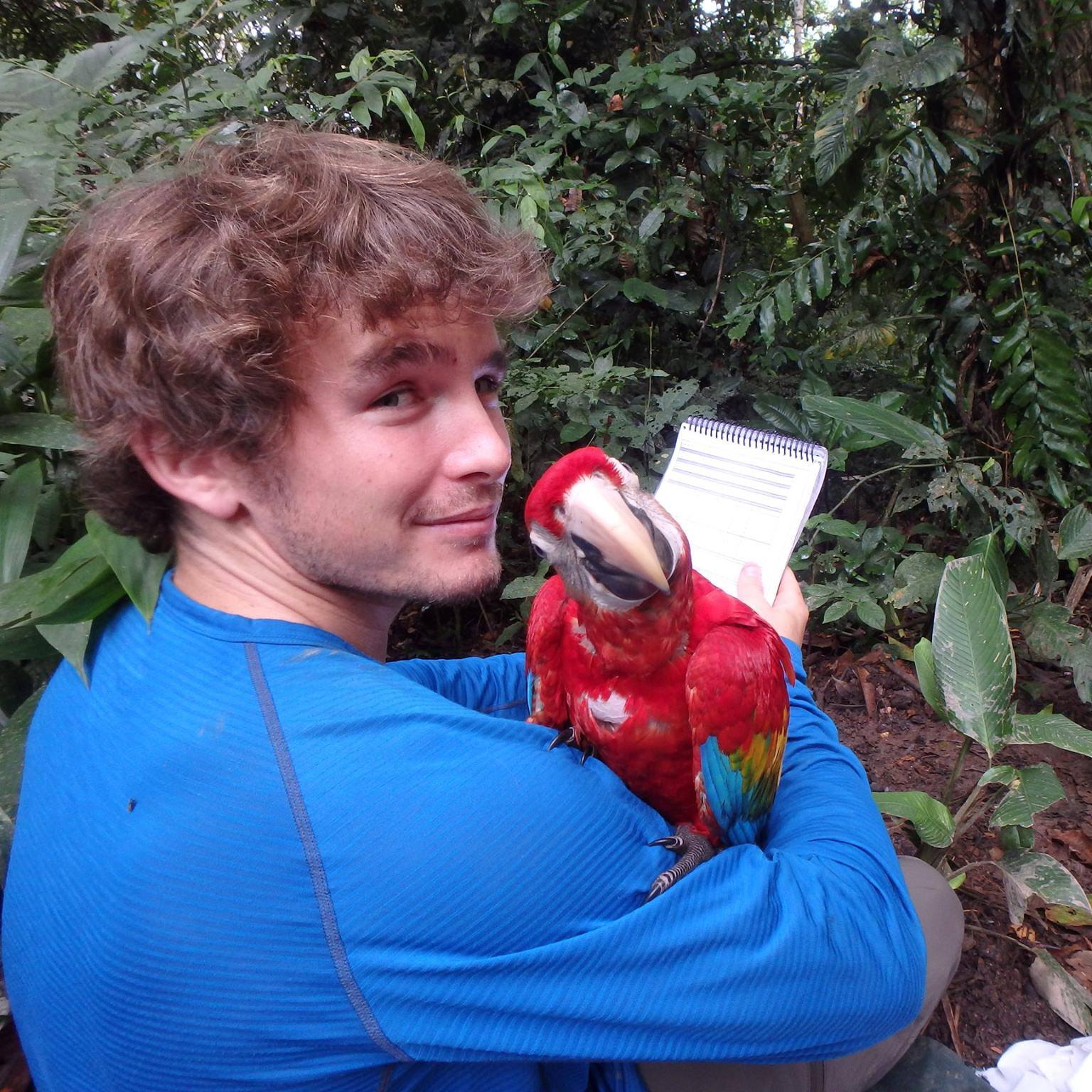
Tom Lloyd
- Postdoctoral Research Fellow, Global Ecosystems
- tom.lloyd@jcu.edu.au

Alys Young
- Postdoctoral Research Fellow, Global Ecosystems
- alys.young@jcu.edu.au
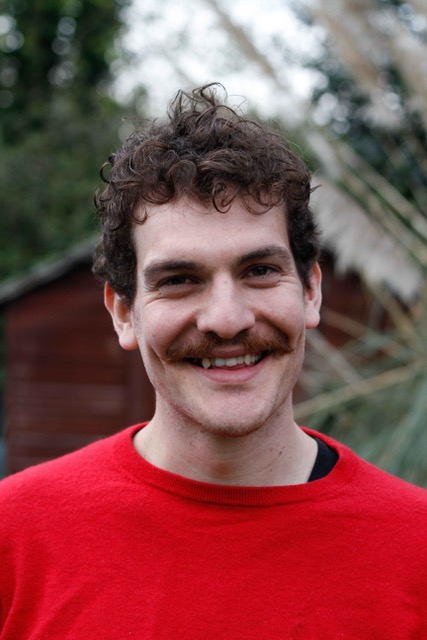
William Arlidge
- Postdoctoral Research Fellow in Community-Based Fisheries Co-Management
- william.arlidge@jcu.edu.au

Anna Wilson
- Senior Research Worker
- anna.wilson@jcu.edu.au
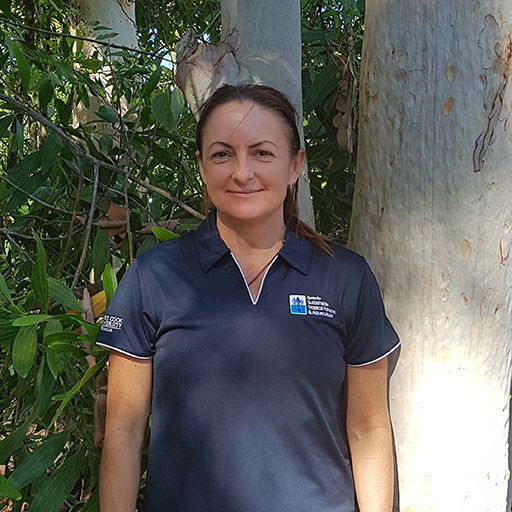
Kelly Condon
- Senior Lecturer, Aquaculture (Aquatic Animal Health)
- kelly.condon@jcu.edu.au

Graeme Cumming
- Adjunct Professor
- graeme.cumming@jcu.edu.au

Takahiro Shimada
- Adjunct Senior Research Fellow
- takahiro.shimada@jcu.edu.au
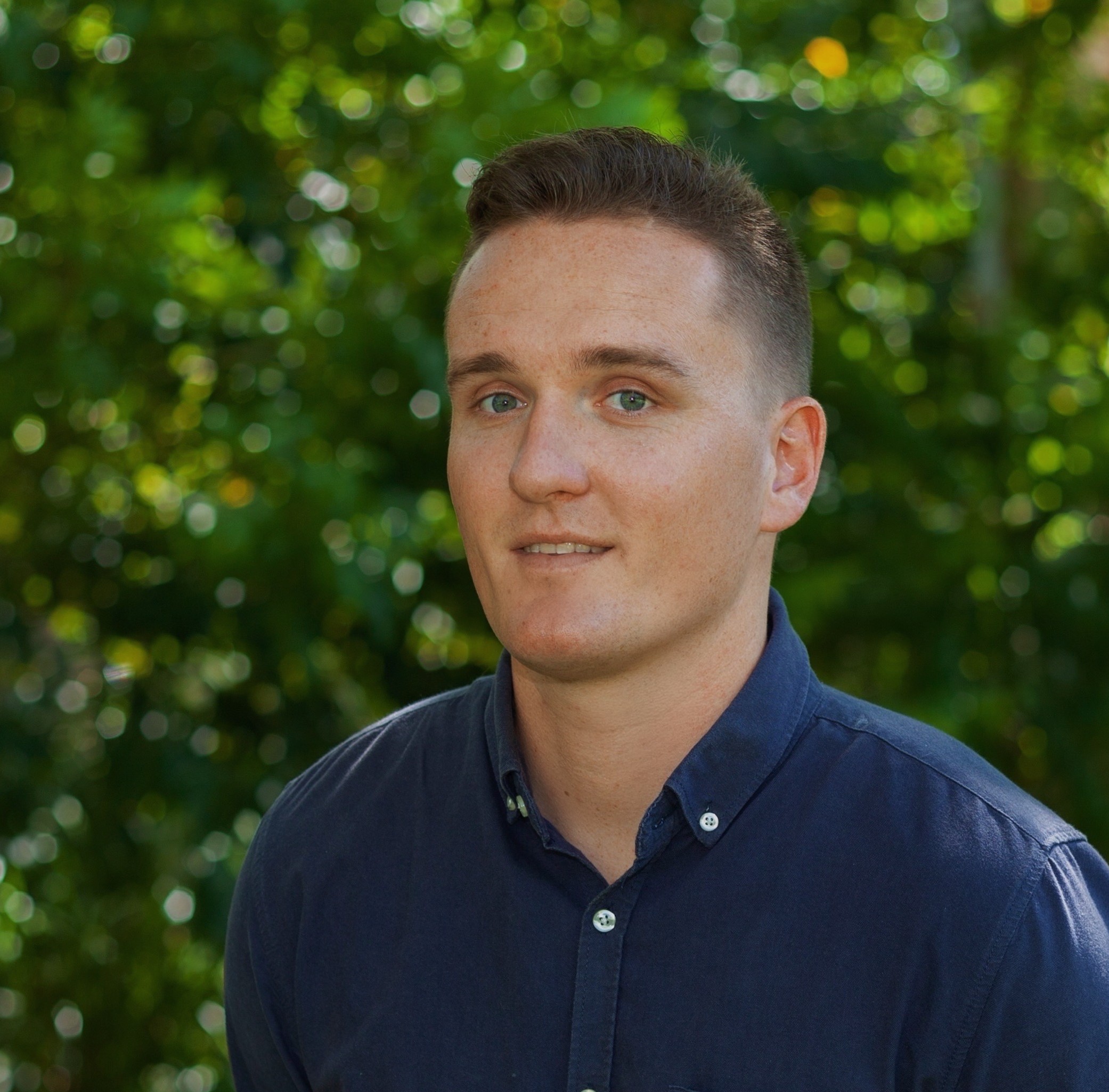
Peter Doll
- Research Fellow, Coral Reef Health Assessments
- peter.doll@jcu.edu.au
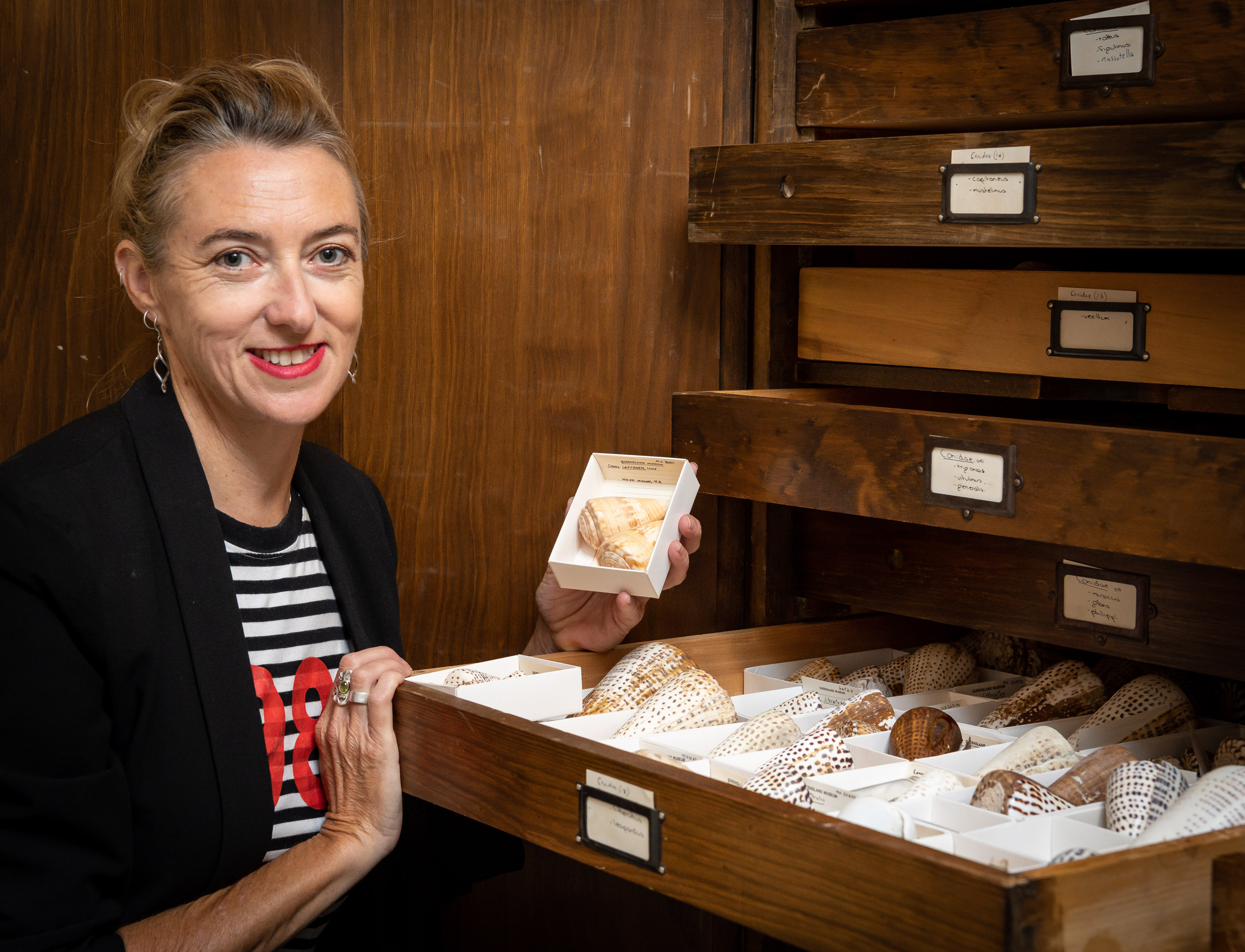
Michela Mitchell
- Casual Research Assistant
- michela.mitchell@jcu.edu.au
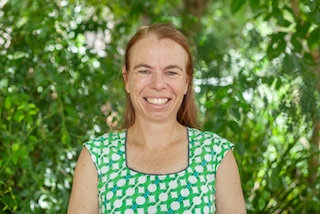
Jan Strugnell
- Professor, Promotional Chair
- jan.strugnell@jcu.edu.au
European Space Agency (ESA) World Ecosystem Extent Dynamics Project
The European Space Agency (ESA) aims to pioneer a new novel application to support international policies on the environment and sustainable development in its World Series of the Application Element (e.g. WorldSoils, WorldCover, WorldCereals, WorldWater). The objective of “World Ecosystem Extent Dynamics” project is to develop and demonstrate, the global applicability of integrated solutions driven by Earth Observation (EO) integrated solutions for mapping the extent and distribution of terrestrial, freshwater and coastal (up to the intertidal zones) ecosystems and monitoring the changes in their extent. We will achieve this with the support of exemplary countries with advanced data, technical capabilities, and reference ecosystem monitoring expertise (i.e. Champion Users). The project will develop and demonstrate a globally applicable open-source toolbox, also called EO-integrated solution, for a comprehensive mapping of the extent and distribution of ecosystem types, according to different ecosystem typologies, and for monitoring the temporal variations in the extent and distribution of ecosystem types.
CI Murray's role is as an expert consultant to join an international consultancy team tendering for the above project.
Wildlife Conservation Society Community Fisheries Program
The objective of this project is to advance the Wildlife Conservation Societies Community Fisheries program. The project will be lead by Dr. Patrick Smallhorn-West.
Based on decades of work in coastal communities, we have developed a strategy that crystalizes the goal shared by fishers and other coastal stakeholders worldwide: a vision of just and regenerative fisheries that equitably benefit nature and people. We are not only looking to slow declines in communities, coastal ecosystems and fisheries, but to reverse them to restore fisheries to their full social, economic, and environmental potential.
Our current research workstreams are:
1. Mainstreaming equity and inclusion within all aspects of WCS work with community fisheries. This includes high level assessments of NGO policies and practice.
2. Monitoring and evaluation of all aspects of community fisheries – ecological, fisheries, and socioeconomic, in ways that deliver clear and locally actionable knowledge of the impacts of interventions.
3. Elevating community fishers and strengthening their organizational capacity to participate fully in coastal governance.
4. Practicing effective co-management – evaluating and integrating the latest research on fisheries co-management into best practice.
5. Incentivizing responsible fishing that addresses unsustainable practices such as destructive fishing, illegal, unreported, and unregulated fishing, and bycatch.
Recommendations to maintain functioning of the Great Barrier Reef (Old ID 24994)
The Great Barrier Reef is experiencing increased environmental stress which threatens its functioning. Yet a subset of species are often disproportionately important in maintaining a functioning ecosystem. This project harnesses Queensland's breadth of reef expertise to deliver timely recommendations on what can be done to strengthen and protect key supportive species. Specifically we ask which species - or functional groups of species - drive processes that maintain a healthy reef. We provide a scientific consensus in support of (1) species' rankings and recommendations for enhanced protection, (2) informed scenarios for what's at stake; the consequences of not taking further action, and (3) make recommendations for targeted R&D. We will also suggest activities that can be undertaken by citizen science organisations to help monitor the status of priority species or identify areas of either outstanding value or threat.
Recommendations to maintain functioning of the Great Barrier Reef (Old ID 24994)
The Great Barrier Reef is experiencing increased environmental stress which threatens its functioning. Yet a subset of species are often disproportionately important in maintaining a functioning ecosystem. This project harnesses Queensland's breadth of reef expertise to deliver timely recommendations on what can be done to strengthen and protect key supportive species. Specifically we ask which species - or functional groups of species - drive processes that maintain a healthy reef. We provide a scientific consensus in support of (1) species' rankings and recommendations for enhanced protection, (2) informed scenarios for what's at stake; the consequences of not taking further action, and (3) make recommendations for targeted R&D. We will also suggest activities that can be undertaken by citizen science organisations to help monitor the status of priority species or identify areas of either outstanding value or threat.
Identification of environmental and biological factors affecting survival and ecophysiology of post settled and adult corals (Old ID 26814)
This project will assess environmental and biological conditions that result in the best survival and growth of juvenile corals to identify whether those conditions differ across species and deployment ages/sizes. It will also test the physiological response of early life stages of corals and it will identify optimal substrates for coral recruitment filling the gaps regarding which species and habitats are best suited for re-seeding. Outcomes of this work will enable us to produce best-practice guides for achieving high post-settlement and post-deployment survival for use in coral restoration. Field trials will be conducted in Keppel Islands.
Impacts and risks of marine microplastics to marine consumers (Old ID 22482)
Microplastics are an emerging threat to marine organisms. There is increasing evidence that plastics accumulate in primary consumers and can be passed on to other organisms in the food chain. My project aims to increase knowledge of the scope of this threat in the Great Barrier Reef region, by conducting a risk assessment. To achieve this I will use hydrodynamic modelling to describe the distribution of microplastics within the Whitsunday region. I will conduct fieldwork to ground-truth the modelling and to quantify microplastics in the region. This research will help establish monitoring and management actions to control plastic contamination.
Water security for Northern Australian - Implementation Phase (Old ID 28971)
This Water Security for Northern Australia program has identified 4 key focal nodes where pressure for increased water utilisation is high - Ord (WA), Daly-Katherine (NT), Gilbert (QLD) and lower Fitzroy (QLD) - to be the focal nodes for this research program. To determine the most appropriate research questions for each focal node, we undertook a co-design phase with relevant regional stakeholders in each focal node. This co-design phase and its outcomes have resulted in the generation of 15 research projects that are now proposed for funding under the Water Security for Northern Australia program -implementation phase outlined in this research program.
Systematics, biogeography, and evolutionary history of black corals. (Old ID 26866)
This proposed research project has two main aims within the study site Heron Island, Great Barrier Reef (GBR): 1) to quantify the biodiversity of black corals; and, 2) to formally describe undescribed species. These aims will be addressed by collecting black corals from four Heron Island reefs that contain cryptic habitats (e.g., caves, overhangs, and coral rubble), which typically host diverse black coral assemblages and have a high likelihood of hosting undescribed species.
Determining the role of a novel gene in liver cancer. (Old ID 27055)
Liver cancer incidence is increasing dramatically in Australia. Through a genetic screen we have found a novel gene that associates with liver cancer cell DNA damage and metabolism. To investigate its function, we will perform cellular assays and tumour experiments to test how this gene regulates liver cancer growth. The proposed research will provide a better understanding of the factors that promote liver cancer and allow the development of new therapies to treat this devastating disease.
Development of advanced reproductive techniques to characterize infertility in Barramundi (Old ID 23111)
Since the 1980's, the $45 million barramundi aquaculture industry has stagnated due to a lack of development of advanced breeding technologies. With the recent development of genomic resources & putative methods to control sex, the industry is poised to undergo rapid expansion by implementing a genetic-based breeding program. Significant impediments to progress include dependence on often unsuccessful mixed spawning events, under-representation of genetically valuable individuals in offspring, & an inability to preserve valuable bloodlines - all due to a poor understanding of the factors that determine (in)fertility in this species. This project will develop advanced reproductive techniques to characterize infertility & accelerate selective breeding in barramundi, which will be implemented into the industry. This project has been granted by the JCU Partnership Grants to consolidate the collaboration between the university and our industry partner, Mainstream Aquaculture, endowed with the largest recirculating aquaculture system operating in mainland Australia. Barramundi farming hold a subsequent place in Queensland as it is place of more than half of the Australian barramundi farm production. The outcomes of this project will provide a new leverage for Queensland's industry and economy by directly impacting the production, increasing capability for aquaculture farms and bring innovation in rural regions. Page 2
Coral bleaching, reef fish community phase shifts and the resilience of coral reefs
- 2006
- Blackwell Publishing
- Researchers:David BellwoodAndrew Hoey
Regional-scale assembly rules and biodiversity of coral reefs
- 2001
- American Association for the Advancement of Science
- Researchers:David BellwoodTerry Hughes
Confronting the coral reef crisis
- 2004
- Nature Publishing Group
- Researchers:David BellwoodTerry Hughes
Influence of age and moderate-intensity exercise training on heart rate variability in young and mature adults
- 2003
- Human Kinetics
- Researchers:Anthony LeichtAndrew Hoey
Influence of intensive cycling training on heart rate variability during rest and exercise
- 2003
- NRC Reserch Press
- Researchers:Anthony LeichtAndrew Hoey
Start Date:
01 Jan 2024
Title:
PhD, University of Cape Town
Start Date:
01 Jan 2008
End Date:
01 Jan 2012
Start Date:
01 Jan 2008
End Date:
01 Jan 2011
Title:
MSc, The University of York
Start Date:
01 Jan 2011
End Date:
01 Jan 2013
Start Date:
01 Jan 2006
End Date:
01 Jan 2007
Start Date:
20 Nov 2025
Title:
Guest Editor: Water
Start Date:
01 Jan 2023
End Date:
01 Jan 2024
Start Date:
01 Jan 2020
End Date:
01 Jan 2021
Start Date:
01 Jan 2011
End Date:
01 Jan 2022
Start Date:
01 Jan 2022