
College of Science & Engineering
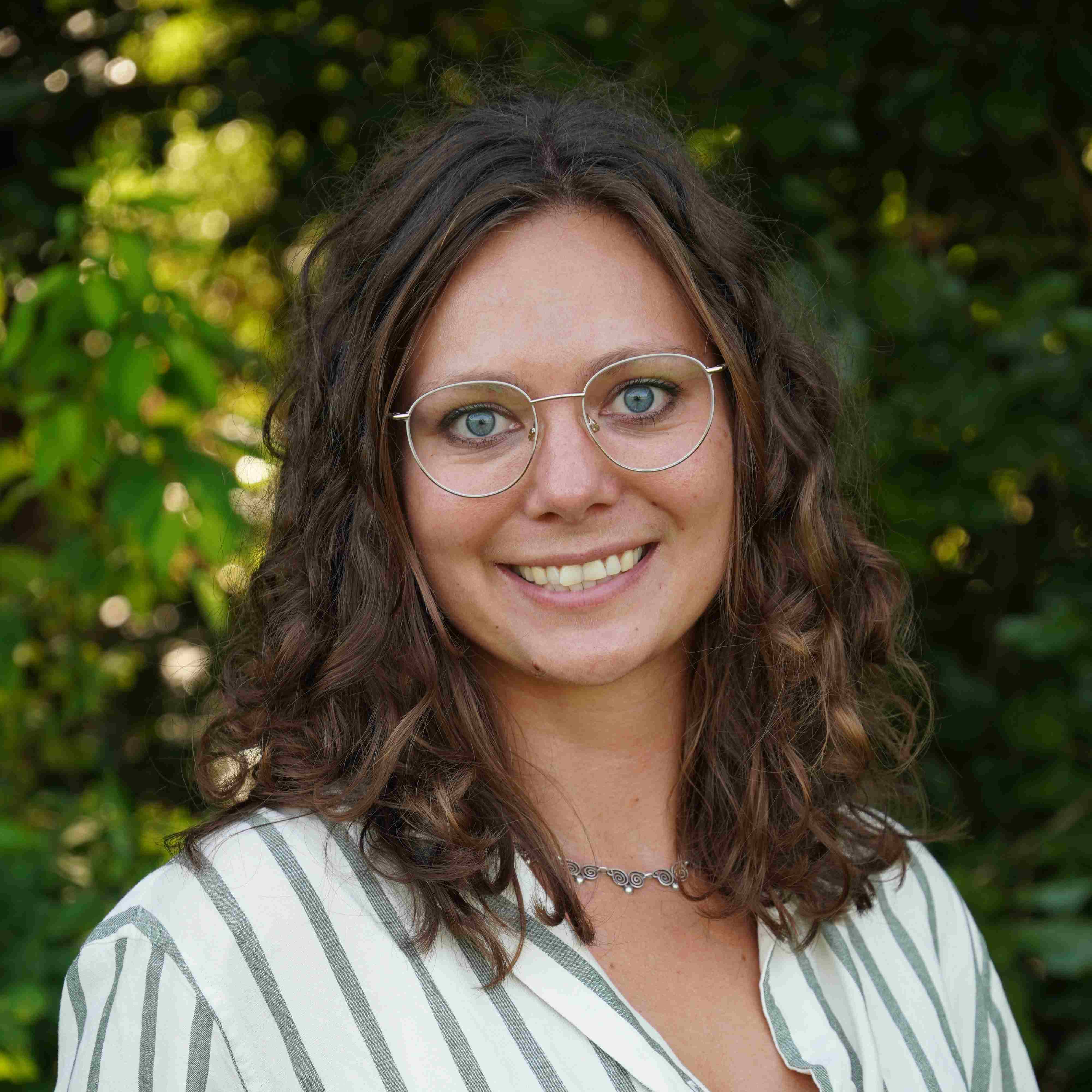
Alica Hoess
- Postdoctoral Research Fellow, Neutron Tomography Scanner
- alica.hoess@jcu.edu.au

Adam Stone
- Associate Lecturer, Data Science
- adam.stone1@jcu.edu.au
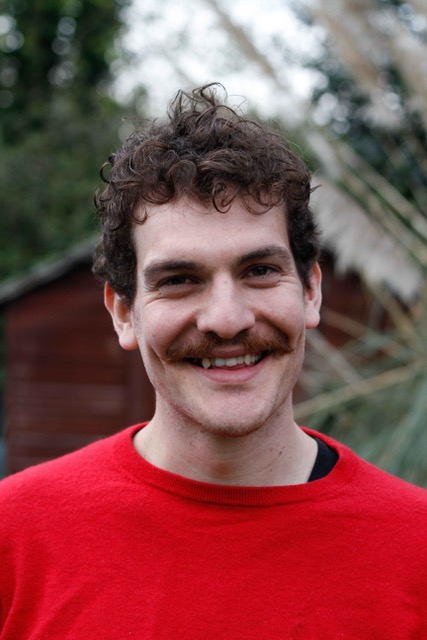
William Arlidge
- Postdoctoral Research Fellow in Community-Based Fisheries Co-Management
- william.arlidge@jcu.edu.au
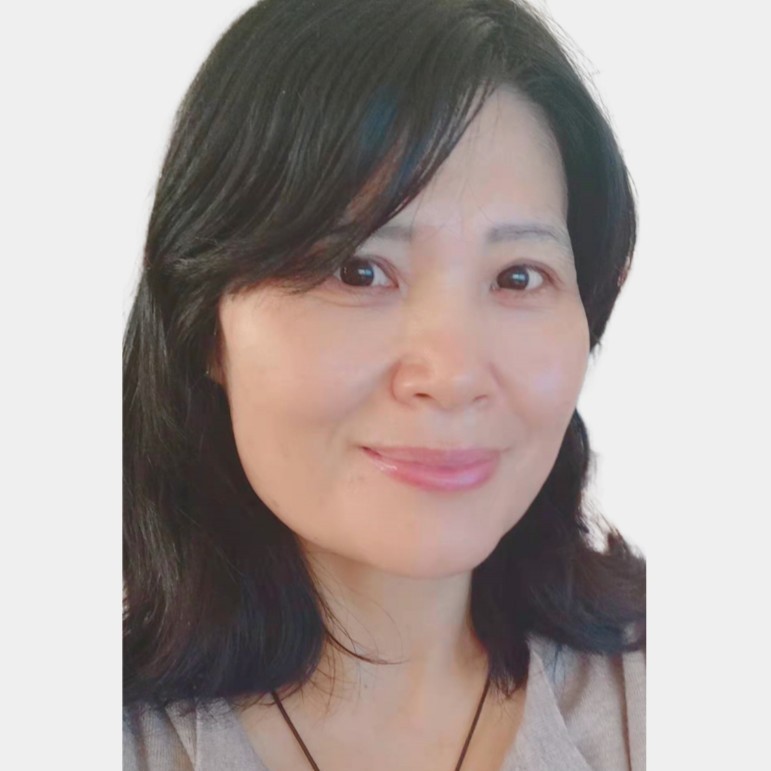
Judy Yang
- Postdoctoral Research Fellow, Applied AI for Forestry Weed Detection and Mapping
- judy.yang@jcu.edu.au

Phoebe Stewart-Sinclair
- Lecturer, Environmental Science
- phoebe.stewartsinclair@jcu.edu.au

Dale Muccignat
- Postdoctoral Research Fellow - Plasma-Liquid Modelling
- dale.muccignat@jcu.edu.au

Bouchra Senadji
- Head, Engineering
- bouchra.senadji@jcu.edu.au
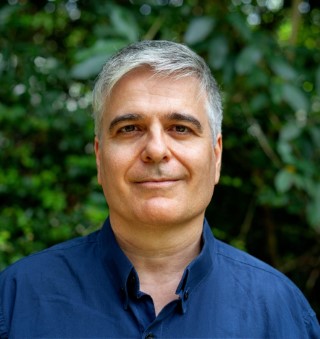
Daniel Montesinos Torres
- Senior Research Fellow
- daniel.montesinos@jcu.edu.au
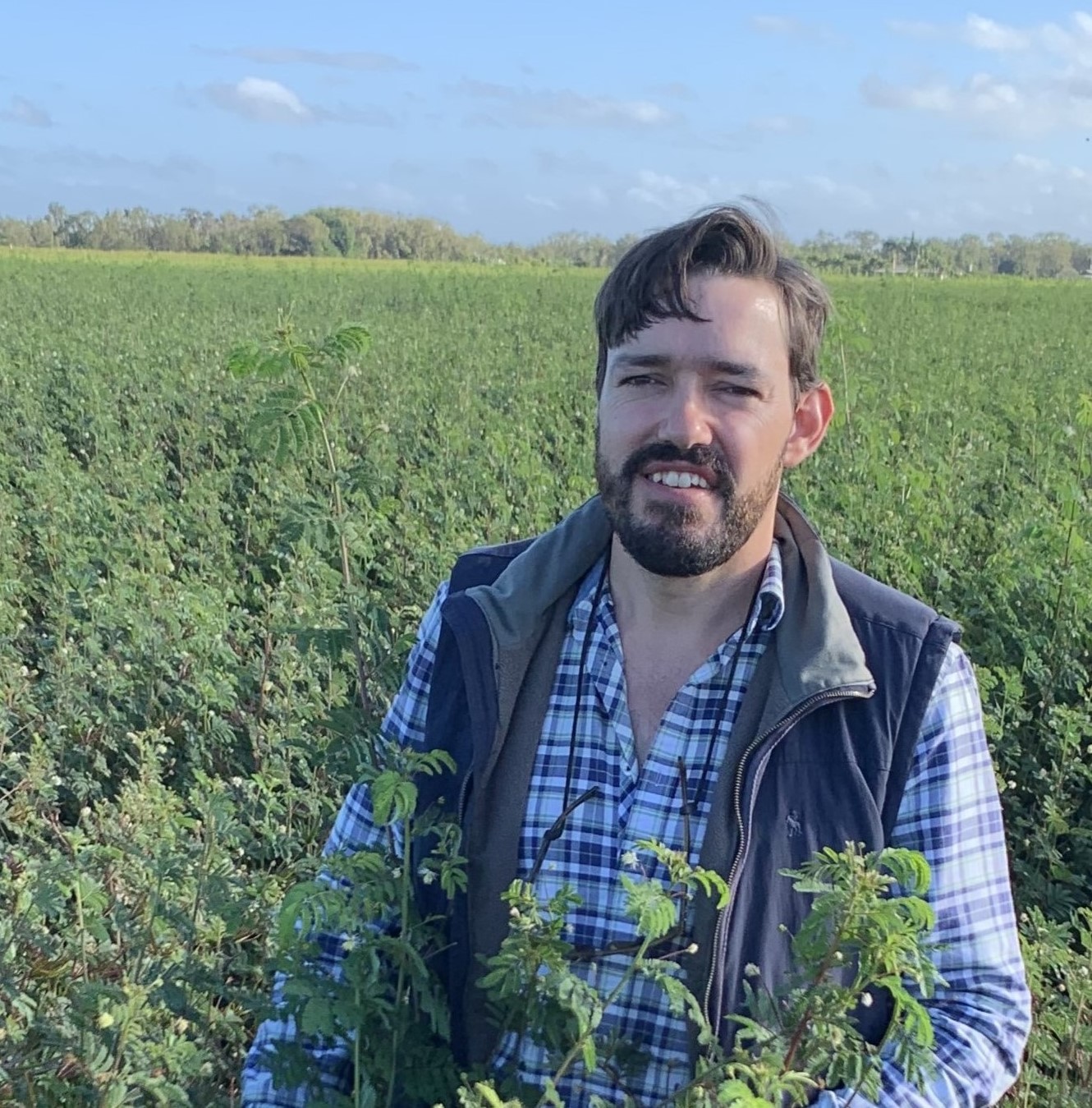
Joe O'Reagain
- Lecturer, Tropical Agronomist
- joe.oreagain@jcu.edu.au

Jessica Grimm
- Academic Coordinator 4th Year
- jessica.grimm@jcu.edu.au
Restoration Grassroots ACRN
Working with community groups to examine restoration outcomes and approaches by grass root groups
Restoration Grassroots ACRN
Working with community groups to examine restoration outcomes and approaches by grass root groups
Sustainable REE extraction from Australian ores using environmentally friendly reagents, advanced characterisation techniques and geological knowledge
This project aims to improve the sustainable extraction of rare earths from Australian ores using environmentally friendly reagents.
Sustainable REE extraction from Australian ores using environmentally friendly reagents, advanced characterisation techniques and geological knowledge
This project aims to improve the sustainable extraction of rare earths from Australian ores using environmentally friendly reagents.
Sustainable REE extraction from Australian ores using environmentally friendly reagents, advanced characterisation techniques and geological knowledge
This project aims to improve the sustainable extraction of rare earths from Australian ores using environmentally friendly reagents.
Sustainable REE extraction from Australian ores using environmentally friendly reagents, advanced characterisation techniques and geological knowledge
This project aims to improve the sustainable extraction of rare earths from Australian ores using environmentally friendly reagents.
Optimising the geophysical ore body model to aid in the discovery of new critical mineral deposits
This project aims to develop advanced geophysical tools that can help exploration companies identify critical mineral resources. Current geophysical exploration methods—such as magnetic, electric, gravimetric, magnetotelluric, radiometric, and seismic surveys—are commonly used in the industry to detect geophysical anomalies. However, many detected anomalies do not contain mineralization due to a lack of tools to identify the specific geophysical signatures of ore bodies.
Our goal is to create tools that enable explorers to distinguish between barren and mineralized anomalies, enhancing the accuracy of mineral discovery. Currently, there is limited knowledge on the specific geophysical responses of mineralized ore bodies. Some preliminary research by CSIRO on IOCG deposits in Cloncurry suggests that combining geological and petrophysical data can model an ore body's geophysical response.
Optimising the geophysical ore body model to aid in the discovery of new critical mineral deposits
This project aims to develop advanced geophysical tools that can help exploration companies identify critical mineral resources. Current geophysical exploration methods—such as magnetic, electric, gravimetric, magnetotelluric, radiometric, and seismic surveys—are commonly used in the industry to detect geophysical anomalies. However, many detected anomalies do not contain mineralization due to a lack of tools to identify the specific geophysical signatures of ore bodies.
Our goal is to create tools that enable explorers to distinguish between barren and mineralized anomalies, enhancing the accuracy of mineral discovery. Currently, there is limited knowledge on the specific geophysical responses of mineralized ore bodies. Some preliminary research by CSIRO on IOCG deposits in Cloncurry suggests that combining geological and petrophysical data can model an ore body's geophysical response.
Optimising the geophysical ore body model to aid in the discovery of new critical mineral deposits
This project aims to develop advanced geophysical tools that can help exploration companies identify critical mineral resources. Current geophysical exploration methods—such as magnetic, electric, gravimetric, magnetotelluric, radiometric, and seismic surveys—are commonly used in the industry to detect geophysical anomalies. However, many detected anomalies do not contain mineralization due to a lack of tools to identify the specific geophysical signatures of ore bodies.
Our goal is to create tools that enable explorers to distinguish between barren and mineralized anomalies, enhancing the accuracy of mineral discovery. Currently, there is limited knowledge on the specific geophysical responses of mineralized ore bodies. Some preliminary research by CSIRO on IOCG deposits in Cloncurry suggests that combining geological and petrophysical data can model an ore body's geophysical response.
Space use by fishes on coral reefs: establishment, fidelity and reef resilience
- 2020
- Researchers:Robert Streit
Landscape rules predict optimal superhighways for the first peopling of Sahul
- 2021
- Nature Publishing Group
- Researchers:Rob BeamanMichael BirdSean Ulm
Start Date:
10 Nov 2024
Start Date:
31 Mar 2025
Title:
Bengali
Reseracher:
Khandakar Faisal Ibn Murad
(Doctor of Philosophy (Engineering and Related Technologies))
Title:
English
Reseracher:
Khandakar Faisal Ibn Murad
(Doctor of Philosophy (Engineering and Related Technologies))
Start Date:
01 Jan 2024
Start Date:
01 Jan 2014
Start Date:
01 Jan 2024
End Date:
01 Jan 2027
Start Date:
01 Jan 2003
Title:
PhD, James Cook University
End Date:
01 Jan 2010
End Date:
01 Jan 2003