
College of Science & Engineering

Sophia Love
- Doctor of Philosophy (Natural and Physical Sciences)
- sophie.love@jcu.edu.au
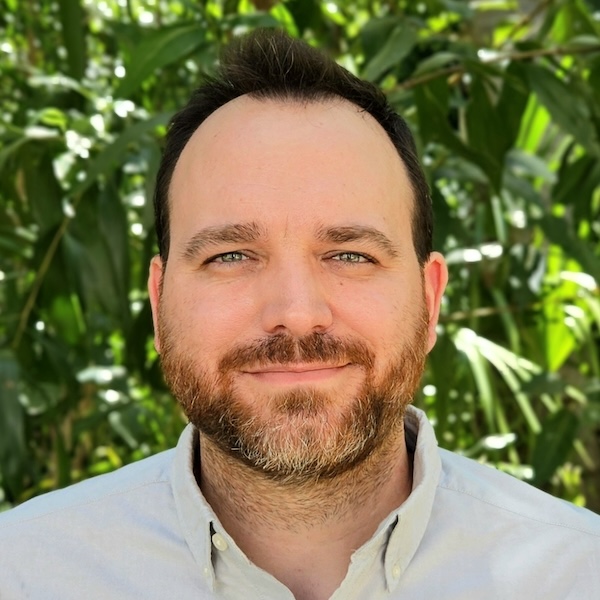
Romain Vaucher
- Senior Lecturer, Sedimentology
- romain.vaucher@jcu.edu.au
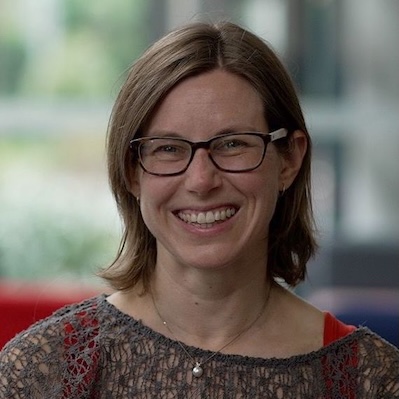
Jenny Fisher
- Associate Dean, Learning and Teaching
- jenny.fisher@jcu.edu.au

Ambili Narayanan
- Doctor of Philosophy (Natural and Physical Sciences)
- ambili.narayanan@my.jcu.edu.au

Sarfaraz Ali
- Postdoctoral Research Fellow
- sarfaraz.ali@jcu.edu.au
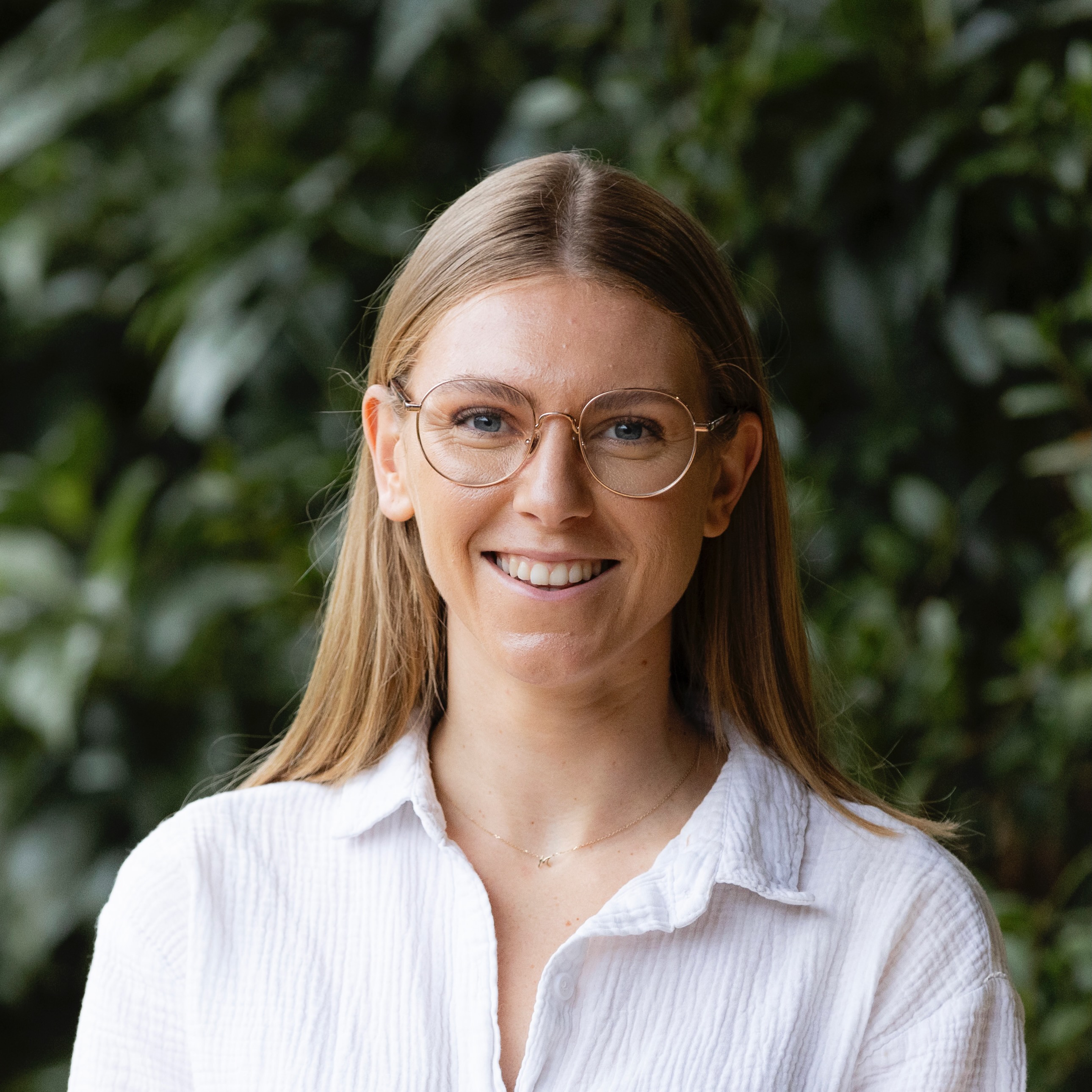
Mikaeylah Davidson
- Postdoctoral Research Fellow
- mikaeylah.davidson@jcu.edu.au
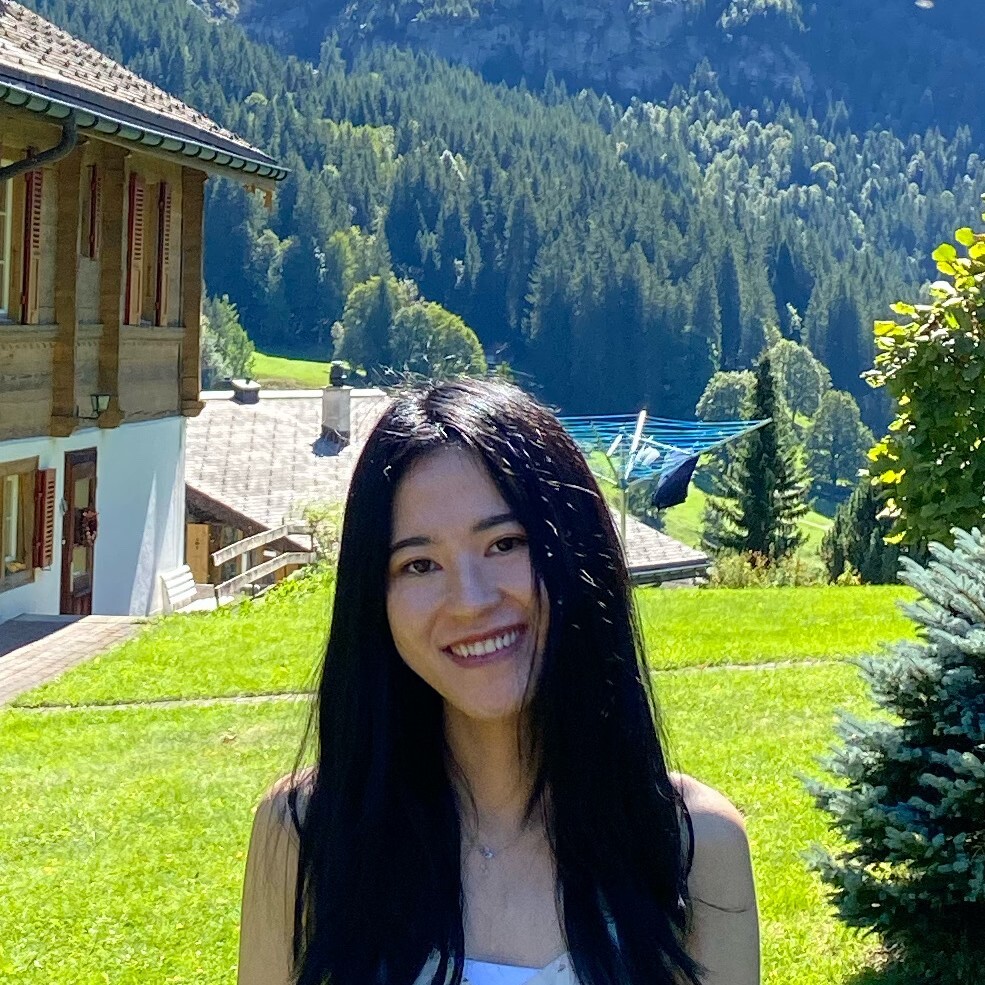
Liuxin Chen
- Lecturer
- liuxin.chen@jcu.edu.au
Rafael Cabral Carvalho
- Lecturer, Marine Geoscience
- rafael.cabralcarvalho@jcu.edu.au
Tom Lloyd
- Postdoctoral Research Fellow, Global Ecosystems
- tom.lloyd@jcu.edu.au
Mohamadreza Chalak Qazani
- Lecturer, Mechanical Engineering
- mohamadreza.chalakqazani@jcu.edu.au
Closing the life-cycle of high-value Lysmata debelius shrimp in captivity
Leo Nankervis
11 May 2026 - 10 May 2027
This project aims to enable captive breeding of the high-value ornamental shrimp Lysmata debelius, a species currently sourced exclusively from wild harvest. While demand remains strong, commercial aquaculture production has been constrained by low larval survival and prolonged development. Through a collaboration between James Cook University’s Aquaculture Breeding & Reproductive Technologies Lab, JCU’s Tropical Aquafeed Innovations Lab, and Monsoon Aquatics, the project will investigate how broodstock nutrition, larval feeding strategies, and hatchery management influence survival, development, and settlement. The outcomes will support practical, scalable life-cycle closure methods, reducing pressure on wild populations and strengthening Australia’s ornamental aquaculture capability.
Closing the life-cycle of high-value Lysmata debelius shrimp in captivity
Jarrod Guppy
11 May 2026 - 10 May 2027
This project aims to enable captive breeding of the high-value ornamental shrimp Lysmata debelius, a species currently sourced exclusively from wild harvest. While demand remains strong, commercial aquaculture production has been constrained by low larval survival and prolonged development. Through a collaboration between James Cook University’s Aquaculture Breeding & Reproductive Technologies Lab, JCU’s Tropical Aquafeed Innovations Lab, and Monsoon Aquatics, the project will investigate how broodstock nutrition, larval feeding strategies, and hatchery management influence survival, development, and settlement. The outcomes will support practical, scalable life-cycle closure methods, reducing pressure on wild populations and strengthening Australia’s ornamental aquaculture capability.
Sustainable use of tailings as land-fill and non-structural construction material - Phase 1 (Old ID 27170)
Peter To
01 Jan 2021 - 31 Dec 2021
The central aim of the project is the assessment of blended residue from Townsville Energy Chemicals Hub (TECH) for sustainable use. Tailings can be processed to remove the acidic content or mixed with binder to become safe backfill or non-structural materials. TECH proposed to process annually 600,000 tons of high grenade Nickel and Cobalt ore. Phase 1 of the project will undertake physical, chemical, geotechnical and engineering strength tests on tailings from TECH to estimate the limits and to assess characteristics, including the acid-insoluble content of the tailings. The understanding will help to develop research in phase 2 and 3.
A global assessment of fisheries co-management
William Arlidge
01 Apr 2026 - 31 Mar 2028
This project delivers a global assessment of fisheries co-management. It administers a structured survey to conservation practitioners and government officials working on fisheries co-management arrangements in coastal nations worldwide, recruited primarily through the Wildlife Conservation Society and WWF site networks, with broader outreach to practitioners in other NGOs and government agencies. The instrument captures governance characteristics, governance quality (effective, equitable, responsive, and robust), and perceived social and ecological outcomes. The work develops a typology of co-management systems and examines the conditions shaping their emergence, persistence, and impact, with findings disseminated through peer-reviewed synthesis articles.
Corals of the future: adaptation potential of Australian reefs to a changing climate (Old ID 27635)
Kate Quigley
01 Aug 2023 - 30 Jul 2029
Oceans are changing. Coral reefs are natural wonders of high socio-economic value but are under threat. Conservation genomics can inform managers where to move or establish reserves to prioritize biodiversity protection. This DECRA will help prepare Australia’s prized reefs against future decline by identifying “bright spot” reefs that protect three of the most fundamental biological processes found in nature: dispersal, symbioses, and adaptation. Outcomes include quantifying unknown genetic baselines to help managers optimise protection to sustain future reef ecosystem services. This will boost Australia’s standing as a global leader in the next conservation planning revolution using genomics.
Safe Adoption of Food Entomology – Boosting Uptake, Guidance and Standards (SAFE-BUGS): Detecting Allergens in Edible Insects to Enhance Food Safety, Safeguard Public Health, and Build Consumer Trust in Singapore.
Shaymaviswanathan Karnaneedi
01 Jan 2026 - 30 Jun 2027
Singapore aims to produce 30% of its food locally by 2030, and edible insects are a promising way to help meet this goal. They are nutritious, require little land or water to farm, and produce far fewer greenhouse gases than livestock. Products such as cricket protein bars and mealworm snacks are already appearing in shops.
However, there is a concern for people with shellfish and house dust mite allergies. Because insects are closely related to prawns and crabs, their proteins can be similar. This means some people with shellfish and/or mite allergy might also react to insect-based foods. Right now, doctors advise all shellfish-allergic consumers to avoid insects entirely, but this is challenging and may be more restrictive than necessary.
We will use advanced laboratory methods to identify the exact insect proteins that trigger allergic reactions and test how food processing affects them. Together with SFA’s allergen team, we will design, establish and implement reliable food tests.
At the same time, we will study 60 allergy-suffering consumers. We will use safe, standard methods such as skin tests and blood tests that check reactions to hundreds of allergens at once. A small group will also eat insect-containing food products under strict supervision.
The results of this study will provide food companies and regulators with clear testing methods and give doctors better tools to advise sensitised consumers. This will protect people with allergies while allowing Singapore to safely benefit from sustainable insect proteins.
Science evaluation of coastal wetland systems repair projects across GBR catchments (Old ID 23139)
Nathan Waltham
01 Jan 2017 - 10 Mar 2020
There is a lack of scientific data to support and give surety that on-ground wetland repair investment achieve water quality and biodiversity returns in the GBR catchments. Most existing and future wetland improvement projects have the objective of reducing invasive aquatic weeks, improving water quality and increasing usable habitat and marine connectivity for aquatic species, however, scientific data evaluating the degree to which this actually happens is not available. This is particularly true for long-term impacts beyond the first few years of remedial management. Scientific data and long term evaluation methods are therefore particularly necessary to track the progress against broader program objectives, in particular those contained in a number of policies and planning documents.
Advanced passive acoustic monitoring to support evaluation of conservation management effectiveness
Lin Schwarzkopf
08 Jun 2026 - 30 Jun 2027
This one-year project will build on previous ecoacoustic research to investigate and test methods for applying passive acoustic monitoring (PAM) to monitor, evaluate, and report on environmental condition across Commonwealth national parks. The project will focus on both recognizer development and implementation, for successful monitoring.
Harnessing the full potential of genomic data to investigate the adaptability of Southern Ocean benthos to climatic change
Edel Sheerin
10 Jun 2026 - 10 Dec 2027
This project applies the most advanced DNA sequencing technology to investigate the population dynamics of a Southern Ocean benthic invertebrate. The outcome of this extended research includes detecting the past and present day population connectivity patterns with precise detail and uncovering the genomic architecture of the species, thus revealing their adaptability to climate change. This project will inform conservation management strategies for Southern Ocean ecosystems.
Listening for Deer: Acoustic Early Detection for Smarter Biosecurity
Lin Schwarzkopf
03 Jul 2026 - 30 Sep 2027
Feral deer are an expanding biosecurity threat across Australia, causing ecological damage, agricultural loss, and management challenges, particularly at low population densities, when detection is difficult. This project will rigorously test whether passive acoustic monitoring (PAM) can provide a reliable, cost-effective method for early detection of feral deer across vegetation types, seasons, and species.
Most deer vocalise conspicuously during breeding, group contact, and alarm situations. We will leverage these vocal behaviours to evaluate acoustic detection success and directly compare it with conventional surveillance approaches (camera trapping). Using several year-long datasets collected across contrasting habitats, we will quantify detection probability, seasonal performance, and relative cost-efficiency of acoustic versus camera-based and eDNA based monitoring.
The intended outcome is clear, evidence-based guidance on when and where acoustic monitoring is most effective for detecting low-density deer populations. By validating scalable and scientifically robust surveillance tools, this project will enhance early detection capacity, improve response times, and strengthen landscape-scale biosecurity monitoring. The results will directly support coordinated, proactive management under national feral deer strategies, helping to reduce environmental impacts, limit spread, and protect biodiversity and agricultural assets across Australia.
Linking feeding behaviour and jaw mechanics in fishes
- 2000
- BIOS Scientific Publishers Ltd
- Researchers:David Bellwood
Water circulation in mangroves, and its implications for biodiversity
- 2001
- CRC Press Inc
- Researchers:Eric Wolanski
Start Date:
10 Nov 2024
Start Date:
31 Mar 2025
Title:
Bengali
Reseracher:
Khandakar Faisal Ibn Murad
(Doctor of Philosophy (Engineering and Related Technologies))
Title:
English
Reseracher:
Khandakar Faisal Ibn Murad
(Doctor of Philosophy (Engineering and Related Technologies))
Start Date:
01 Jan 2024
Start Date:
01 Jan 2014
Start Date:
01 Jan 2024
End Date:
01 Jan 2027
Start Date:
01 Jan 2003
Title:
PhD, James Cook University
End Date:
01 Jan 2010
Start Date:
01 Jan 2024
End Date:
01 Jan 2024