
College of Science & Engineering

Sophia Love
- Doctor of Philosophy (Natural and Physical Sciences)
- sophie.love@jcu.edu.au
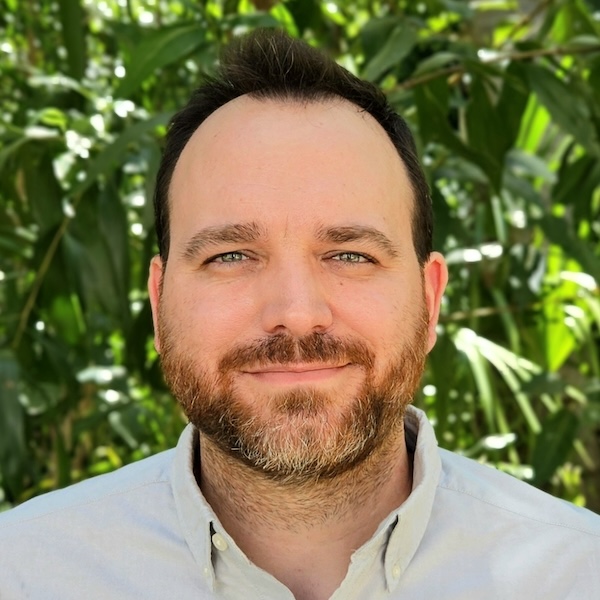
Romain Vaucher
- Senior Lecturer, Sedimentology
- romain.vaucher@jcu.edu.au

Jenny Fisher
- Associate Dean, Learning and Teaching
- jenny.fisher@jcu.edu.au

Ambili Narayanan
- Doctor of Philosophy (Natural and Physical Sciences)
- ambili.narayanan@my.jcu.edu.au

Sarfaraz Ali
- Postdoctoral Research Fellow
- sarfaraz.ali@jcu.edu.au

Mikaeylah Davidson
- Postdoctoral Research Fellow
- mikaeylah.davidson@jcu.edu.au

Liuxin Chen
- Lecturer
- liuxin.chen@jcu.edu.au
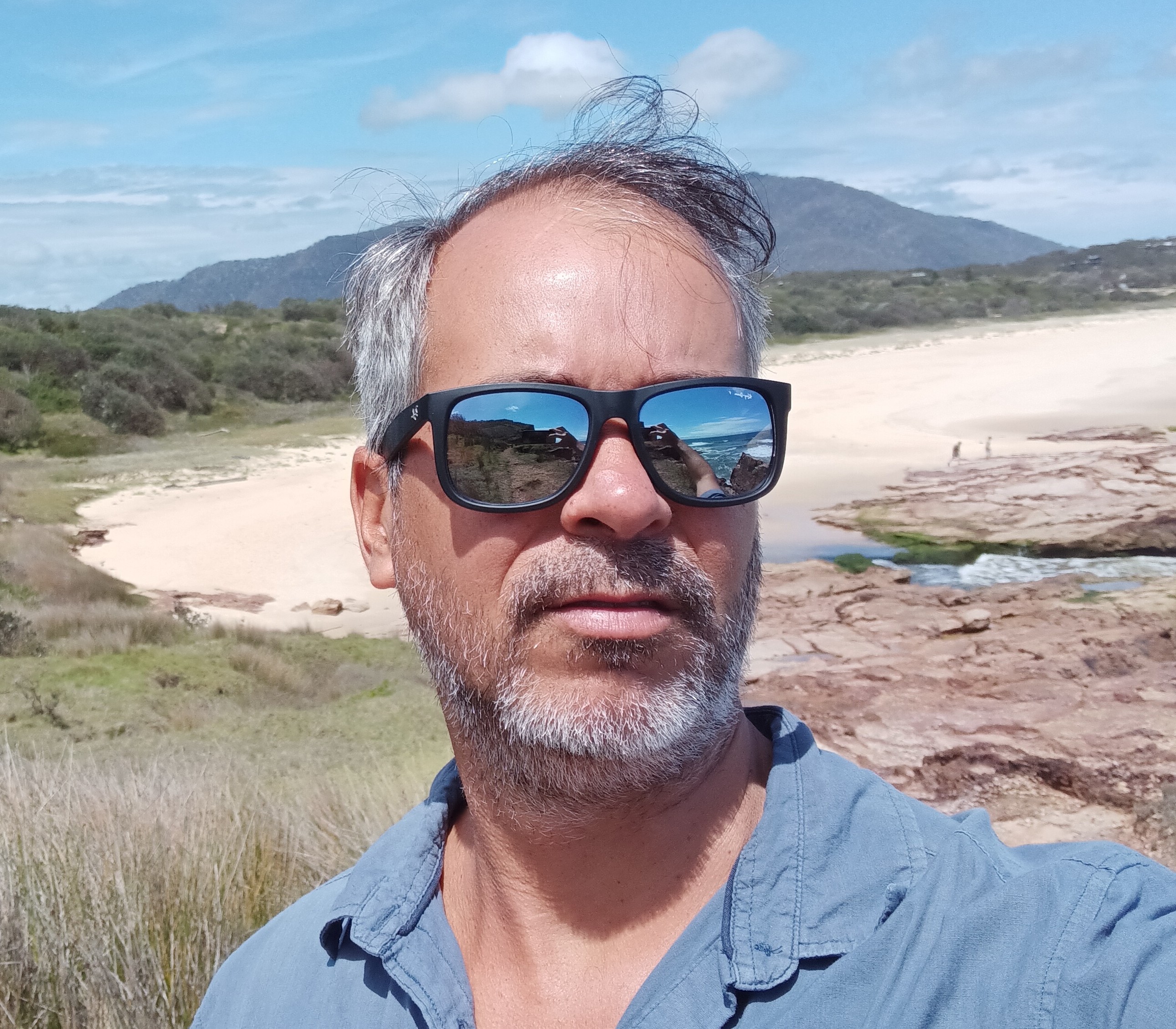
Rafael Cabral Carvalho
- Lecturer, Marine Geoscience
- rafael.cabralcarvalho@jcu.edu.au
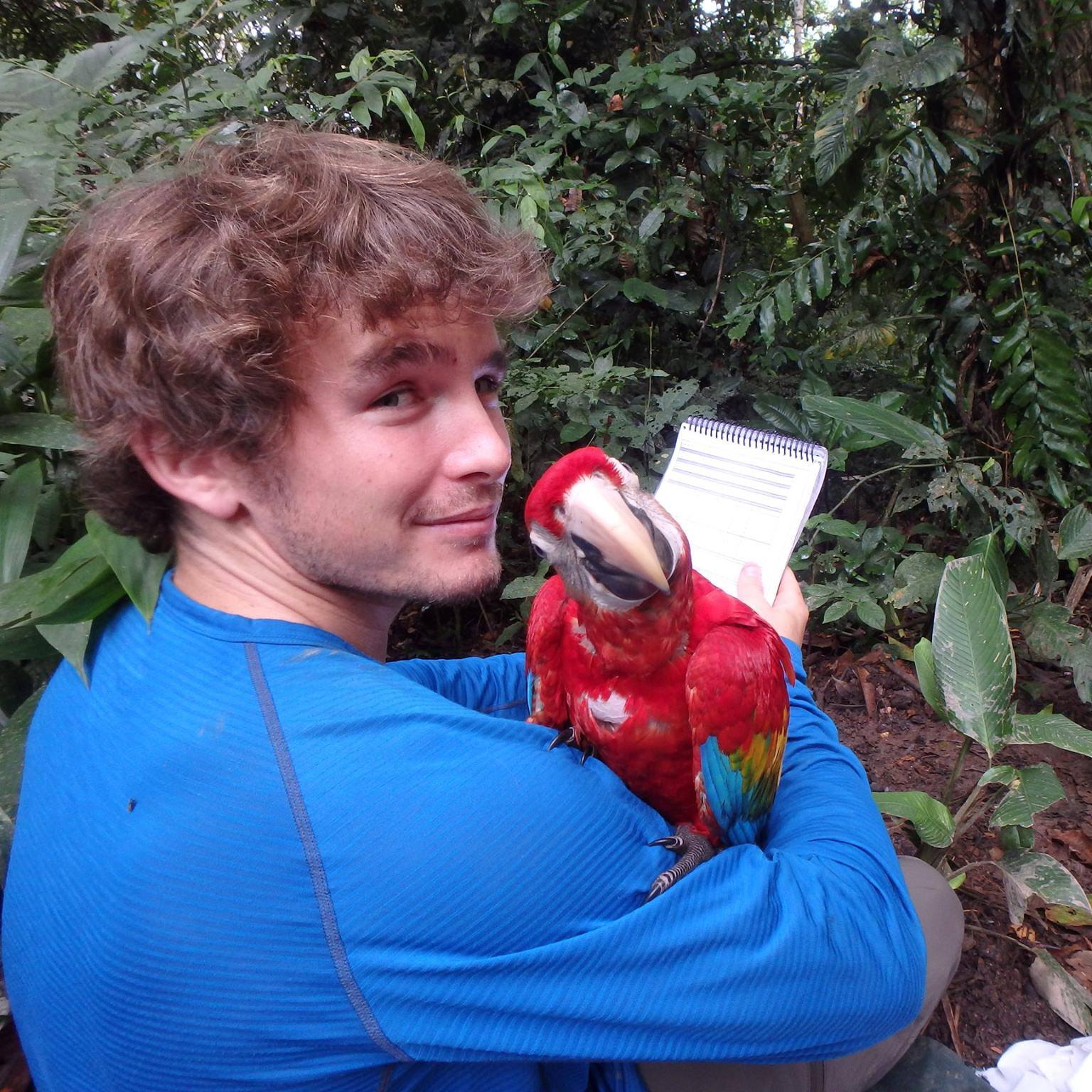
Tom Lloyd
- Postdoctoral Research Fellow, Global Ecosystems
- tom.lloyd@jcu.edu.au
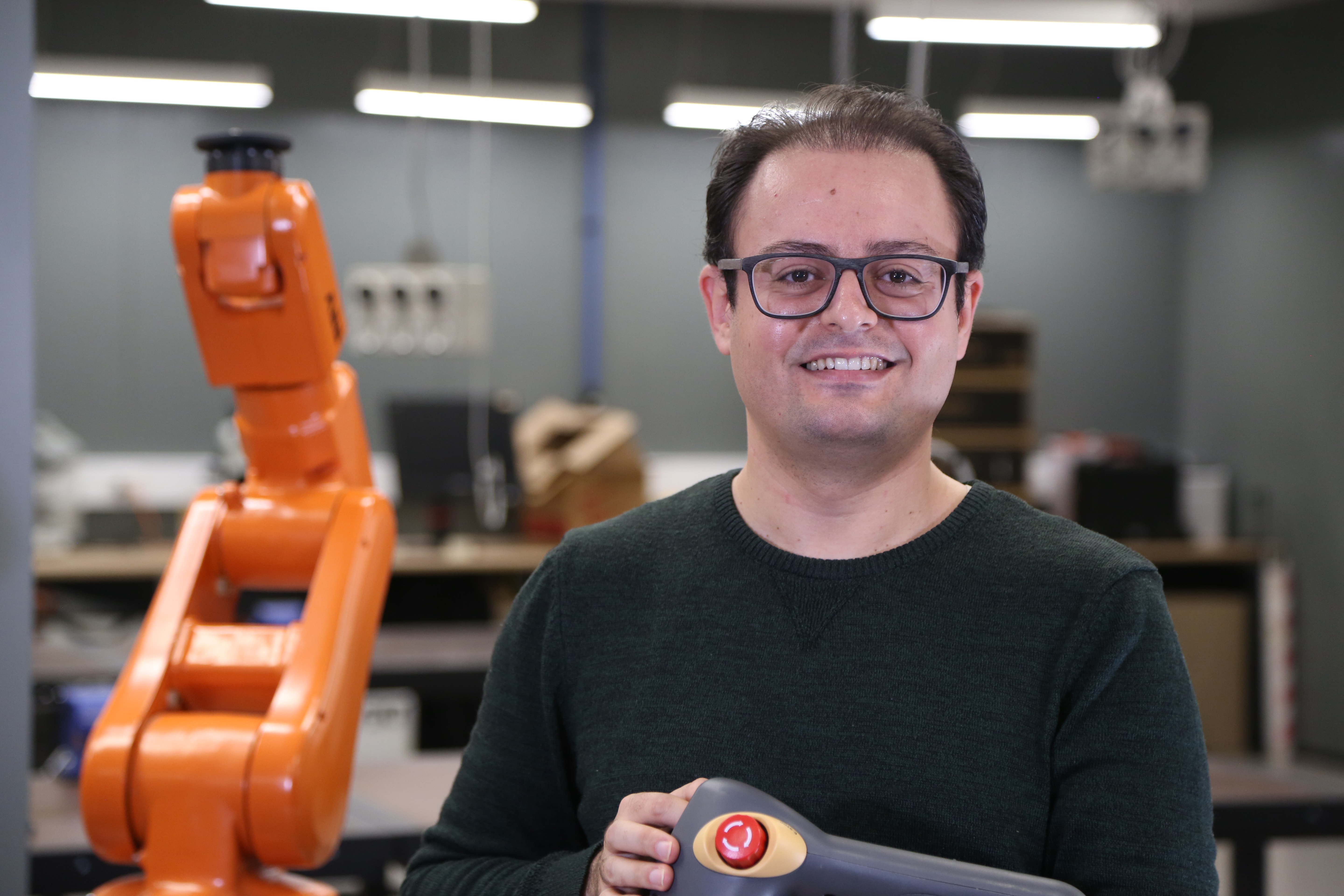
Mohamadreza Chalak Qazani
- Lecturer, Mechanical Engineering
- mohamadreza.chalakqazani@jcu.edu.au
TruForest: Founding an Australian Rainforest LiDAR Monitoring Network
Lucas Cernusak
01 Dec 2025 - 30 Nov 2026
The TruForest project aims to establish a world-leading network for laser (LiDAR) scanning of Australia's rainforests. LiDAR is emerging as the most accurate tool for measuring forest structure, and hence also biomass and carbon stocks. The project intends to: (1) unite Australia's individual and institution-level LiDAR expertise, tools and data; (2) acquire cutting-edge LiDAR technology; (3) develop and test essential data procedures so that
the equipment is ready for use; and (4) develop a partnership for facilitating future usage and access for anyone. The result will be useful for understanding and monitoring Australia's forests, stimulating cutting-edge science, and helping to monitor achieve environmental and climate change targets.
Airbag deployment test (Old ID 30048)
Mehdi Khatamifar
12 Jun 2023 - 31 Aug 2023
AEP Advance Engineering is planning to study airbag deployment in a car after modifications done on the car. This test will study an airbag deployment along the ceiling using high-speed camera at high frame per second rate of 5000. This study aims to investigate the deployment stages of the airbag and visually capture this process, so modifications applied on the car does not interfere with safety.
Artificial intelligence-guided detection of tumour peptides for immunotherapy against therapy-resistant cutaneous squamous cell carcinoma (CSCC)
Ludwig Lopata
14 Jan 2026 - 31 Dec 2026
North Queensland has the highest incidence of CSCC worldwide, which has a huge impact on the local population. With a high tumour mutational burden, CSCC is responsive to immunotherapy, however therapy-resistant CSCC presents a significant challenge. This project aims to detect and select tumour-specific peptides for immunotherapy in patients with therapy-resistant CSCC. The focus on tumour-specific peptides aims to ensure that these peptides are unique to tumour cells, thereby minimising the risk of triggering autoimmunity in treated patients. This innovative approach seeks to enhance the precision and safety of immunotherapies by targeting tumour-specific antigens.
Predicting genetic exchange between species under climate change (Old ID 27104)
Megan Higgie
01 Apr 2021 - 30 Apr 2024
This project aims to resolve the factors that lead to the mixing of species’ gene pools, with a focus on whether climate change will increase such mixing, possibly leading to extinction by genetic swamping. The significance is that the project would improve our understanding of speciation and species’ vulnerability to rapid climate change through genetic mixing; a largely overlooked process. Key outcomes would be to generate new knowledge of a fundamental evolutionary process and extend the toolbox of biodiversity managers facing rapid environmental change. The project would benefit Australia by highlighting our unique biodiversity and scientific capability, and by training early career researchers in advanced evolutionary biology.
Vanadium Extraction and Processing Innovation Project’
Ioan Sanislav
27 Feb 2026 - 30 Nov 2028
This project aims to advance the projects related to vanadium extraction and processing from the Toolebuc Formation in North Queensland and to develop capacity in North Queensland to assist with the emerging vanadium economy .
Vanadium Extraction and Processing Innovation Project’
Mahmood Sadat Noori
27 Feb 2026 - 30 Nov 2028
This project aims to advance the projects related to vanadium extraction and processing from the Toolebuc Formation in North Queensland and to develop capacity in North Queensland to assist with the emerging vanadium economy .
Advancing the chemistry of rare earths-an Australian resource (Old ID 27702)
Peter Junk
01 Jan 2023 - 31 Dec 2025
This project aims to advance knowledge of the synthesis, structures and reactivity of highly reactive rare earth metal-organic compounds. The project expects to build the knowledge and skills to underpin many developments of Australia's still under utilized rare earth resources to diversity from Chinese domination. The expected outcomes will be new synthetic and reaction chemistry including a demonstration of how size and electronic factors can be used to modify and advance rare earth chemistry and related heavy group 2 chemistry. This project should provide significant benefit such as are a better knowledge base in rare earth chemistry to underpin future applications in chemical manufacturing, new materials, catalysis and recycling.
Data-Efficient AI for Precision Weed Monitoring in Tropical Forests
Tao Huang
01 Mar 2026 - 31 Dec 2029
Reforestation plays a critical role in enhancing climate resilience, increasing carbon sequestration, and supporting ecosystem restoration in tropical regions. However, early-stage seedlings face a major threat from the rapid spread of aggressive weed species that compete for essential resources such as light, nutrients, and water. Traditional weed control approaches are labour-intensive, costly, and unsuitable for large or remote reforestation sites, making automated solutions highly desirable.
This PhD project aims to develop AI-driven computer vision systems for precise and efficient weed detection in tropical reforestation settings. Using aerial and ground imagery, the project will focus on building robust and accurate algorithms capable of operating under challenging environmental conditions. To reduce reliance on large annotated datasets, the research will explore data-efficient learning strategies, enabling scalable and cost-effective model development.
The system will be designed for deployment on drones and ground-based platforms, supporting real-time monitoring and decision-making in the field. By improving the accuracy and efficiency of weed detection, the project will help land managers target interventions more effectively, enhance seedling survival rates, and increase the overall success of reforestation programs. This work will contribute to advancing the application of AI and computer vision for environmental restoration, with strong pathways for real-world adoption and commercialisation through industry collaboration.
Assessing risk within social-ecological systems. Using capacity building to operationalise a spatial decision support tool, guiding resilient livelihood development in Solomon Islands (Old ID 27802)
Bethany Smith
01 Dec 2022 - 31 May 2024
Rural coastal communities in the Solomon Islands are experiencing increasing impact from food insecurity, poverty, and global change. To help inform negotiations and decision making in relation to resilient livelihood development a risk-based spatial decision support tool (SDST) has been developed. SDST outputs identify the key environmental, socioeconomic, and institutional factors that contribute to community-level risk. To build the long-term impact of the project, a capacity building model has been developed which focuses on training in-country partners to independently operationalise the SDST within Solomon Islands. This supports the broader application of the SDST within the region, advancing its potential to contribute to resilient livelihood development.
Circulating human papillomavirus (HPV) DNA for post-treatment surveillance of HPV-related oropharyngeal squamous cell carcinoma (HPV-OPSCC)
Ludwig Lopata
01 Jun 2025 - 31 May 2027
HPV is an established cause of the majority of oropharyngeal cancer cases in Australia, with incidence rates continuing to rise. Despite its favourable prognosis with current treatments, post-treatment surveillance for HPV-OPSCC remains challenging, requiring frequent visits to tertiary hospitals for clinical assessments and imaging. This imposes a significant burden on patients in terms of time and cost, as well as on the healthcare system.
Models suggest that incorporating circulating tumour biomarkers into surveillance protocols offers a more cost-effective alternative while maintaining clinical efficacy [1]. The detection of HPV DNA in the blood (circulating HPV DNA, or cHPV-DNA) has shown promise as a non-invasive biomarker that can reliably identify disease recurrence before clinical symptoms or imaging abnormalities arise [2]. This early detection has the potential to enable timely salvage treatments, improving survival rates and reducing treatment-associated morbidity.
Our project aims to establish a highly sensitive and specific method for detecting cHPV-DNA in patient blood using state-of-the-art biotechnology, such as digital droplet PCR (ddPCR) or next-generation sequencing (NGS). By optimizing assay sensitivity and validating its clinical utility, we intend to create a robust platform for post-treatment monitoring of cancer recurrence.
This research will also explore the integration of cHPV-DNA testing into current surveillance frameworks, with the goal of reducing patient visits and reliance on resource-intensive imaging. Additionally, the project has the potential to contribute to the development of personalized, response-adapted treatment strategies for HPV-OPSCC, by identifying patients at higher risk of recurrence or those who may benefit from de-escalated therapy.
Dispersed clay and organic matter in soil: their nature and associations
- 1999
- CSIRO Publishing
- Researchers:Paul Nelson
Start Date:
10 Nov 2024
Start Date:
31 Mar 2025
Title:
Bengali
Reseracher:
Khandakar Faisal Ibn Murad
(Doctor of Philosophy (Engineering and Related Technologies))
Title:
English
Reseracher:
Khandakar Faisal Ibn Murad
(Doctor of Philosophy (Engineering and Related Technologies))
Start Date:
01 Jan 2024
Start Date:
01 Jan 2024
End Date:
01 Jan 2027
Start Date:
01 Jan 2014
Start Date:
01 Jan 2003
Title:
PhD, James Cook University
End Date:
01 Jan 2010
End Date:
01 Jan 2003