
College of Science & Engineering

Sophia Love
- Doctor of Philosophy (Natural and Physical Sciences)
- sophie.love@jcu.edu.au
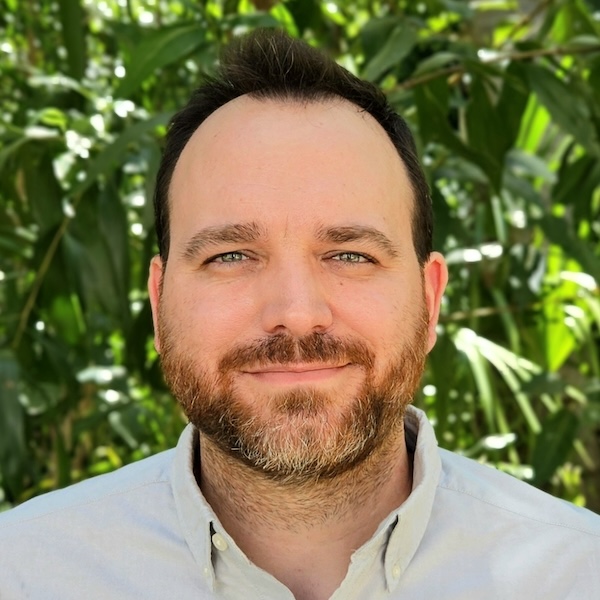
Romain Vaucher
- Senior Lecturer, Sedimentology
- romain.vaucher@jcu.edu.au
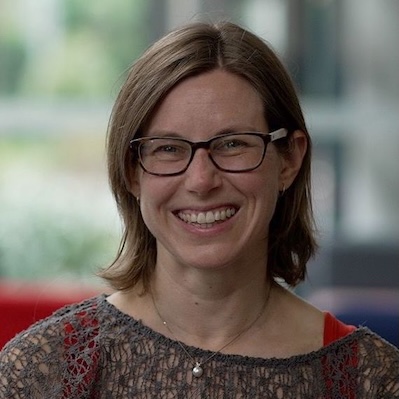
Jenny Fisher
- Associate Dean, Learning and Teaching
- jenny.fisher@jcu.edu.au

Ambili Narayanan
- Doctor of Philosophy (Natural and Physical Sciences)
- ambili.narayanan@my.jcu.edu.au

Sarfaraz Ali
- Postdoctoral Research Fellow
- sarfaraz.ali@jcu.edu.au
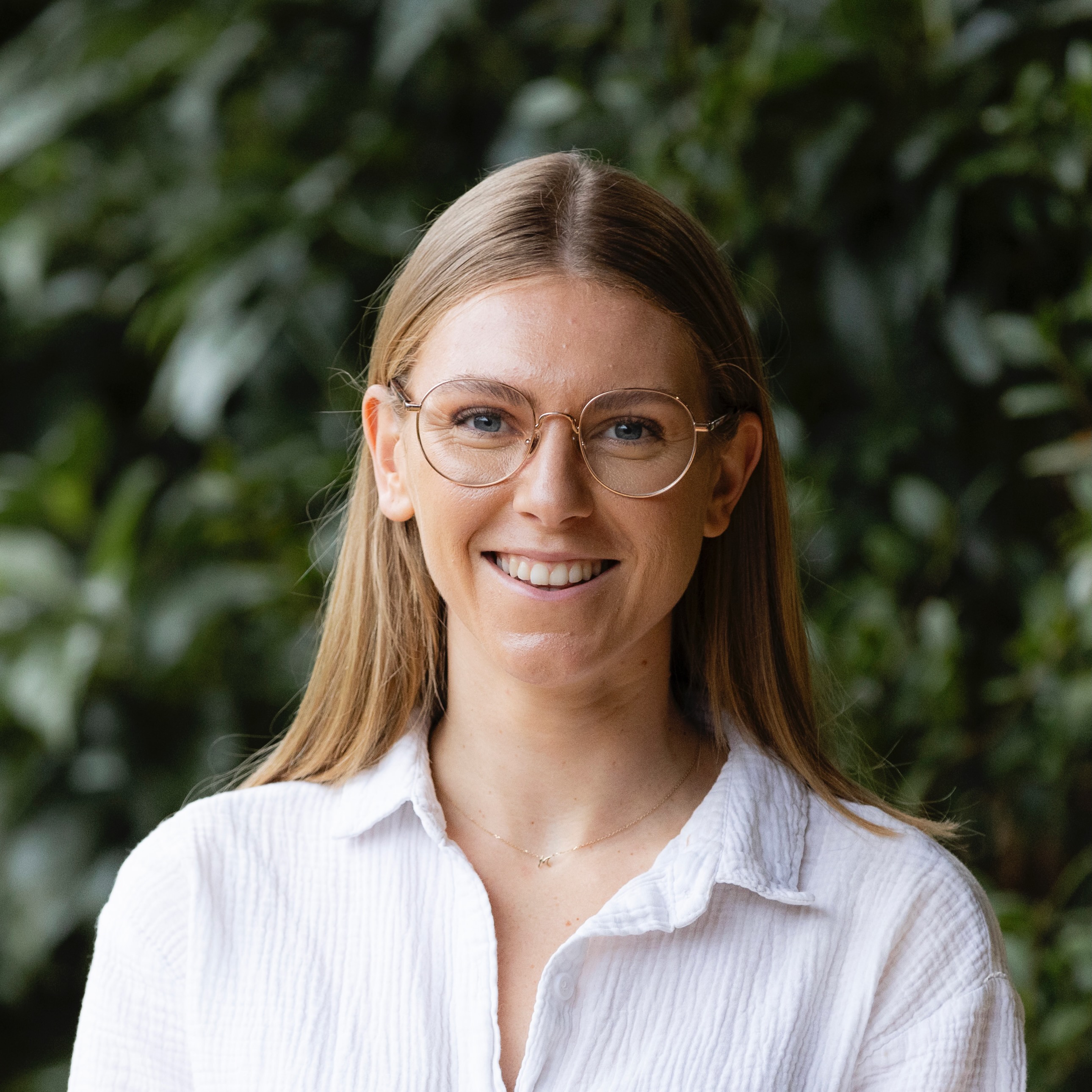
Mikaeylah Davidson
- Postdoctoral Research Fellow
- mikaeylah.davidson@jcu.edu.au
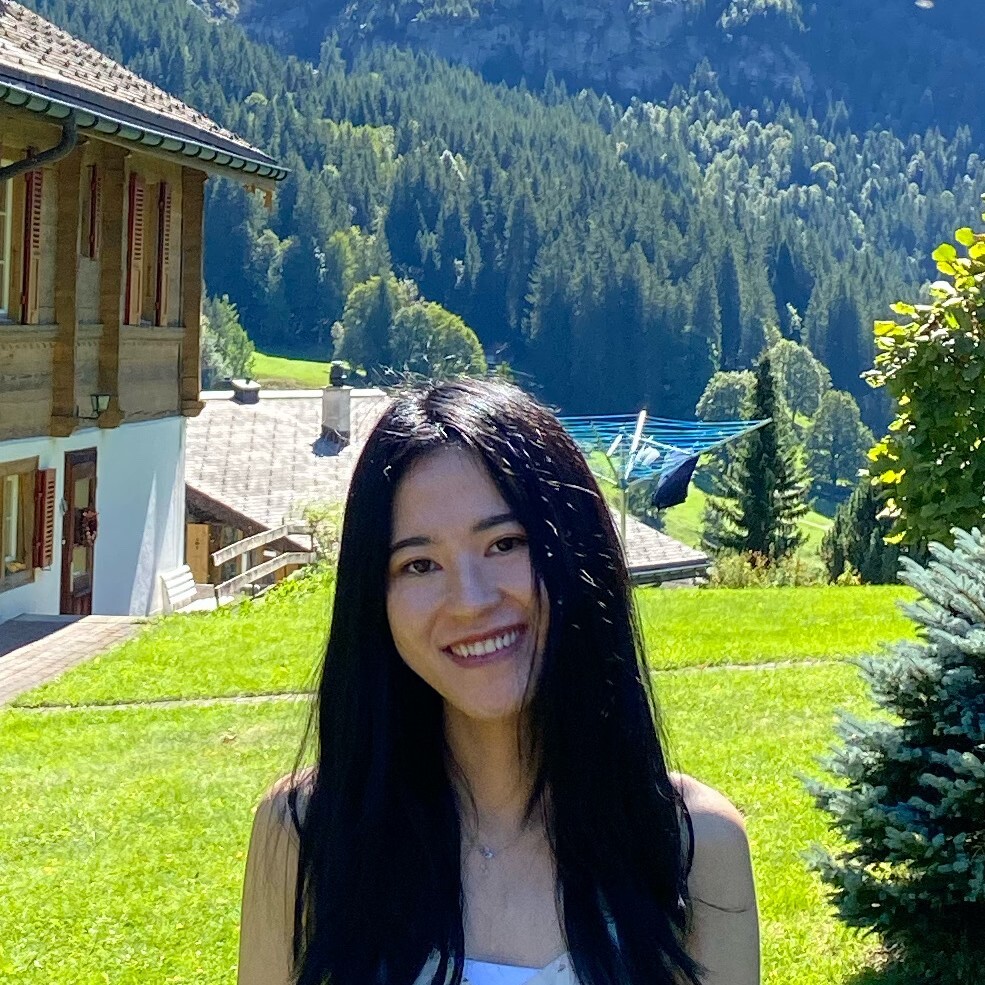
Liuxin Chen
- Lecturer
- liuxin.chen@jcu.edu.au
Rafael Cabral Carvalho
- Lecturer, Marine Geoscience
- rafael.cabralcarvalho@jcu.edu.au
Tom Lloyd
- Postdoctoral Research Fellow, Global Ecosystems
- tom.lloyd@jcu.edu.au
Mohamadreza Chalak Qazani
- Lecturer, Mechanical Engineering
- mohamadreza.chalakqazani@jcu.edu.au
Supply of Impact Resistance (part 2) (Old ID 23212)
David Henderson
01 Mar 2017 - 31 Jan 2018
Collaborative project with Queensland Government to determine defining properties of variability and risk of wind driven debris impact testing in order to develop uniform code / standard for assessment of materials for cyclone shelters etc.
Coastal wetland restoration techniques and evaluation ready for up-scaling (Old ID 26542)
Nathan Waltham
12 Jun 2019 - 31 Jul 2022
First component examines how fish move around floodplains that are impacted following land use conversions. The River herring (Chesapeake Bay) needs access to freshwater and the ocean; population numbers are low because of migration barriers (roads, degraded habitat, dams). The project will include a collaborative study with the Smithsonian Institute to understand how fish access critical habitat during life-stages. The river herring is analogous to the barramundi and mangrove jack in north Queensland: both are highly prized and migrate across catchments and floodplains between freshwater and ocean that have been modified following agricultural expansion and urban sprawl. The second involves investigating how catchment nutrients contribute to coastal hypoxia-fish kills. Like the GBR catchments, nutrient loads in Chesapeake Bay is worsening. The project will include collaborative research on coastal hypoxia and determining the susceptibility of coastal oyster reefs and fisheries to diseases and death (a topic of national interest following a large fish kill in Murray Darling Basin).
Understanding the Stratigraphy, age, and provenance of the diamondiferous Calonda Formation in North-Eastern Angola: Implications for regional magmatism and paleo fluvial drainage evolution (Old ID 25071)
Eric Roberts
01 Jun 2018 - 31 Dec 2019
The pilot research, based on four Calonda Formation Core Samples, has identified a suite of unexpected Permian-Late Cretaceous magmatic detrital zircon populations, which have the potential to improve our understanding of the age and provenance of the Calonda Formation, as well as the tectonic history of this region. The pilot research identified a suite of Cretaceous detrital zircons that form three discrete age clusters, which we hypothesis may have been produced during kimberlite or other alkaline volcanism; perhaps synchronously with deposition of the Calonda Formation or other Cretaceous cover sequences. However, due to the small number of grains discovered in the pilot study and lack of systematic sampling, robust conclusions cannot be drawn at present. However, the results demonstrate that it should be possible to significantly refine the age of these sedimentary sequences, including the Calonda Formation, through detrital zircon geochronology, as well as to study the geochemistry of these grains to better understand the regional tectonics of this area during the Cretaceous, possibly including better dating of the timing of kimberlite volcanism.
Positron Nano-Dosimetry: Fundamental Measurements of Positron Interactions and their use in State-of-the-Art Modelling of Positron Transport (Old ID 21333)
Ron White
11 Mar 2014 - 10 Mar 2017
This proposal will provide unique experimental and theoretical information on how positrons - the electron antiparticle - interact with matter, in particular with biologically important molecules. This data will be used in a unique set of modelling approaches which will provide, for the first time, an insight into how positrons are transported through gases, liquids and ultimately, soft matter. It will thus have important ramifications for diagnostic tools such as Positron Emission Tomography. The fundamental research will also shed light on one of the key 'mysteries' of life - why the biological building blocks of life possess a definite "handedness", or chirality.
Automated Catch'n'Release Anchor Retrieval Device Reliability Test and Materials Research (Old ID 26292)
Eric Wang
02 Jan 2019 - 02 Jul 2019
The Catch'n'Release Anchor Retrieval Device provides the safest and most sustainable way to retrieve your anchor. Specifically designed for recreational vessels, the device is easy to attach and in just seconds the anchor is pulled up the same way it went down. The device is designed to be used every time you head out on the boat and serves to protect precious marine habitats by minimising damage while promoting a safet boating experience. However, to prove its reliability, the device will have to pass thousands of connect and disconnect test cylces, which is apparantly not viable via manual operation. Therefore, this project aims to develop a solution for automated Catch'n'Release Anchor Retrieval Device reliability test, which can perform the connect-disconnect process automatically thousands of times. On top of that, corrosion and braking tests will be also introduced between every 500 test cycles to simulate the practical usage cases of this device.
Jurassic Arc? Reconstructing the Lost World of Eastern Australia (Old ID 23299)
Carl Spandler
21 Mar 2018 - 31 Dec 2023
This project aims to resolve a long-standing enigma about the geological formation of the Great Artesian Basin – Australia’s most important onshore reservoir for groundwater and hydrocarbon resources. Specifically, the project will integrate sedimentological and geochemical studies to investigate the geodynamic configuration of Eastern Australia during the Jurassic Period of basin formation. The intended outcomes are an improved understanding of the evolution of the Australian continent and better knowledge of the formation of intercontinental sedimentary basins, which includes better assessment of their potential to contain hydrocarbon resources.
Building Capacity of Civil Society Organisation in Southeast Asia to Collaborate with Governments to Equitably and Sustainably Secure Fisheries and Support Maritime Security (Old ID 27586)
Amy Diedrich
01 Jul 2022 - 30 Jun 2024
The purpose of the project is to partner with selected Civil Society Organisations (CSOs) in Philippines and Indonesia in order to build capacity to implement Other Effective Area-based Conservation Measures (OECMs) in coastal communities. More broadly this project will contribute to building the capacity for CSOs to engage with policy processes and partner with governments to strengthen maritime policies and local level implementation. This grant will cover phase one of the program for activities to be delivered over the first two years.
NESP 3.8 Carbon abatement & biodiversity enhancements through controlling feral ungulate disturbance in wetlands. (Old ID 28970)
Nathan Waltham
01 Jan 2023 - 20 Dec 2025
Ungulates (pigs, buffalo, cattle) damage the landscape in northern Australia. This impact is particularly evident in coastal wetlands, that provide a range of ecosystem services such as carbon abatement, biodiversity and water quality. Attempts to control ungulates have required expensive mitigation action, with mixed levels of success. In this project we examine the carbon and biodiversity services that controlling ungulates has in coastal areas. Importantly, this research contributes to the development of new methodologies to attract market investments from big businesses, such as blue carbon and biodiversity certificates.
ARC Research Hub for advanced breeding to transform prawn aquaculture (Old ID 21529)
Dean Jerry
01 Jan 2015 - 31 Dec 2020
Project Seadragon will establish the world's largest black tiger prawn farm, significantly boosting the Australian aquaculture sector. To operate with maximum efficiency and maintain international competitiveness, Project Seadragon will require transformative technologies in advanced animal breeding to produce high-yielding, genetically improved, farm strains. The ARC ITRH will coalesce world-leading animal geneticists, research and service providers, and Australia's largest prawn farm, and gather the genomic resources, commercial phenotypic data, and apply cutting-edge genetic and genomic selection methodologies, leading to the most advanced and industry transformative improvement program for any aquaculture species globally.
Endangered Frog Surveys Kuranda (Old ID 22494)
Conrad Hoskin
20 Jan 2016 - 30 Apr 2016
This project is to survey wildlife at a site in the Kuranda region, with particular focus on endangered frog species.
Determinants of asthma phenotypes in supermarket bakery workers
- 2009
- European Respiratory Society
- Researchers:Ludwig Lopata
Start Date:
10 Nov 2024
Start Date:
31 Mar 2025
Title:
Bengali
Reseracher:
Khandakar Faisal Ibn Murad
(Doctor of Philosophy (Engineering and Related Technologies))
Title:
English
Reseracher:
Khandakar Faisal Ibn Murad
(Doctor of Philosophy (Engineering and Related Technologies))
Start Date:
01 Jan 2024
Start Date:
01 Jan 2024
End Date:
01 Jan 2027
Start Date:
01 Jan 2014
Start Date:
01 Jan 2003
Title:
PhD, James Cook University
End Date:
01 Jan 2010
Start Date:
01 Jan 2024
End Date:
01 Jan 2024