
College of Science & Engineering

Sophia Love
- Doctor of Philosophy (Natural and Physical Sciences)
- sophie.love@jcu.edu.au
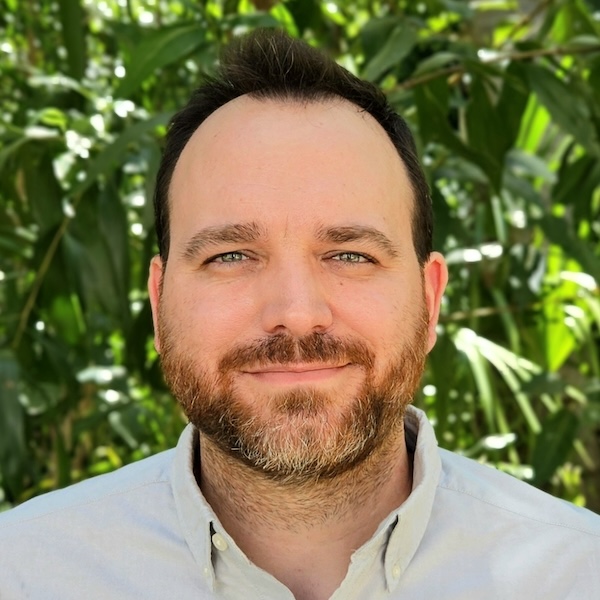
Romain Vaucher
- Senior Lecturer, Sedimentology
- romain.vaucher@jcu.edu.au

Jenny Fisher
- Associate Dean, Learning and Teaching
- jenny.fisher@jcu.edu.au

Ambili Narayanan
- Doctor of Philosophy (Natural and Physical Sciences)
- ambili.narayanan@my.jcu.edu.au

Sarfaraz Ali
- Postdoctoral Research Fellow
- sarfaraz.ali@jcu.edu.au

Mikaeylah Davidson
- Postdoctoral Research Fellow
- mikaeylah.davidson@jcu.edu.au

Liuxin Chen
- Lecturer
- liuxin.chen@jcu.edu.au
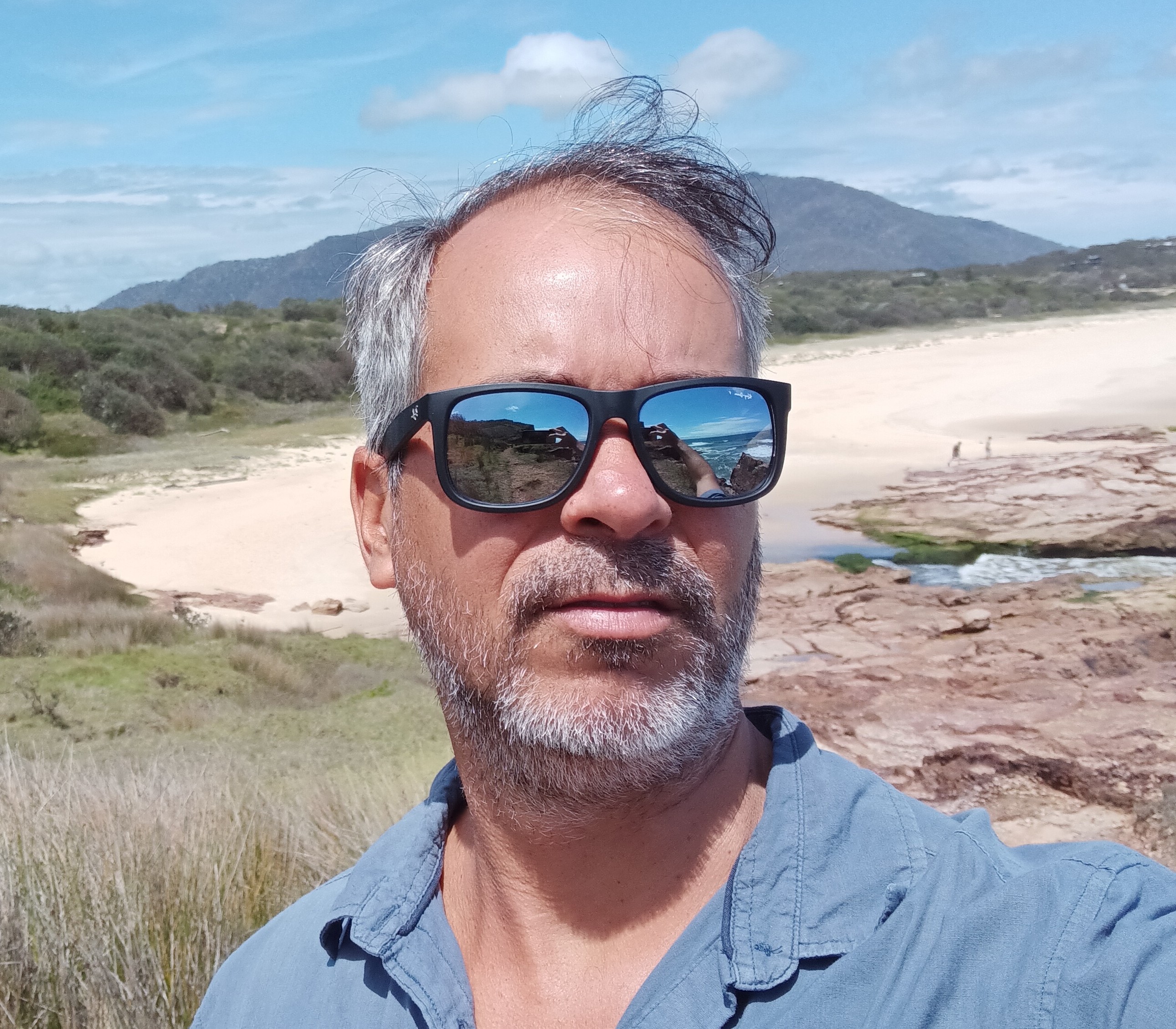
Rafael Cabral Carvalho
- Lecturer, Marine Geoscience
- rafael.cabralcarvalho@jcu.edu.au
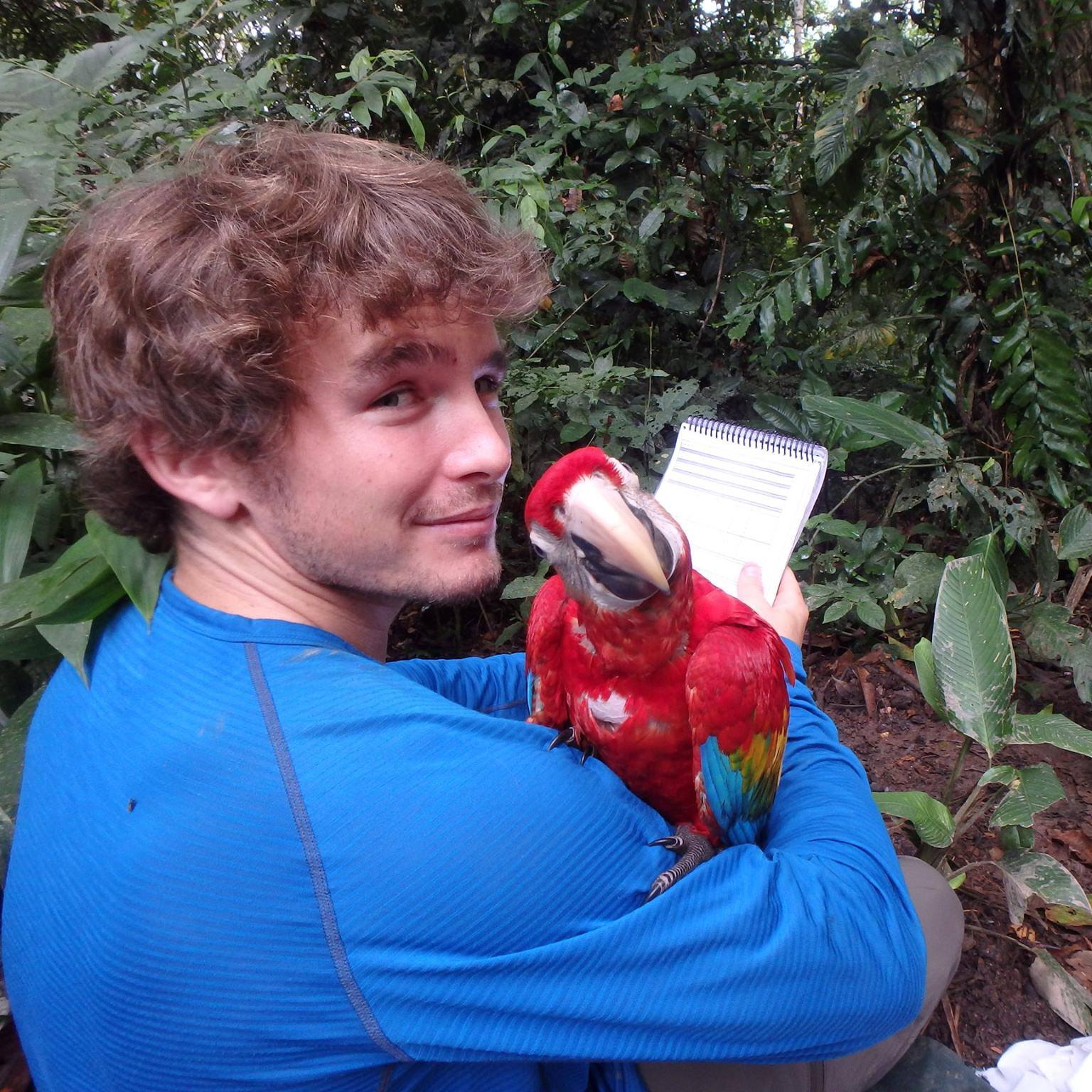
Tom Lloyd
- Postdoctoral Research Fellow, Global Ecosystems
- tom.lloyd@jcu.edu.au
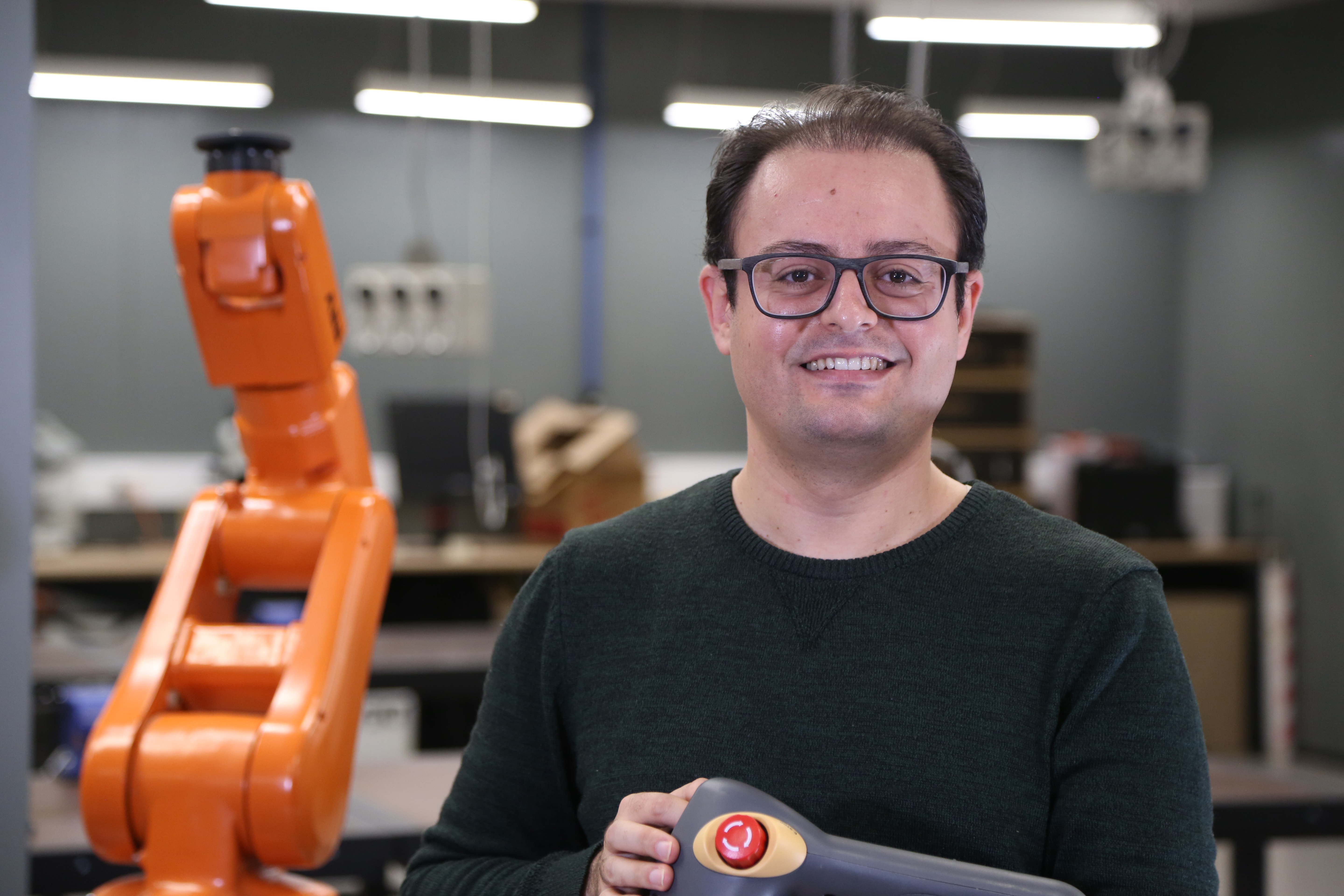
Mohamadreza Chalak Qazani
- Lecturer, Mechanical Engineering
- mohamadreza.chalakqazani@jcu.edu.au
An Advanced Ultrafast Laser Spectroscopy Facility in Queensland (Old ID 27154)
Bronson Philippa
01 Jan 2021 - 31 Dec 2021
The project aims to establish a world-class ultrafast laser spectroscopy facility to investigate how molecules interact with visible or ultraviolet light. Light-matter interactions are key to energy generation in nature through photosynthesis as well as technologies we use on a daily basis including optical communications and displays. This project expects to generate new knowledge in on how light interacts with matter at the molecular level. Expected outcomes of the ultrafast spectroscopic measurements will be understanding the fate of light absorbed by or generated in different materials. Application of the knowledge gained will enable the design of materials for more efficient technologies such as solar cells, lighting, and sensors.
Using a two-way knowledge exchange to illuminate the population dynamics of the dugong in the Gulf of Carpentaria
Ira Cooke
01 Jul 2024 - 11 Nov 2027
Dugongs are marine mammals with immense ecological and cultural significance, occurring in 40 countries in the Indo-Pacific. They are gardeners of seagrass beds and a major component of Indigenous culture. Their reliance on shallow seagrass beds exposes them to anthropogenic threats, e.g. pollution and boat disturbance. Dugongs are in decline in most of their range and are classified as vulnerable to extinction, with the populations in Australia representing a stronghold with an estimated 165,000 animals. My PhD project will use next-generation sequencing methods to assess genetic diversity, connectivity and health of dugongs in Australia, with a special focus on the remote and little-studied dugong populations in Western Australia and the Northern Territory. Indigenous Traditional Owners in remote northern Australia, such as the Kimberley region, have recently listed the genetic health and connectivity of dugongs as a top priority in their wildlife management plans. Within the next year, I am planning to actively travel to remote locations to give in-person workshops on tissue sampling of dugongs, starting a collaboration with Indigenous communities and rangers. I will then return to the same communities with my results, fostering a two-way knowledge exchange that encourages effective dugong conservation management and collaboration between different sea countries in Australia. As my PhD projects rely heavily on the retrieval of high-quality DNA, this hands-on approach is necessary to ensure proper handling of samples. During the first year, I will focus on collecting as many dugong samples as possible to ensure that all populations are well-represented and we can determine fine-scale population structure in Australian dugongs. At the end of my PhD, I will be able to assess important conservation parameters such as level of inbreeding, population fragmentation and migration along the entire Australian coast.
Tropical North Queensland Drought Resilience Adoption and Innovation Hub (TNQ Hub)
John Cavalieri
16 Jun 2021 - 30 Jun 2027
This project will establish, implement and manage the TNQHub (“Hub”) activities including collaborative research, development, extension, adoption and commercialisation (RDEA&C). The Hub will help Australian farmers and communities become more prepared for, and resilient to, the impacts of drought. The objective is to invest in RDEA&C activities, which involves: - Cross-sectoral innovative and transformative RDEA&C - Focus on the needs of end users, involving them in the co-design and adoption phases of research and development - Delivery of effective communication of new and existing knowledge and technologies - Co-investment in national drought resilience RDEA&C priorities with collaboration and co-design between governments, primary producers, community groups, research and training provider
Tropical North Queensland Drought Resilience Adoption and Innovation Hub (TNQ Hub)
Nathan Waltham
16 Jun 2021 - 30 Jun 2027
This project will establish, implement and manage the TNQHub (“Hub”) activities including collaborative research, development, extension, adoption and commercialisation (RDEA&C). The Hub will help Australian farmers and communities become more prepared for, and resilient to, the impacts of drought. The objective is to invest in RDEA&C activities, which involves: - Cross-sectoral innovative and transformative RDEA&C - Focus on the needs of end users, involving them in the co-design and adoption phases of research and development - Delivery of effective communication of new and existing knowledge and technologies - Co-investment in national drought resilience RDEA&C priorities with collaboration and co-design between governments, primary producers, community groups, research and training provider
ResPax Digital Passbook (Phase II) (Old ID 29015)
Thomas Napier
15 Jun 2023 - 14 Jun 2024
To continue the Phase I of project to further develop digital tools for collecting tourism data in the region to enable better decisionmaking.
Gold Mineralisation Styles in the Alice River Gold Field, FNQ (Old ID 23601)
Ioan Sanislav
01 Aug 2017 - 31 Mar 2018
The deposits along Alice River, including the Alice Queen mine are aligned along a lineament, interpreted as the Alice River Shear zone. The GSQ (Geological Survey of Queensland), in a recently completed study of the geology of Cape York Peninsula has interpreted the deposits as orogenic gold deposits based on outcrop patterns and limited field data. In spite of this interpretation, the age, mineral association, associated intrusives and structural styles of the deposits remains unknown and they have not been studied in details. Spitfire Materials is interested to know the age and style of mineralisation as this will assist future exploration.
Species interactions and the volution of plasticity in mating signals (Old ID 23407)
Megan Higgie
01 May 2017 - 30 Apr 2018
Displaying for mates is one of the most important forms of communication. The impact on mating displays in the presence of other species (reproductive interference) has generally been overlooked but is increasingly being recognised as a major selective force driving the evolution of mating traits. This project will investigate if species interactions can evoke immediate (plastic) changes to male mating displays. Plastic changes to mating displays will allow species to stand out in the crowd, thus avoiding reproductive interference and continue being reproductively successful. This adaptation may become extremely important due to changing species distributions in this rapidly changing world.
Development of Customised Hospital Waste Processing Technology (Old ID 26326)
Elsa Antunes
25 Feb 2019 - 31 Mar 2020
Phase 1 aims to use microwave pyrolysis technology to process a mix medical waste supplied by Medafield Pty Ltd, and study the pyrolysis conditions and resulting byproducts (syngas, bio-oil and biochar) material analysis using the different analytical tools. Phase 2 of this project will focus on the optimisation of the material properties especially to increase the value of the byproducts of particular interest. We will also undertake the biological characterisation of the samples to better understand the hazardous nature of the syngas and the biochar.
Monitoring of avian influenza in samples collected from aquatic birds in North Queensland (Old ID 27162)
Paul Horwood
01 Mar 2021 - 05 Feb 2024
At least 576 fresh faecal samples from wild ducks and magpie geese will be collected as environmental samples in the Townsville region. Swabs in transport media and immediately transported to the laboratory. Samples will be pooled and nucleic acid extracted. The extracted nucleic acid will be screened using assays based on TaqMan that will detect avian influenza. Pools that react will be individually extracted and tested. Avian influenza isolates will be checked using TaqMan specific for H5 and H7. Should the samples react in these assays it will be sent to AAHL for further testing and the CVO will be notified. Sequencing on all isolates other than those reacting in H5 and H7 will be carried out to determine genotype and to confirm pathotype.
ARC Research Hub for Supercharging Tropical Aquaculture Through Genetic Solutions (Old ID 27374)
Ludwig Lopata
09 Sep 2021 - 31 Dec 2025
This project aims to integrate cutting edge genetic and genomic approaches into innovative aquaculture enterprises that farm in tropical northern Australia. It will deliver the requisite genetic knowledge to instigate world-leading and highly productive breeding programs for five species (barramundi, pearl oyster, prawn, grouper and marine seaweed), along with a novel understanding of the genetic basis of disease resistance and how the production environment interfaces with the bacterial microbiome, pathogens and water quality to cause disease. It will increase Australia's capacity to deliver advanced genetics outcomes to the aquaculture sector, while increasing productivity, international competitiveness, and lowered risk due to disease.
Organic matter, sodicity and soil structure
- 1998
- Oxford University Press
- Researchers:Paul Nelson
Argument free clustering via boundary extraction for massive point-data Sets
- 2002
- Researchers:Ickjai Lee
Start Date:
01 Jan 1996
End Date:
01 Jan 2016
Start Date:
01 Jan 2020
Title:
Australia’s nominee for the APEC Science Prize for Innovation, Research and Education (ASPIRE Prize)
Start Date:
01 Jan 2019
Start Date:
01 Jan 2019
Start Date:
01 Jan 2016
Start Date:
01 Jan 2015
Start Date:
01 Jan 2011
End Date:
01 Jan 2013
Start Date:
01 Jan 2022
Start Date:
01 Jan 2023
Start Date:
01 Jan 2023