
College of Science & Engineering

Sophia Love
- Doctor of Philosophy (Natural and Physical Sciences)
- sophie.love@jcu.edu.au

Romain Vaucher
- Senior Lecturer, Sedimentology
- romain.vaucher@jcu.edu.au

Jenny Fisher
- Associate Dean, Learning and Teaching
- jenny.fisher@jcu.edu.au

Ambili Narayanan
- Doctor of Philosophy (Natural and Physical Sciences)
- ambili.narayanan@my.jcu.edu.au

Sarfaraz Ali
- Postdoctoral Research Fellow
- sarfaraz.ali@jcu.edu.au

Mikaeylah Davidson
- Postdoctoral Research Fellow
- mikaeylah.davidson@jcu.edu.au

Liuxin Chen
- Lecturer
- liuxin.chen@jcu.edu.au

Rafael Cabral Carvalho
- Lecturer, Marine Geoscience
- rafael.cabralcarvalho@jcu.edu.au
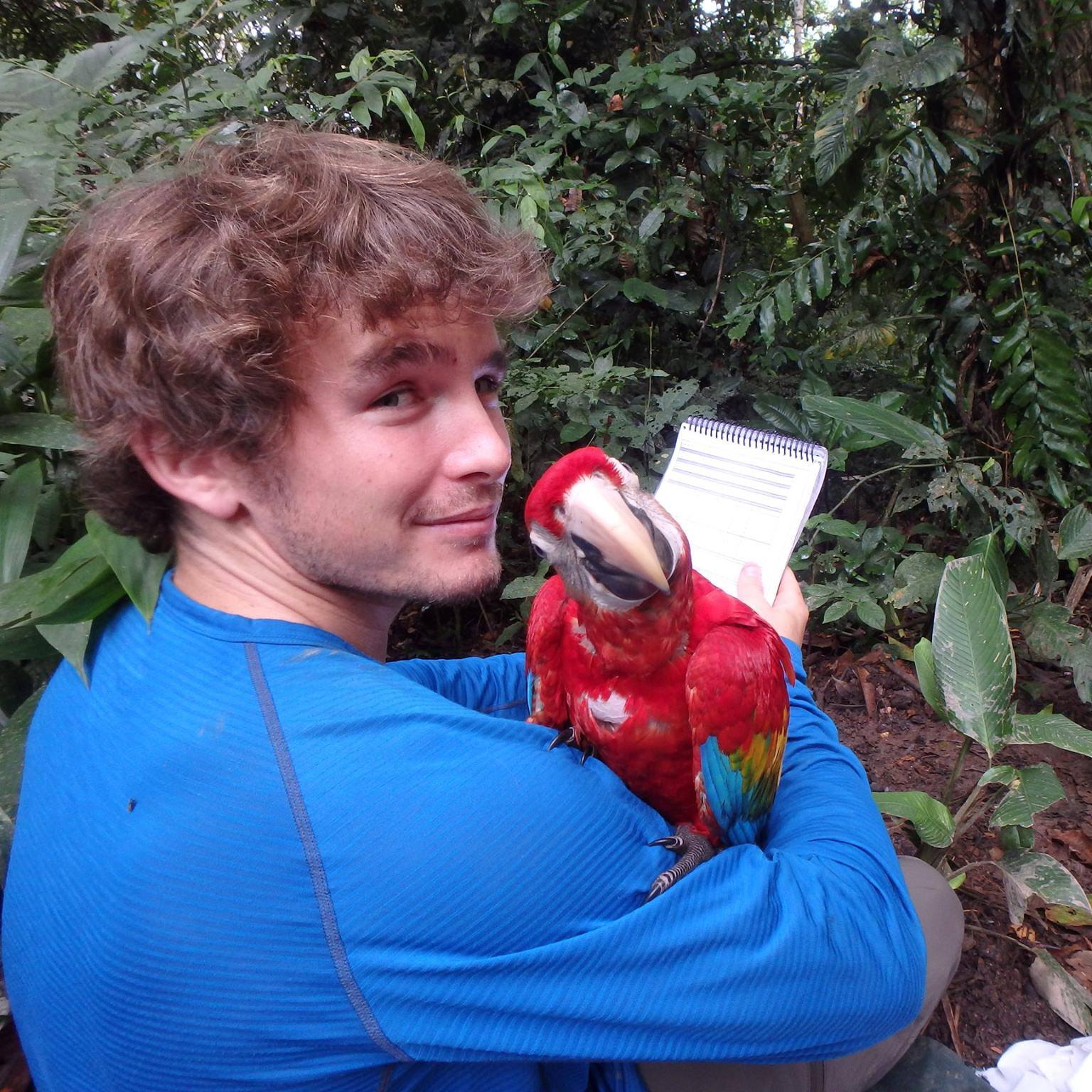
Tom Lloyd
- Postdoctoral Research Fellow, Global Ecosystems
- tom.lloyd@jcu.edu.au
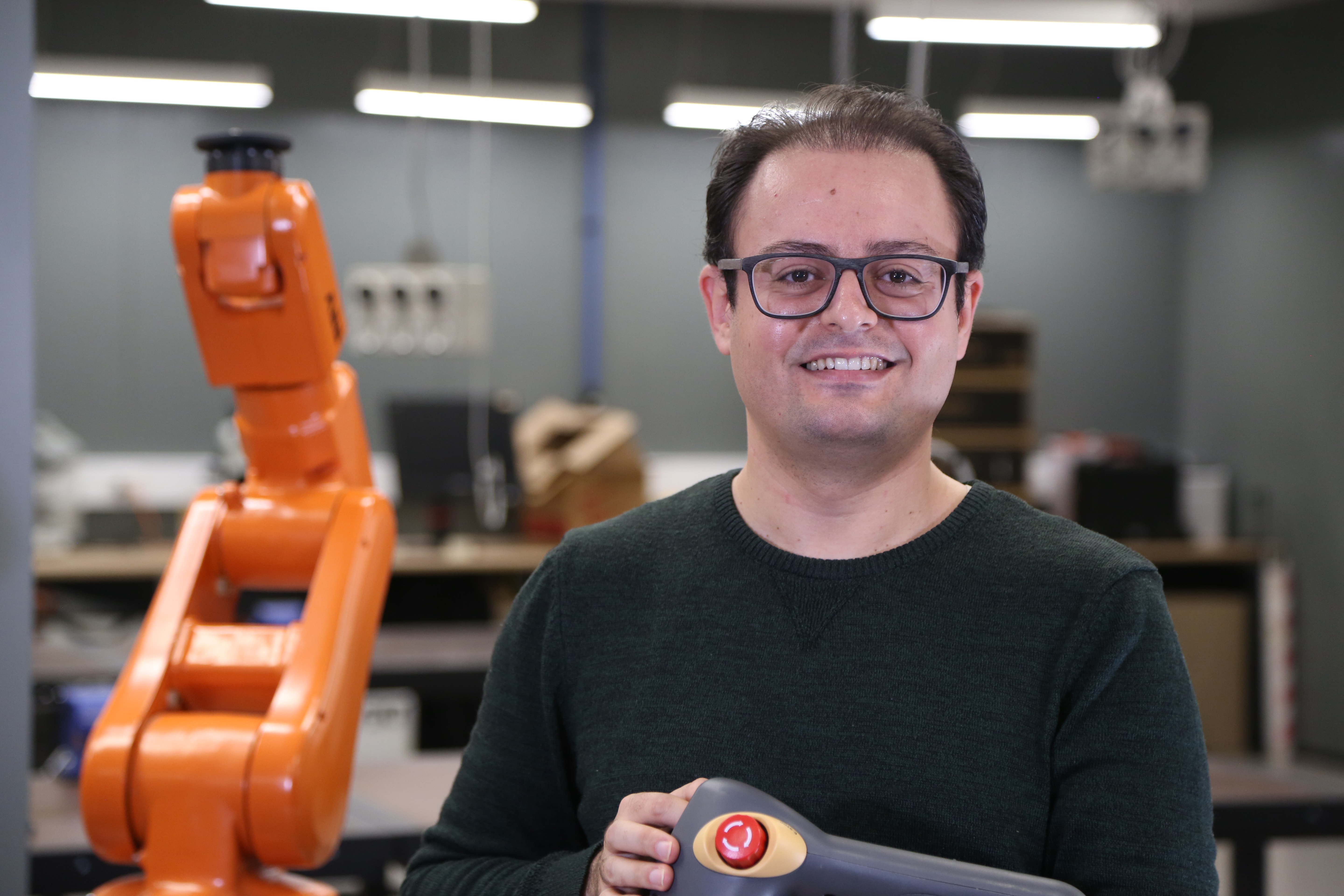
Mohamadreza Chalak Qazani
- Lecturer, Mechanical Engineering
- mohamadreza.chalakqazani@jcu.edu.au
Reef lagoon benthic habitat mapping in the Coral Sea Marine Park (Old ID 27466)
Alana Grech
01 Jun 2022 - 30 Nov 2024
This project will undertake reef lagoon benthic habitat mapping within the Coral Sea Marine Park. Sites to be surveyed are the western lagoon of Holmes Reef, all of Herald Cays, the lagoon between the Diamond Islets in Tregrosse Reef, and the eastern corner of the lagoon in Lihou Reef. This project will produce the first extensive reef lagoon benthic maps of the selected regions in the Coral Sea Marine Park and will be the first seagrass survey in the Coral Sea.
The threat of feral pigs as a reservoir of disease in North Queensland
Paul Horwood
19 Oct 2025 - 19 Dec 2025
This project will focus on identification of high-risk areas for Japanese encephalitis virus transmission in Australia by analyzing the distribution of potential hosts and vectors involved in the natural cycle, such as pigs (domestic and feral), wading birds and Culex mosquitoes. Serological and molecular tools will be used for investigating arboviruses and zoonotic bacteria pathogens in feral pig population across North Queensland
Utilising drone-based thermal remote sensing technology to accurately estimate spectacled flying-fox (Pteropus conspicillatus) abundance and model population trajectories.
Susan Laurance
11 Mar 2024 - 11 Sep 2027
This project aims to address knowledge gaps in our understanding of the abundance and population trajectory of the spectacled flying fox, a keystone species in tropical rainforest ecosystems that is currently listed as Endangered. The research will focus on applying novel remote sensing technologies such as drone-based thermal imagery to estimate the current population size of spectacled flying foxes, and develop a standardised monitoring protocol specifically for use by Indigenous rangers. Additionally, the project will seek to test and adapt theoretical models for predicting species population trajectories using spectacled flying foxes as a case study. This work aligns with national conservation priorities and is crucial to understand whether conservation management actions are having the intended impact of mitigating spectacled flying fox population declines. Moreover, the project supports broader efforts to conserve tropical fauna globally by developing widely applicable field- and desktop-based methods for assessing population declines.
Symbiont acquisition of out-planted restoration corals produced using Assisted Gene Flow
Ira Cooke
31 Mar 2024 - 30 Jun 2026
This study aims to evaluate the effect of coral host genetics on symbiont uptake in the context of an assisted gene flow (AGF) experiment. AGF corals arising from parental crosses with divergent genetic backgrounds were deployed during a thermal stress event to evaluate survival rates, with survivors collected subsequently. This investigation aims to analyse potential differences in Symbiodiniaceae composition among coral juveniles with distinct genetic backgrounds and assess if offspring maintain fidelity to parental symbiont composition. Additionally, the study will examine whether survival rates are influenced by symbiont compositions. Understanding the adaptability of non-native corals to new environments and their compatibility with local symbionts is crucial for predicting their survival outcomes and the efficacy of AGF.
Climate Vulnerability Index – Yuku Baja Muliku phase 2
Jon Day
28 Jun 2024 - 31 Dec 2027
Climate change poses an existential threat to global heritage. With rising sea-levels, more extreme weather events and aridification, the extensive impacts of climate are evident at heritage sites globally and the pace of this change is startling. In most parts of the world the rate of loss is exceeding adaptive capacity and this deficit is only getting worse. This includes the land and sea country of Indigenous peoples in Australia, for which climate change is becoming more and more of an issue, requiring more knowledge and skills to help address the management options. Decisions on conservation and preservation begin with a detailed understanding of a place's vulnerability. The choices made will directly impact that ability to effectively integrate the goals of safeguarding heritage, adapting and mitigating climate change, and driving sustainable activities. This project will apply the Climate Vulnerability Index process to assess the vulnerability of the Yuku Baja Muliku country and people.
An evaluation of the chemical composition and invitro methane production of novel legumes and a plant bi-product
John Cavalieri
01 Jul 2024 - 31 Dec 2025
Our proposed research aims to explore novel tropical plants, with a particular focus on legumes, and their in vitro fermentability, methane production, and chemical composition. Through the evaluation of various leguminous pasture plants and plant products, our goal is to pinpoint those with the potential to mitigate methane production in northern livestock. This preliminary investigation will position us favourably to pursue larger, more comprehensive grant opportunities through Australian Government and industry funding bodies. The project will produce impactful publications and scientific insights into in vitro research, and the nutritional profiles of investigated legumes and plant products. With global warming and greenhouse gas emissions at the forefront for both government and industry priorities, ongoing interest in research within these fields guarantees continued opportunities for larger project calls and the expansion of related research capacity at JCU.
Green turtle satellite tracking data analysis and reporting (Old ID 26766)
Stephanie Duce
21 Feb 2020 - 01 Oct 2021
The project aims to understand (2) the patterns of habitat use and home range of foraging green turtles in Port Curtis? (2) How green turtles use habitats located within and immediately adjacent to port infrastructure in the western and southern sections of the Port, such as jetties and navigation channels? And (3) What are the patterns of movement and foraging behaviour of green turtles that shift between inside and outside the Inner Port habitats (i.e. from Pelican Banks to offshore of Curtis Is)?
Novel governance for marine ecosystems in transition (Old ID 27169)
Terry Hughes
01 Jan 2022 - 30 Jun 2025
Human pressures are tipping marine ecosystems into new equilibrium states. Australia has the third largest marine estate in the world, and its marine ecosystems support critical industries and social and cultural values. The transition in our marine ecosystems requires similar transitions in governance. This project aims to pioneer knowledge about the new governance arrangements required to manage changing marine ecosystems. It does this though a comparative study of novel interventions now underway in Australia, from which practical guidance on responsible marine governance will be elicited, with significant benefits to the sustainability of Australian and international marine ecosystems.
Mapping Coastal wetland extent, heterogeneity and use by aquatic fauna using UAV technology to inform applied environmental management of tropical wetlands. (Old ID 27174)
Nathan Waltham
01 Jan 2021 - 31 Dec 2021
The use of unmanned aerial vehicles (UAV) in research has surged, however this has not been matched by a parallel increase in their use for conservation works. This projects aims to assess barriers to the use of UAV's in environmental management by surveying conservation professionals. Solutions to these barriers will then be incorporated into UAV surveys assessing complexity and connectivity in tropical estuaries. Overall this project will build connection between the management and research community and showcase ways in which this inexpensive, customisable technology can be used in local level conservation.
Pearls of wisdom - Breeding for increase tolerance to juvenile pearl oyster mortality syndrome (Old ID 23472)
Dave Jones
01 Feb 2018 - 30 Jun 2021
A decade ago pearl farming was one of the major employers and contributors to the social-economic fabric of northern Australia, contributing $189.7 million farm-gate to the national economy. However, in recent years Australian pearl production has been severely impacted by episodic and large-scale mortality events by an as yet unidentified causative factor. These mortality events, termed juvenile pearl oyster mortality syndrome (or JPOMS), have resulted in massive write-downs in production and economic value of the industry. This project will develop the genetic knowledge and lay the foundation for a selective breeding program in pearl oysters that are resistance to JPOMS.
Organic matter, sodicity and soil structure
- 1998
- Oxford University Press
- Researchers:Paul Nelson
Argument free clustering via boundary extraction for massive point-data Sets
- 2002
- Researchers:Ickjai Lee
Start Date:
01 Jan 2019
End Date:
01 Jan 2023
Start Date:
01 Jan 2000
Start Date:
01 Jan 2000
Start Date:
01 Jan 1999
Start Date:
01 Jan 1998
Start Date:
01 Jan 1997
Start Date:
01 Jan 1996
Start Date:
01 Jan 1993
Start Date:
01 Jan 2008
Start Date:
01 Jan 1998