
College of Science & Engineering

Sophia Love
- Doctor of Philosophy (Natural and Physical Sciences)
- sophie.love@jcu.edu.au
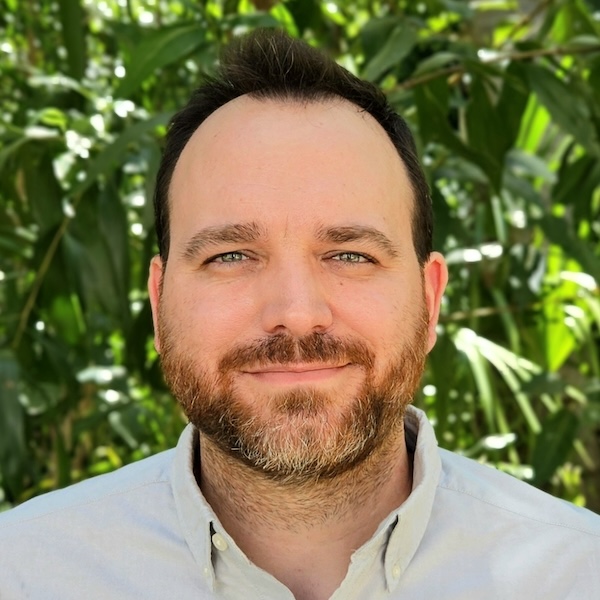
Romain Vaucher
- Senior Lecturer, Sedimentology
- romain.vaucher@jcu.edu.au

Jenny Fisher
- Associate Dean, Learning and Teaching
- jenny.fisher@jcu.edu.au

Ambili Narayanan
- Doctor of Philosophy (Natural and Physical Sciences)
- ambili.narayanan@my.jcu.edu.au

Sarfaraz Ali
- Postdoctoral Research Fellow
- sarfaraz.ali@jcu.edu.au

Mikaeylah Davidson
- Postdoctoral Research Fellow
- mikaeylah.davidson@jcu.edu.au

Liuxin Chen
- Lecturer
- liuxin.chen@jcu.edu.au

Rafael Cabral Carvalho
- Lecturer, Marine Geoscience
- rafael.cabralcarvalho@jcu.edu.au
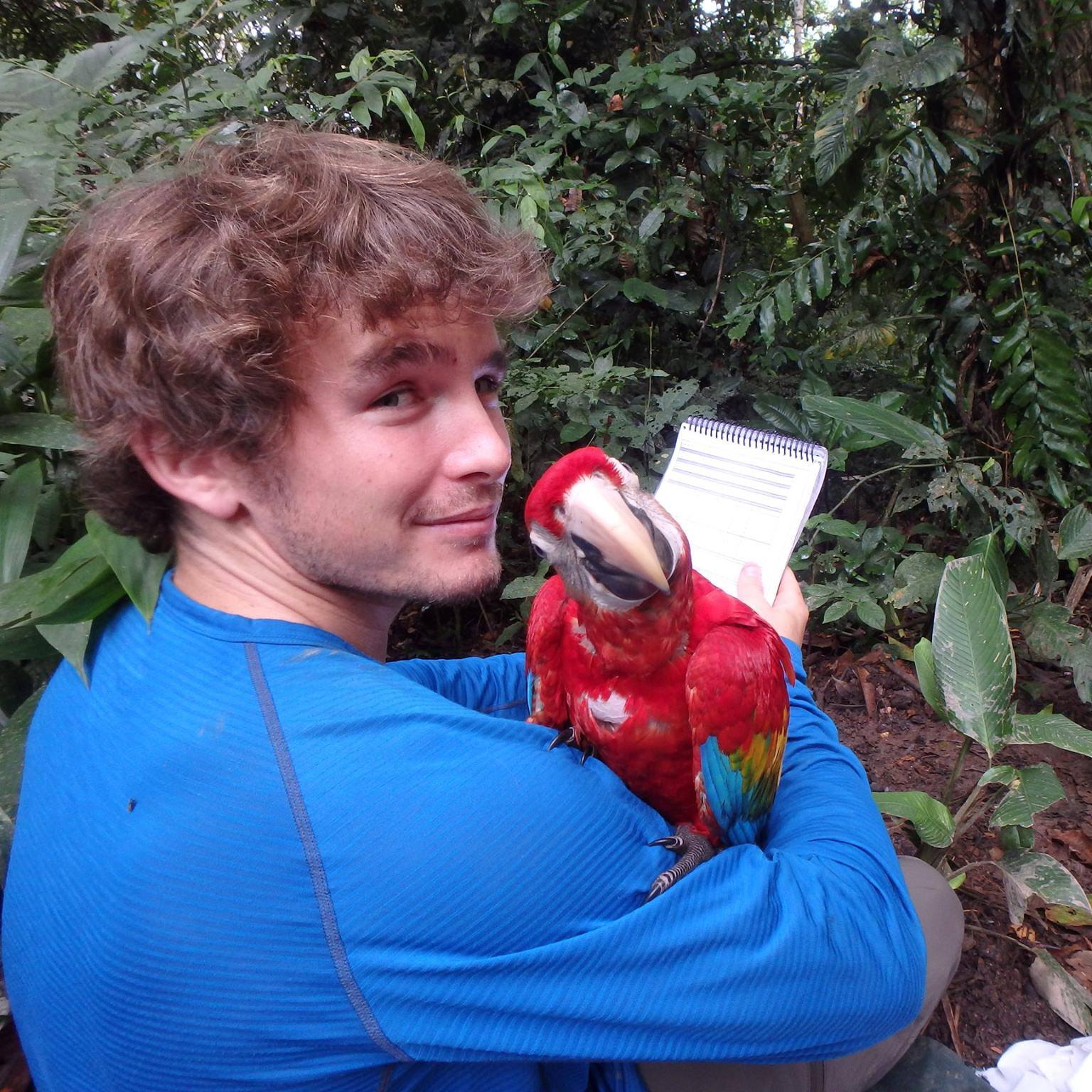
Tom Lloyd
- Postdoctoral Research Fellow, Global Ecosystems
- tom.lloyd@jcu.edu.au
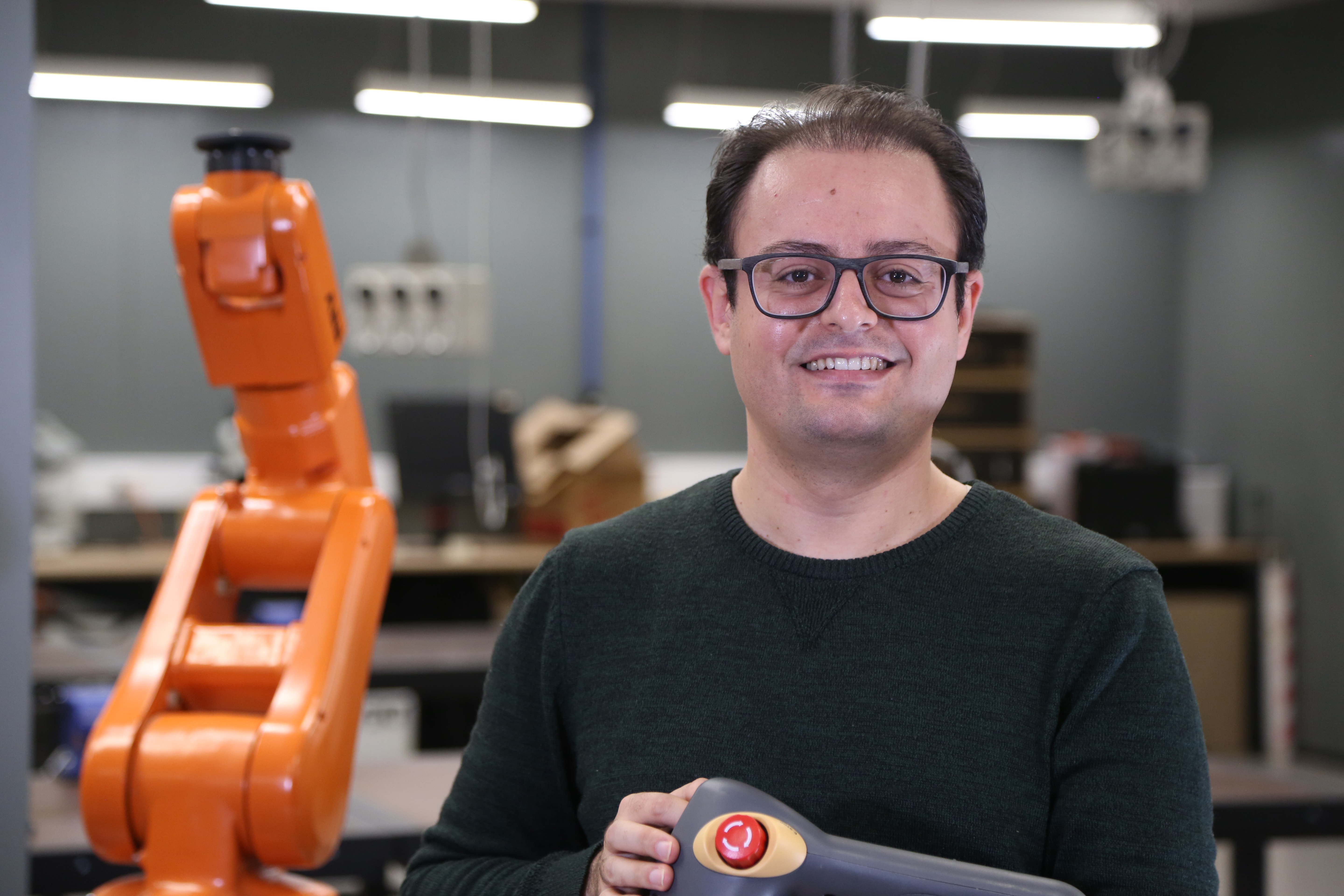
Mohamadreza Chalak Qazani
- Lecturer, Mechanical Engineering
- mohamadreza.chalakqazani@jcu.edu.au
Improved allergy diagnostics for adults and children in Far North Queensland with shellfish allergy (Old ID 22244)
Ludwig Lopata
15 Aug 2015 - 31 Dec 2018
Food allergy to shellfish is a growing health concern. Diagnostic tests used to confirm the allergy are based on a few European species, and do not represent the food sources in Australia. The aim of this research is to establish novel allergy tests for improved diagnosis of shellfish allergy.
Precision Hepatocellular Carcinoma Treatment Using Synthetic Lethality (Old ID 27904)
Matt Field
01 Mar 2023 - 30 Dec 2024
Hepatocellular carcinoma (HCC) is a major cause of cancer-related mortality. Current therapies for HCC show little efficacy due to extensive heterogeneity in the disease and a lack of corresponding patient-tailored treatment options. The purpose of this project is to validate various bioinformatic approaches to identifying personalised cancer driver genes and methods of targeting them through synthetic lethality. An integrated pipeline will be developed for the simple identification of therapeutics from sequencing of tissue biopsies. Finally, patient-derived organoids matched with patient-specific sequencing information will be used to validate this pipeline, building an important foundation for the future of personalised treatment.
Sequestering carbon and improving sugarcane productivity by enhanced weathering of basalt (Old ID 23432)
Michael Bird
01 Jun 2017 - 31 May 2026
Arresting the build-up of atmospheric CO2 is one of humanity's biggest challenges. In geological time, the weathering of rocks consumes CO2, which is then sequestered as limestone in the ocean, but the natural rate of this process is very slow. In this project we will determine the feasibility of accelerating weathering by introducing crushed basalt (a common and easily weathered rock) into the place on earth with highest CO2 production and potential weathering rates - topsoil in the humid tropics. We will also examine the effects on soil condition and crop growth, which are likely to be beneficial.
Co-design phase, Water Security for Northern Australia Program (Old ID 27741)
Nathan Waltham
01 Jul 2022 - 14 Feb 2023
This project will organise the collective expertise of 3 north Australian-based universities (James Cook University, Charles Darwin University and Central Queensland University) who have recently formed the Northern Australia Universities Alliance (NAUA). The NAUA partners will collaborate on undertaking a program of stakeholder engagement and research needs analysis in 4 focal catchments (Nodes) in order to design, develop and cost a cohesive and impactful 3.5 year research program that delivers on the core priorities of those stakeholders in those 4 focal catchments.
Cu isotope characterization of waters in the Mt Windsor Sub-Province, NE QLD (Old ID 27379)
Ioan Sanislav
14 Sep 2021 - 15 May 2022
Minotaur Operations has received funding through the Geological Survey of Queensland (GSQ) for copper isotope characterisation of groundwater sampled from active bores in the immediate vicinity of its Windsor Project in NE Queensland. The Mount Windsor Subprovince terrane covers significant Volcanogenic Massive Sulphide (VMS) deposits and prospects, and VMS deposits in the district all contain New Economy Minerals including Cd, Cu, Au, In, Ag, and Zn. Building on existing JCU research findings, this collaborative project will characterize up to 50 water bores for major/trace elements and Cu isotopes, towards determining elemental/isotopic anomalies which may indicate mineralization and therefore aide Minotaur’s exploration program.
Enhancing Groundwater Discharge Detection for Improved Water Quality Research and Coastal Management
HanShe Lim
01 Aug 2024 - 31 Dec 2024
The funds will be used to purchase equipment that will allow cutting-edge multidisciplinary research linking hydrology, soil sciences and water quality to support several academics at JCU.
Enhancing Groundwater Discharge Detection for Improved Water Quality Research and Coastal Management
Ben Jarihani
01 Aug 2024 - 31 Dec 2024
The funds will be used to purchase equipment that will allow cutting-edge multidisciplinary research linking hydrology, soil sciences and water quality to support several academics at JCU.
Enhancing Groundwater Discharge Detection for Improved Water Quality Research and Coastal Management
Nathan Waltham
01 Aug 2024 - 31 Dec 2024
The funds will be used to purchase equipment that will allow cutting-edge multidisciplinary research linking hydrology, soil sciences and water quality to support several academics at JCU.
Improving the accuracy of weed killing robots with new image processing algorithms and near infra-red spectroscopy techniques (Old ID 23146)
Bronson Philippa
26 Jun 2017 - 18 Oct 2019
Automated weed species recognition remains a major obstacle to the development and industry acceptance of robotic weed control technology. Particular problems occur in rangeland applications, including high light variability and weed-camera distance variability, which cause camera dynamic range problems, image blurring, and occlusion by other plants. This project aims to develop robust image recognition systems combined with Near Infra-Red spectroscopic methods for these complex rangeland environments with special emphasis on the broad-acre grazing pastures in North Queensland. The developed imaging systems will be suitable for all weed killing applications with particular emphasis given to foliar spot-spraying and Herbicide Ballistic Technologies.
Strengthened surveillance for vector-borne zoonotic and livestock diseases in Papua New Guinea. (Old ID 27871)
Paul Horwood
28 Nov 2022 - 30 Jun 2023
This proposed research will consolidate and build on previous research and pilot surveillance conducted on zoonotic arboviruses in PNG (SRA LS/2018/213) and will aim to continue and expand a One Health surveillance approach for Japanese encephalitis and zoonotic arboviruses in PNG. The overall objective of the project will be to combine mosquito, sentinel animal and human surveillance for JE and other zoonotic arboviruses to continue to build and consolidate capacity and expertise in this area, through a holistic, One Health approach.
Organic matter, sodicity and soil structure
- 1998
- Oxford University Press
- Researchers:Paul Nelson
Argument free clustering via boundary extraction for massive point-data Sets
- 2002
- Researchers:Ickjai Lee
Start Date:
01 Jan 2018
End Date:
01 Jan 2024
Start Date:
01 Jan 2010
End Date:
01 Jan 2020
Start Date:
01 Jan 2004
End Date:
01 Jan 2008
Start Date:
01 Jan 1999
End Date:
01 Jan 2001
Start Date:
01 Jan 2002
End Date:
01 Jan 2002
Title:
MSc, University of Auckland
Start Date:
01 Jan 2008
End Date:
01 Jan 2009
Start Date:
01 Jan 2022
End Date:
01 Jan 2024
Start Date:
01 Jan 2019
End Date:
01 Jan 2022
Start Date:
01 Jan 2017
End Date:
01 Jan 2021