
College of Science & Engineering

Sophia Love
- Doctor of Philosophy (Natural and Physical Sciences)
- sophie.love@jcu.edu.au
Elle Robertson
- Doctor of Philosophy (Agriculture, Environmental and Related Studies)
- elle.robertson@jcu.edu.au
Romain Vaucher
- Senior Lecturer, Sedimentology
- romain.vaucher@jcu.edu.au
Jenny Fisher
- Associate Dean, Learning and Teaching
- jenny.fisher@jcu.edu.au
Ambili Narayanan
- Doctor of Philosophy (Natural and Physical Sciences)
- ambili.narayanan@my.jcu.edu.au

Sarfaraz Ali
- Postdoctoral Research Fellow
- sarfaraz.ali@jcu.edu.au
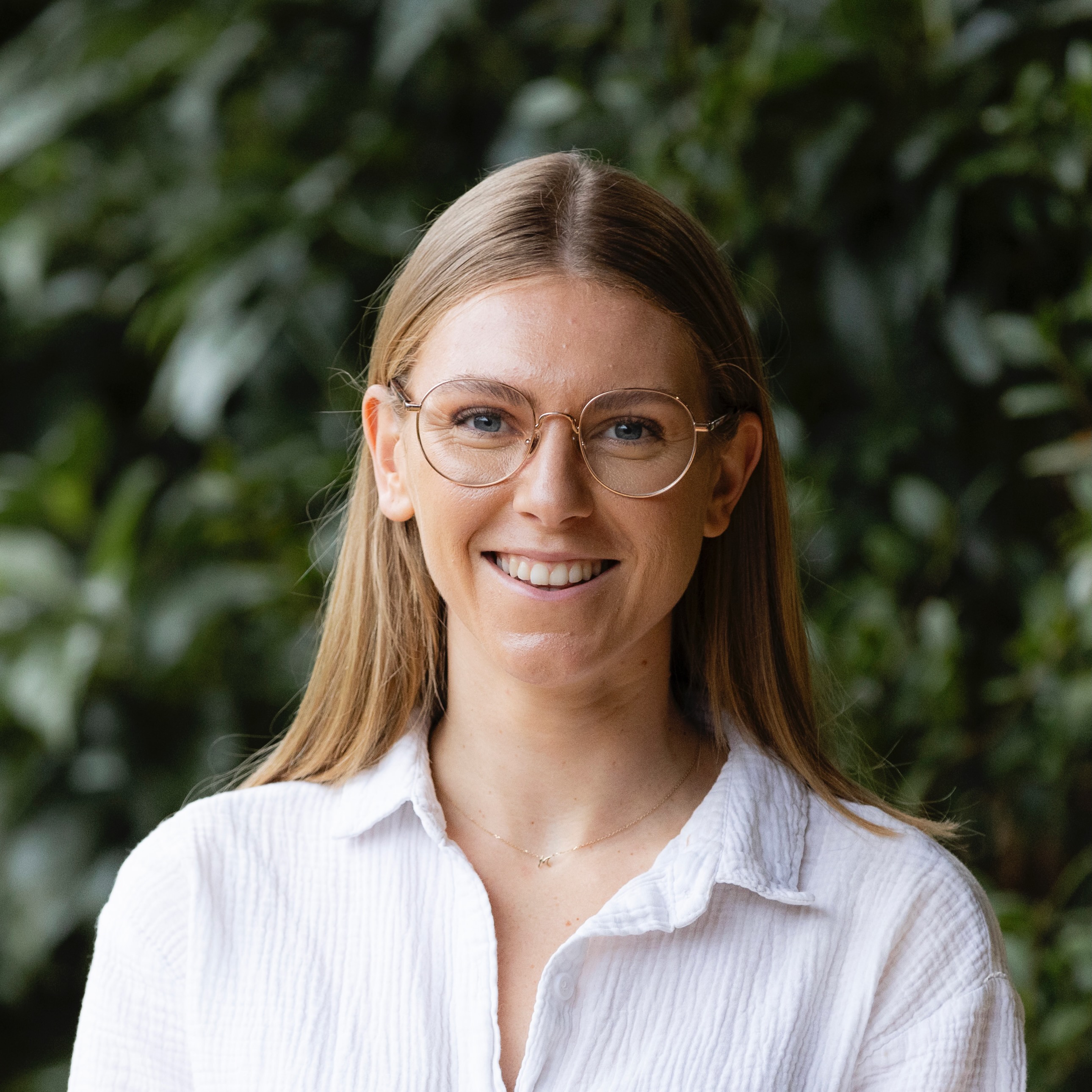
Mikaeylah Davidson
- Postdoctoral Research Fellow
- mikaeylah.davidson@jcu.edu.au
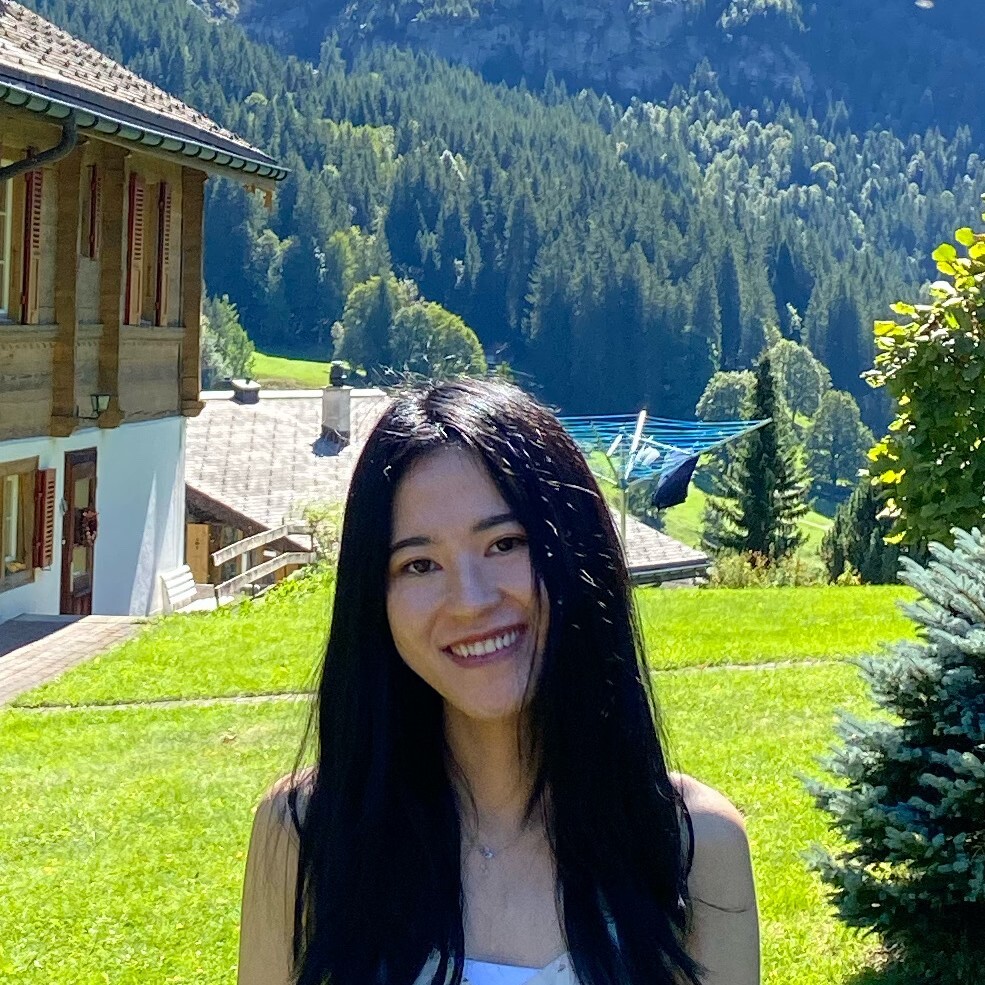
Liuxin Chen
- Lecturer
- liuxin.chen@jcu.edu.au
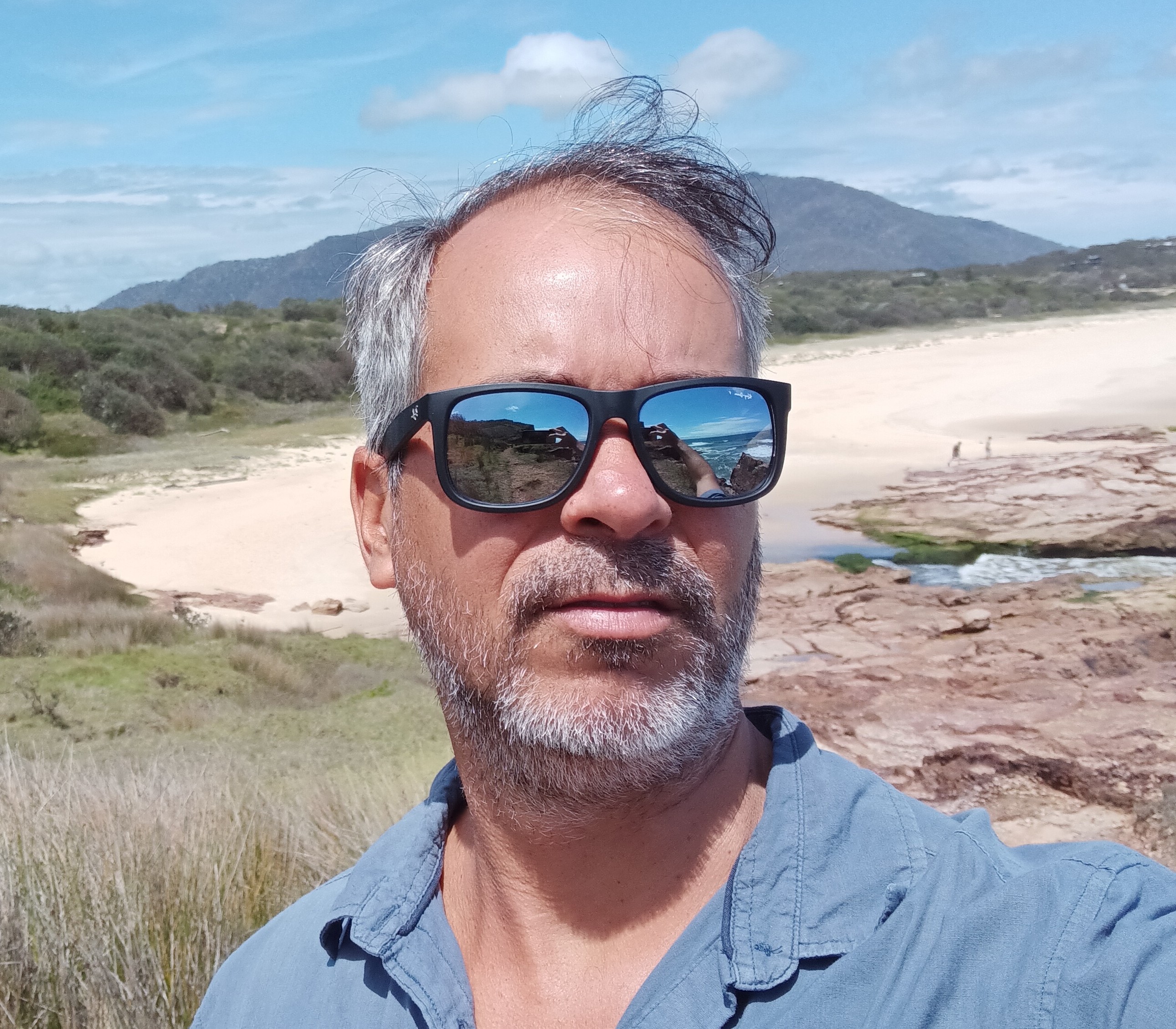
Rafael Cabral Carvalho
- Lecturer, Marine Geoscience
- rafael.cabralcarvalho@jcu.edu.au
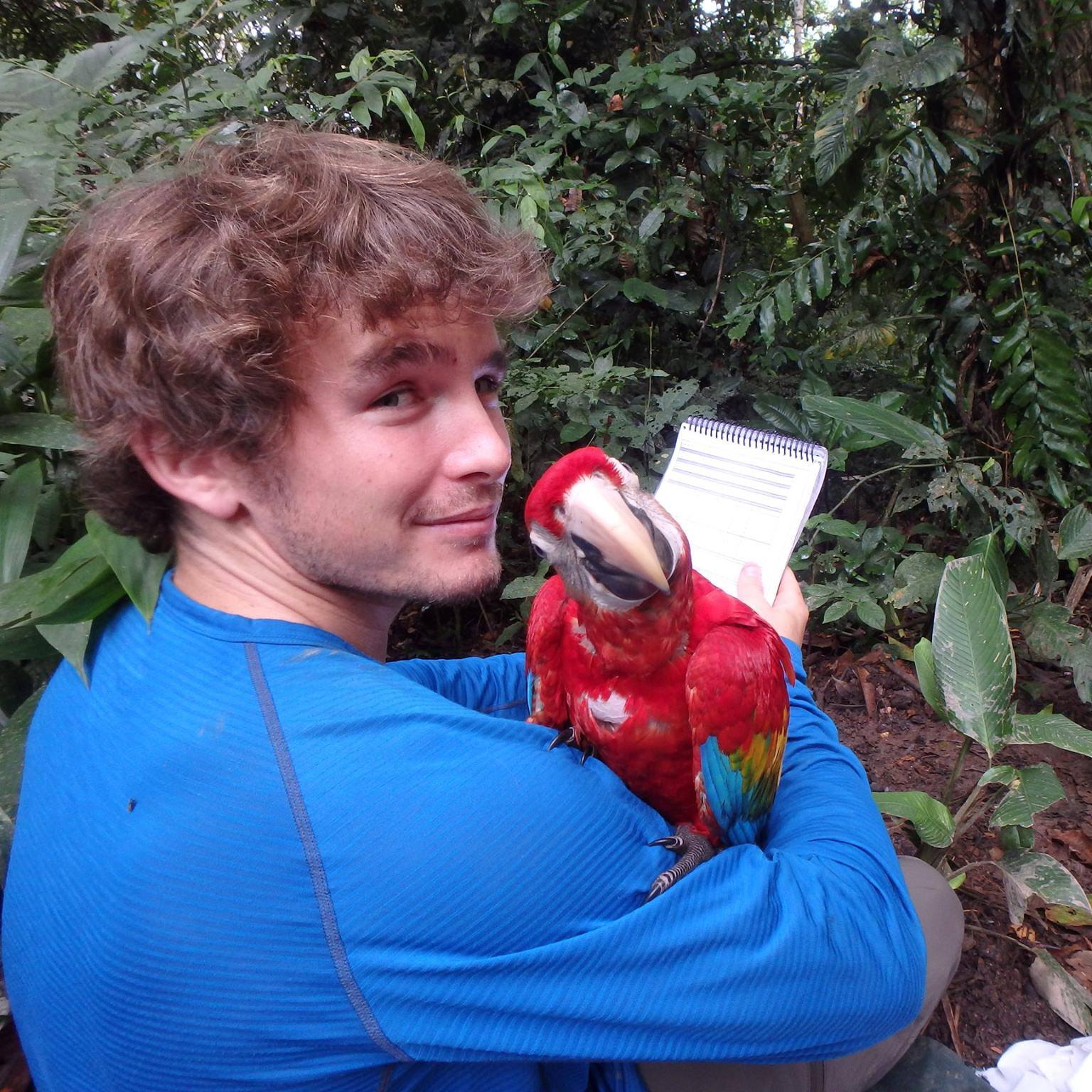
Tom Lloyd
- Postdoctoral Research Fellow, Global Ecosystems
- tom.lloyd@jcu.edu.au
Growing a profitable, innovative, collaborative Yellowtail Kingfish industry: bringing 'white' fish to the market - RnD4Profit (Old ID 22475)
The K4P project is focused on growing the key existing Australian YTK industry participants, as well as the industry as a whole, and directly addresses FRDS's new strategic plan to build Australian sustainable aquaculture development through the activities of the "new and Emerging Aquaculture Opportunities' (NEAO) Subprogram. The K4P project also aligns with the National marine Science Plan to grow the blue economy, and the national Aquaculture Statement and Strategy to grow Australian aquaculture production and better coordinate fisheries and aquaculture R&D resources nationally.
Redundant or Resilient? The impact of cyclones on Great Barrier Reef Marine Reserves and herbivorous fish communities (Old ID 22550)
Marine Reserves are implemented on coral reefs globally to conserve biodiversity and sustain fisheries, and are an important management tool on Australia's Great Barrier Reef. The proposed project will investigate how severe cyclonic disturbances modify coral reefs, their associated fish assemblages, and the performance of Marine Reserves. By surveying a variety of Marine Park Zones across the continental shelf, this project will determine whether Great Barrier Reef Marine Park Zoning and location influences the recovery of coral reef benthic and fish communities following cyclone damage. This information is of critical importance to coral reef managers both nationally and internationally.
Dating the collapse of the West Antarctic ice sheet using next generation sequencing of marine invertebrates (Old ID 23048)
This proposal applies a novel biological approach to address a key question for physical scientists. There is great uncertainty in predictions of future sea level rise and recent modelling suggests that forced displacement of over 180 million people this century is conceivable. Predicting the fate of the West Antarctic Ice Sheet is central for accurate sea level predictions The complete collapse of the West Antarctic ice sheet would lead to the existence of a trans-Antarctic seaway linking the present day Ross, Weddell and Amundsen Seas. Such a seaway would allow marine animal migration across newly opened straights, and a persistent genetic signature of historical connectivity of such events will remain in bottom dwelling animals.
Development of digital apps to facilitate insurance eligibility verification and post-event claim filing for Fijian homeowners - TASK 1 Design software framework and logic flow (Old ID 26517)
This project follows on from CTS developing a structural engineering basis for vulnerability models for different housing types in Fiji, for the World Bank and Tower Insurance. The scope covers stage 1 of a 6 stage program to develop digital applications for use by Fijian homeowners to: (a) seek eligibility for cyclone (wind damage) insurance; and (b) initiate claims post event.
Missing and endangered frog surveys and recovery (Old ID 26825)
This project will survey remote areas, particularly in the Eungella region, to try rediscover an extinct species and also find additional populations of endangered species. Where populations are discovered, detailed population estimates will be made and recovery actions will be formulated.
Coral analysis and NQBP intern framework (Old ID 27153)
The partnership agreement between James Cook University and North Queensland Bulk Ports incorporates a pipeline for students to participate in an internship training and education program. This project will include preparation of an information package for students, and a framework to capture and report key learning experiences by students participating in the internship program. Preparation of this framework and package will be used when future students participate in the program. The project will also include the analysis and reporting of coral data collected under the partnership program more broadly.
Mackay & Hay Point Marine Water Quality Monitoring (Old ID 21645)
This project delivers a 12 month water quality sampling and monitoring program within the region of Port of Mackay and Hay Point. In conjunction with the field sampling, sediment plume modelling, using MODIS, will be completed to further characterise water quality conditions within the study area. This characterisation of water quality conditions will assist in the management of the ports and dredging operations planned for this region under the direction of North Queensland Bulk Ports.
Ecology and behaviour of feral cats in the Wet Tropics (Old ID 22929)
This project will investigate the behaviour and ecology of feral cats in the Australian wet tropics region using motion sensitive cameras and GPS collars. The goal is to understand the ecological and conservation impacts of these introduced predators across the wet tropics. In addition to generating high profile scientific publications, this project will generate important recommendations for the conservation and management of the wet tropics.
Leadership and Technology Training in Bioinformatics (Old ID 25062)
JCU has recently announced the creation of a centre for bioinformatics and genomics. This centre will expand on recent strategic efforts at JCU to develop core bioinformatics capability and solidify leadership in this growing area of research. This will effectively consolidate smaller disparate groups into a wellconnected larger group under one unifying body. Dr Field will act as co-director of this centre while concurrently building a bioinformatics research team at JCU. This proposal outlines steps to obtain the necessary leadership and mentoring skills required to support these two endeavours.
Barramundi origins: determining the contribution of stocking to the barramundi catch on Queensland's east coast. (Old ID 26618)
Barramundi are stocked in impoundments, freshwater rivers and estuaries along the Queensland east coast and there is strong evidence that a substantial proportion of these fish find their way into estuarine and coastal environments. However, what this contribution actually is to the barramundi commercial fishery is unknown. Established methods for identifying the source of fish-genetics and otolith microchemistry-can be effective, but are costly. This project will evaluate near infra-red spectroscopy (NIRS) on otoliths as a rapid approach to identify if a barramundi is stocked or not.
Trophic niches determined from fatty acid profiles of sympatric coral reef mesopredators
- 2019
- Inter-Research
- Researchers:Colin Simpfendorfer
Acoustic monitoring reveals year-round calling by invasive toads in tropical Australia
- 2021
- Taylor & Francis
- Researchers:Lin Schwarzkopf
Do morphological adaptations for gliding in frogs influence clinging and jumping?
- 2020
- Cambridge University Press
- Researchers:Lin Schwarzkopf
Start Date:
31 Aug 2016
Start Date:
15 Nov 2018
Start Date:
01 Jun 2016
Start Date:
31 May 2016
Start Date:
21 Oct 2019
Start Date:
01 Jan 2017
End Date:
01 Jan 2018
Start Date:
31 Oct 2024
Start Date:
01 Jan 2019
End Date:
01 Jan 2021
Start Date:
01 Jan 2020
End Date:
01 Jan 2020
Start Date:
01 Jan 2022
End Date:
01 Jan 2022